
Short Answer
Imagine a world where the earth beneath your fingertips isn’t just dirt—it’s a carefully crafted elixir, a symphony of grit and loam that whispers to the roots of your spiky companions. Cactus soil isn’t merely a medium; it’s a lifeline, a tailored suit of armor against the suffocating embrace of ordinary earth. Each genus of cacti, from the regal Echinocactus to the delicate Mammillaria, demands a unique blend of ingredients, a recipe as distinctive as the plant itself. Crafting the perfect cactus soil mix is akin to composing a sonnet—every element must harmonize, every particle must play its part in nurturing resilience and vibrancy. Let’s embark on a journey through the art of custom soil blends, where the alchemy of texture and chemistry breathes life into your desert darlings.
The Alchemy of Drainage: Why Ordinary Soil is a Desert’s Worst Enemy
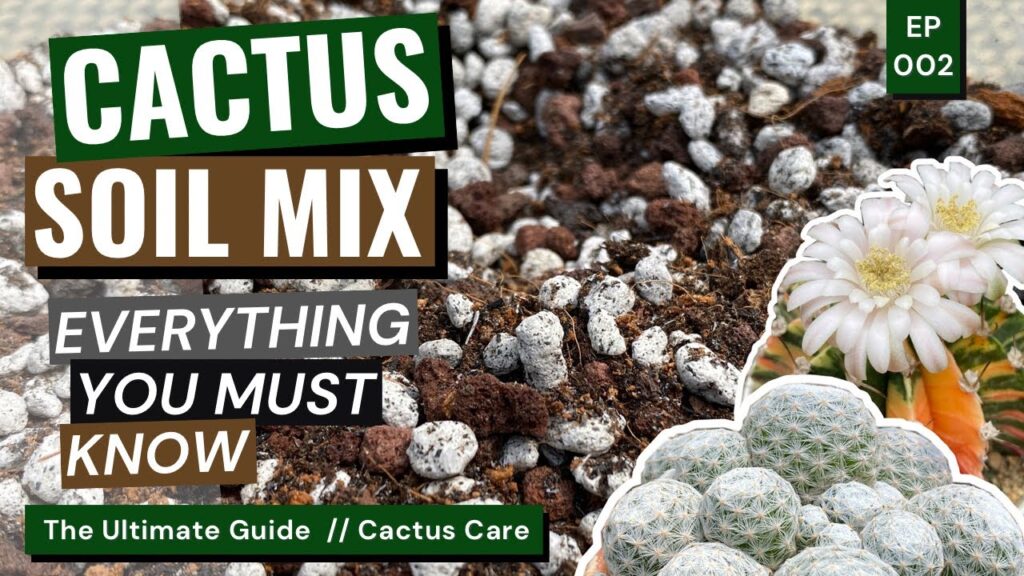
Picture, if you will, the cactus as a nomad of the arid expanse, a traveler who has evolved to sip water from the briefest of rains and store it in succulent reserves. Ordinary garden soil is a betrayal—a sponge that clings to moisture like a drowning man to driftwood. It suffocates roots, invites rot, and turns a thriving cactus into a wilting relic. The first commandment of cactus cultivation is this: drainage is non-negotiable. A well-draining soil mix is the difference between a cactus that flourishes and one that succumbs to the silent, creeping menace of root rot. The secret lies in stripping away the heavy clays and silts that dominate conventional soils, replacing them with a lattice of coarse, inert materials that mimic the cactus’s natural habitat—a desert floor strewn with gravel, sand, and the skeletal remains of ancient plants.
Think of drainage not as a feature, but as a fortress. The ideal mix should mimic the xerophytic conditions of the cactus’s native terrain, where water rushes away like a desert storm, leaving only the briefest kiss of hydration. Ingredients like perlite, pumice, and coarse sand act as the battlements, ensuring that excess moisture flees before it can do harm. Yet, drainage alone is not enough—it must be balanced with just enough organic matter to provide a whisper of nutrients without smothering the roots in excess fertility.
The Genera’s Palette: Tailoring Soil to Each Cactus’s Whims
Not all cacti are created equal, and neither should their soil be. The Ferocactus, with its barrel-shaped resilience, thrives in a gritty, mineral-rich mix that drains like a mountain stream. In contrast, the Epiphyllum, a jungle-dwelling epiphyte, craves a looser, more airy blend—almost like a forest floor in miniature, where organic matter decomposes into a humus-rich haven. The key is to recognize the edaphic preferences of each genus, translating their native soils into a domestic equivalent.
For the desert-dwelling giants like Carnegiea gigantea (the saguaro) or Echinocactus grusonii (the golden barrel), a mix heavy on inorganic grit is essential. A blend of 60% inorganic material (perlite, pumice, or coarse sand) and 40% organic (coconut coir or composted bark) creates a structure that mimics the rocky, mineral-laden soils of the Sonoran Desert. These cacti are built for endurance; their soil must be, too.
On the other hand, the epiphytic cacti—such as Schlumbergera (Christmas cactus) or Rhipsalis—demand a soil that clings to moisture just long enough to satisfy their tropical roots. Here, the blend leans heavily toward organic matter: 70% peat moss or coconut coir, 20% perlite, and 10% sand. This mimics the decaying leaf litter and humus of their jungle canopies, where roots dangle like vines, sipping from the humid air.
The Texture Tapestry: Crafting the Perfect Grit-to-Loom Ratio
Soil texture is the unsung hero of cactus cultivation, a silent architect that shapes the destiny of your plants. Too fine, and the mix compacts like a forgotten manuscript; too coarse, and it drains so swiftly that nutrients vanish before the roots can claim them. The ideal texture is a graded mosaic—a blend where particles range from the size of a grain of rice to that of a small pebble, creating a structure that is both porous and cohesive.
Start with a base of coarse sand, the kind used in construction, not the fine, powdery stuff sold in bags labeled “play sand.” Layer in perlite, those lightweight, volcanic glass beads that pop like popcorn when heated, providing aeration without compacting. Add pumice, a heavier, more durable alternative that mimics the porous volcanic rock of the cactus’s homeland. For a touch of organic finesse, incorporate coconut coir or composted pine bark, both of which retain just enough moisture to sustain the plant without drowning it.
To test your mix, perform the finger test: squeeze a handful. If it holds its shape like wet clay, it’s too dense. If it crumbles like dry breadcrumbs, it’s too loose. The perfect mix should fall apart at the slightest pressure but retain enough cohesion to support the plant’s weight. This delicate balance is the difference between a cactus that stands tall and one that topples into a sad, spiky heap.
The pH Paradox: Balancing Acidity and Alkalinity for Optimal Growth
Cacti are the diplomats of the plant world, thriving in soils that would make most plants wilt in protest. The pH of their soil is a silent battleground, where acidity and alkalinity wage a war that determines nutrient availability. Most cacti prefer a slightly acidic to neutral pH (6.0–7.0), but some, like the Mammillaria species, can tolerate slightly alkaline conditions. The challenge lies in achieving this balance without resorting to chemical amendments that disrupt the soil’s natural harmony.
Organic materials like peat moss and coconut coir lean toward the acidic side, while inorganic additives like limestone or crushed oyster shell can nudge the pH upward. For a neutral blend, aim for a 50-50 split between organic and inorganic components. If your tap water is alkaline (a common issue in many regions), consider using rainwater or distilled water for irrigation to avoid further skewing the pH. Remember, cacti are survivors—they adapt, but why make their lives harder than they need to be?
The pH of your soil isn’t just a number; it’s a gateway to nutrient uptake. A pH that’s too high or too low can lock away essential minerals like iron, manganese, or phosphorus, leaving your cactus starved despite your best efforts. Test your soil periodically with a simple pH kit, and adjust as needed. But tread lightly—cacti are not fond of sudden changes, and neither should you be.
The DIY Alchemist’s Guide: Recipes for Every Cactus Genus
Now that we’ve dissected the science, let’s roll up our sleeves and get our hands dirty. Below are custom soil recipes tailored to the most popular cactus genera, each designed to replicate their native conditions as closely as possible. These blends are not rigid formulas but starting points—adjust them based on your climate, watering habits, and the specific needs of your plants.
1. The Desert Titan: Ferocactus, Echinocactus, and Other Barrel Cacti
Blend: 60% inorganic grit (pumice, perlite, coarse sand), 30% organic matter (coconut coir, composted bark), 10% charcoal (for detoxification).
Why it works: This mix mimics the rocky, mineral-rich soils of the desert, where water drains swiftly and roots have room to stretch. The charcoal acts as a natural filter, warding off fungal intruders that might lurk in the organic components.
2. The Jungle Dancer: Epiphyllum, Rhipsalis, and Holiday Cacti
Blend: 70% organic matter (peat moss, coconut coir), 20% perlite, 10% orchid bark or charcoal.
Why it works: Epiphytic cacti thrive in the loose, humus-rich soils of their jungle homes. This blend provides the moisture retention they crave while still allowing for airflow around their delicate roots.
3. The High-Altitude Specialist: Rebutia, Lobivia, and Miniature Cacti
Blend: 50% inorganic grit (perlite, pumice), 30% organic matter (composted pine bark), 20% fine sand.
Why it works: These cacti hail from the Andes, where soils are a mix of volcanic ash and organic debris. The fine sand helps anchor the roots, while the grit ensures drainage in the thin mountain air.
4. The Coastal Survivor: Coastal Cacti like Cylindropuntia and Opuntia
Blend: 50% coarse sand, 30% perlite, 20% composted leaf mold.
Why it works: Coastal cacti are adapted to sandy, wind-swept soils where organic matter is scarce. This blend replicates those conditions, providing the gritty texture they need to anchor themselves against the elements.
The Final Touch: Sterilization and Seasoning
Before you tuck your cacti into their new soil beds, there’s one last step: sterilization. Even the most carefully crafted mix can harbor unseen enemies—fungal spores, nematodes, or bacterial pathogens that lie in wait like silent assassins. To banish them, bake your soil mix in the oven at 200°F (93°C) for 30 minutes, or microwave it in short bursts until it reaches a temperature of 180°F (82°C). This process kills off unwanted guests without altering the soil’s structure.
Once sterilized, let the mix cool completely before potting. Then, give it a seasoning period—a week or two where the organic components can mellow and the pH stabilizes. During this time, avoid watering the mix; let it breathe, like a fine wine aging in a cellar. When you finally introduce your cactus to its new home, it will be greeted by a soil that is not just a medium, but a sanctuary.
Crafting the perfect cactus soil mix is an act of devotion, a labor of love that transforms a simple pot into a thriving ecosystem. It’s a reminder that even in the harshest of environments, life finds a way—and with the right soil, your cacti will not just survive, but thrive, their spines gleaming like the needles of a thousand tiny compasses pointing toward the sun.
FAQ
What is the best soil mix for cacti?
A good cactus soil mix typically consists of 60% inorganic materials like perlite or pumice and 40% organic matter like coconut coir.
How often should I change the soil for my cactus?
It's recommended to refresh the cactus soil every 2-3 years, or when you notice poor drainage or root issues.




Leave a Reply