
Short Answer
Have you ever wondered what it might be like to wander through a desert landscape where cacti resemble living sculptures, each with its own story etched in spines and branches? Among these botanical marvels, the Cylindropuntia genus stands out with a beguiling array of species — from the rigid, pencil-thin spires of the Arizona Pencil Cholla to the sprawling, antlered arms of the Staghorn Cholla. Yet, these cacti pose more than just a scenic charm; they challenge our perceptions of desert resilience, adaptation, and even survival strategies in some truly remarkable ways.
The Enigmatic World of Cylindropuntia
The Cylindropuntia genus, often simply called chollas, boasts a collection of cacti that captivate botanists and desert lovers alike. Their name is derived from the Greek word “kylindros,” meaning cylinder, a nod to their distinctive tubular stem segments. Unlike many other cacti with expansive pads or clusters, Cylindropuntia species grow in segmented, cylindrical forms covered with robust spines that can easily snag onto passing animals or unwary travelers — a brilliant yet mischievous adaptation for propagation.
But here’s where the real intrigue begins: these spines aren’t just for defense. They are equipped with tiny barbs that make detaching stem segments simple, turning the cholla into a botanical hitchhiker. This clever vegetative reproduction mechanism means that one detached segment can root elsewhere and spawn a whole new plant. This characteristic raises a playful yet pressing question — what does it mean to be a survivor in the harsh desert, if survival involves literally hitching rides wherever possible?
Spotlight on Staghorn Cholla: The Desert’s Sculptural Wonder
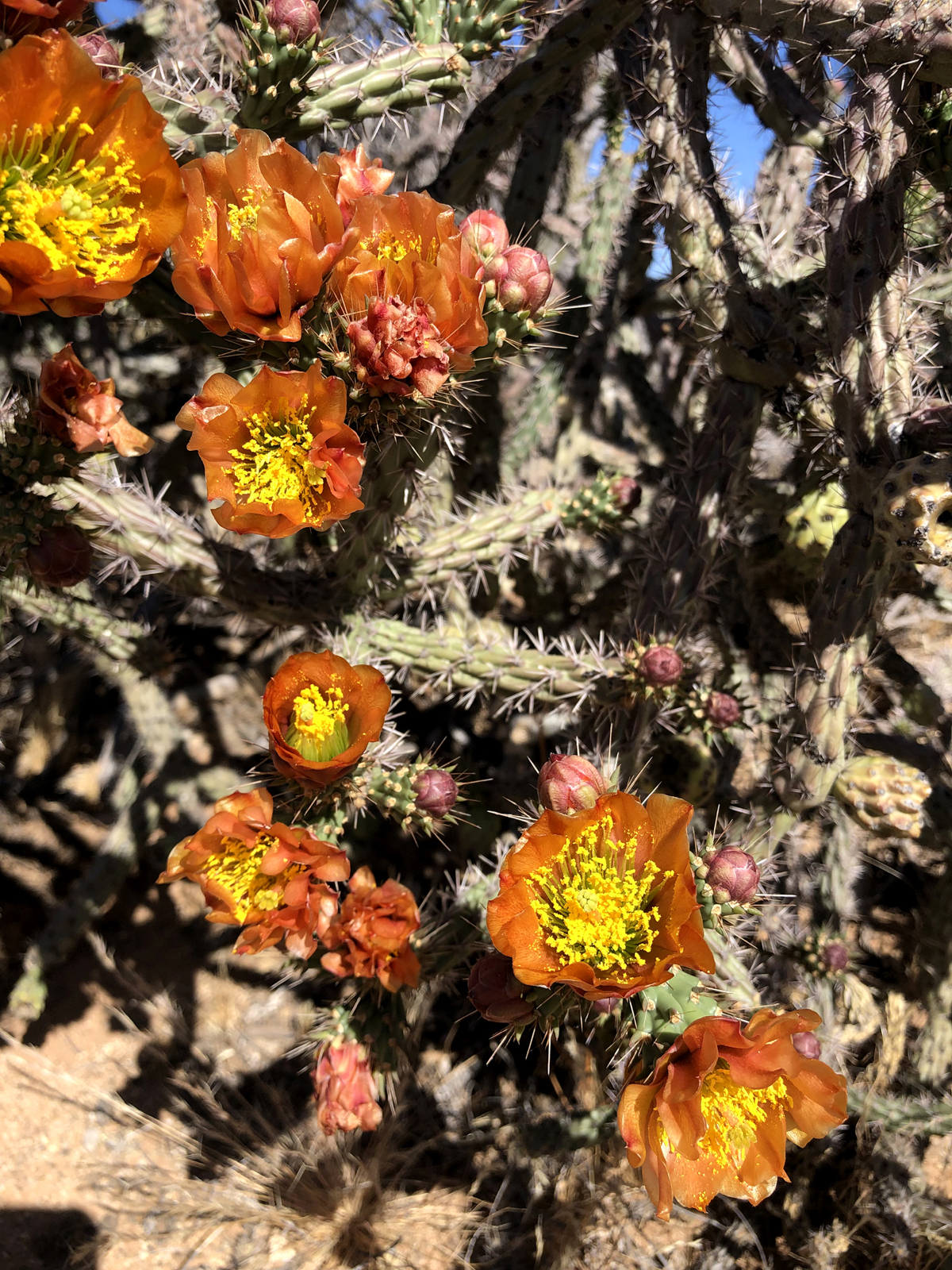
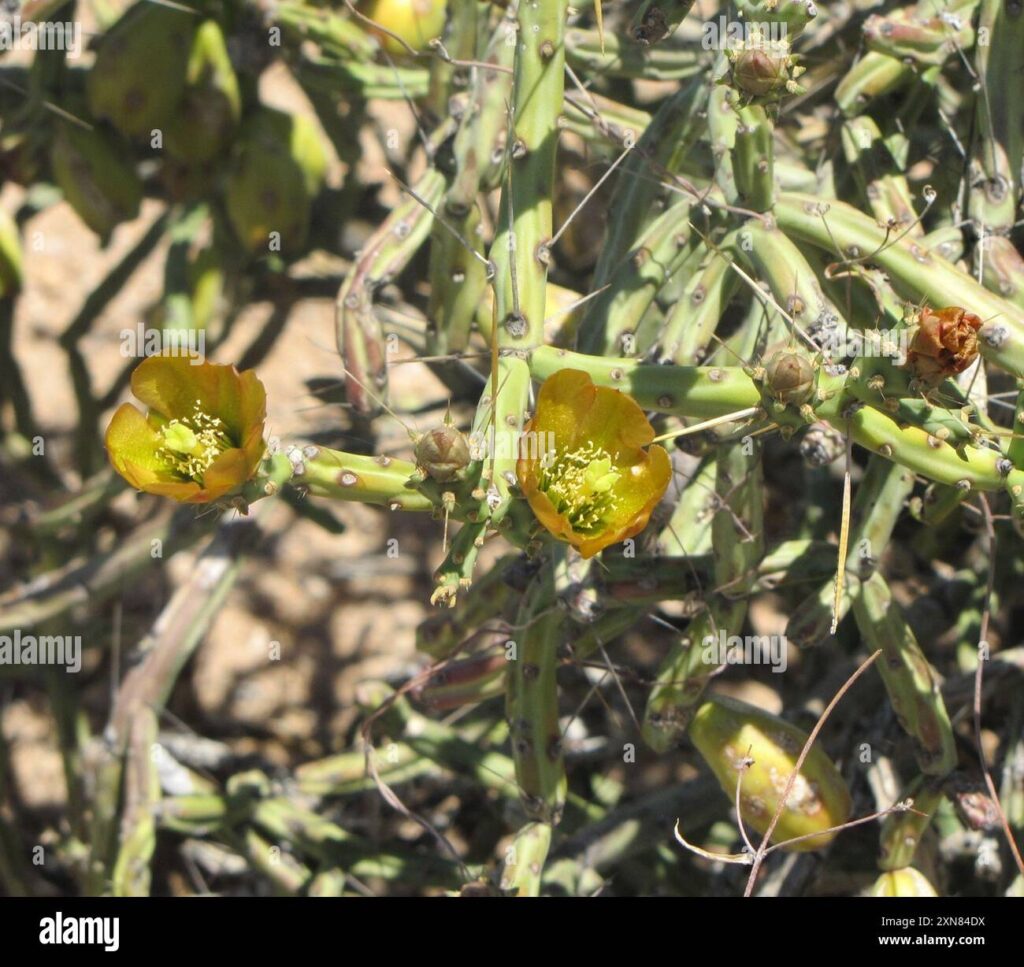
With limbs sprawling outward like the majestic antlers of a stag, the Staghorn Cholla (Cylindropuntia acanthocarpa) stands as a desert masterpiece. Its irregular, wand-like appendages lend it a sculptural presence that dominates arid landscapes, often casting intricate shadows during the sun’s passage. But beyond its aesthetic value lies a resilient survivor adapted to withstand extremes of heat, drought, and erratic rainfall.
The spines of the Staghorn Cholla are formidable, not just in size but in function. Their barbs can penetrate deeply, providing both defense against herbivores and facilitating dispersal as segments detach with surprising ease. This feature, while fascinating, can be challenging for anyone attempting to harvest or garden with these plants, requiring careful respect and handling.
Furthermore, the Staghorn Cholla plays an ecological role as well. Its dense limbs provide shelter and nesting sites for a variety of desert fauna, including birds and lizards, crafting a microhabitat that supports biodiversity amidst the barren expanses.
Arizona Pencil Cholla: Slim, Sleek, and Striking
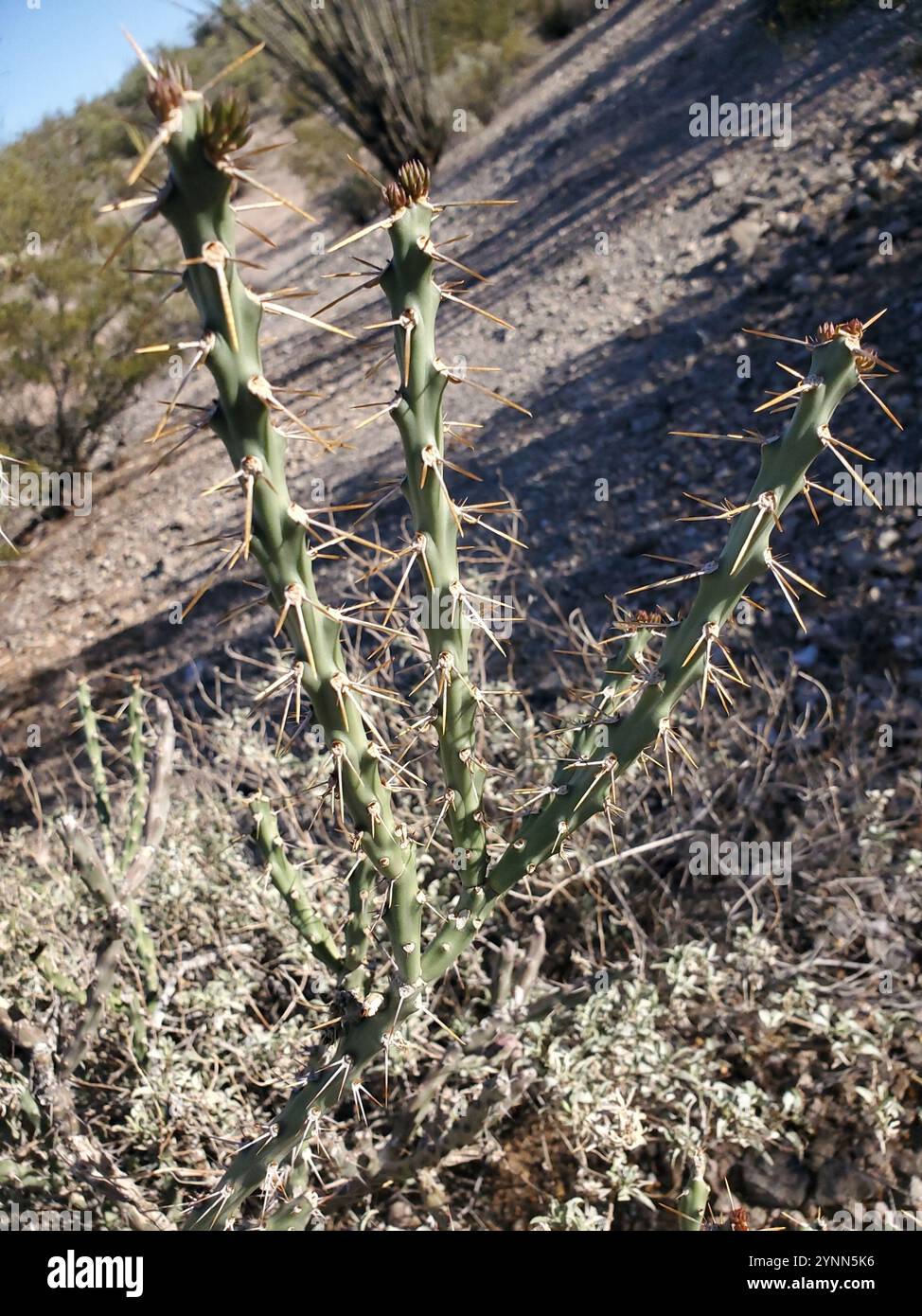
If the Staghorn Cholla is the bold architect of the desert, the Arizona Pencil Cholla (Cylindropuntia arbuscula) is its elegant minimalist cousin. Slender and upright, this species typically reaches modest heights but commands attention with its pristine cylindrical branches closely aligned like a bundle of pencils.
The Pencil Cholla’s delicate appearance belies a toughness honed by millennia in rugged environments. It thrives in well-draining rocky soils, often dotting hillsides and mesas with a quiet dignity. Its fine spines, almost hair-like from afar, can be deceivingly sharp, presenting a subtle but effective barrier against thirsty herbivores. This species challenges the observer: how can something so slim be so unyielding to the desert’s relentless demands?
Moreover, the Arizona Pencil Cholla’s smaller stature means it often grows mingled with other desert flora, contributing to the complex layering of desert plant communities. It provides important nectar sources during its flowering season and plays a role in soil stabilization.
Adaptation and Survival: A Tale Woven in Spines and Segments
What truly distinguishes the Cylindropuntia species is their extraordinary ability to adapt to their unforgiving environment. Their cylindrical stems minimize surface area in relation to volume, reducing water loss — a critical trait in arid climates. The spines, far from mere deterrents, regulate sunlight exposure and create trapped air layers that shield the stem from intense heat.
This remarkable botanical engineering is coupled with a reproductive strategy that almost seems to defy the harshness of their surroundings. Nearly all Cylindropuntia species propagate vegetatively via tumbling stem segments, but many also flower and produce fruit, offering dual avenues for population growth. Their flowers, vibrant and often unexpectedly colorful, entice pollinators while standing in stark contrast to the rugged, spiny exteriors.
However, this reproductive tenacity sometimes raises ecological tensions. The chollas can become so successful at colonizing terrain that they outcompete other native plants, posing challenges for land managers and conservationists striving to preserve ecological balance in desert regions.
Human Interaction: From Hazard to Horticulture
Encountering Cylindropuntia in the wild comes with an element of caution. The infamous “jumping cholla” moniker is rooted in their propensity to detach and stick. For hikers and ranchers, they can become a literal thorn in the side. Removing cholla segments embedded in skin is a daunting experience — their tiny barbs make extraction painful and persistent. Yet, it is precisely this tenacity that fascinates naturalists and horticultural enthusiasts.
In cultivation, these species are prized for their architectural appeal and drought tolerance. Gardeners seeking to create xeriscapes or desert-themed displays often incorporate Cylindropuntia species to bring authenticity and intrigue. However, their care demands respect; proper spacing, gloves, and awareness are mandatory to prevent injury and uncontrolled spreading.
Moreover, indigenous cultures have long recognized the cholla’s value, utilizing various parts for food, fiber, and medicinal purposes, underscoring a relationship that blends utility with reverence.
The Future of Cylindropuntia: Challenges and Conservation
In the face of climate change and human encroachment, the future prospects of Cylindropuntia species invite contemplative scrutiny. As desert ecosystems shift, these cacti must continue to adapt. Yet, their capacity to thrive in extreme heat and aridity may grant them a strategic edge.
Conversely, habitat fragmentation and invasive species threaten to unbalance the delicate dynamics these chollas help maintain. Conservation efforts increasingly focus on preserving native populations, educating the public, and managing the balance between natural spread and invasive potential.
Thus, the Cylindropuntia genus remains a vibrant symbol of desert resilience — a testament to evolution’s artistry and the ongoing dialogue between nature and culture.
FAQ
What are Cylindropuntia species commonly called?
They are commonly called chollas.
How do Cylindropuntia reproduce?
Primarily through vegetative propagation by detachable stem segments, and also through flowering and fruit production.
Are chollas dangerous to handle?
Yes, their barbed spines can cause painful injuries and require careful handling.
What ecological roles do Cylindropuntia play?
They provide shelter for wildlife and help stabilize soil in desert ecosystems.
Where are Cylindropuntia species typically found?
In desert regions of the southwestern United States and northern Mexico.

Leave a Reply