
Short Answer
Have you ever found yourself captivated by the enigmatic charm of cacti, wondering how such seemingly austere plants can evoke such diverse personalities and shapes? If so, you’re not alone. Cacti are not just desert survivors; they are botanical marvels known for their ingenuity, resilience, and striking forms. Yet, with thousands of genera populating arid landscapes across the globe, identifying and appreciating the most popular cactus genera can be a delightful challenge. Ready to embark on a visual journey through the world of cacti and unlock the secrets behind their widespread appeal? Let’s dive in!
Echinocactus: The Barrel-Shaped Beacons of the Desert
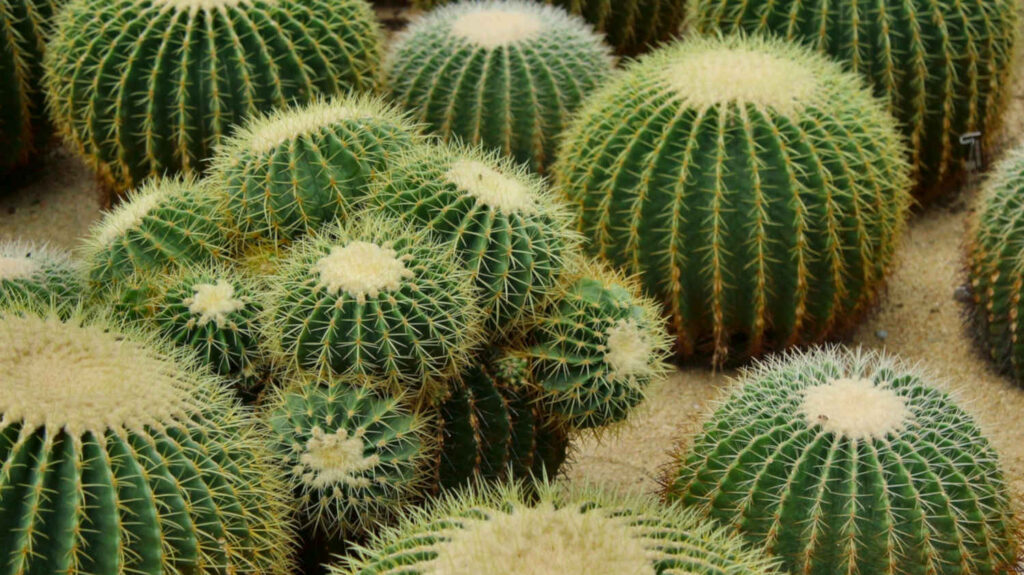
Have you noticed those globe-like giants dotting the desert, adorned with pronounced ribs and crowned by an array of sharp spines? That’s the quintessential Echinocactus, often known as the “barrel cactus.” Their rounded, robust bodies boast an armor of rigid, often golden spines, forming an almost geometric masterpiece. These plants can grow imposing heights yet retain a compact volume, making them both a dramatic and practical choice for gardeners.
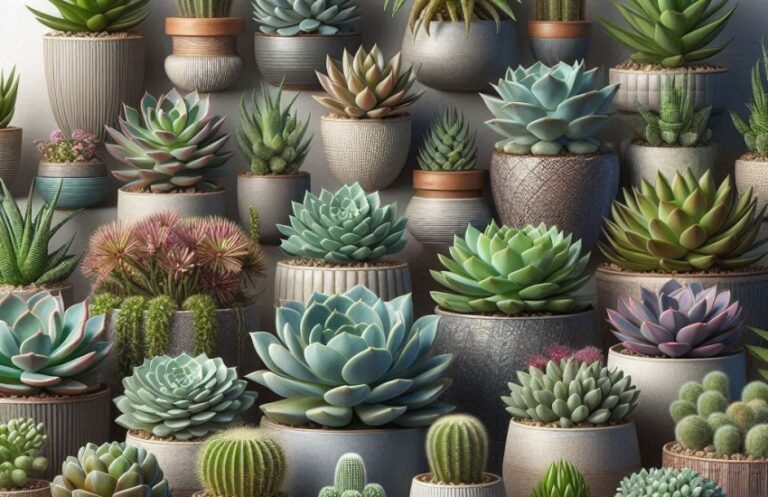
What makes Echinocactus intriguing beyond their form is their adaptability. Endowed with deep-root systems, they survive droughts with a stoic grace, absorbing minimal water and storing it efficiently. Their flowers—typically a dainty crown in shades of yellow or red—emerge at the plant’s summit, hinting at a surprising softness beneath a formidable exterior. Encountering an Echinocactus is like meeting a desert warrior with a hidden romantic side.
Opuntia: The Quirky and Versatile Prickly Pears
When you twist your mind around the slippery concept of “pads” instead of traditional cactus forms, you enter the realm of Opuntia, the famous prickly pear genus. These cacti flaunt broad, flattened segments, almost paddle-like, habitually covered with clusters of glochids—tiny barbed spines that annoy unsuspecting touch. Their distinct morphology defies the typical cactus silhouette and invites curiosity.
But Opuntia is more than a prickly oddity. Its pads are edible, its bright yellow to magenta flowers are spectacular, and some species produce delicious fruit. These cacti effortlessly straddle survivalist toughness and culinary contribution. In fact, their versatility has enabled human cultures for centuries to use them for food, medicine, and even natural fencing, weaving an intriguing human-plant narrative.
Mammillaria: The Charming Miniature Masters
Suppose size is what defines intrigue in cacti. Then Mammillaria steps into the spotlight as the darling of miniatures—a genus dazzling with hundreds of tiny, globe-shaped species. These cacti are adorned with tubercles rather than ribs, resembling tiny nodules that project outward, often giving the plant an almost fluffy texture. Their small stature belies a stunning display of vibrant flowers and intricate spines.

What’s delightful about Mammillaria is their adaptability to domestic environments. Their compact nature makes them perfect companions for desks and windowsills. Additionally, their prolific bloom cycle fills small spaces with bursts of color, creating living mosaics that fascinate succulent enthusiasts worldwide. Yet, don’t let their size fool you: maturity in Mammillaria reveals captivating complexity, with unique spine patterns and flower arrangements that make each specimen a tiny masterpiece.
Ferocactus: The Titans with Tenacity
Ready for a showdown of strength and spiny spectacle? Ferocactus lives up to its name, evoking both “ferocious” and “cactus.” These giants command attention with fierce, ribbed bodies armed with formidable spines that vary from needle-thin to thick and hooked. Their presence in landscapes is like natural fortresses, standing tall and indomitable.
Juxtaposing their severe exterior, Ferocactus bloom surprisingly large and radiant flowers, often in fiery shades of red, orange, and yellow, decorating the plant’s apex. This contrast between ferocity and flamboyance creates a dramatic paradox. Collectors prize them for the sheer drama they inject into any cactus assemblage, making a Ferocactus an unforgettable botanical centerpiece.
Gymnocalycium: The Sculptural Gems
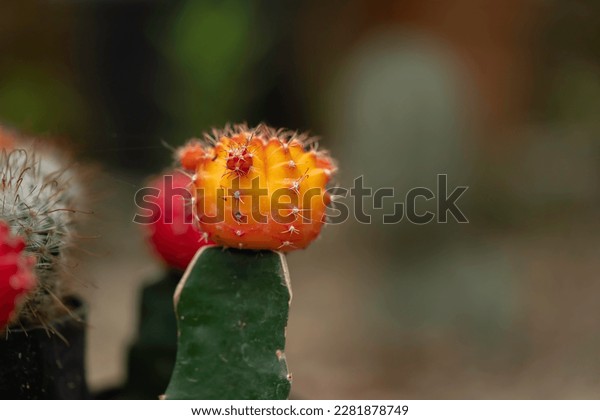
The word Gymnocalycium hints at “naked calyx,” a nod to their flower structure, but what truly captivates is their sculptural forms. These globose cacti present smooth, often subtly ribbed bodies that curve gracefully. Their spines are typically modest, which softens their appearance tremendously, allowing their flowers to steal the spotlight with delicate, pastel hues.
Gymnocalycium species offer a window into the sophisticated artistry of nature. Distinctive are their flowers, which blossom with a refined elegance—imagine finely crafted porcelain cups sitting atop verdant globes. For beginners and seasoned collectors alike, Gymnocalycium delivers charm without intimidation, bringing both balance and bloom into the cactus collection.
Challenges in Appreciating Cactus Diversity
So, what’s the rub in truly savoring these captivating genera? Is it the overwhelming range of forms that sometimes baffles newcomers? Or perhaps it’s the subtle differences between genera that blur lines, turning identification into a botanical puzzle? The challenge lies in transcending first impressions—beyond spines and shapes—to grasp the ecological narratives and evolutionary marvels each genus embodies.
Exploring cactus genera invites patience and curiosity. It demands an observant eye and a willingness to engage with nuances—in spine arrangement, flower morphology, and growth habits. Only then can one appreciate the cactus not simply as “thorny plants” but as remarkable survivors with stories etched in each rib and tubercle.
Conclusion: Embracing the Diversity of Cactus Genera
The world of cacti bursts with diversity from stout barrels to quirky paddles, miniature globes to towering spiny titans. Each genus offers a unique visual and tactile experience that challenges and rewards attentiveness. By venturing beyond what’s familiar and allowing yourself to be surprised, you may discover a newfound appreciation for these botanical wonders—plants that embody resilience, beauty, and endless fascination.
Are you ready to meet your next cactus companion? Whether it’s a fierce Ferocactus or a delicate Gymnocalycium, the journey through cactus genera is a vibrant dance between desert mystery and horticultural delight. Dare to explore their forms, textures, and blooms—and let their stories transform the way you see the resilient spirit of the plant kingdom.
FAQ
What characteristics define the Echinocactus genus?
Echinocactus are known as barrel cacti with globe-shaped, ribbed bodies and sharp spines, often with yellow or red flowers at the top.
Why is Opuntia called the prickly pear?
Because of its broad, flattened pads covered with tiny barbed spines called glochids, and its edible fruit resembling pears.
Are Mammillaria cacti suitable for small spaces?
Yes, Mammillaria are miniature cacti, compact and ideal for desks or windowsills, often blooming profusely.
What makes Ferocactus unique among cacti?
Ferocactus are large, heavily spined cacti with dramatic flowers, prized for their strong visual impact.
How do Gymnocalycium cacti differ visually?
Gymnocalycium have smooth, often subtly ribbed bodies with modest spines, and delicate pastel-colored flowers.



Leave a Reply