
Short Answer
In the vast and diverse kingdom of succulent plants, cacti occupy a fascinating niche, boasting an intricate genetic makeup that underpins their extraordinary adaptations and resilience. Delving into the enigmatic world of cactus DNA reveals the secrets of their survival strategies, distinctive physiological features, and the vibrant diversity exhibited across genera. This exploration leads enthusiasts through an excursion of genetic marvels, from their evolutionary lineage to the captivating phenotypes that characterize each species. Here, we unravel what makes cactus DNA truly unique and the immersive content that brings this botanical enigma to life.
The Intricacies of Cactus DNA: Evolutionary Origins and Adaptations
The story of cactus DNA begins millions of years ago, nestled within the arid and often punishing environments of the Americas. Their genetic blueprint encodes an array of adaptations finely tuned to mitigate water scarcity, intense sunlight, and temperature fluctuations. Unlike many plants, cacti possess specialized genes regulating Crassulacean Acid Metabolism (CAM) photosynthesis, a sophisticated water-saving mechanism that allows them to open stomata at night rather than during the scorching day. This genetic innovation maximizes carbon fixation while minimizing water loss, a triumph etched into their DNA sequences.
Furthermore, cactus DNA harbors genetic variations responsible for the development of their iconic spines—transformed leaves that reduce transpiration and defend against herbivores. These structures emerge from highly conserved regulatory genes, demonstrating how a single genome can conjure such formidable defense systems. Their genomes also encode adaptations for thick, fleshy stems specialized in water storage, a testament to the evolutionary pressures that sculpted these desert dwellers.

Diverse Species Spotlight: Genetic Variation Across Cactus Families
The term “cactus” encompasses an extraordinary kaleidoscope of species, each bearing a unique genetic signature that defines its morphology and ecological niche. From the diminutive pebble-like Lithops to the star-shaped Astrophytum, cactus DNA is a vibrant anthology of life’s versatility.
Take, for instance, Lithops, often called “living stones.” Their DNA encodes for intricate pigmentation and shape mimicry that vanquishes predators by camouflaging them effortlessly within their rocky habitats. This genetic marvel is not merely survival by chance but the product of finely tuned evolutionary pressures captured within their genetic code.
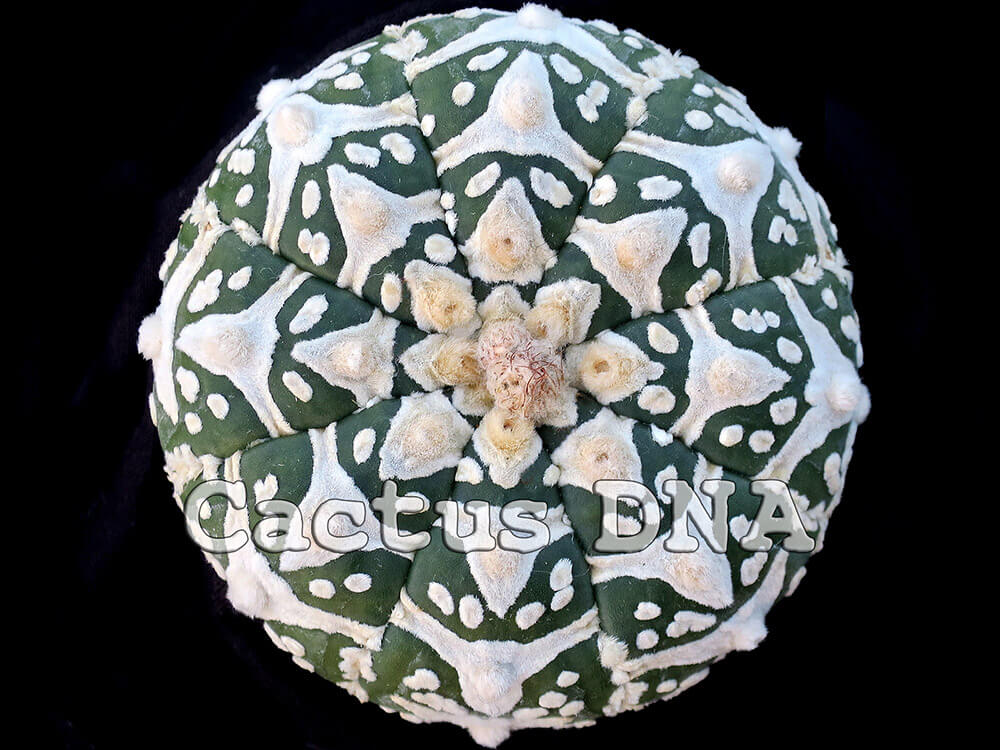
Contrast this with Astrophytum species, where DNA guides the formation of star-patterned ribs and striking white dot patterns—an evolutionary strategy potentially serving to reflect sunlight and reduce excessive heat absorption. The genomic differences between these genera reflect variations in gene families associated with cellular wax production, pigmentation enzymes, and structural proteins, revealing a tableau of genetic artistry crafted by nature’s hand.

Decoding Cactus Physiology: From Fleshy Stems to Photosynthetic Mastery
At the heart of cactus uniqueness lies their physiological infrastructure, a direct manifestation of their DNA. The succulent stem, burdened with the task of water storage, is a marvel of cellular engineering. Genes regulating the synthesis of mucilage and polysaccharides allow cacti to trap and retain moisture with astonishing efficiency, lending the stem its plump, resilient nature.
Moreover, the DNA instructions for CAM photosynthesis not only include enzymatic pathways for nocturnal CO2 uptake but also encompass circadian rhythm regulators that finely orchestrate stomatal behavior. This coordination is a remarkable example of genetic and molecular synchrony, enabling cacti to thrive where others could not survive.
Within these physiological traits, there is also a glimpse into stress-resistance genes. Heat shock proteins and antioxidant pathways encoded by cactus genomes provide cellular safeguards against oxidative stress, elevating their endurance under prolonged drought and intense UV radiation.
Exploring Cactus DNA Through Photographic Galleries and Scientific Imagery
Visual explorations serve as powerful portals into the genetic symphony of cacti. High-definition galleries dissect the visual phenotypes born from their DNA, offering intimate views of complex structures and patterns. Enriched with scientific imagery, these collections portray the delicate veining, epidermal textures, and growth forms that genetics dictate.
For example, images capturing the variegated facets of Conophytum species reveal how subtle genetic differences influence epidermal translucence and pigmentation. Similarly, photographic series of Lithops juxtapose stones’ cryptic camouflage with their vibrant flowering phases, offering clues to the genetic toggling between dormancy and reproductive activation.
This multimedia approach not only elevates the understanding of cactus biology but also allows viewers to appreciate evolutionary artistry rendered in nature’s palette — a fusion of genetics and environmental sculpting visible in every spine, bloom, and stem.

Applications and Implications: The Future of Cactus Genetics
The expanding frontier of cactus DNA research is not solely academic; it carries profound implications for biodiversity conservation, horticulture, and even biotechnology. Understanding genetic diversity helps preserve endangered species and cultivates resilient specimens tailored to varying climates and landscapes. Propagation efforts increasingly rely on genomic markers to select for drought tolerance, disease resistance, and ornamental traits.
Moreover, the study of cactus stress-resistance genes holds promise for transferring such mechanisms into agricultural crops, potentially revolutionizing farming in arid regions. By harnessing the very evolutionary toolkit that made cacti masters of inhospitable environments, science peers towards sustainable solutions for food security and environmental management.
As researchers continue decoding cactus genomes, they unveil more secrets lurking within their DNA — an ongoing narrative that promises to inspire enthusiasts and scientists alike with tales of survival, adaptation, and natural ingenuity.
FAQ
What is CAM photosynthesis in cacti?
CAM photosynthesis is a water-efficient process where cacti open their stomata at night to absorb CO2, reducing water loss during the hot daytime.
How do cactus spines form genetically?
Cactus spines develop from conserved regulatory genes that transform leaves into protective structures, reducing transpiration and deterring herbivores.
Why do cactus species have diverse appearances?
Genetic variation across species leads to differences in pigmentation, spine patterns, and stem structures, adapting each species to its ecological niche.
Can cactus DNA research benefit other fields?
Yes, it can aid biodiversity conservation, improve horticulture practices, and potentially transfer stress-resistance traits to crops for better drought tolerance.





Leave a Reply