
Short Answer
Imagine stepping into a verdant world where desert warriors clad in spiny armor multiply silently, crafting legacies through both the quiet embrace of offsets and the adventurous journey of seeds. Propagating Echinocereus, a genus of strikingly sculptural cacti, is akin to orchestrating a botanical symphony – each method a unique movement, each plant a flourishing note in the melody of desert resilience. Whether you’re coaxing the tiny offshoots clinging like emerald jewels at the mother plant’s base or nurturing minute seeds that whisper promises of future grandeur, propagation unveils a captivating alchemy of patience and passion.
The Art of Propagation: Why Echinocereus Enthralls
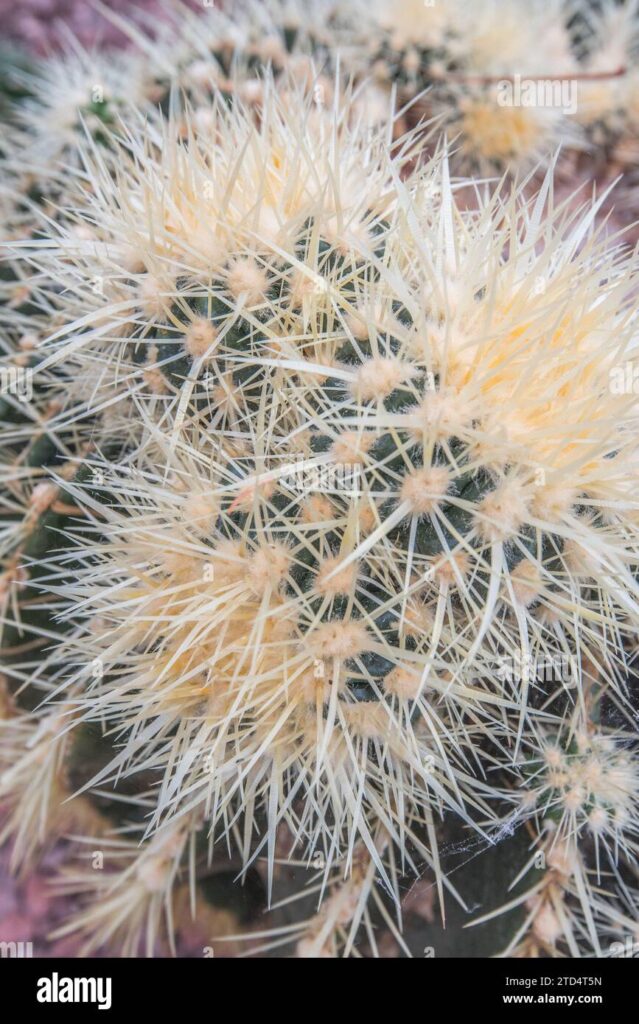
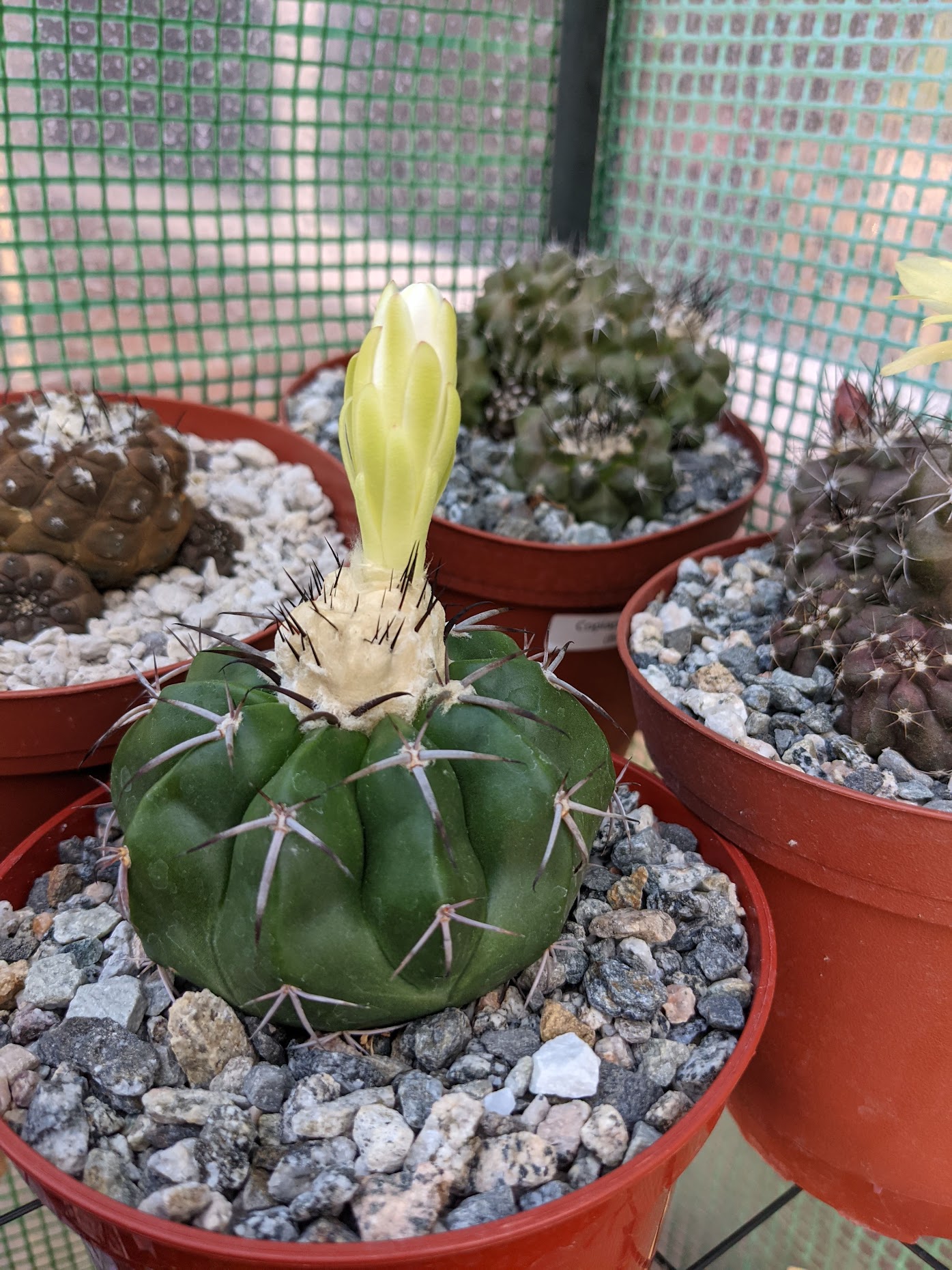
Echinocereus, often dubbed the hedgehog cactus, enchants with its vibrant flowers and spiny tendrils. Its appeal transcends mere aesthetics; it embodies the rugged elegance of desert survival. Propagation is not just about multiplying these fascinating plants—it’s about preserving their lineage, crafting miniature sagas of endurance and beauty. Undertaking this process invites you into an intimate dialogue with nature’s ingenuity, transforming soil, light, and time into living sculpture.
Propagating by Offsets: Nature’s Clonal Embrace
Offsets are the gentle, yet tenacious, extensions of the mother plant’s will to thrive. These little offshoots, sometimes called pups, emerge like emerald sentinels at the base of a mature Echinocereus, ready to embark on independent lives. Harvesting and rooting offsets is akin to granting a younger sibling their own stage, yet one steeped in the rich legacy of the parent.
Begin by carefully extracting offsets once they’ve reached a generous size (usually a few centimeters in diameter). Arm yourself with a sterile, sharp blade or simply twist gently to separate, making sure to include a small portion of the root base if possible. This is a delicate dance; the offset’s tenderness demands both confidence and care.
Allow the freshly separated offset to callous over—a pivotal pause of desiccation that prevents rot and signals readiness for planting. This dry rest typically endures for 3-7 days, a brief sabbatical where the plant’s wounds knit and fortify.
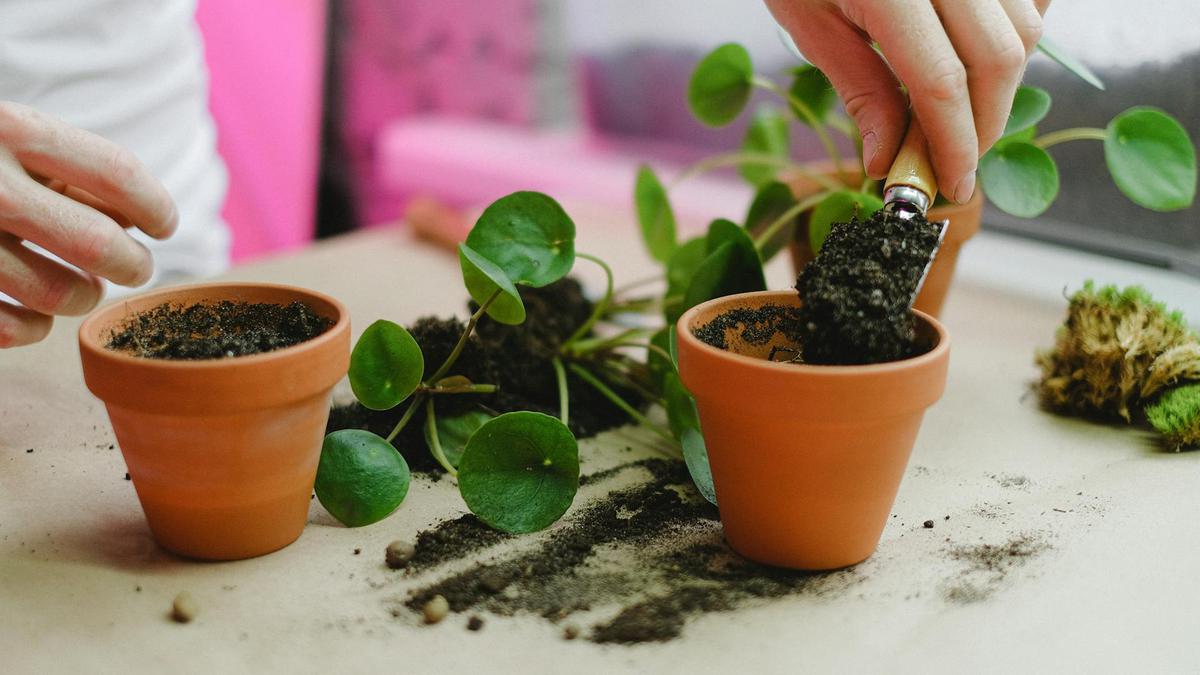
Plant the offset in a well-draining cactus mix, nurturing it in bright, indirect sunlight. Water sparingly, mimicking the arresting rhythms of the desert—too much moisture invites ruin, yet too little starves the roots of vitality. Expect roots to establish over a few weeks, a quiet crescendo leading to the offset’s vigorous independence.

Seed Propagation: The Slow-Burning Promise of Echinocereus
Seeds are the whispered poetry of plant propagation, encapsulating infinite potential within diminutive shells. In Echinocereus, seeds represent a captivating gamble with time—each grain a tiny, verdant phoenix ready to rise amid challenges.
Begin with fresh, viable seeds harvested from mature fruits. The seeds’ vitality wanes swiftly, so prompt sowing can be the difference between success and lost promise. Soak seeds briefly in lukewarm water for 12-24 hours to soften the seed coat, accelerating germination readiness.
Prepare a sterile, sandy substrate—mimicking their harsh native environment—and evenly scatter the seeds on the surface. Cover lightly, as many Echinocereus species require light to germinate, rather than deep burial. Maintain a humid, warm microclimate using a plastic dome or sealed container, but be vigilant to air out regularly and prevent fungal onslaughts.
Patience is your steadfast companion here. Germination may stretch from one to three weeks, sometimes longer depending on species and conditions. Once seedlings emerge, precise watering—moist but not soggy—and ample light will coax them from fragile green threads into resilient future spines.

Environmental Symphony: Conditions for Thriving Propagation
Both offsets and seeds crave the harmonized rhythm of desert-like conditions to thrive. Light is paramount; bright yet filtered sunlight mimics their native habitats, preventing etiolation while avoiding scorching. Temperature should hover comfortably between 70-85°F (21-29°C) during the day, dipping slightly at night to simulate natural fluctuations.
Substrate composition plays a starring role—choose gritty, aerated soils with excellent drainage. Incorporate pumice, perlite, or coarse sand to guard against the treacherous perils of overwatering, which can swiftly doom roots and offsets alike. This balance of hydration and dryness is the tightrope walk upon which Echinocereus thrives.
Nutrients, while less critical during initial rooting, become increasingly important as plants mature. Light fertilization with cactus-specific formulations during growing seasons can bolster vitality, but avoid excess nitrogen, which may encourage soft, vulnerable growth.
Common Challenges and Their Artful Solutions
Propagation, though rewarding, is not without hurdles. Offsets sometimes suffer from rotting if excision wounds are not properly calloused or if planted in overly moist soil. Vigilance here pays dividends—always confirm dryness before planting and resist premature watering.
Seedlings, delicate and miniature, are prone to damping-off disease—a fungal malady that can sweep through moist environments. Ensuring sanitation, adequate air circulation, and avoiding overly saturated soil can fend off this menace.
Pests like mealybugs and spider mites may target young plants, attracted by their tender tissues. Regular inspections and gentle treatments, such as insecticidal soaps or neem oil, help maintain a pest-free sanctuary.
The Rewards: Why Propagating Echinocereus is Worth the Journey
Every successful propagation of Echinocereus is a triumph over time and terrain—a personal victory that infuses your collection with life and history. Offsets offer rapid multiplication and share the exact genetic identity of the mother, perfect for preserving prized specimens. Seeds inject genetic diversity and foster resilience, a reminder that in every tiny grain lies the mystery of evolutionary artistry.
These propagation journeys heighten your connection to the living pulse of the desert. They invite mindfulness, dedication, and an appreciation for the resilient poetry of life thriving where it seems impossible. Cultivating Echinocereus from offsets or seeds transforms gardening from a hobby into an epic chronicle—one succulent story at a time.
FAQ
What is the best way to propagate Echinocereus?
The best ways to propagate Echinocereus are through offsets and seeds, each requiring specific techniques and environmental conditions.
How long does it take for Echinocereus seeds to germinate?
Germination of Echinocereus seeds can take from one to three weeks, depending on the species and conditions.
What conditions are ideal for propagating Echinocereus?
Echinocereus thrives in bright filtered sunlight, temperatures between 70-85°F, and well-draining, gritty soil.

Leave a Reply