
Short Answer
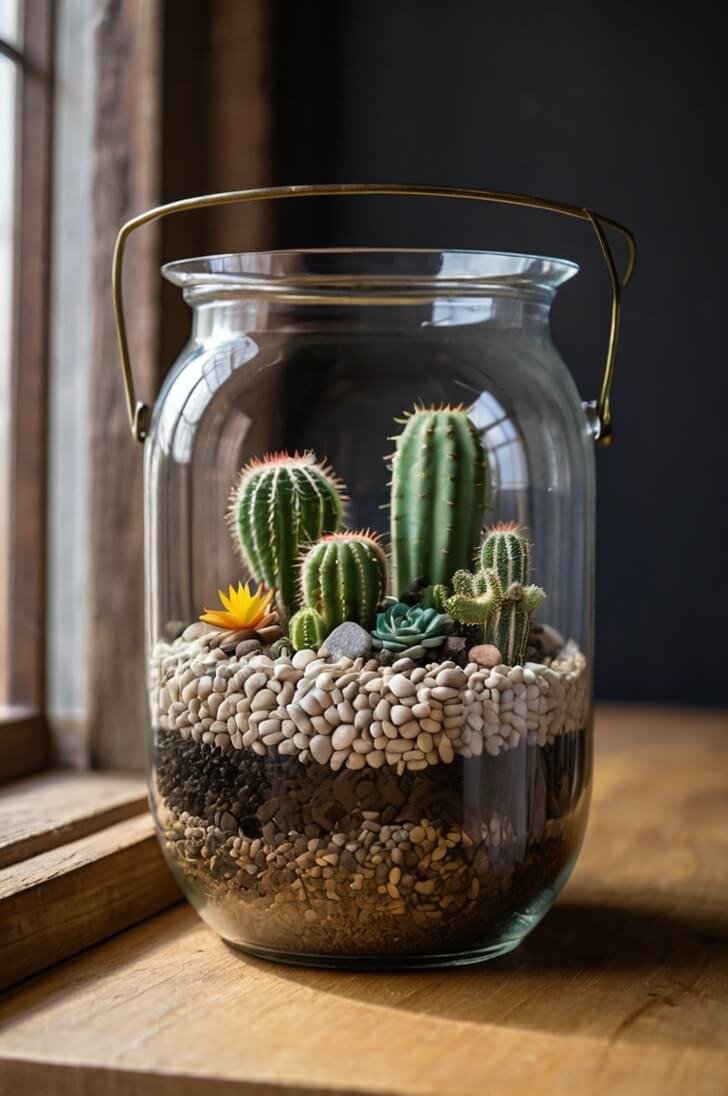
Imagine a tiny, sunlit world where time moves in slow motion, where the air is thick with the scent of earth and the quiet hum of life. This is the realm of the terrarium—a self-contained ecosystem that thrives in the smallest of spaces. Now, picture within this miniature garden a cluster of button-like cacti, their ribbed surfaces glowing with a soft, almost mystical sheen. These are Lophophora, the sacred peyote, but in their terrarium incarnation, they become something else entirely: guardians of a pocket-sized paradise. Cultivating Lophophora in terrariums is not merely a hobby; it’s an art form, a meditative practice, and a celebration of resilience in the most confined of spaces. Let’s embark on a journey through the enchanting world of these diminutive desert jewels and uncover the secrets to nurturing them in your own small-space sanctuary.
The Allure of Lophophora: Why These Desert Dwellers Captivate Us
Lophophora, often mistaken for mere cacti, are in fact living sculptures—each rib a testament to the slow, deliberate passage of years. Their flattened, spineless globes are a study in minimalist elegance, their pale blues and greens whispering of ancient deserts and hidden oases. Unlike their spiny cousins, these plants exude a serene, almost otherworldly presence, their surfaces smooth as polished stone yet alive with the promise of blooms. When cultivated in terrariums, they transform into living art, their slow growth a reminder of the beauty found in patience. There’s something deeply satisfying about watching a Lophophora unfurl its first petals, a fleeting moment of magic in an otherwise ordinary room.
Their appeal isn’t just visual; it’s tactile. To touch a Lophophora is to feel the whisper of history. Each specimen carries the weight of decades, its ribs etched with the stories of survival in harsh, arid landscapes. In a terrarium, they become a bridge between worlds—between the vast, untamed desert and the intimate, controlled environment of your home. They challenge us to slow down, to observe, to appreciate the quiet grandeur of life that thrives not in spite of confinement, but because of it.
Choosing the Right Terrarium: A Habitat Crafted for Perfection
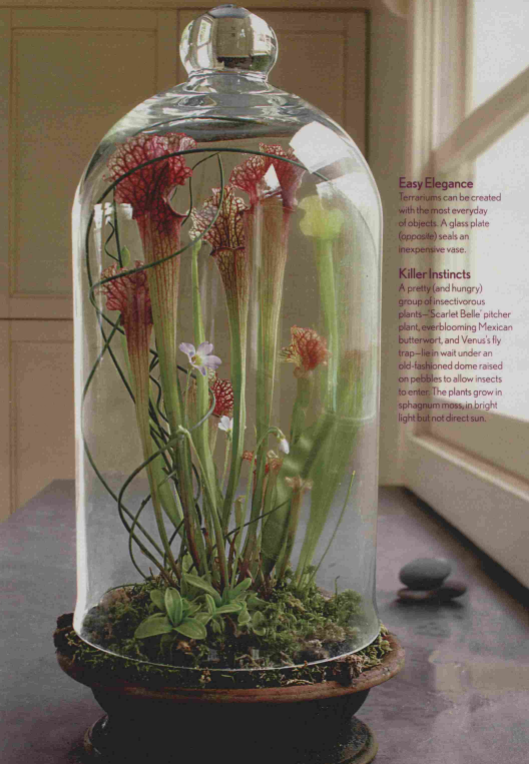
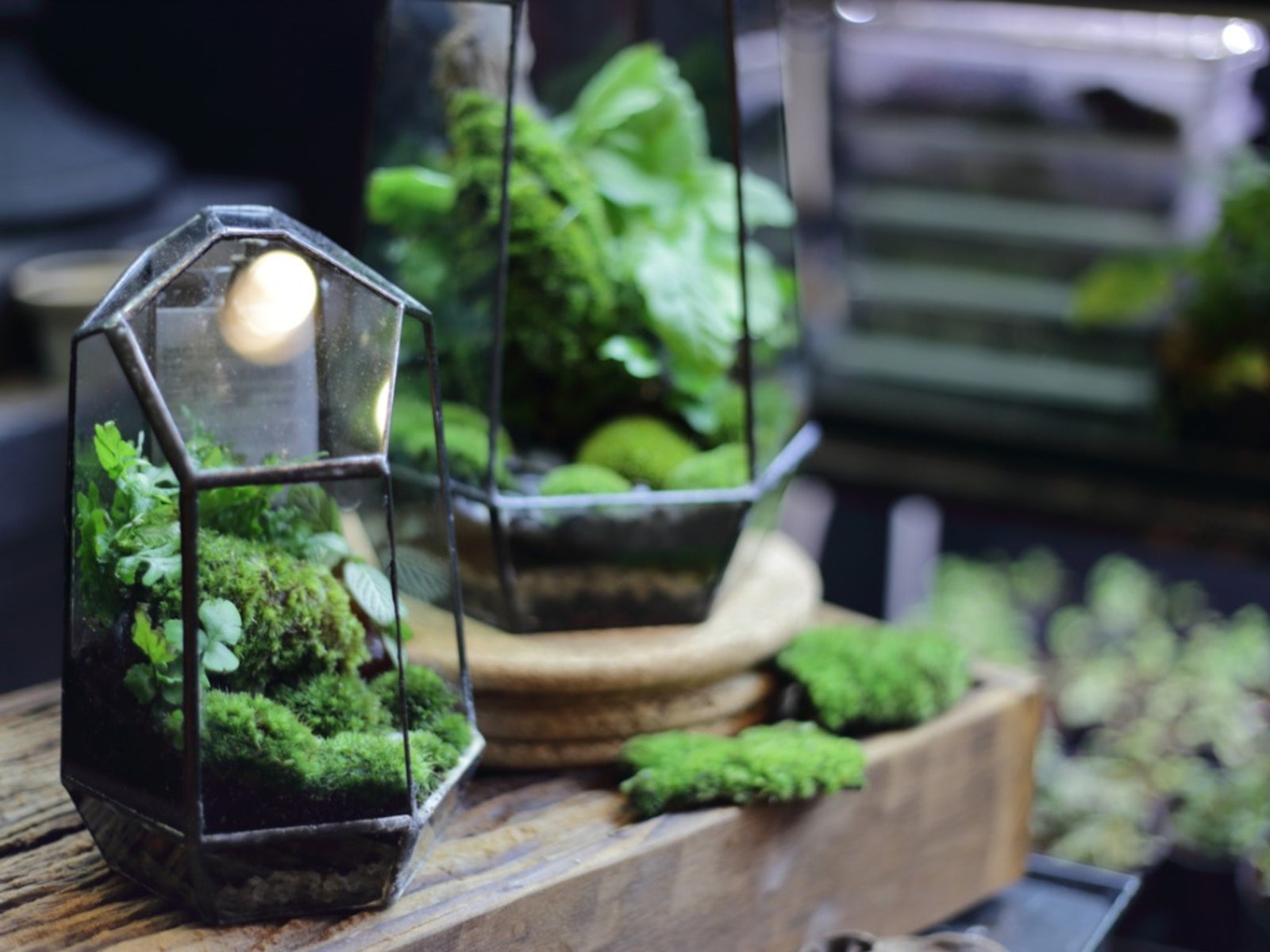
Not all terrariums are equal, and for Lophophora, the vessel matters as much as the contents. The ideal terrarium is a glass sanctuary that balances light, airflow, and humidity with the precision of a Swiss watch. Opt for a clear, unobstructed glass container—think of it as a crystal ball, but one that reveals the inner workings of a thriving micro-ecosystem. A lid is essential, not just for aesthetics but for creating a self-sustaining cycle of moisture. However, it must not be airtight; Lophophora despise stagnation, their roots craving the gentle kiss of fresh air.
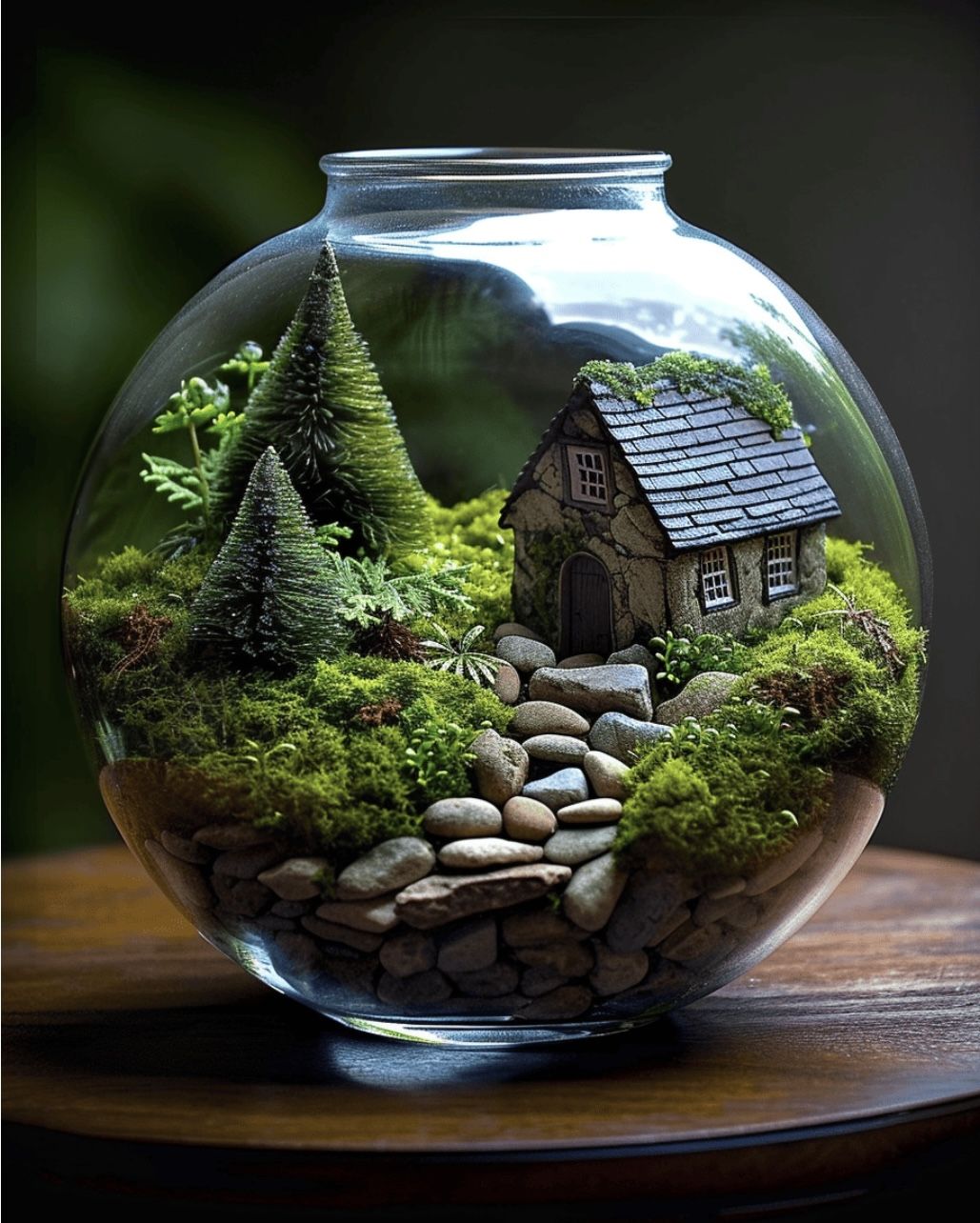
Size is another critical consideration. These plants are slow growers, and a terrarium that’s too large can lead to a swampy, inhospitable environment. A 5- to 10-liter container is ideal—a space just big enough to allow for growth without overwhelming the plant. The shape matters too. A wide, shallow terrarium mimics the natural spread of Lophophora in the wild, where they sprawl across rocky outcrops rather than reaching skyward. Consider a dome-shaped vessel for a more dramatic display, or a rectangular terrarium for a sleek, modern look. Whatever your choice, ensure it’s a home worthy of these desert royalty.
Substrate Alchemy: Crafting the Perfect Soil for Lophophora
The soil in a Lophophora terrarium isn’t just dirt; it’s a carefully curated blend of minerals and organic matter, a recipe for survival in miniature. Start with a base of coarse sand—think of it as the skeletal framework, the bones of your terrarium’s foundation. To this, add a layer of perlite or pumice, which improves drainage and prevents the dreaded root rot. A sprinkle of crushed limestone or oyster shell grit will provide the calcium these plants crave, mimicking the alkaline soils of their native habitats.
Organic matter should be minimal but intentional. A handful of coconut coir or a light dusting of peat moss can retain just enough moisture without suffocating the roots. The key is balance: a substrate that’s porous enough to let water drain freely but retains enough to keep the plant hydrated between waterings. Think of it as a desert riverbed—dry on the surface, but with hidden currents of moisture beneath. Test your mix by squeezing a handful; it should crumble apart easily, never clumping or retaining water like a sponge.
Light: The Golden Thread That Weaves Life into the Terrarium
Light is the lifeblood of any terrarium, and for Lophophora, it’s a delicate dance between too much and too little. These plants are sun-worshippers in their natural habitat, but in a terrarium, direct sunlight can scorch their delicate skins. Instead, opt for bright, indirect light—a south-facing window with a sheer curtain, or a grow light set to a 12-hour cycle. The goal is to mimic the dappled shade of a desert canyon, where the sun’s intensity is softened by the interplay of rocks and foliage.
Watch for signs of light stress: a yellowing or reddening of the ribs, or a stretching of the plant as it reaches for more light. If this happens, adjust your setup immediately. Conversely, a lack of light will leave your Lophophora pale and etiolated, its ribs stretched thin like a starving artist’s sketch. Rotate the terrarium regularly to ensure even growth, and consider supplementing with a full-spectrum LED light if natural light is scarce. Remember, light is not just energy; it’s the paintbrush with which you’ll bring your terrarium to life.
Water: The Art of Restraint in a Miniature World
Watering a Lophophora terrarium is less about quantity and more about finesse. These plants are drought-adapted survivors, their thick, ribbed bodies storing moisture like a camel’s hump. Overwatering is the fastest way to send them to an early grave, their roots drowning in a sea of their own making. Instead, adopt a “less is more” philosophy. Water sparingly—just enough to moisten the substrate, then allow it to dry out completely before watering again. A spray bottle is your best friend here, misting the soil lightly rather than soaking it.
The frequency of watering depends on your environment. In a humid terrarium, you may only need to water once a month. In a drier space, every two weeks might be necessary. The key is observation. Touch the soil; if it’s dry to the touch an inch below the surface, it’s time to water. If it’s damp, wait. Think of it as a slow-motion waltz—each step deliberate, each movement in harmony with the plant’s needs.
Temperature and Humidity: The Invisible Hand of Comfort
Lophophora thrive in conditions that mimic the Chihuahuan Desert: warm days, cool nights, and a humidity level that hovers between 30% and 50%. In a terrarium, this balance is easier to maintain than you might think. During the day, aim for temperatures between 70°F and 85°F (21°C to 29°C). At night, a slight drop to 60°F to 70°F (15°C to 21°C) will encourage healthy growth and prevent etiolation. If your home runs too cool, a small heat mat under the terrarium can provide the gentle warmth these plants crave.
Humidity is trickier to control but not impossible. A hygrometer is your ally here, helping you track moisture levels. If the air is too dry, a pebble tray filled with water beneath the terrarium can raise humidity slightly. If it’s too damp, crack the lid for a few hours each week to allow excess moisture to escape. The goal is a Goldilocks zone—not too hot, not too cold, not too wet, not too dry. It’s a delicate equilibrium, but one that rewards patience with vibrant, thriving plants.
Pruning and Maintenance: The Gentle Art of Shaping Life
Lophophora grow at a glacial pace, but they still require care to maintain their compact, symmetrical forms. Pruning is not about drastic cuts but about subtle refinements. Remove any offsets that threaten to overwhelm the main plant, and trim back any elongated ribs to encourage a more rounded shape. Use a sterilized knife or scissors, and always make clean cuts to prevent infection. Think of it as sculpting a bonsai—each snip a deliberate stroke that enhances the plant’s natural beauty.
Maintenance extends beyond pruning. Dust can accumulate on the ribs, dulling their natural glow. Gently wipe the plant with a soft brush or cloth to keep its surface pristine. Inspect the terrarium regularly for signs of pests—mealybugs or spider mites can be a nightmare in such a confined space. If you spot any intruders, act swiftly with a diluted neem oil solution or insecticidal soap. Prevention is always better than cure, so keep your tools and hands clean when working with your terrarium.
The Reward: A Living Masterpiece in Your Hands
There’s a profound joy in cultivating Lophophora in a terrarium—a sense of connection to the ancient rhythms of the desert, distilled into a space no larger than your palm. These plants are more than just flora; they’re living sculptures, each one a testament to the beauty of slow growth and quiet resilience. As they bloom, their delicate pink or white flowers unfurling like tiny stars in the night sky, you’ll realize that you’ve created something extraordinary: a pocket of the wild, tamed and nurtured in the heart of your home.
So, embrace the art of terrarium gardening. Let your Lophophora be the centerpiece of a miniature world where time slows, and beauty flourishes in the smallest of spaces. It’s not just about growing plants; it’s about cultivating a sanctuary, a moment of peace, and a reminder that even in confinement, life can thrive with grace and dignity.
FAQ
What is Lophophora?
Lophophora is a genus of flowering plants known for its button-like shape and is commonly referred to as peyote.
How often should I water Lophophora in a terrarium?
Water sparingly, allowing the soil to dry out completely before the next watering, which could be once a month in humid conditions.
FAQ
What is Lophophora?
Lophophora, commonly known as peyote, is a genus of cacti known for their button-like appearance and slow growth, often cultivated for ornamental purposes.
How do I care for Lophophora in a terrarium?
Care involves providing bright indirect light, ensuring proper drainage in the soil, and watering sparingly to prevent root rot.
Leave a Reply