

Short Answer
Have you ever wondered if it’s possible to coax nature into revealing a dazzling, never-before-seen bloom bursting forth from a humble cactus? The genus Echinopsis, known for its magnificent flowers, offers an exhilarating playground for hybridizers keen to push botanical boundaries. Yet, embarking on the quest to create unique Echinopsis varieties is both an art and a scientific challenge. What secret alchemies and techniques can transform these spiky succulents into living works of floral marvel? Let’s dive into the captivating world of Echinopsis hybridization and unravel how to craft extraordinary hybrids that captivate collectors and enthusiasts alike.
Understanding the Echinopsis Genus: The Canvas for Hybridization
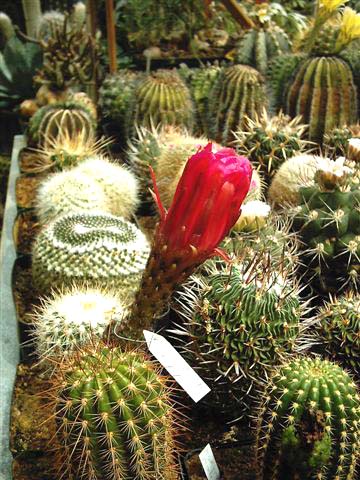
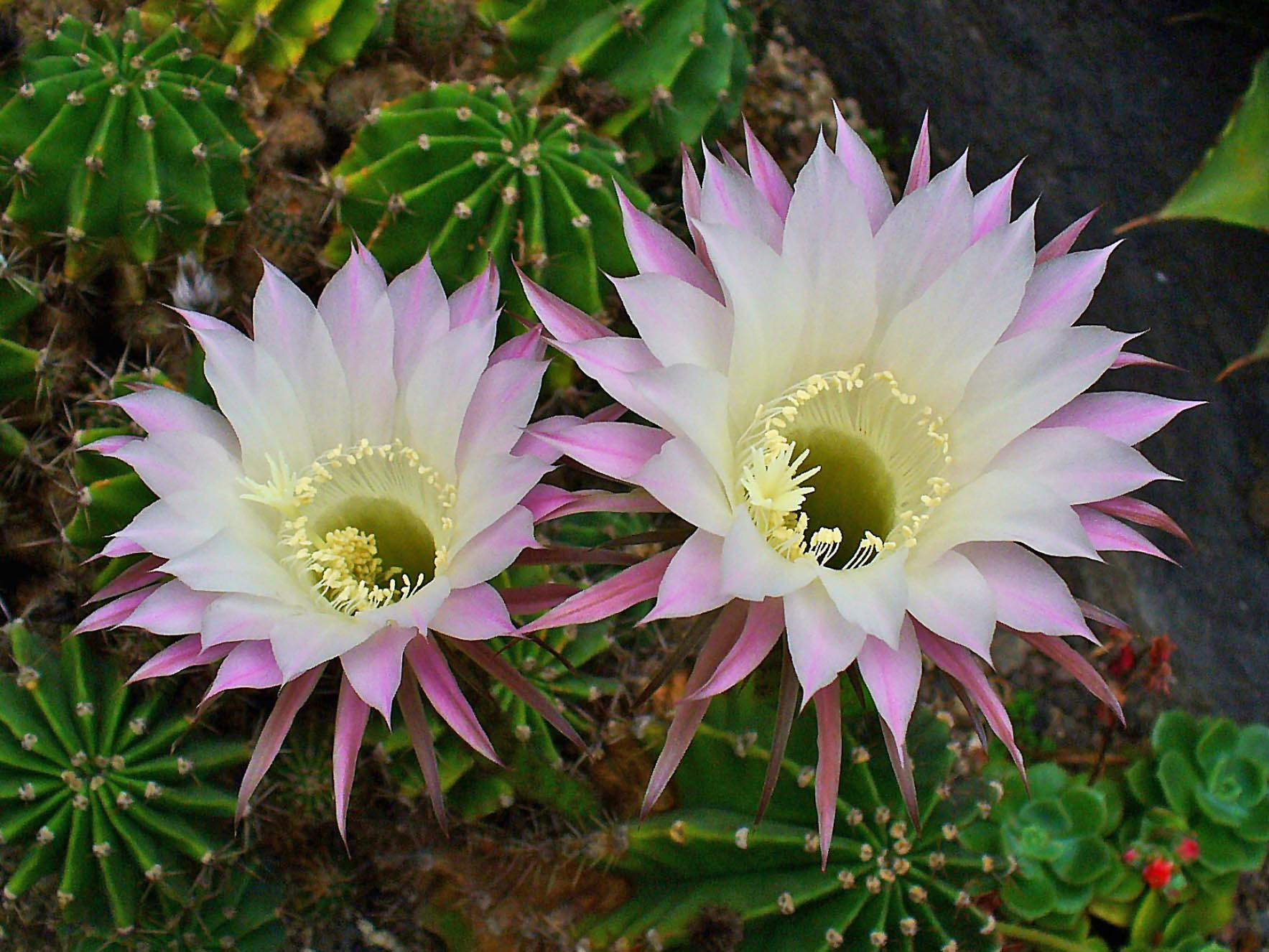
The genus Echinopsis encompasses a diverse group of cacti known for their large, vibrant, and often fragrant flowers. These plants originate from South America, thriving in arid environments. What makes Echinopsis a favored subject for hybridization is their genetic plasticity coupled with the spectacular floral display. However, the sheer variability in species and forms can pose a conundrum — which varieties to select for crossing to achieve truly distinctive results?
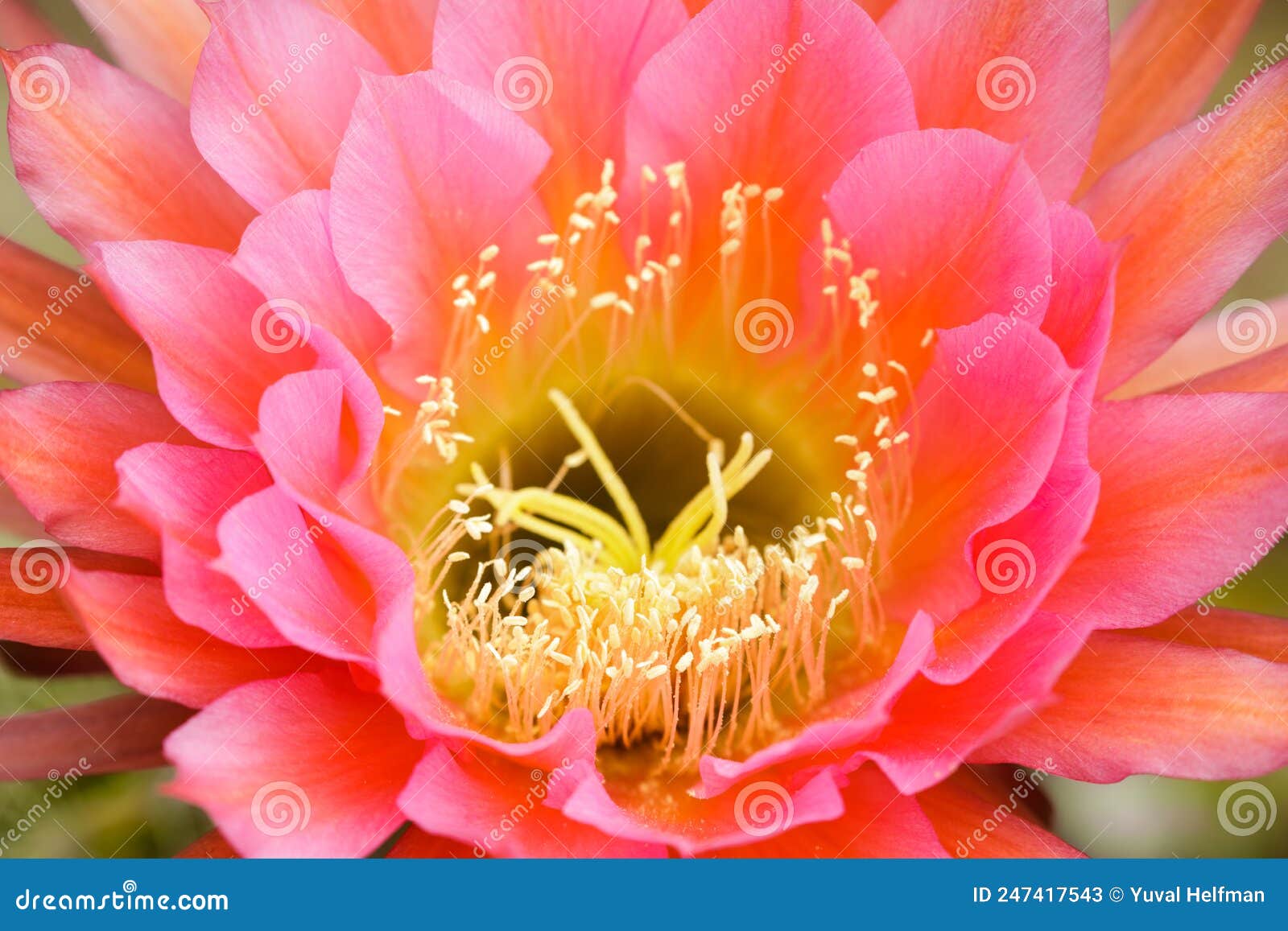
By mastering the characteristics of different species, from flower color, shape, size, to bloom duration, one can begin to visualize hybrid potentials. Some species flaunt ruffled florals in pastel shades, while others boast bold, saturated colors with intricate petal patterns. The allure lies in combining these traits to birth an unprecedented phenotype.
The Challenge of Compatibility: Overcoming Reproductive Barriers
Hybridization across different Echinopsis species is an endeavor rife with intricacies. While many species share compatible flowering times and genetic makeups, others differ in ploidy levels (number of chromosome sets), which can thwart straightforward cross-breeding. This biological disparity often presents a formidable barrier — the hybrid seeds may be inviable or produce weak offspring.
Hybridizers must therefore surmount these obstacles using strategic approaches. Selecting compatible parent plants with overlapping bloom periods is the first step. Sometimes, manual pollination during specific maturity windows or employing embryo rescue techniques in a laboratory setting becomes necessary to nurture hybrids that nature resists producing freely.
Methodologies: How to Perform Successful Echinopsis Crosses
The meticulous process of hybridizing Echinopsis entails precise execution and patience. Begin by identifying two parent plants exhibiting desirable traits—say, a vibrant red bloom and a scent-rich pale flower. As their flowers approach anthesis (peak bloom time), emasculate the female flower by carefully removing the anthers to prevent self-pollination.
Next, collect pollen from the male parent’s anthers and apply it delicately onto the stigma of the emasculated flower using a fine brush or cotton swab. Marking the pollinated flower with a tag helps in tracking potential fruit development. After successful pollination, the flower will often develop into a fruit containing seeds—a treasure trove of future hybrids.

From Seeds to Seedlings: Nurturing the Next Generation
Harvesting ripe seeds from the fruit is just the beginning. Germinating these seeds requires specific conditions: a sterile medium, warmth, and humidity to coax these tiny cacti into life. Patience is paramount, as germination can take several weeks, and the seedlings themselves grow slowly.
During this early phase, subtleties such as the choice of substrate, watering regimen, and light intensity significantly influence the vigor and eventual morphology of the plants. The goal is to maximize genetic expression, allowing hidden traits from both parents to manifest vividly. Vigilance for disease and pests during this vulnerable time cannot be overstated.
Genetic Engineering and Its Prospects in Echinopsis Hybridization
While traditional hybridization depends on sexual reproduction, contemporary techniques beckon the possibility of genetic engineering — manipulating the genetic material directly to induce desirable traits. Though less common and more complex in cacti compared to other plants, genetic engineering holds promise for overcoming natural barriers and speeding up trait incorporation.
Insertion of genes responsible for pigment biosynthesis or flower longevity could revolutionize how hybridizers approach cultivar development. Additionally, molecular markers have become invaluable in tracking gene inheritance and guiding selective breeding programs. Such biotechnological advances blend seamlessly with traditional methods to unlock unprecedented floral innovation.

Curating Unique Varieties: The Art of Selection and Stabilization
After a successful cross, the real excitement begins—evaluating the hybrid progeny for novelty and vigor. Each seedling is a botanical experiment, showcasing a blend of parental traits in varying permutations. Selection criteria might include flower size, color saturation, blooming period, and plant form.
Stabilizing these traits across successive generations requires deliberate backcrossing and self-pollination, gradually fixing the desired characters in the genetic makeup. This iterative process can span years but results in cultivars recognized for their uniqueness and reliability. Beyond the scientific, this phase embraces creativity, akin to an artist refining a masterpiece.
The Joy and Impact of Echinopsis Hybridization
Creating unique Echinopsis varieties isn’t merely about producing beautiful plants; it reshapes horticultural landscapes and fuels passionate communities. Hybridizers contribute to biodiversity, enrich garden aesthetics, and inspire ecological appreciation. Each novel bloom is a testament to human curiosity and the delicate harmonies of genetics.
Moreover, sharing these unique cultivars invigorates knowledge exchange, cultivates conservation awareness, and builds a legacy for future generations of plant enthusiasts. The challenge of blending science, patience, and artistry in Echinopsis hybridization ultimately rewards the daring with flowers that transcend ordinary beauty, ushering in a new botanical renaissance.
FAQ
What is Echinopsis hybridization?
Echinopsis hybridization is the process of cross-breeding different species of Echinopsis cacti to create unique floral varieties with distinct characteristics.
What are the challenges in hybridizing Echinopsis?
Challenges include compatibility issues between species, differences in blooming times, and genetic barriers that may lead to inviable seeds or weak offspring.
How can I successfully hybridize Echinopsis cacti?
Successful hybridization involves selecting compatible parent plants, manual pollination, and nurturing the resulting seeds under optimal conditions.
Leave a Reply