
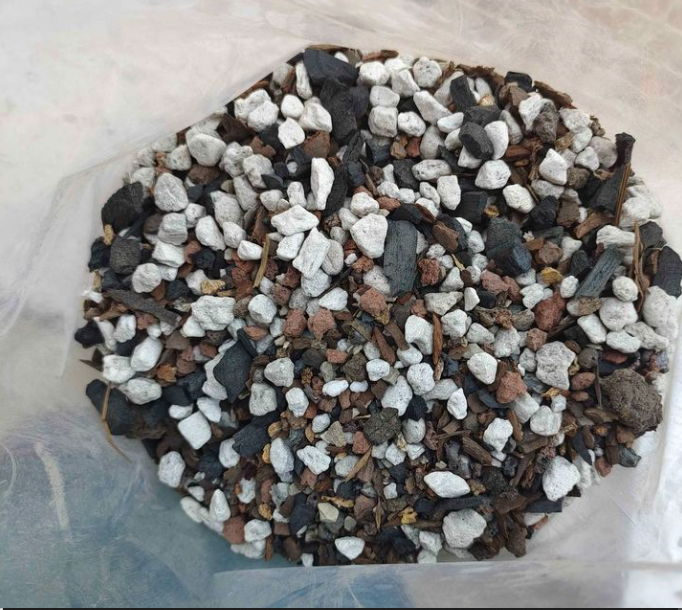
Short Answer
Cacti are exquisite exemplars of resilience, thriving in arid environments where most plants would wither. However, their success indoors or in a garden is intricately tied to one crucial element—soil. The right soil acts as the foundation of vitality, dictating water retention, aeration, and nutrient availability. Understanding the best soil for cactus is pivotal for anyone wishing to cultivate these fascinating succulents. This article winds through the essential qualities of ideal cactus soil, the materials to favor or shun, and practical steps to ensure your cacti flourish with robust health and enduring charm.
The Anatomy of Ideal Cactus Soil
At the core of optimal cactus soil lies a blend that ensures rapid drainage, vigorous aeration, and adequate nutrient support. Unlike conventional garden soil that retains moisture, cactus soil must mimic the desert terrain—well-drained and slightly gritty. This avoids waterlogging, which is the nemesis of these drought-adapted plants. A felicitous mixture combines mineral components such as sand, pumice, or perlite with organic matter, creating a harmonious balance that prevents root rot while sustaining essential minerals.

The aeration conferred by mineral particles invigorates the roots by preventing suffocation, while organic components like coco coir or peat moss contribute a modest reservoir of nutrients. This juxtaposition is what makes cactus soil uniquely suited, nurturing a verdant yet drought-resilient root system.
Components to Embrace: Types of Substrates for Cactus Soil
Breaking down these components reveals the virtues of several soil amendments:
- Coarse Sand: Essential for enhancing drainage and preventing compaction. It establishes a skeletal framework for soil, allowing water to percolate freely rather than pooling around roots.
- Perlite and Pumice: These volcanic materials introduce porosity and lightweight texture to the mix. Both are invaluable in keeping soil loose, thereby enhancing oxygen flow to roots.
- Gravel and Grit: Particularly favored by collectors of desert succulents, adding tiny gravel pieces replicates natural rocky soils and ensures superior drainage.
- Organic Matter (Limited): Coconut coir or well-composted leaf mold provide slow-release nutrients without trapping excessive moisture. Peat moss, while occasionally used, must be carefully moderated due to its tendency to retain water.
To capture the essence: the recipe calls for a majority of mineral, inorganic matter paired with minimal organic content.
What to Avoid: Soil Ingredients That Spell Trouble for Cacti
The wrong soil can be detrimental—turning your thriving cactus into a struggling shadow of itself. It is paramount to avoid these pitfalls:
- Heavy Clay Soils: Dense, clayey soils retain moisture and reduce aeration, which breeds fungal infections and root rot.
- Standard Potting Soil: Designed for moisture-loving plants, it holds too much water and lacks the gritty texture cacti require.
- Excessive Organic Material: While organic matter is beneficial, high quantities—especially fresh compost or manure—can hold too much moisture and may harbor pathogens.
- Peat Moss Overuse: Peat is acidic and water-retentive. Overreliance can suffocate roots and alter soil pH unfavorably.
A vigilant avoidance of these soil properties ensures your cacti remain aerated and dry enough to thrive.
Specialty Cactus Soil Mixes: Convenience Meets Customization
For those seeking simplicity, commercially available cactus or succulent soil mixes provide a convenient starting point. These formulations usually incorporate coarse sand, perlite or pumice, and a balanced fraction of organic matter. However, not all store-bought mixes are created equal. Scrutiny into ingredient lists can redefine success, as some blends still contain hidden components unsuited for cacti’s precise needs.
Those with horticultural zeal often joyfully customize these mixes—adding more grit or volcanic rock to amplify drainage. Modulating ratios according to specific species—like desert cacti versus tropical succulents—can yield appreciable enhancements in plant health.
DIY Guidelines: Crafting Your Own Cactus Soil Blend
For the intrepid grower, assembling bespoke cactus soil is a gratifying endeavor. Follow a tried-and-true formula for a well-balanced medium:
- 50% coarse sand or builder’s sand (washed to remove salts)
- 25% perlite or pumice for aeration
- 25% organic matter such as coconut coir or peat moss, used sparingly
Begin by sterilizing your organic components to mitigate disease risk. Thoroughly combine dry ingredients first, then moisten slightly before potting. This preparation ensures the soil does not clump and retains proper structure once watered.

Such an approach offers complete control over texture, drainage, and nutrient management—elevating your cactus cultivation from a hobby to a crafting art.
Indicators of Poor Soil and How to Remedy Them
Even with care, soil conditions may deteriorate. Common red flags include:
- Persistent wetness or sogginess; indicating inadequate drainage.
- Mold or fungal growth; a signal of excessive moisture or organic decay.
- Yellowing or dropping cactus pads; often symptomatic of root stress due to poor soil aeration.
Should these symptoms arise, repotting with fresh, well-draining soil is imperative. Gently washing the roots to remove old soil can also arrest fungal infections and restore vigor. Choosing pots with adequate drainage holes and elevating them to avoid water pooling further complements healthy soil conditions.
Conclusion: Soil as the Silent Partner in Cactus Cultivation
The soil beneath your cactus is not merely a habitat but an active participant in its survival tale. Mastery over soil composition—knowing what to embrace and what to eschew—empowers you to nurture spiny companions that captivate with their stark beauty. By emulating their natural arid substrates through balanced mineral and organic blends, honoring drainage and aeration prerequisites, and vigilantly observing for soil health, you lay the groundwork for a thriving cactus collection.
With these insights, your garden or indoor sanctuary can be transformed into a veritable desert oasis, where cacti not only survive but flourish with untamed elegance.
FAQ
What is the best soil for cacti?
The best soil for cacti is a well-draining mix that includes coarse sand, perlite or pumice, and limited organic matter.
What materials should I avoid in cactus soil?
Avoid heavy clay soils, standard potting soil, and excessive organic materials that retain moisture.

Leave a Reply