

Short Answer
There’s an undeniable allure to cactus gardens—a magnetic charm rooted deep in the stark, resilient beauty of desert landscapes. On the surface, cacti seem austere and unyielding, yet their forms tell stories of adaptation, survival, and surprising elegance. This undeniable fascination transcends mere landscaping trends; it taps into something primal, the celebration of endurance amidst adversity. Creating a cactus garden is more than planting succulents—it’s an artful crafting of a living tableau that balances minimalism with vibrancy, austerity with exuberance. If you’ve ever wondered how to translate that captivating spirit of the desert into your own backyard, the following guide will ignite your creativity and help you design a stunning desert landscape that’s uniquely yours.
The Timeless Appeal of the Cactus Garden
There’s something poetic about the cactus garden’s rugged charm. Unlike lush, temperate gardens that bask in abundance, desert landscaping challenges notions of beauty by embracing scarcity and resilience. The cactus, with its spiny armor and sculptural silhouettes, embodies an elegant form of survival. This juxtaposition of hardness and grace captivates the observer’s gaze, offering a visual meditation on tenacity and simplicity.
The reasons for our fascination with cactus gardens may be psychological as well. There’s a metaphorical comfort in witnessing life thrive in ‘impossible’ conditions. It encourages a mindset of resourcefulness and calm, resonating with the desire to find beauty in austere environs. When incorporated thoughtfully, a cactus garden becomes not just a design choice but an emblem of perseverance and understated elegance right in your outdoor space.
Choosing the Right Cacti: Diversity and Statement Plants
Cactus species offer an astonishing diversity of shapes, sizes, and colors that can be orchestrated into a living composition. From towering saguaros and columnar organ pipe cacti to compact pincushions and globular barrel cacti, the palette is rich and inviting. Selecting your key plants—your statement cacti—is the cornerstone of a stunning desert garden.
Look for species that offer architectural impact and variations in texture. For instance, the saguaro’s iconic arms command attention and vertical drama, while the prickly pear’s flat paddles introduce a softer, yet spiny texture. The majestic, flowering cholla can bring unexpected bursts of life during blooming season. Each variety plays a role in capturing the essence of a desert landscape.

Design Principles: Minimalism Meets Natural Rhythm
The magic of cactus gardens often emerges from a delicate balance between minimalism and the organic rhythms of nature. Desert landscaping isn’t about overcrowding; it’s about strategic placement that lets each plant’s form breathe and be appreciated. Think of your garden as an artistic canvas, where negative space enhances the visual impact of each succulent sculpture.
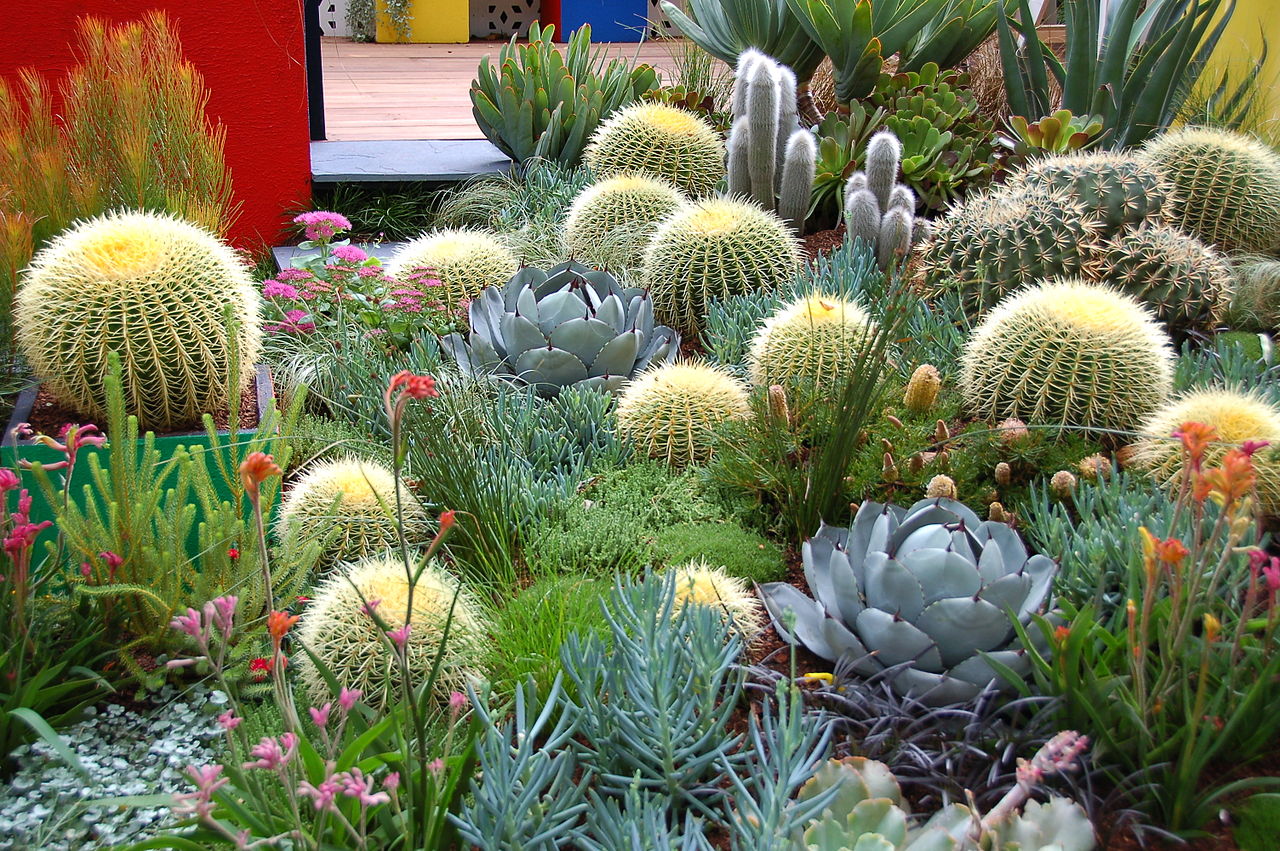
Integrate principles of asymmetry and repetition. Cluster similar species to create textural continuity, but avoid uniform rows that can feel artificial. Instead, mimic natural growth patterns: some plants standing tall and solitary, others grouped close, interspersed with open gravel areas or patches of desert wildflowers for contrast. This approach provides a serene, meditative atmosphere that invites quiet contemplation.
Soil, Sunlight, and Environmental Considerations
Desert plants aren’t just beautiful; they’re survivors honed by harsh climates. To replicate their natural habitat, proper environmental conditions are essential. Cacti thrive in well-draining, sandy or rocky soil, essential to prevent root rot. Amending your garden bed with coarse sand, gravel, or decomposed granite can simulate the desert floor, ensuring excess moisture quickly drains away.
Sunlight is another critical factor. Most cacti demand full sun exposure—at least six hours a day. However, younger or potted specimens may require gradual acclimatization to intense light to avoid sunburn. Incorporating structures like mesquite or palo verde trees can provide dappled shade zones if your climate is particularly harsh, creating microhabitats for species with differing light preferences.
Watering Wisdom: Embracing the Art of Restraint
Perhaps the most counterintuitive aspect of cactus gardening is the watering philosophy. Desert landscapes teach us that less is more. Overwatering is the arch-enemy of succulents, often leading to fungal infections or root decay. Instead, adopt a minimalist watering regimen that mirrors natural desert rains—sporadic but deep.
Water the garden only when the soil is completely dry. Deep thorough watering encourages roots to grow deeper, increasing drought resistance. During cooler months, watering can be reduced drastically or even halted, as many desert species enter dormancy and require minimal moisture. Mastering this artful restraint not only preserves plant health but also reinforces the authentic desert atmosphere.
Accentuating Your Cactus Garden with Complementary Elements
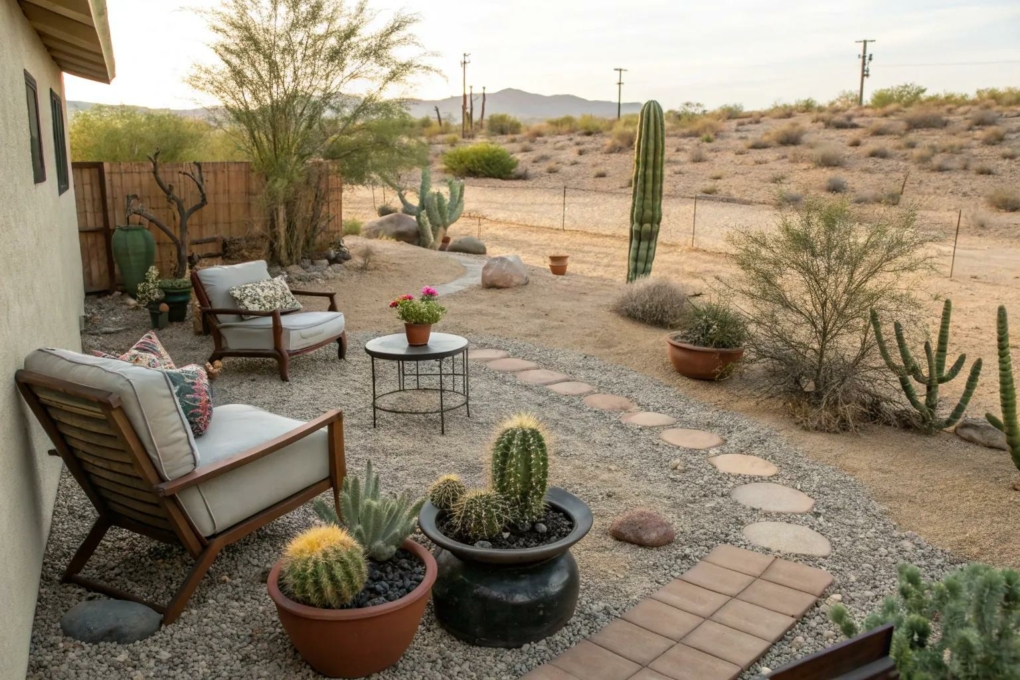
A truly breathtaking cactus garden harmonizes plant life with carefully chosen auxiliary elements. Textural contrast can be brought in through natural stone pathways, rusted metal sculptures, or weathered wooden accents. These elements imbue the space with an additional layer of tactile interest while maintaining the desert’s raw aesthetic.
Consider incorporating native grasses or desert wildflowers like desert marigold or penstemon to punctuate the cacti with seasonal color. Rock gardens, dry riverbeds lined with pebbles, and strategically placed boulders enhance the naturalistic feel. Low-maintenance ground covers such as creeping thyme or stonecrop add subtle greenery without disrupting the minimalist ethos.
Seasonal Interest and Blooming Highlights
While cacti are often associated with muted earthy tones, many species surprise with vibrant and ephemeral blooms. Flowers ranging from radiant yellows and fiery reds to delicate pinks and whites burst forth in enchanting contrast to spiny silhouettes. Planning your garden with bloom sequences in mind can keep your desert landscape visually dynamic throughout the year.
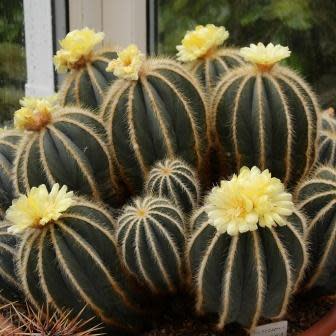
Some favorite flowering cacti include the Christmas cactus, which offers stunning winter blooms, and the Echinopsis, known for large, fragrant night blossoms. Even the often-underappreciated barrel cactus displays golden flowers in spring. Creating a garden timeline that encourages staggered flowering ensures a continuous spectacle of color and fragrance, elevating the sensory experience.
Maintenance: A Gentle Touch for Enduring Beauty
Maintaining a cactus garden requires a gentle yet observant approach. Pruning is seldom needed, but removing spent flowers or damaged pads can improve appearance and plant health. Watch carefully for pests like mealybugs or spider mites, which occasionally plague cacti. These can be managed with organic insecticidal soaps or natural predators, preserving the garden’s ecological balance.
Regularly refresh the gravel or mulch layer to suppress weeds and regulate soil temperature. While cacti are low-maintenance, a watchful gardener enhances longevity through attentive seasonal care, ensuring that the desert tableau remains vibrant, sculptural, and inviting for years to come.
Creating Your Personal Desert Sanctuary
Ultimately, a cactus garden transcends utilitarian landscape design—it is a personal sanctuary where artistry and nature converge. By weaving together the elements of diverse cacti species, minimalist design, thoughtful environmental mimicry, and subtle accents, you craft a living testament to resilience and beauty. It becomes a space not only for admiration but for reflection, reminding us that even in the most barren places, life flourishes with breathtaking grace.
Embark on your desert landscape journey with enthusiasm and patience. Each cactus you plant is a chapter in an unfolding story—one that celebrates the raw elegance of the desert and invites you to revel in the quiet spectacle of survival and splendor.
FAQ
What are the best types of cacti for a cactus garden?
Some of the best types include the saguaro, prickly pear, and flowering cholla, which offer diverse shapes and colors.
How do I maintain a cactus garden?
Maintain a cactus garden by ensuring proper watering, using well-draining soil, and monitoring for pests.
Leave a Reply