
Short Answer
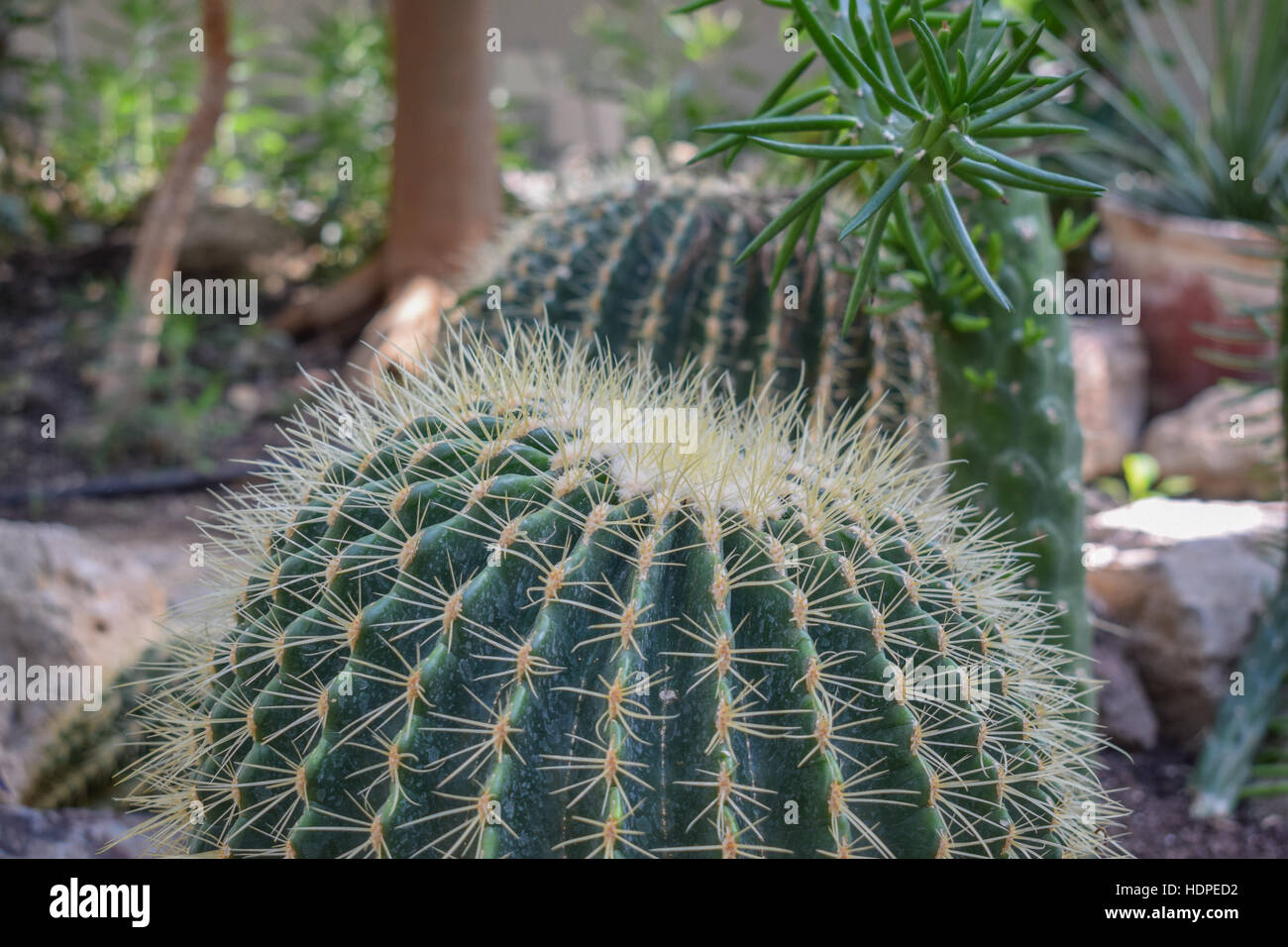
Repotting a Parodia cactus is both an art and a science—one that ensures this fascinating plant continues to thrive with vibrant health and resilient roots. Known for its charming globular shape and striking spines, the Parodia is a favorite among cactus enthusiasts. However, to maintain its robust growth and prevent root rot or stagnation, repotting is essential every few years. Dive into these tips and techniques that will not only guide you through the repotting process but also enrich your understanding of fostering enduring vitality in Parodia.
Recognizing the Ideal Time to Repot Parodia
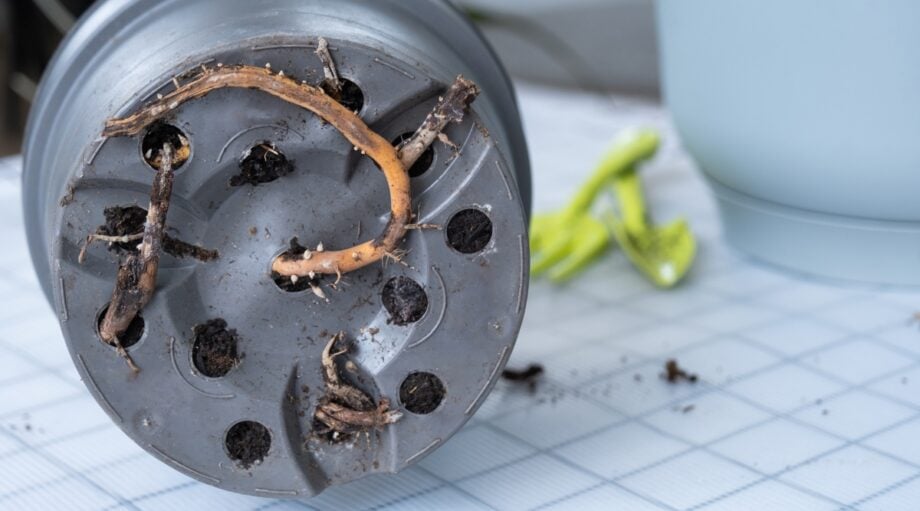
Timing is pivotal when it comes to repotting your Parodia cactus. Ideally, the best period is during the cactus’s active growth phase—usually in the spring or early summer. This ensures the plant is vigorous enough to recover from transplantation stress. Signs that your cactus needs repotting include visible root crowding, slowed growth, or soil that dries out too quickly. Additionally, watch for roots emerging from drainage holes or a tilted, unstable plant. Avoid repotting during dormancy (late fall to winter) as this can interrupt natural rest cycles and cause unnecessary stress.
Selecting the Optimal Pot and Growing Medium
Choosing the right container is far from trivial. Parodia cacti thrive in pots that provide excellent drainage while allowing roots some breathing room. Terracotta or unglazed ceramic pots are excellent choices due to their porous nature, which minimizes water retention and prevents fungal complications. Ensure the pot size is only slightly larger—about 1-2 inches wider in diameter—to prevent excess soil moisture.
The soil medium must be airy and well-draining. A specialized cactus mix, often composed of coarse sand, perlite, pumice, and organic compost, provides the ideal environment. This blend retains enough moisture but dries expediently, mimicking the Parodia’s native arid habitat. Avoid heavy garden soils or potting mixes high in organic content, as these promote root rot.

Preparing Your Parodia for Repotting
Before starting, gently remove the Parodia from its current container. Wearing thick gloves or using folded newspaper wrapped around the cactus can protect your hands from spines. Tap the pot’s sides to loosen compacted soil. Carefully tease the root ball free, inspecting the roots thoroughly for signs of rot, discoloration, or dryness. Healthy roots appear plump and pale, while damaged roots are mushy and darkened. Prune any offending roots with sterilized scissors to prevent future decay.
Stepwise Repotting Technique for Root Health
Once the plant is free, place a layer of your prepared soil mix at the bottom of the new pot. Position the Parodia centrally, slightly elevating it so the base of the stem is just above the soil surface—this prevents stem rot from excessive moisture contact. Gradually fill in around the roots, lightly compressing the substrate to stabilize but never compacting harshly. Leave a small gap at the top for water application.
To encourage root establishment, avoid watering immediately after repotting. Allow the Parodia to settle for 5–7 days before the first soak. This resting period lets minor root damage heal and reduces fungal infection risks. Once watering begins, maintain a balanced approach—allow soil to dry completely between watering sessions, reflecting the cactus’s natural drought tolerance.
Maintaining Root and Plant Health Post-Repotting
Post-repotting care is crucial to support your Parodia’s recovery and growth. Place the plant in a location where it can receive bright, indirect sunlight—too intense a light right after repotting can cause stress. Gradually reintroduce it to full sun over several weeks. Keep an eye on humidity levels; a dry environment mimics the cactus’s natural habitat and restricts fungal proliferation.
Furthermore, consider supplementing with a diluted cactus fertilizer during the growing season, but only after observing signs of renewed growth. Overfertilization can lead to nutrient burn, especially for young roots reestablishing themselves. Consistent monitoring for pests such as mealybugs or spider mites is also important, as stressed plants may be more susceptible.
Common Pitfalls and How to Avoid Them
There are several frequent errors that can jeopardize your Parodia’s health during and after repotting. Overwatering remains the paramount cause of root rot—ensure your soil and watering schedule mitigate this risk thoroughly. Avoid using oversized pots or dense soil, as these conditions retain water longer than the roots prefer.
Another common misstep is aggressive root pruning. While removing dead roots is beneficial, excessive cutting can stunt growth and delay recovery. Always sterilize cutting tools to prevent pathogen transmission. Lastly, repotting too frequently can unnecessarily disturb root system stability; patience is key.
Advanced Techniques: Using Root Hormones and Protective Treatments
For those inclined to elevate their repotting practice, applying root growth hormones can encourage rapid root regeneration after pruning. These auxin-based products stimulate cell division, fostering resilient root systems. Additionally, dusting cut root ends with powdered fungicides before repotting helps preempt fungal attacks, particularly in humid climates.
While these methods are optional, they can be invaluable for hobbyists aiming for optimal root vitality or salvaging stressed Parodia specimens. Always apply such treatments with care and according to manufacturer instructions, preserving the delicate balance between intervention and natural growth.
Conclusion: Cultivating Longevity Through Mindful Repotting
Repotting your Parodia cactus is more than a routine horticultural task—it is an opportunity to rejuvenate its foundation and secure flourishing years ahead. Understanding the nuances of timing, pot selection, soil composition, and post-repot care transforms this process into a celebration of plant stewardship. Embrace patience and attentiveness, providing your Parodia with roots as resilient and captivating as its iconic form. The reward is a thriving cactus that gracefully adorns your collection season after season.
FAQ
When is the best time to repot a Parodia cactus?
The best time to repot a Parodia cactus is during its active growth phase, typically in spring or early summer.
What type of soil should I use for repotting?
Use a well-draining cactus mix that includes coarse sand, perlite, and pumice.
How often should I repot my Parodia cactus?
Repot every few years or when you notice root crowding or other signs of stress.

Leave a Reply