
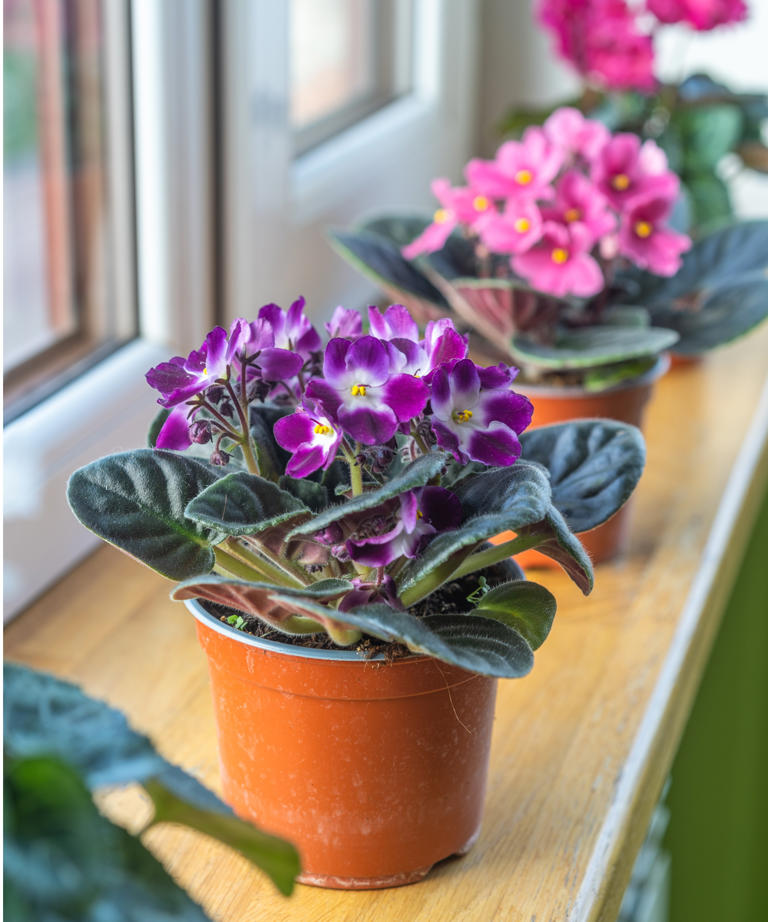
Short Answer
There is something quietly mesmerising about the Parodia cactus when it bursts into bloom. These delicate yet resilient desert dwellers captivate gardeners and enthusiasts alike. Often admired for their vibrant yellow blossoms that seemingly defy their spiky exteriors, Parodia flowers evoke a deeper fascination—an enchanting juxtaposition of toughness and fragility, resilience and exuberance. But encouraging these captivating blooms requires more than just casual watering—it demands a careful blend of knowledge, patience, and understanding of the plant’s intrinsic life cycle. This exploration delves into the essential techniques and nuanced care that transform a humble Parodia into a radiant spectacle of nature’s artistry.
Understanding the Intrinsic Cycle of Parodia Flowering
Parodia cacti, native to the high-altitude grasslands and rocky terrains of South America, have evolved complex mechanisms to thrive under demanding conditions. The flowering phase is not random but a well-orchestrated response to their environment’s seasonal cues. Recognizing this cycle can unveil the mysteries behind their blooming behavior. During their dormancy, usually in colder months, Parodia cacti conserve energy and strengthen their core. The transition from dormancy to active growth is signaled by increasing daylight and warming temperatures, which simultaneously triggers flower bud formation.

The fascination lies not just in their floral display but in how these seemingly tough succulents respond passionately to subtle climate shifts—a silent whisper from nature prompting the burst of color.
Optimizing Light Conditions: The Lifeblood of Bloom Initiation
Light acts as the fundamental catalyst for photosynthesis and hormonal changes that precipitate flowering. Parodia cacti demand abundant yet diffused sunlight to flourish. Direct, harsh sunlight can scorch their delicate epidermis, while insufficient light results in etiolation and sparse or absent blooms.
Position your Parodia near a south-facing window or a location receiving at least four to six hours of bright, indirect sunlight daily. In regions with intense summer sun, filtered light through sheer curtains offers an optimal balance. The interplay of light intensity and duration modulates flowering hormones such as florigen, orchestrating the grand floral display.
Watering Regimen: Unlocking the Secret to Prosperous Blooms
A common misstep among Parodia cultivators is inconsistent watering. This succulent’s roots demand moisture without drowning. An equilibrium must be struck—overwatering leads to root rot, while under-watering stresses the plant and stifles bloom formation.
During the growing season, typically spring through summer, water moderately when the soil surface is dry to the touch. Deep saturation encourages robust root systems, essential for supporting heavy floral loads. Conversely, reduce watering significantly during the plant’s winter dormancy to mimic its natural arid habitat, allowing rest and energy conservation.
Soil Composition: The Bedrock of Floral Success
Parodia cacti thrive in a terrain that accedes rapid drainage, preventing moisture retention around its roots. The ideal substrate should blend gritty sand, perlite, and organic matter to mimic its rugged native soils.
Implementing a soil mix high in mineral content and low in organic detritus facilitates oxygenation and discourages pathogenic growth. This granular, fast-draining medium encourages root health—a non-negotiable prerequisite for engaging in the energy-intensive process of flowering.
Temperature and Humidity: Cultivating a Desert Microclimate
The thermal and humidity parameters play a subtle yet decisive role. Parodia cacti are accustomed to diurnal temperature fluctuations and low atmospheric moisture. Daytime warmth between 70°F and 85°F (21°C to 29°C) coupled with cooler nights around 50°F to 60°F (10°C to 15°C) are ideal.
Elevated humidity levels can suppress blooming and encourage fungal issues. Maintaining dry air—akin to its native grassland expanses—stimulates the cactus’s physiological processes that culminate in flowering.
Feeding Fluids: Fertilizer Choices to Amplify Flowering Potential
Nutritional supplementation is often overlooked yet vital. Parodia’s flowering stamina hinges on balanced nutrients, particularly those that catalyze bloom production. A fertilizer rich in phosphorus and potassium, coupled with moderate nitrogen, promotes robust bloom clusters and vivid coloration.

Applying a diluted, water-soluble cactus fertilizer once every four to six weeks during the growing season can bolster the plant’s vigor. Excessive nitrogen bursts lush foliage growth at the expense of flowers, so patience in this delicate feeding dance yields more spectacular floral harvests.
Pruning and Potting: Sculpting for Optimal Flower Display
While Parodia cacti do not require aggressive pruning, removing damaged or spent growth can channel energy effectively toward new flower buds. Repotting every two to three years, preferably in early spring, refreshes the growing medium and enhances root aeration.
Choosing an adequately sized pot with ample drainage holes ensures the roots are not cramped, preventing stress-induced flowering suppression. A thoughtful balance between container size and root spread encourages harmonious growth and blooming exuberance.
Environmental Stresses: How Challenges Spark Floral Brilliance
Interestingly, slight environmental stresses can prompt a dramatic flowering response in Parodia cacti. Mild water stress or a brief reduction in temperature mimics natural adversity, coaxing the plant to reproduce via flowers—a survival instinct encoded in its DNA.
These controlled hardships act as a fragrant clarion call, stimulating the cactus to invest energy into its most vital biological mission: reproduction. Hence, some gardeners purposefully vary watering schedules or simulate cooler nights to spark this response, adding a dimension of intentional horticultural artistry.
Concluding Reflections: The Allure of Parodia’s Floral Symphony
To witness a Parodia cactus in full bloom is to encounter a symphony of life and adaptation, a testament to nature’s finesse. Encouraging these extraordinary displays requires more than routine care—it demands an empathetic dialogue with the plant’s needs and rhythms. By mastering light exposure, watering, soil composition, temperature, fertilization, and subtle stress inductions, gardeners unlock the secret to transforming these prickly sentinels into vibrant ambassadors of desert beauty.
The allure of the Parodia’s flowering lies not solely in its golden spectacle but in the profound narrative of resilience and harmony it reveals—inviting a deeper appreciation of botanical wonder and the timeless dance between environment and life.
FAQ
How often should I water my Parodia cactus?
Water moderately when the soil surface is dry during the growing season, and reduce watering significantly during winter dormancy.
What soil mix is best for Parodia cacti?
A mix of gritty sand, perlite, and organic matter is ideal to ensure rapid drainage and prevent moisture retention.
What temperature is best for flowering in Parodia cacti?
Daytime temperatures between 70°F and 85°F with cooler nights around 50°F to 60°F are optimal for flowering.

Leave a Reply