
Short Answer
Have you ever pondered how to infuse a hint of whimsy and resilience into your rock garden? Stenocactus, with its undulating ribs and captivating form, presents a playful challenge: how do you sculpt a natural masterpiece that not only thrives but dazzles amid rugged stones and harsh textures? Rock gardens beckon with their promise of low maintenance and high visual intrigue, yet successfully integrating a Stenocactus requires a thoughtful approach that balances the plant’s unique needs with the rugged aesthetic of xeriscaping.
Understanding Stenocactus: Nature’s Curly Wonder
Before diving into design strategies, it’s vital to appreciate what makes Stenocactus a gem in rock gardening. This genus of cacti is famed for its intricately corrugated ribs, almost like concentric waves frozen in time. Unlike more spiny, forbidding succulents, Stenocactus often exhibits a softer, more sculptural appeal, making it a charming focal point. Native to arid regions of Mexico, these plants thrive in conditions that mimic their natural habitat—well-drained soils, ample sunlight, and sparse water.
One captivating characteristic is their seasonal blooming—delicate flowers in shades of white, yellow, or pink emerge amidst their ridges, offering a surprising flare of color amidst the stone. Their relatively compact size enables placement in small pockets of soil nestled among rocks, making them naturally suited for intricate rock gardens and succulent arrangements alike.
Site Selection: Playing with Light and Texture
Placing your Stenocactus in the right environment is a foundational step. These cacti adore basking in brilliant, direct sunlight but can scorch under relentless midday glare if not gradually acclimated. Position your rock garden where morning sun warms the plants and afternoon light is filtered—a perfect dance of illumination and shade. This dynamic interplay of light not only nurtures the cactus but also accentuates the rugged textures of surrounding stones.
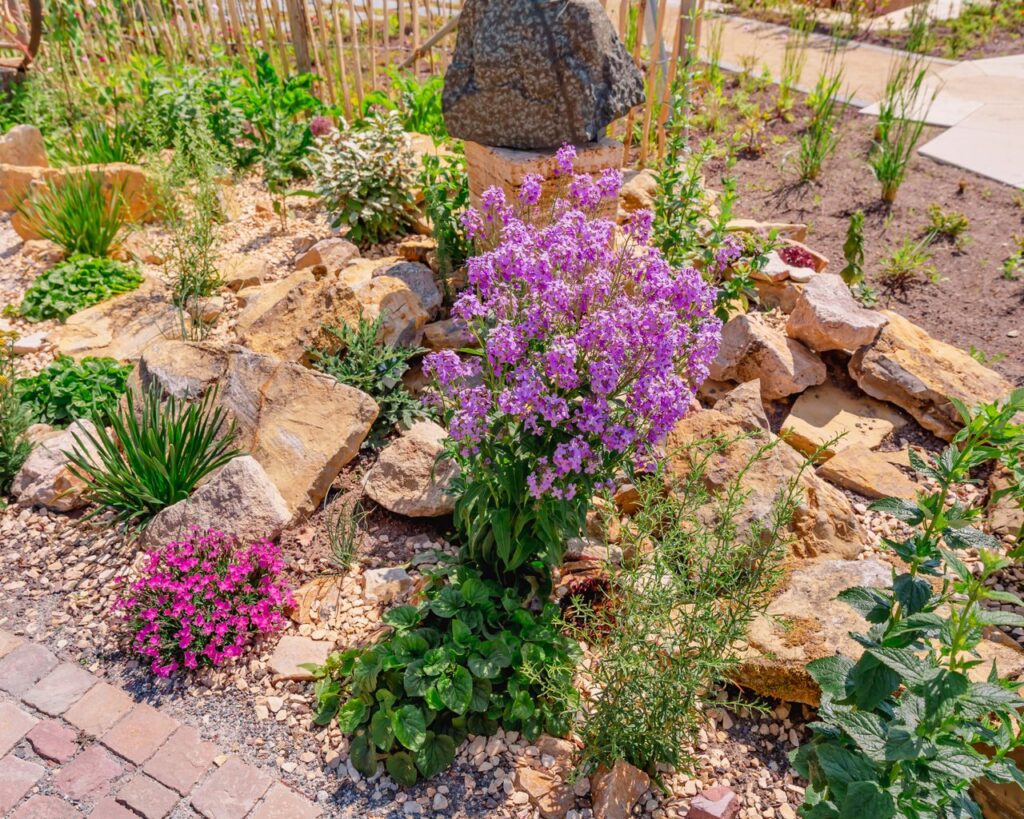
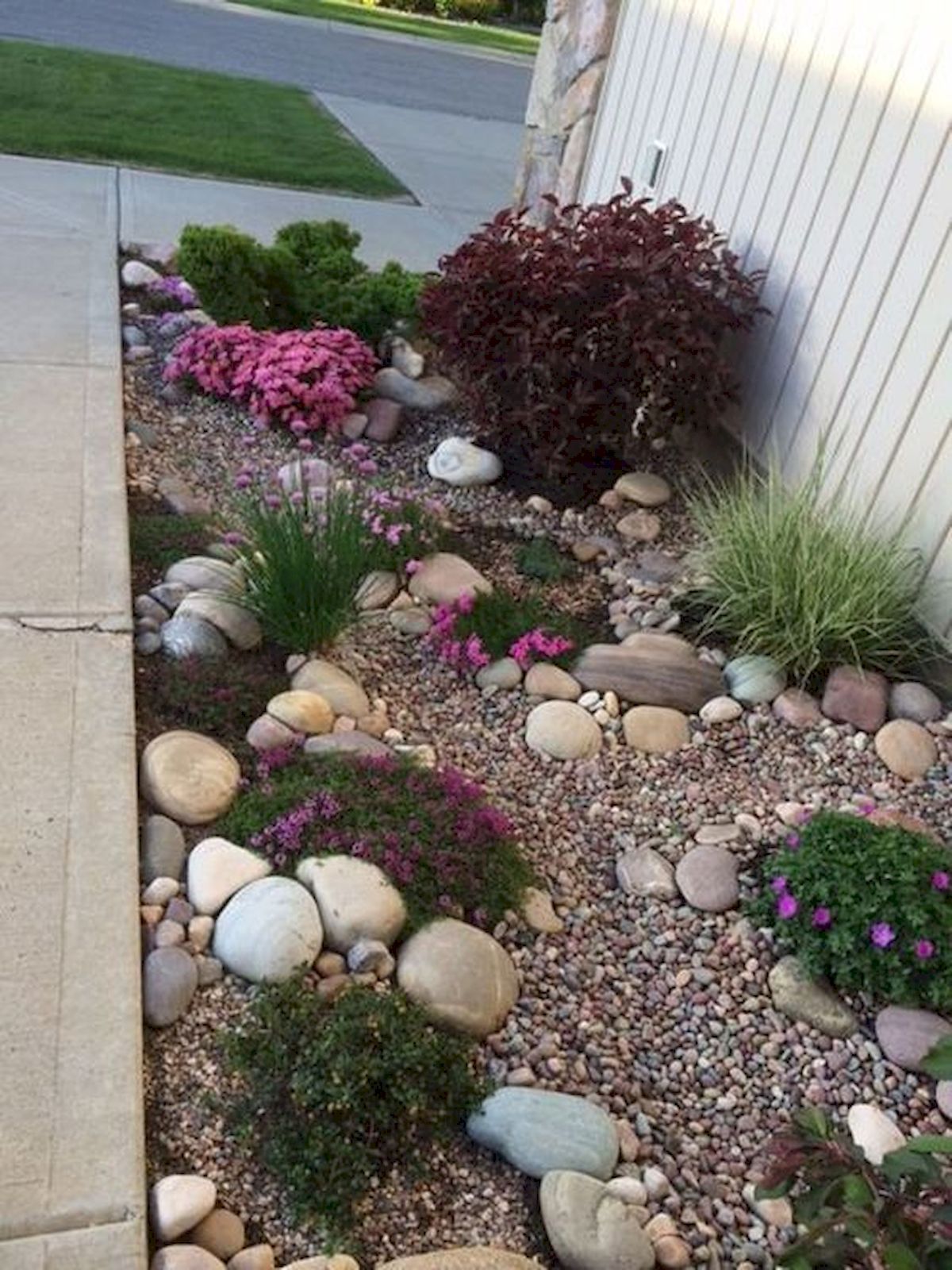
The substrate within the rock garden must replicate sharp drainage—coarse sand, gravel, or gritty amendments prevent waterlogging, which is the torment of cacti roots. Incorporate a mix of variegated rock sizes to both aerate the soil and craft visual rhythm. Larger boulders create anchor points, while smaller pebbles cozy around the Stenocactus, offering microhabitats that retain just enough moisture without drowning the roots.
Design Principles: Embracing Contrast and Harmony
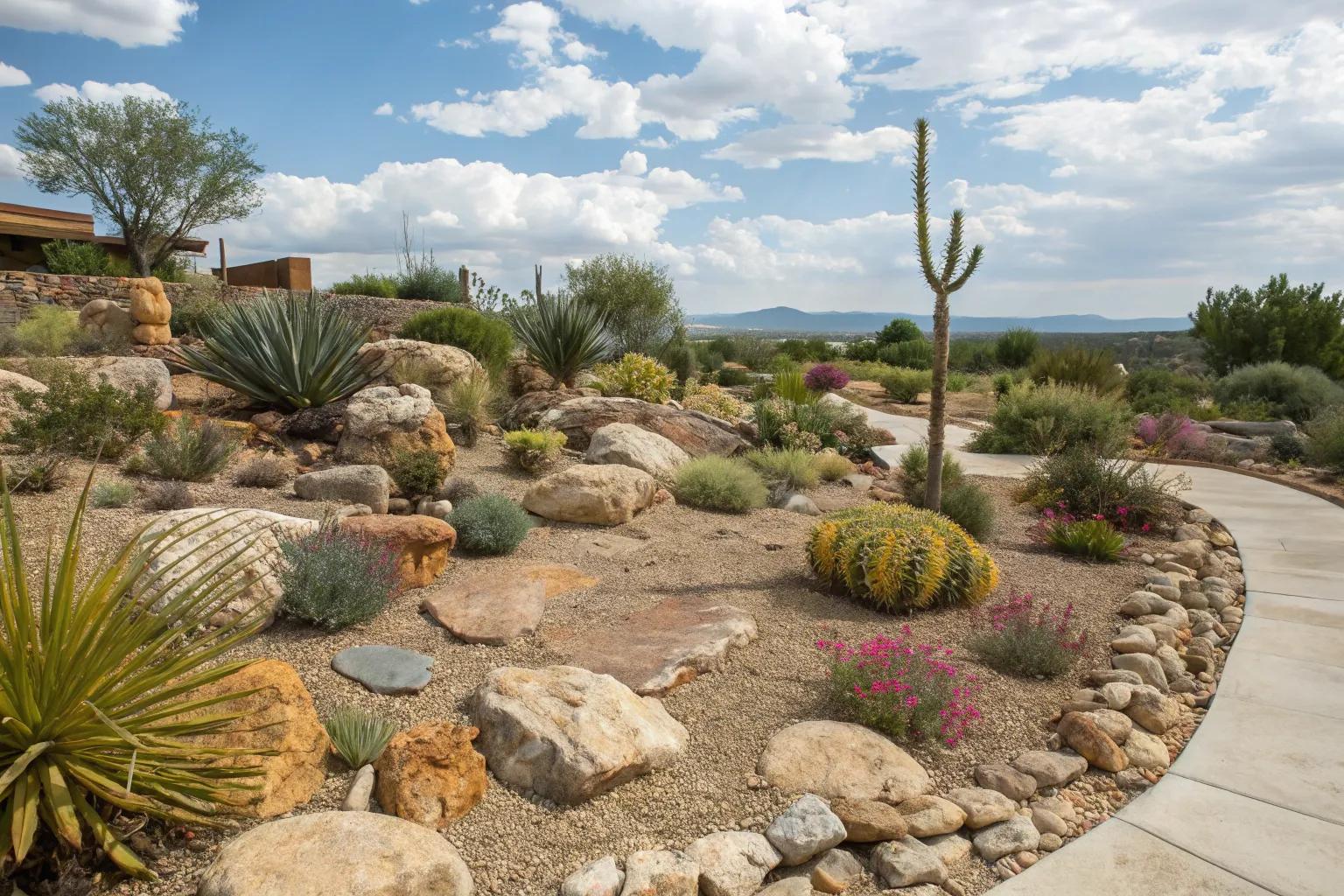
How do you make a Stenocactus stand out amid a sea of inert stone? The secret lies in balancing contrasts—smooth against rugged, curved against angular, lush against austere. Stenocactus’ curvilinear ribs act as a natural counterpoint to jagged rocks, elevating the visual narrative of your garden. Arrange stones not just randomly, but with intention, forming crevices or levels where the cactus can nestle securely and be framed.
Consider grouping multiple Stenocactus specimens of varying sizes to create a rhythmic pulse that guides the eye. Interspersing other drought-tolerant succulents or alpine plants can add layers of texture and color without competing; think delicate Sedum or silvery Artemisia. The key is to cultivate a tableau where each element complements, rather than overwhelms.
Seasonal Dynamics: Capturing Ephemeral Beauty
Rock gardens are often perceived as static landscapes, but those graced by Stenocactus reveal a secret dynamism. As temperatures shift, these cacti come alive—not just with growth, but with charismatic blooms that last for weeks. Incorporate your garden’s design with the seasonality of the Stenocactus in mind. Position them where their flowers will catch the eye, perhaps near a pathway or a stone bench where contemplative moments unfold.
Moreover, the fluctuating sunlight across seasons highlights different facets of both the cactus and stones. In cooler months, the subtle shadows cast by ridged surfaces deepen, imparting a sculptural allure. Recognizing these temporal shifts invites a poetic layer of interaction, transforming the rock garden from mere fixation to a breathing landscape of subtleties.
Maintenance Considerations: The Art of Gentle Stewardship
Though hardy, Stenocactus demands mindful care tailored to its desert lineage. A common pitfall gardeners face is overwatering—a lethal faux pas that leads to root rot. Embrace a lean watering regimen; soak deeply but infrequently, allowing the substrate to dry out thoroughly between sessions. This practice not only preserves plant health but also reinforces drought resilience, a vital trait for long-term survival in xeriscape designs.
Pruning is less about shearing and more about removal of dead or damaged sections. Stenocactus generally grows slowly, so patience is a virtue. Fertilizing annually with a diluted, low-nitrogen cactus fertilizer in the spring boosts vitality without encouraging excessive, vulnerable growth.
Finally, keeping an eye on pests—such as mealybugs or spider mites—and intervening promptly maintains vigor. Integrating companion plants that repel pests naturally can be an ingenious strategy, combining aesthetic pleasure with pragmatic ecology.
Stylistic Inspirations: From Zen Minimalism to Rustic Wildness
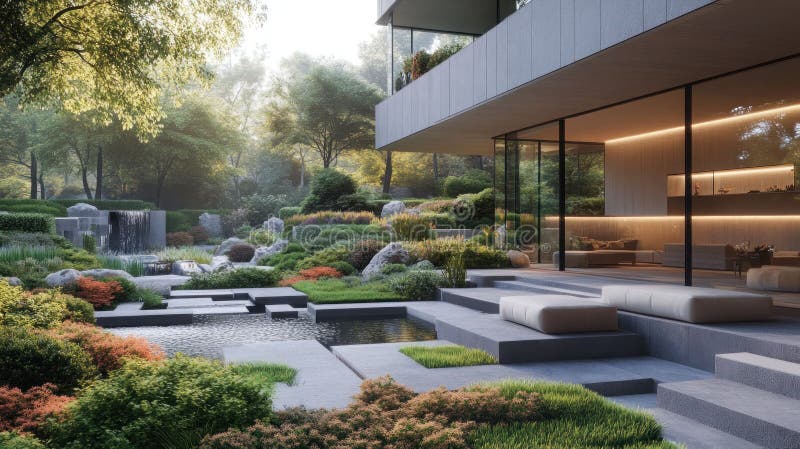
Styling a rock garden with Stenocactus opens up a spectrum of creative possibilities. For a minimalist, Zen-inspired look, lean into sparse arrangements—few stones, clean gravel beds, and one or two showy Stenocactus plants acting as meditative focal points. The simplicity encourages mindfulness and accentuates form.
Conversely, for a wilder, desert-vibe aesthetic, pepper your garden with native pebbles, weather-beaten driftwood fragments, and mixed succulents. In this setting, the Stenocactus does not just survive; it flourishes as a rugged emblem of the untamed landscape. Layering textures and colors invites exploration and contemplation.

Conclusion: Crafting Your Stenocactus Sanctuary
Isn’t it thrilling how a singular genus like Stenocactus can inspire such a multifaceted dialogue between plant, stone, and the senses? Creating a rock garden that honors its distinctive shape and needs is an invitation to blend artistry and ecology. With mindful site selection, thoughtful design, and considerate care, your Stenocactus will not only embellish a rugged tableau but become a living sculpture—an eloquent testament to nature’s tenacity and grace.
FAQ
Can Stenocactus tolerate full sun in rock gardens?
Stenocactus thrives in brilliant, direct sunlight but can scorch if exposed to relentless midday glare without gradual acclimation. Morning sun with filtered afternoon light is ideal.
What type of soil is best for planting Stenocactus in a rock garden?
A well-draining substrate with coarse sand, gravel, or gritty amendments is essential to prevent waterlogging and root rot.
How often should I water Stenocactus in a rock garden?
Water deeply but infrequently, allowing the substrate to dry out completely between watering sessions to mimic its native arid environment.
What are some good companion plants to use with Stenocactus in rock gardens?
Drought-tolerant succulents and alpine plants such as Sedum and Artemisia complement Stenocactus well without overwhelming its form.
How can I protect Stenocactus from pests?
Regular monitoring for pests like mealybugs and spider mites and using companion plants that repel pests naturally can help maintain plant health.

Leave a Reply