

Short Answer
Embarking on a journey along cactus trails is nothing short of stepping into a living tapestry of the desert’s most enthralling native flora. These rugged paths wind through arid vistas where resilient succulents reign supreme, each one narrating a tale of survival and adaptation against the harshest elements. Whether you are a seasoned botanist, an avid hiker, or simply a nature enthusiast, exploring cactus trails offers an immersive experience into the diverse genera that color the landscape with spines, blooms, and seldom-seen textures. Let the trail sweep you into a world where prickly giants and petite desert blooms coexist, revealing much more than just botanical interest — they embody the spirit of the wild Southwest and beyond.
The Enchanting Diversity of Native Cactus Genera
The beauty of cactus trails lies in the astonishing variety of genera that thrive in native habitats, each genus uniquely adapted to its environmental niche. On these hiking excursions, one encounters the emblematic Carnegiea genus, crowned by the majestic saguaro — towering sentinels of the Sonoran Desert. Their arms, twisting skyward, create iconic silhouettes that are unmistakably southwestern.
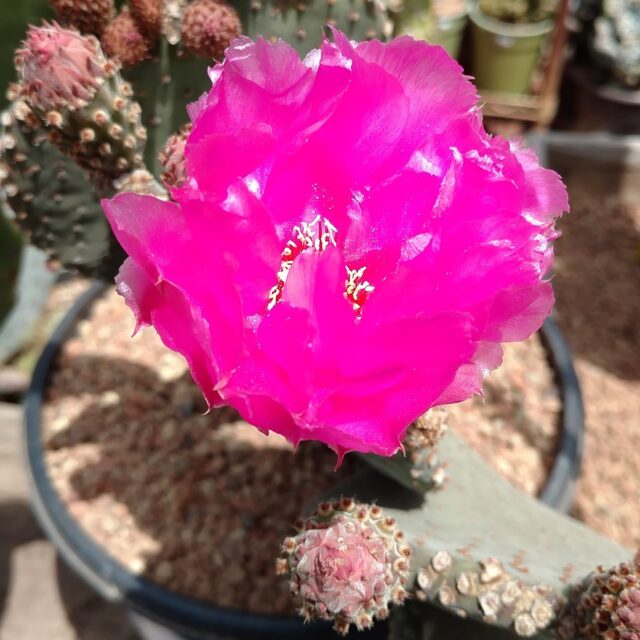
But the saga doesn’t end there. Trails reveal the clustered elegance of Echinocereus, small but fiercely adorned with radiant spines and vivid flowers that explode in brilliant reds and yellows. Then there are the paddle-shaped paddles of Opuntia — prickly pears — which offer a contrasting texture and form, their edible fruits adding both culinary and cultural significance to the hike.
This botanical museum in situ promises the thrill of identifying genera whose evolutionary ingenuity includes water-storing tissues, shade-casting ribs, and intricate spines that protect and conserve. The more you learn, the more each step unveils the enigmatic resilience of these desert architects.
Immersive Trail Experiences: Beyond Just Plant Viewing
Hiking cactus trails is as much an exercise in sensory exploration as it is a botanical exhibition. The scent of creosote mingles with the dry, dusty air; the crunch of gravel underfoot makes a rhythmic cadence as you traverse winding pathways that snake through rocky outcrops and sandy flats. Along the way, hikers often spot small desert fauna — lizards darting beneath shadows, hummingbirds flitting among blossoms, and the occasional cautious cottontail nibbling desert greens.
Engagement with these ecosystems invokes a profound appreciation for the fragile balance within arid environments. Many trails feature interpretive signage that details the ecological symbiosis between cacti and pollinators like bees, bats, and birds, enriching the experience beyond mere observation. These connections highlight the indispensable role of native genera as keystone species sustaining the desert’s biodiversity.
Iconic Cactus Trails Worth Exploring
Among the vast constellation of cactus trails, certain spots distinguish themselves by accessibility, scenic beauty, and botanical variety. The McDowell Mountains offer an unparalleled desert landscape teeming with saguaro, barrel cacti, and a tapestry of underbrush that shifts with the seasons. Exploring the hiking trails here means encountering cacti in their full glory — spines glinting in the sun, blooms emerging after rainfalls, and the vast panorama of desert mountains providing a breathtaking backdrop.

For those closer to urban hubs, areas near New York City surprisingly offer their own hiking trails peppered with native succulent species, albeit in more temperate and rugged woodlands transitional zones. These sites offer a more subdued, yet equally intriguing cactus experience — a blend of botanical curiosity and accessible adventure for the urban nature lover.

Modern Engagement: Cactus-Inspired Gear and Cultural Impact
Beyond the trail itself, the cultural imprint of cacti shines through in contemporary outdoor gear and fashion, reflecting the profound inspiration drawn from these rugged desert dwellers. Enthusiasts can now outfit themselves with hiking socks and accessories that evoke the unique textures and aesthetics of cactus genera — blending practical performance with evocative desert motifs. Products specifically designed for cactus trails — such as moisture-wicking socks emblazoned with native desert patterns — bridge the gap between utility and homage.

These cultural artifacts foster a deeper connection to the landscape, extending the trail’s experience into everyday life. Wearing cactus-inspired gear allows hikers to carry the desert’s rugged spirit beyond the trailhead — a vibrant statement of admiration and belonging.
Seasonal Rhythms and Best Times to Hike Cactus Trails
Timing your visit can dramatically shape the hiking experience along cactus trails. Springtime bursts with the ephemeral glory of blooming cacti, turning the desert into a kaleidoscope of pastel petals atop thorny bodies. During these fleeting weeks, the trail is alive with pollinators humming between flowers, and the air feels charged with renewal.
Summer demands caution. Hikers brave the intense heat to witness the endurance of desert flora in their most austere form. The trails may appear more subdued, but each cactus stands as a testament to survival — their tough skins glistening from the scorching sun, embodying resilience.
Autumn and winter trail outings provide relief from heat, allowing for longer treks and quieter landscapes. The cacti, while less flamboyant, reveal their architectural complexity and invite reflective exploration under cool skies.
Preservation Efforts and Responsible Hiking Practices
As cactus trails become increasingly popular, conservation becomes paramount. Native cacti are vulnerable to over-collection, habitat fragmentation, and inadvertent damage from off-trail wandering. Staying on designated paths protects the fragile root systems and the delicate crust of desert soil that cacti depend on.
Hikers are encouraged to adopt “Leave No Trace” principles — minimizing their footprint, carrying out all waste, and respecting wildlife habitats. These practices ensure that these botanical treasures endure for future generations to discover and cherish. Additionally, many trail stewards and conservation groups offer educational workshops and volunteer opportunities that deepen understanding and foster community stewardship.
Ultimately, cactus trails are more than just hiking routes — they are corridors that connect us to the intricate fabric of the desert. Through each step, breath, and gaze, the native genera reveal stories of perseverance, beauty, and the unyielding pulse of life in one of earth’s most formidable realms. Gear up, take your place among the spines and blooms, and let the cactus trails enchant your soul with their spiky, stunning realities.
FAQ
What types of cacti can be seen on these trails?
Cacti such as Saguaro, Echinocereus, and Opuntia can be encountered along cactus trails.
How can I help in cactus conservation?
Following Leave No Trace principles and participating in local conservation efforts can help protect cactus habitats.




Leave a Reply