
Short Answer
In a world teeming with botanical marvels, cacti stand as enigmatic sentinels of resilience and mystique. Thriving in arid deserts where most life struggles to endure, these spiny sculptures of nature captivate not only with their hardy survival skills but also with a rich tapestry of symbolism woven through cultures and epochs. Their distinctive forms whisper stories of endurance, transformation, and quiet strength — stories that have fascinated humankind across continents and generations.
The Ancient Origins: Desert Guardians Through Time
Cacti are more than just plants; they are living relics of evolutionary perseverance. Originating primarily in the Americas, these succulent wonders have adapted over millions of years to withstand blistering sun and parched soils. Their thick, fleshy stems serve as natural reservoirs, while their spines protect them against herbivores and reduce water loss—nature’s perfect blend of defense and survival. Archaeological evidence highlights their presence in ancient Native American societies, where cacti were revered not only for their tangible uses but also for their spiritual significance.

For indigenous peoples, cacti symbolized endurance in hardship, embodying the harsh beauty of the desert landscape. Their ability to flourish amid scarcity became a metaphor for resilience, inspiring tales and rituals that celebrated survival and fortitude. This reverence still echoes today, reminding us that strength often blooms from adversity.
Symbolism Across Cultures: The Thorny Emblem of Strength
Throughout myriad cultures, the cactus transcends its botanical identity, assuming the mantle of a complex symbol rich in metaphor. In Mexico, the nopal cactus is intertwined with national identity — famously featured on the country’s coat of arms, standing atop a rock in the middle of a lake and serving as a symbol of triumph over hardship and the birth of a nation.

This emblematic stature extends beyond borders, as many cultures view cacti as quiet survivors, representing tenacity and protection. The spines, though seemingly forbidding, act as guardians, warding off harm while simultaneously serving as defenses against the harshness of the environment. This dichotomy renders the cactus a powerful metaphor for personal boundaries — strength blended with vulnerability, a reminder to remain steadfast yet guarded.
Resilience and Transformation: Nature’s Toughest Alchemist
Cacti epitomize metamorphosis in nature’s grand narrative. Their unique physiology transforms scarcity into sustenance; where water is precious, cacti convert droplets into life-giving reservoirs. This innate alchemy has inspired symbolism related to transformation and adaptability, encouraging a view of adversity as a crucible for growth.
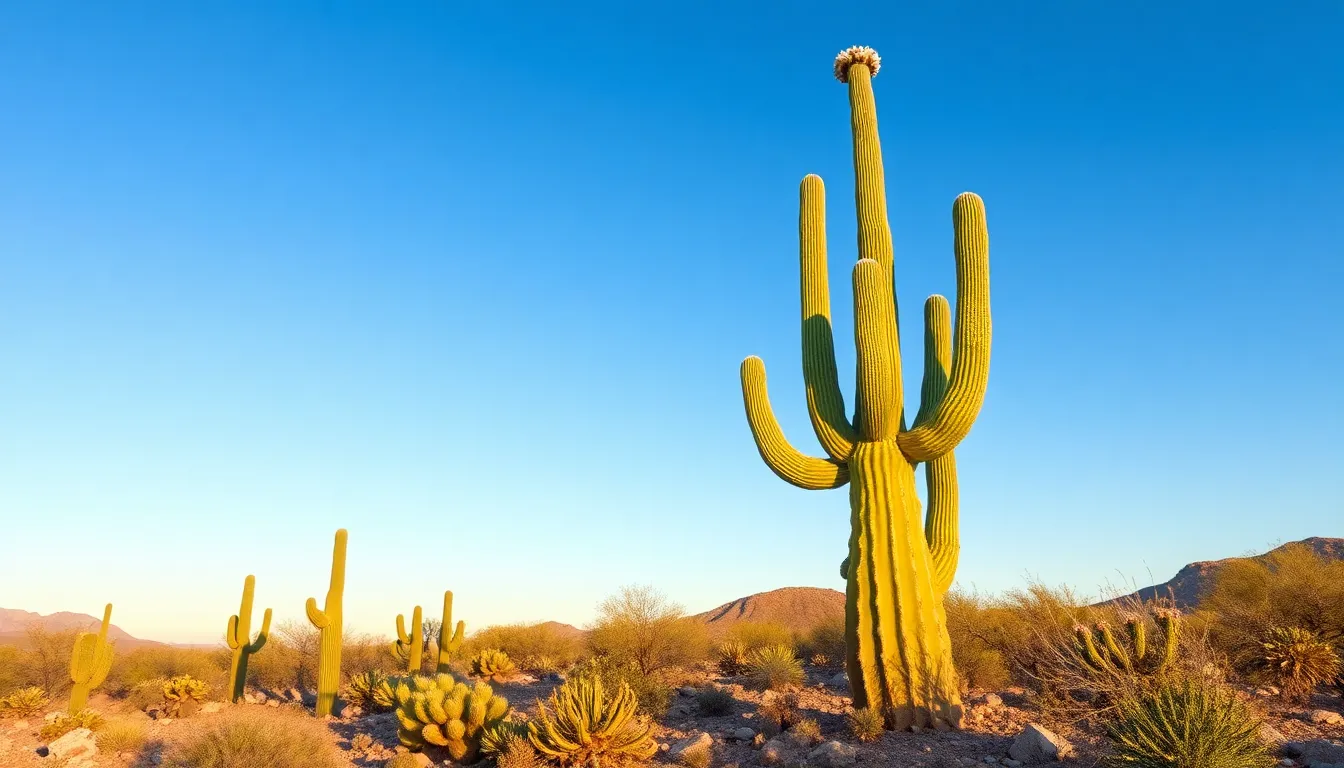
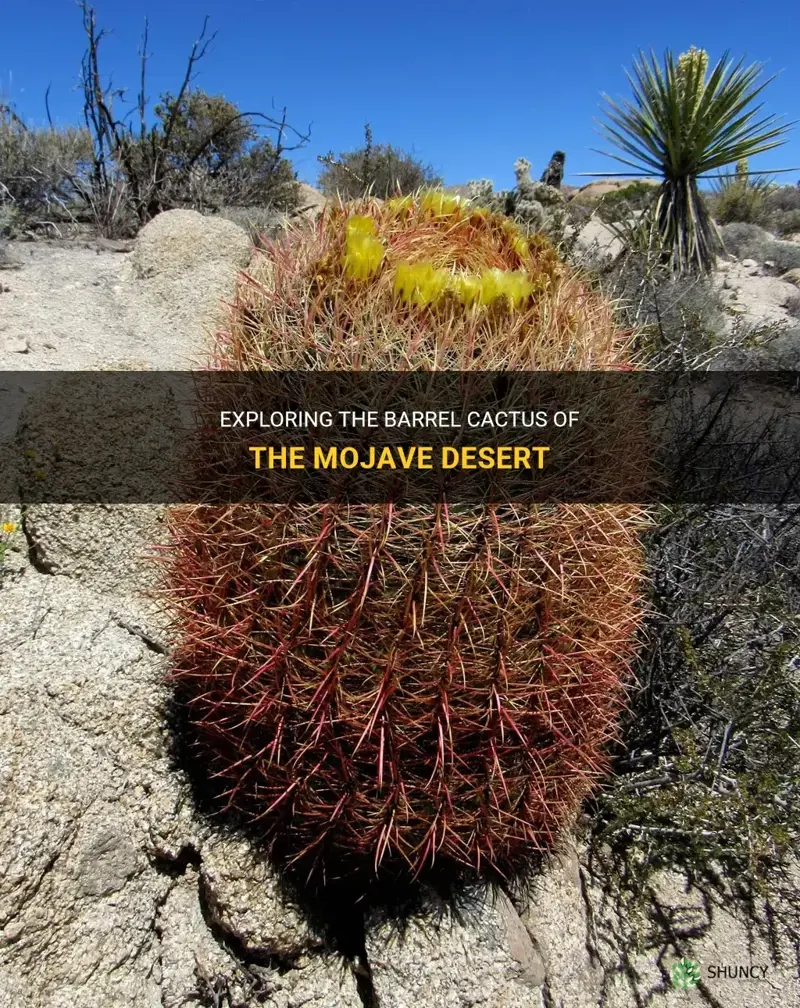
The flowering cactus, in particular, dazzles as a metaphor for unexpected beauty arising in unlikely places. Its blossoms emerge almost miraculously, often under the most unforgiving conditions, inviting a reflection on how brilliance and grace can emerge from the most unyielding environments. This symbolism resonates deeply in art, literature, and décor, where cacti represent the triumph of life and spirit over obstacle.
Cacti in Modern Decor: A Symbolic Touch of Endurance
In contemporary design, cacti have carved a niche as icons of resilience and individuality. Their distinctive shapes and textured surfaces bring an air of rugged elegance to modern spaces. Beyond aesthetics, the cactus conveys a message — a silent emblem of endurance amidst the fast-paced, sometimes harsh realities of modern life.
Incorporating cacti into home decor offers more than visual appeal; it injects a narrative of survival and strength, encouraging an ambiance of calm determination. Their low-maintenance nature also mirrors contemporary desires for sustainability and simplicity, reinforcing themes of ecological adaptability and mindful living.
Spiritual and Psychological Symbolism: Cacti as Emblems of Inner Fortitude
Beyond physical symbolism, cacti invite introspection, challenging us to reflect on our boundaries, resilience, and capacity for growth. Psychologically, they symbolize emotional endurance — the ability to withstand trials without losing one’s essence. Their hardy spines serve as metaphors for self-protection, teaching us the importance of safeguarding our wellbeing while remaining open to growth.
Spiritually, many cultures regard cacti as bridges between the material and the ethereal, representing a stoic wisdom born from the relentless forces of nature. They remind us that strength need not be loud or aggressive; it can be quiet, steadfast, and deeply rooted, just like the cactus thriving silently in the desert’s embrace.
The Unique Appeal: A Botanical Paradox of Beauty and Defiance
The allure of the cactus lies in its paradox — rugged yet refined, defensive yet delicate. This contradiction enriches its symbolism, making it a potent metaphor for the complexities of life. It’s a plant that defies expectations, thriving where none are believed to flourish, flowering beautifully despite adversity.
Ultimately, the cactus embodies a universal truth: that endurance, protection, and transformation are intertwined. Its unique appeal harkens to those who appreciate strength’s subtlety, who find poetry in perseverance, and who see beauty in resilience. The cactus continues to inspire across realms — botanical, cultural, spiritual — standing tall as a testament to nature’s indomitable spirit.
FAQ
What do cacti symbolize?
Cacti symbolize endurance, resilience, and transformation across cultures.
Why are cacti important in modern decor?
Cacti represent strength and adaptability, making them popular in contemporary design.



Leave a Reply