
Short Answer
Imagine a silent sentinel standing guard in the sun-scorched expanse of a desert, its ribbed silhouette etched against the horizon like the spine of some ancient leviathan. This is the cactus—a botanical paradox, a fusion of thorn and tenderness, a living sculpture carved by the merciless hand of evolution. But beneath its prickly exterior lies a hidden world of diversity, a secret taxonomy whispered only by the wind through the canyons. To truly understand the cactus is to unravel the threads of its subfamilies, each a unique thread in the tapestry of desert life.
The Three Pillars: Opuntioideae, Cactoideae, and Maihuenioideae
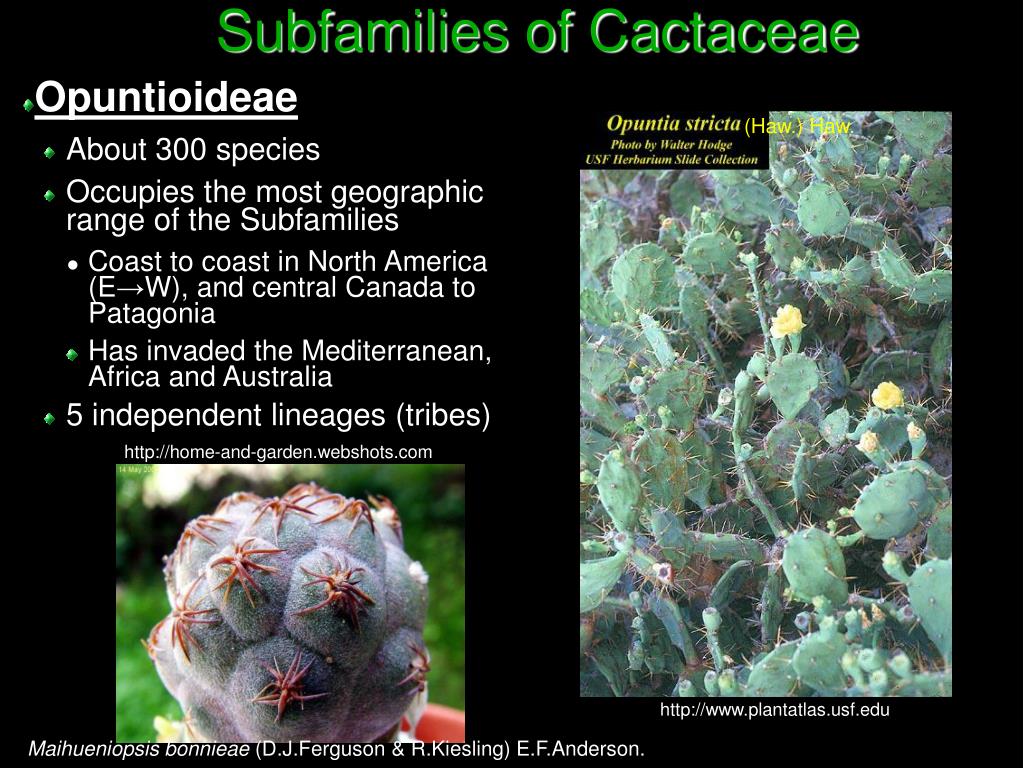
Like the three branches of an ancient family tree, the cactus subfamilies—Opuntioideae, Cactoideae, and Maihuenioideae—each bear distinct marks of their evolutionary journey. Opuntioideae, the most widespread of the trio, is a nomadic clan, its members dotting the Americas from the Canadian prairies to the Andean peaks. Their signature feature? Glochids—tiny, barbed spines that cling like mischievous imps, ensuring no creature escapes their grasp unscathed. Yet, these are not mere weapons; they are a cunning adaptation, a way to trap moisture and shade the plant’s delicate epidermis from the sun’s relentless gaze.
Cactoideae, the crown jewel of the cactus world, is where the true giants and the most flamboyant showstoppers reside. From the towering saguaro, a desert titan that can live for two centuries, to the diminutive mammillaria, a spherical marvel studded with flowers like jewels, this subfamily is a parade of shapes and sizes. Their ribs, like the pleats of a Baroque gown, expand and contract with the whims of hydration, a living accordion playing the rhythm of survival. And then there are the epiphytic cacti, rebels of the family, clinging to trees in the rainforests like botanical acrobats, defying the stereotype of desert dwellers.
Tucked away in the southern reaches of South America, Maihuenioideae is the smallest and most enigmatic of the subfamilies. These low-growing, cushion-like cacti are the tortoises of the plant world—slow, resilient, and draped in a armor of spines. Their leaves, though tiny and fleeting, are a throwback to a time when cacti were not yet the spiny sentinels we know today. They are living fossils, a whisper of the past in a world that has moved on.
The Opuntioideae: A Dance of Glochids and Grit
To touch an Opuntioideae is to invite a thousand tiny barbs into your life. These are the cacti that have turned defense into an art form. The prickly pear, with its paddle-like cladodes, is a master of disguise, blending into the landscape like a chameleon. But beneath its spiny armor lies a treasure—its pads, once peeled, reveal a crisp, tangy flesh that has nourished humans and beasts alike for millennia. The glochids, those devilish little spines, are not just a deterrent; they are a delivery system, hitching rides on unsuspecting creatures to spread the cactus’s seeds far and wide.
Consider the cholla, a member of this subfamily whose segmented stems resemble a series of stacked bones. Its spines are not merely sharp; they are hooked, designed to snag and cling like Velcro, ensuring that any creature brushing past becomes an unwitting courier. This is not cruelty—it is strategy. The cholla’s segments are easily detached, a trick that allows it to propagate itself with a single gust of wind. In the dance of survival, the Opuntioideae do not lead; they ensnare.
The Cactoideae: Where Giants Roam and Rebels Thrive
If the Opuntioideae are the cunning tricksters of the cactus world, then the Cactoideae are the royalty—the saguaros, the barrel cacti, the fishhook cacti—each a monarch in its own right. The saguaro, with its towering arms reaching for the sky, is a symbol of the Sonoran Desert, a living skyscraper that can store enough water to fill a bathtub. Its ribs, like the grooves of a vinyl record, are not just for show; they allow the plant to expand and contract with the seasons, a rhythm as old as the desert itself.
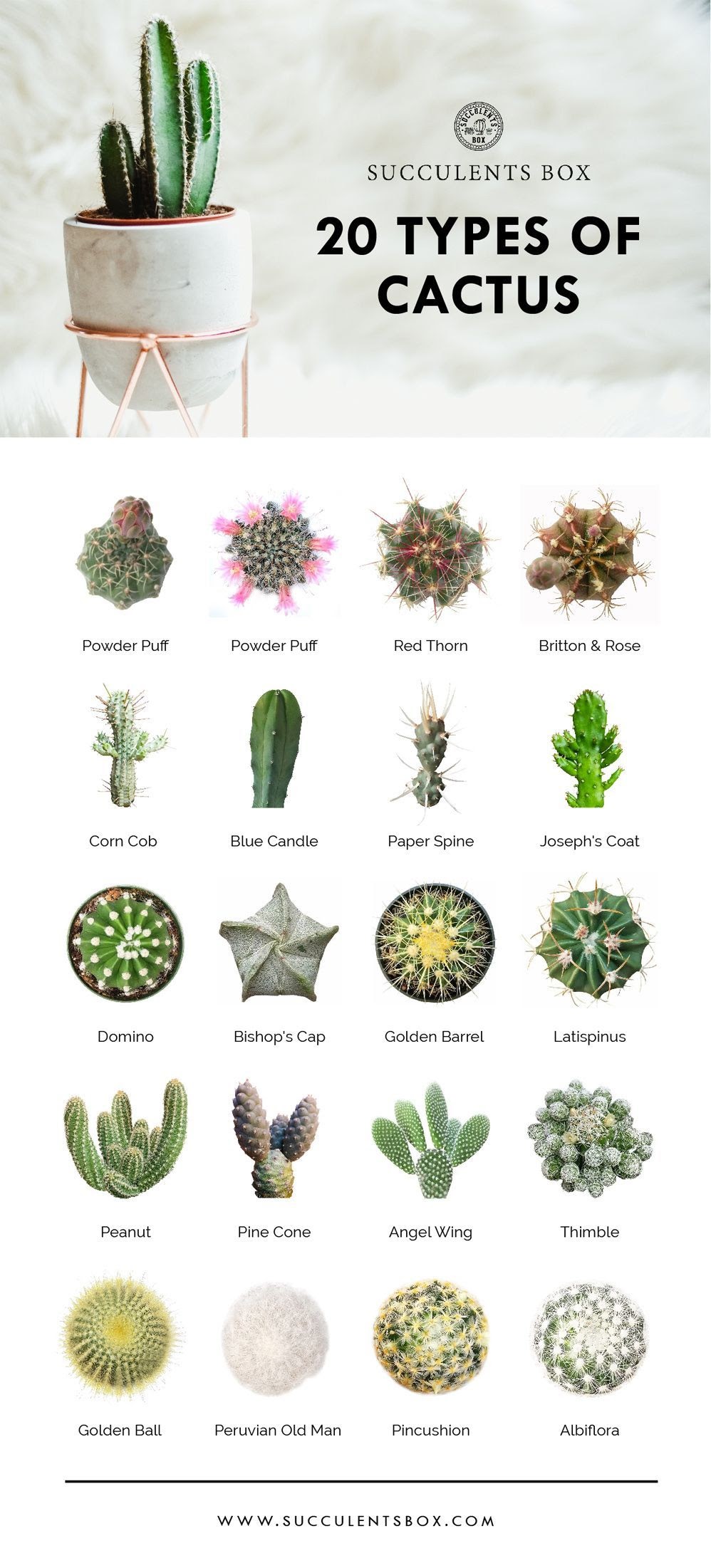
But not all Cactoideae are giants. The mammillaria, with its dense clusters of globular stems, is a jewel box of miniature worlds. Each areole, a tiny cushion from which spines and flowers emerge, is a universe unto itself. And then there are the epiphytic cacti, the rebels who have abandoned the desert for the canopy. The Christmas cactus, with its pendant stems and vibrant blooms, is a testament to the adaptability of life. These cacti have traded spines for succulence, trading the harsh glare of the sun for the dappled shade of the rainforest.
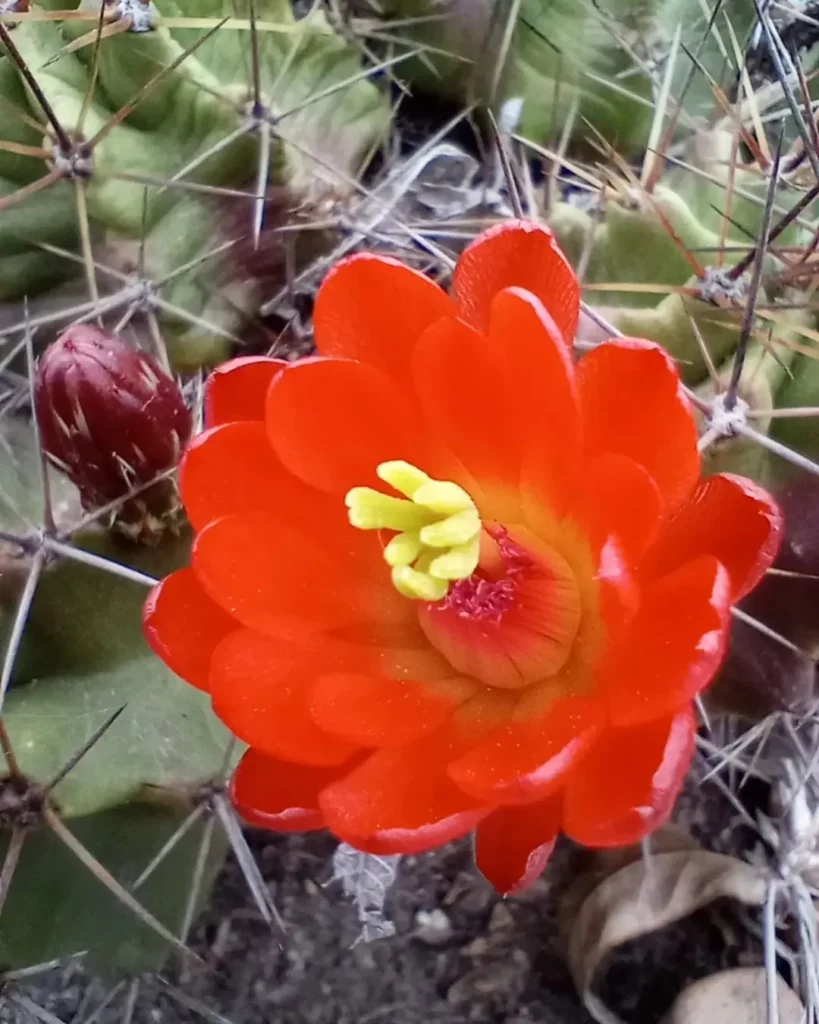
The Cactoideae are also the showstoppers, the cacti that bloom in a riot of color. The hedgehog cactus, with its magenta flowers, is a beacon in the desert, a splash of color against the monochrome landscape. The fishhook cactus, with its hooked spines and delicate blooms, is a master of deception, luring pollinators with promises of nectar. In the world of Cactoideae, every spine, every rib, every flower is a story waiting to be told.
The Maihuenioideae: Living Fossils of the Cactus World
In the shadowed corners of Patagonia, where the wind howls like a forgotten spirit, the Maihuenioideae cling to life with a tenacity that borders on the miraculous. These are the cacti that have seen empires rise and fall, the last remnants of a time when cacti were not yet the spiny titans we know today. The maihuenia, with its cushion-like growth and tiny leaves, is a relic, a whisper of the past in a world that has moved on.
Unlike their spiny cousins, the Maihuenioideae are not built for defense. Their spines are few, their bodies soft and pliable. They are the gentle giants of the cactus world, the ones that have chosen resilience over resistance. Their leaves, though small and fleeting, are a reminder of a time when cacti were not yet the desert’s answer to the thorny question of survival. They are a living museum, a testament to the enduring power of adaptation.
The Evolutionary Tapestry: How Subfamilies Tell the Story of Survival
The story of the cactus subfamilies is not just a tale of spines and flowers—it is a saga of survival, a testament to the power of adaptation. The Opuntioideae, with their glochids and segmented stems, are the nomads of the cactus world, spreading their seeds far and wide. The Cactoideae, with their towering forms and riotous blooms, are the royalty, the ones that have claimed the desert as their kingdom. And the Maihuenioideae? They are the living fossils, the ones that have chosen a quieter path, a gentler way of life.
Each subfamily is a chapter in the cactus’s evolutionary tale. The Opuntioideae, with their hooked spines and segmented stems, are the masters of dispersal. The Cactoideae, with their ribs and blooms, are the architects of grandeur. And the Maihuenioideae, with their tiny leaves and soft bodies, are the guardians of the past. Together, they form a tapestry of life, a living testament to the power of adaptation in the face of adversity.
The Allure of the Cactus: Why We Are Drawn to These Prickly Wonders
There is something inherently fascinating about the cactus—a paradox of beauty and brutality, of softness and sharpness. It is a plant that has turned the harshest environments into a sanctuary, a thorny fortress that blooms with life. The cactus is a symbol of resilience, a reminder that even in the most inhospitable of places, life will find a way.
Perhaps it is the contrast that draws us in—the delicate flowers that emerge from a sea of spines, the vibrant colors that bloom against the monochrome landscape. Or perhaps it is the cactus’s ability to thrive where others would wither, a testament to the power of adaptation. Whatever the reason, the cactus has captured our imagination, becoming a symbol of the desert’s untamed spirit.
In the end, the cactus subfamilies are more than just a classification—they are a celebration of life’s diversity, a testament to the power of adaptation. From the glochid-studded Opuntioideae to the towering saguaros of the Cactoideae, and the living fossils of the Maihuenioideae, each subfamily tells a story of survival, of resilience, of the enduring power of life. And in a world that is constantly changing, the cactus stands as a reminder that even the prickliest of exteriors can hide a heart of gold.
FAQ
What distinguishes the Opuntioideae subfamily?
Opuntioideae cacti are characterized by glochids, barbed spines that protect the plant, and segmented stems that aid in propagation.
Which cactus subfamily includes the saguaro?
The saguaro belongs to the Cactoideae subfamily, known for its large size and ribbed stems.
Are all cacti desert plants?
No, some cacti such as epiphytic species in the Cactoideae subfamily live in rainforests, adapting to shaded, moist environments.
Why are Maihuenioideae considered unique?
Maihuenioideae are unique for their cushion-like form, presence of tiny leaves, and status as living fossils representing ancient cactus traits.


Leave a Reply