
Short Answer
Have you ever wondered why the humble cactus, with its prickly exterior and stoic endurance, has woven itself into the fabric of spiritual symbolism across cultures? Beyond its desert-dwelling resilience, this spiky sentinel holds a profound spiritual meaning—one that whispers of protection, endurance, and even cosmic alignment. What if the very traits that make cacti thrive in harsh conditions could also shield us from life’s emotional and spiritual storms? Let’s embark on a journey to uncover the layered meanings behind these desert guardians and how their symbolism might just become your unexpected ally.
The Cactus as a Sacred Shield: Guardians of the Desert Realm
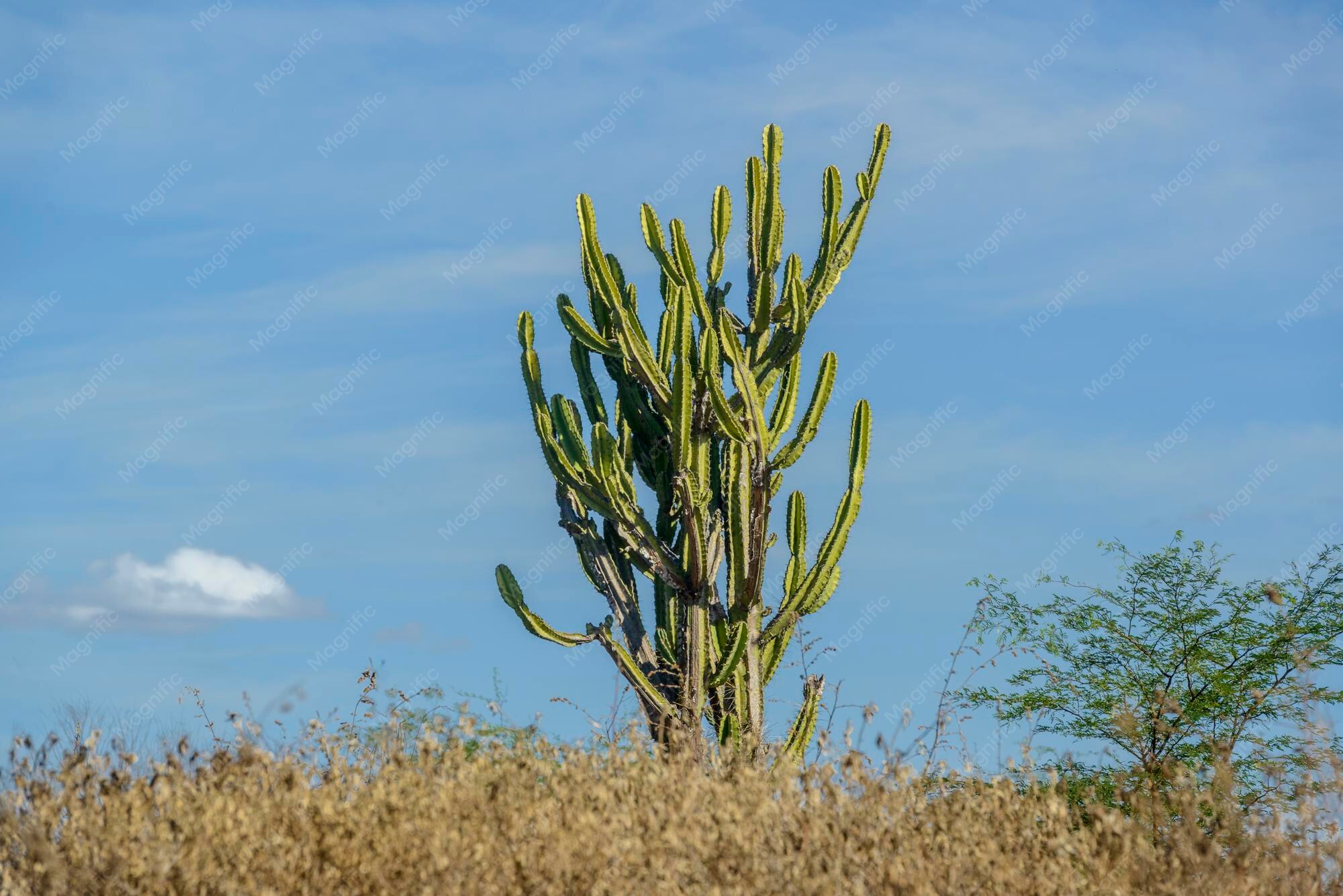
In the arid expanse of the desert, where survival is a daily feat, the cactus stands as a silent sentinel. Its thick, waxy skin and formidable spines aren’t just adaptations—they’re a testament to an ancient pact between nature and the unseen. Many indigenous traditions, from the Native American tribes to the shamanic practices of Mesoamerica, revere the cactus as a living talisman. The peyote cactus, for instance, is not merely a plant but a sacred conduit, its psychoactive properties believed to open doorways to spiritual realms while offering a cocoon of protection against negative energies.
Imagine walking through a sun-scorched landscape, where the air shimmers with heat and the ground crackles underfoot. The cactus, unyielding and self-sufficient, becomes a metaphor for the soul’s ability to thrive amid chaos. Its spines, often seen as a defense mechanism, are also symbolic of boundaries—gentle reminders that while we may open ourselves to the world, we must also guard our energy from what drains us. Could it be that the cactus teaches us that protection isn’t about isolation, but about knowing when to stand firm and when to let the light in?

Spines of Strength: How Thorns Translate to Energetic Armor
The spines of a cactus are more than botanical marvels—they’re nature’s barbed wire, a physical manifestation of the plant’s refusal to be trampled. Spiritually, these spines are often interpreted as energetic filters, sifting through the noise of daily life to retain only what is pure and nourishing. In Feng Shui, placing a cactus in the home’s Wealth Corner (southeast) is said to repel financial drains and attract abundance, its sharp edges acting as a metaphorical shield against scarcity mindsets.
But what if the real magic lies not in the spines themselves, but in the space between them? The gaps in a cactus’s armor are where light filters through, where moisture is captured and nurtured. This duality—of defense and receptivity—mirrors the human experience. We, too, must learn to protect our energy while remaining open to growth. The cactus doesn’t just teach us to repel; it teaches us to selectively receive. What would happen if you viewed your own boundaries not as walls, but as sieve-like filters, allowing only what serves you to pass through?
The Cactus in Myth and Ritual: From Ancient Rituals to Modern Altars
Delve into the annals of history, and you’ll find the cactus woven into the tapestry of human spirituality. The Aztecs revered the peyote cactus as a divine messenger, its consumption during rituals believed to bestow visions and shield participants from malevolent spirits. Similarly, in Southwestern Native American traditions, the cactus is a symbol of endurance and longevity, its slow growth a reminder that true strength is not about speed, but about persistence.
Fast-forward to the modern era, and the cactus has found a new home in holistic wellness spaces. Crystal healers often pair cactus imagery with protective stones like black tourmaline or obsidian, creating a synergy of earthy resilience and metaphysical defense. Even in minimalist home decor, the cactus’s silhouette has become a talisman against the chaos of urban life. But here’s a playful challenge: How often do we adorn our spaces with symbols of protection without truly embodying their lessons? A cactus on a shelf is lovely, but a cactus that reminds you to set boundaries in your relationships? That’s where the real transformation begins.

Cacti and the Chakras: Aligning Your Energy Centers
In the language of chakras, the cactus’s spiky form resonates deeply with the root chakra (Muladhara), the foundational energy center that governs stability, security, and our connection to the physical world. A blocked root chakra can leave us feeling ungrounded, while an overactive one might manifest as rigidity or fear. The cactus, with its deep roots and upward-reaching spines, becomes a living metaphor for balancing these energies. Its presence can serve as a tactile reminder to stay rooted in your truth while remaining open to the world’s fluctuations.
But the cactus’s influence doesn’t stop at the base. Some spiritual practitioners associate its columnar shape with the sacral chakra (Svadhisthana), the seat of creativity and emotional flow. The way a cactus stores water in its flesh mirrors our own need to nurture our inner reservoirs, especially during emotionally arid periods. What if you treated your sacral chakra like a cactus—allowing yourself to absorb nourishment slowly, without rushing the process of healing or creation?
The Shadow Side of Cactus Symbolism: When Protection Becomes Isolation
Of course, no symbol is without its paradoxes. While the cactus teaches protection, its lessons can be misinterpreted. A cactus’s spines may repel not just negativity, but also connection. In relationships, this could translate to emotional walls that keep others at bay, or in personal growth, a refusal to engage with challenging emotions. The key lies in discernment: When does protection become a cage, and when does it become a sanctuary?
Consider the Christmas cactus, a gentler cousin to its desert-dwelling relatives. Unlike its spiny kin, this variety’s smooth, segmented leaves offer a softer metaphor—one of adaptability and gentle boundaries. Perhaps the lesson here is that protection doesn’t always require sharp edges. Sometimes, it’s the quiet resilience of a plant that blooms in winter, unfazed by the cold, that teaches us the most.
Bringing Cactus Energy Into Your Life: Practical Rituals and Remedies
Ready to invite the cactus’s protective energy into your daily life? Start small. Place a small cactus on your desk or windowsill as a visual cue to set boundaries with work demands or digital overload. For a deeper practice, try a cactus meditation: Hold a spine (safely!) or visualize one, and breathe into the sensation of protection. Ask yourself: Where in my life do I need to be firmer? Where do I need to soften?
For those drawn to ritual, create a cactus charm bag with protective herbs like rosemary or mugwort, a piece of black tourmaline, and a tiny cactus figurine. Carry it with you or place it under your pillow to ward off nighttime anxieties. And if you’re feeling adventurous, explore the world of cactus essences—flower essences made from cactus blooms, believed to transmute fear into courage and doubt into trust.
The cactus doesn’t ask for much. Just a little sunlight, a sip of water, and the space to grow. In return, it offers a masterclass in resilience, protection, and the art of thriving against the odds. So the next time you see a cactus—whether in a pot, a desert, or a spiritual text—pause and ask: What is this prickly teacher trying to tell me?
FAQ
What do cacti represent spiritually?
Cacti symbolize protection, endurance, and the ability to thrive in harsh conditions.
How can I incorporate cactus energy into my life?
You can place a cactus in your space as a reminder to set boundaries, or use cactus imagery in meditation.
Leave a Reply