
Short Answer
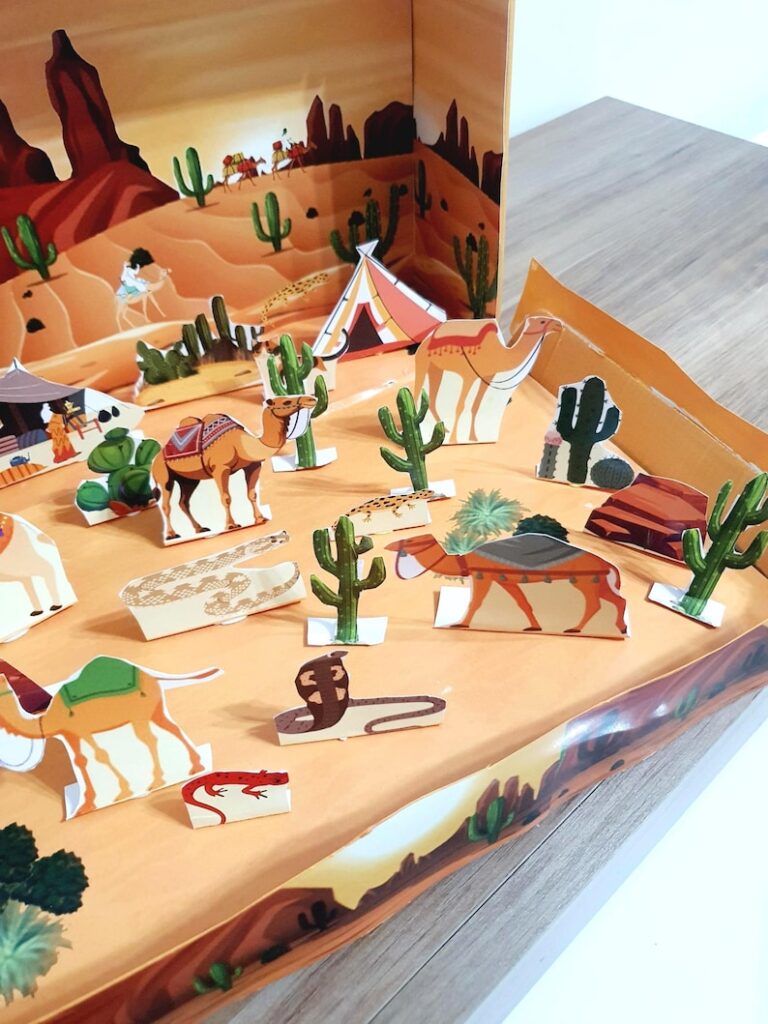
Have you ever wished to escape to a sun-drenched desert, if only for a moment—without leaving the cozy confines of your crafting table? What if I told you that you could bring the arid beauty of a cactus garden into your home, not just as a photograph, but as a tangible, miniature world you can hold in your hands? A shoebox diorama offers the perfect canvas for such a dream. It’s a pocket-sized oasis where spiky sentinels of the desert stand tall, where golden sand ripples under an imaginary sun, and where creativity blooms as freely as a blooming saguaro at dawn. But here’s the playful challenge: how do you transform a humble cardboard box into a lifelike desert sanctuary without it looking like a kindergartener’s art project gone rogue? Let’s embark on this miniature adventure together.
The Art of Choosing Your Desert Dwellers: Selecting the Right Cacti and Succulents
Not all cacti are created equal—especially when they’re reduced to the size of a thimble. The key to a convincing miniature desert lies in selecting the right flora. Start with a variety of shapes: the towering, ribbed columns of a saguaro, the squat, rounded mounds of a barrel cactus, and the delicate, paddle-shaped pads of a prickly pear. Succulents like echeveria or haworthia add softness to the spiky ensemble, their rosettes mimicking the gentle curves of desert hills. But beware—size matters. A full-grown saguaro won’t fit in a shoebox, so opt for cutouts, paper models, or even tiny plastic toys repurposed as cacti. For an extra touch of authenticity, consider the color palette: muted greens, dusty blues, and hints of purple can evoke the subtle hues of a real desert at twilight. And remember, less is often more—overcrowding your diorama can make it feel chaotic, not charming.
Crafting the Terrain: From Sand Dunes to Rocky Plateaus
The foundation of your desert diorama is the terrain, and sand is its lifeblood. But not all sand is born equal. Fine, golden craft sand mimics the soft dunes of the Sahara, while coarser grains can suggest rocky outcrops or dry riverbeds. To create texture, layer the sand in gradients—denser at the base of your cacti, sparser near the edges. For a more rugged look, mix in crushed eggshells or baking soda to simulate limestone or gypsum deposits. Don’t forget elevation! Use crumpled paper or foam to build subtle hills or plateaus, then cover them with sand to blend the seams. A toothpick or tweezers can help you sculpt tiny cracks or fissures, adding depth to your landscape. And here’s a pro tip: a light dusting of baking soda or flour can mimic the frost that occasionally dusts desert landscapes, lending an ethereal quality to your scene.
Lighting the Desert: Playing with Shadows and Highlights
A desert isn’t just about sand and cacti—it’s about light. The way sunlight dances across the spines of a cactus, casting long, dramatic shadows, is what brings your diorama to life. To replicate this, place your shoebox near a window during the day and observe how natural light interacts with objects. For a more controlled effect, use a small LED light or even the flashlight on your phone. Position it at an angle to create sharp, defined shadows behind your cacti. You can also use metallic gold or silver paint sparingly to highlight the edges of your cacti or rocks, mimicking the way sunlight catches on desert surfaces. For a moody, twilight effect, try a blue or purple gel over your light source to simulate the fading glow of dusk. The goal? To make your viewer squint, wondering if this is a craft project or a portal to another world.
Adding Life to the Landscape: The Secret Language of Desert Creatures
A desert isn’t silent—it’s a symphony of rustling leaves, scuttling insects, and the occasional chirp of a lizard. Your diorama should whisper these secrets too. Tiny paper cutouts of desert animals—scorpions, lizards, or even a coyote in the distance—can add movement and intrigue. For a touch of whimsy, consider a miniature sun dial or a rusted tin can, hinting at human presence in this wild landscape. But be cautious: too many elements can overwhelm the scene. Instead, focus on one or two focal points—a lizard basking on a rock, a bird perched on a saguaro—and let the rest fade into the background. The goal is to suggest life, not document it.
Assembling Your Masterpiece: The Delicate Dance of Composition
Now comes the moment of truth: putting it all together. Start by arranging your cacti and succulents on the terrain, stepping back frequently to assess the balance. Are the shapes varied enough? Does the composition feel dynamic or static? A well-composed diorama often follows the rule of thirds—place your focal points along imaginary lines that divide your shoebox into nine equal parts. Once you’re satisfied, secure your elements with a dab of hot glue or craft glue. For paper cutouts, a thin layer of Mod Podge can adhere them without warping. And here’s a challenge: can you make your diorama tell a story? Perhaps a lizard is fleeing from a predator, or a cactus is blooming under the moonlight. The best dioramas don’t just exist—they invite the viewer to wonder what happens next.
Preserving Your Desert Oasis: Tips for Longevity and Display
Your miniature desert is a labor of love, so protect it like the treasure it is. To prevent sand from spilling, consider sealing the edges of your shoebox with clear tape or a thin layer of Mod Podge. If you’ve used paper cutouts, a light spray of clear acrylic sealer can shield them from dust and humidity. Display your diorama in a place where it won’t be jostled—far from curious pets and drafty windows. And if you’re feeling adventurous, why not create a series? Each season could bring a new theme: a blooming desert in spring, a golden sunset in autumn, or a snowy desert in winter. The possibilities are as endless as the sands of the Mojave.
So, dear crafter, are you ready to embark on this miniature odyssey? The desert awaits—spiny, sunlit, and full of secrets. All you need is a shoebox, a dash of imagination, and the courage to let your creativity bloom, one tiny spine at a time.
FAQ
What materials do I need to create a cactus garden in a shoebox?
You will need a shoebox, various sizes of cacti or succulents, craft sand, glue, and optional embellishments like paper cutouts of desert animals.
How do I choose the right cacti for a miniature garden?
Select cacti of varying shapes and sizes that fit within the shoebox, such as barrel cacti and small saguaro cutouts.
What techniques can I use to light my cactus diorama?
Place the diorama near a window for natural light, or use a small LED light or phone flashlight to create shadows and highlights.

Leave a Reply