
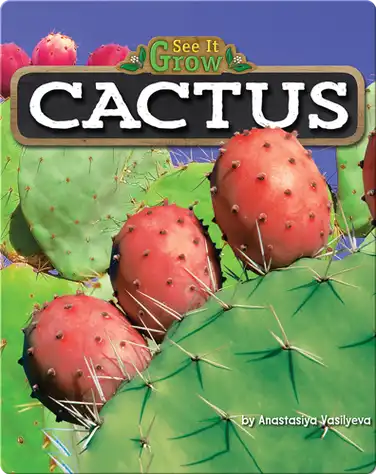
Short Answer
In the vast, sun-scorched expanse of the desert, where life thrives against all odds, the cactus stands as a sentinel of resilience—a prickly paradox of beauty and utility. To children, these spiky sentinels are more than just plants; they are characters in a grand desert saga, whispering secrets of adaptation and survival. Children’s books, with their vivid illustrations and enchanting narratives, transform these desert dwellers into captivating teachers, weaving lessons of nature’s ingenuity into stories that linger long after the last page is turned. From the towering saguaro to the humble barrel cactus, these books don’t just depict plants; they animate ecosystems, turning science into adventure and curiosity into wonder.
The Cactus as a Character: More Than Just a Plant
In the realm of children’s literature, the cactus often transcends its botanical identity to become a protagonist, a mentor, or even a mischievous trickster. Its spines, once seen as mere defenses, become the quills of a porcupine-like guardian, while its water-storing body transforms into a fortress against the relentless desert sun. Picture a story where a young coyote, parched and weary, stumbles upon a cluster of barrel cacti. Instead of fearing the spines, the coyote learns to respect them, discovering that beneath the prickly exterior lies a treasure trove of hydration. This narrative device—turning a plant into a character—does more than entertain; it fosters empathy, teaching children that every living thing, no matter how different, has a role to play in the tapestry of life.
Consider the metaphor of the cactus as a silent storyteller. Its ridges and grooves, etched by time and weather, resemble the lines on an elder’s face—each one a chapter in a desert chronicle. When a child traces these patterns with their fingers, they’re not just exploring a book’s illustration; they’re decoding the language of the land. This tactile engagement bridges the gap between abstract knowledge and lived experience, making the cactus a bridge between the classroom and the wild.
The Desert’s Classroom: Lessons in Adaptation and Survival
The cactus is nature’s masterclass in adaptation, and children’s books distill these lessons into digestible, memorable anecdotes. Through the lens of a picture book, a child might meet a prickly pear cactus whose flat pads are actually modified stems, swollen with water to endure months without rain. Or they might follow the journey of a seed, blown across the dunes by the wind, only to sprout in the most unlikely of places—a crack in a rock, a forgotten crevice. These stories don’t just describe adaptations; they dramatize them, turning survival strategies into gripping tales of perseverance.
One particularly ingenious narrative device is the “cactus as a time capsule.” In a story set in the Sonoran Desert, a saguaro might stand as a witness to centuries of change, its arms stretching toward the sky like the hands of a clock marking the passage of time. Children learn that this towering giant grows a single ring each year, a slow but steady testament to patience and resilience. This metaphor extends beyond botany; it becomes a lesson in delayed gratification, teaching kids that great things take time—whether it’s a cactus blooming after decades or a child mastering a new skill through practice.
Artistry and Metaphor: The Visual Language of Cacti
The allure of cacti in children’s books lies not just in their stories but in their visual representation. Artists wield color, texture, and composition like a painter wielding a brush, transforming spines into geometric patterns and blooms into bursts of fireworks. A vibrant illustration of a cholla cactus might resemble a coral reef, its branches tangled like seaweed, while a close-up of a barrel cactus’s ribs could evoke the pleats of an accordion, hinting at its ability to expand and contract with the seasons.
Metaphorically, the cactus’s silhouette often mirrors the silhouette of a child’s imagination—sharp, unexpected, and full of potential. Its arms, reaching in all directions, symbolize curiosity and exploration. In one book, a child might see their own outstretched arms in the cactus’s embrace, a visual reminder that growth often requires stretching beyond one’s comfort zone. The spines, once feared, become symbols of protection, teaching kids that strength isn’t just about softness but about setting boundaries.
Even the cactus’s flowers—ephemeral and fleeting—serve as metaphors for fleeting moments of joy. A story might depict a child discovering a hidden bloom at dawn, its petals unfurling like a secret shared only with the early risers. This teaches children to appreciate the transient beauty in life, a lesson that resonates far beyond the desert’s edge.
Cultural and Ecological Significance: Cacti as Ambassadors of the Wild
Beyond their ecological roles, cacti carry deep cultural significance, and children’s books often weave these narratives into their tales. In many Indigenous traditions of the Americas, the cactus is a symbol of endurance, healing, and even divinity. A story might recount how the Seri people of Mexico use the pitahaya cactus not just for its fruit but as a source of life in the harshest conditions. By introducing these cultural layers, books transform the cactus from a mere plant into a bridge between past and present, between humans and the natural world.
Ecologically, cacti are keystone species, supporting entire desert communities. A children’s book might introduce a cast of characters—a roadrunner darting between cacti, a tortoise seeking shade beneath their arms, a hummingbird sipping nectar from their blooms. This web of life becomes a living classroom, where children learn that every organism, no matter how small, plays a vital role. The cactus, in this context, is not just a survivor but a provider, a nurturer, a silent guardian of biodiversity.
Interactive Learning: Bringing Cacti to Life Beyond the Page
The magic of cactus-themed children’s books doesn’t end when the cover closes. Many authors and illustrators include interactive elements that extend the learning experience. A book might feature a “plant your own cactus” activity, complete with instructions for growing a resilient little succulent in a sunny windowsill. Or it could include a scavenger hunt, challenging kids to spot cacti in their neighborhood or local park, turning a simple walk into an adventure.
Some books even incorporate augmented reality (AR) features, where scanning a page with a tablet brings the cactus to life in 3D, complete with animations of blooming flowers or a coyote’s thirst being quenched. This blend of technology and nature creates a multisensory experience, engaging children in ways that traditional books alone cannot. The cactus, in these moments, becomes a portal—a gateway to curiosity, exploration, and a deeper connection with the natural world.
The Lasting Impact: Seeds of Wonder Planted in Young Minds
The true power of cactus-themed children’s books lies in their ability to plant seeds of wonder that grow alongside the children who read them. A child who once saw a cactus as just a spiky plant might grow up to see it as a symbol of resilience, a reminder that beauty and strength often coexist in the most unexpected places. These stories don’t just teach facts; they cultivate a mindset—a sense of awe for the natural world and a curiosity about the lives that thrive within it.
In the end, the cactus in children’s books is more than a character or a lesson; it’s an invitation. An invitation to explore, to question, to marvel. It’s a reminder that even in the driest, most inhospitable places, life finds a way—and that way is often as fascinating as it is unexpected. So the next time a child encounters a cactus, whether in a storybook or the wild, they’ll see it not just as a plant, but as a story waiting to be told.
FAQ
How do cacti teach children about survival?
Cacti serve as examples of adaptation and resilience in children’s stories, illustrating how life can thrive in harsh conditions.
What cultural significance do cacti have in children's books?
Cacti are often depicted as symbols of endurance and healing in various Indigenous cultures, offering lessons on interconnectedness and respect for nature.





Leave a Reply