
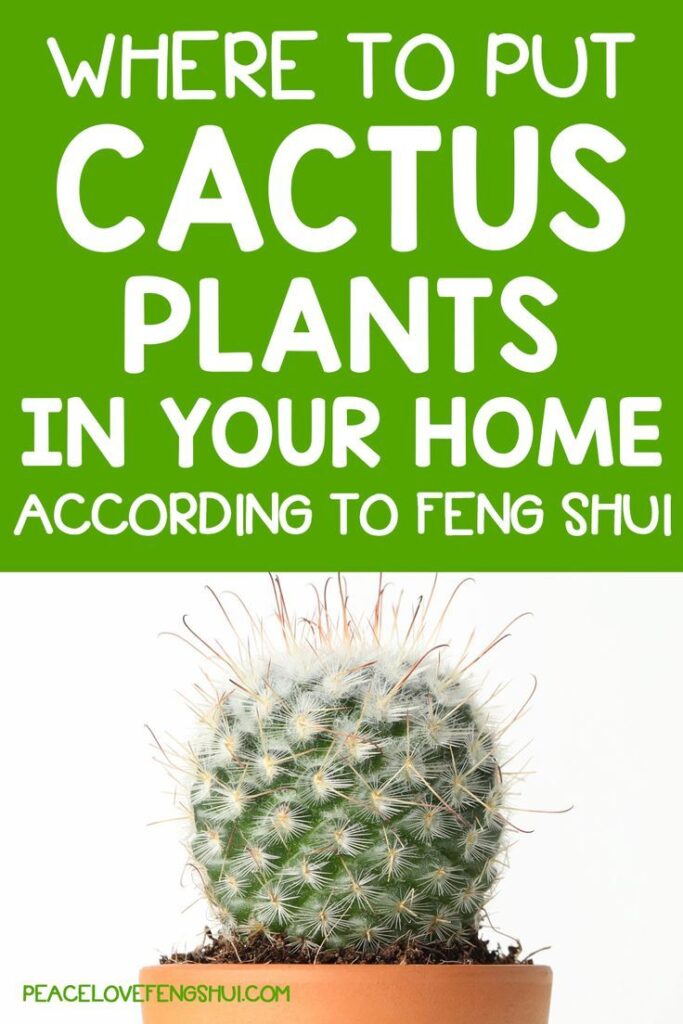
Short Answer
There’s something almost rebellious about the cactus—this spiky, sun-drenched sentinel that thrives where others wither. It’s a plant that doesn’t ask for permission to flourish; it simply does. In the world of feng shui, this quiet defiance translates into a powerful symbol of resilience, protection, and even prosperity. But not all cacti are created equal in the eyes of this ancient art. Their genus, shape, and placement can dramatically shift their energetic influence, turning a humble desert dweller into a feng shui powerhouse—or, if misused, a source of stagnant energy. Whether you’re drawn to the towering saguaro, the round barrel cactus, or the delicate prickly pear, understanding their feng shui language could be the key to unlocking harmony in your home.
The Cactus as a Feng Shui Paradox: Protection vs. Stagnation
At first glance, the cactus seems like a feng shui dream—a natural thorn barrier that wards off negative energy with its sharp spines. Yet, feng shui practitioners often warn against indiscriminate placement. The paradox lies in its dual nature: while its defensive structure repels sha qi (harmful energy), improper positioning can create a fortress-like energy that isolates rather than nurtures. The key is balance. A cactus in a high-traffic area, for instance, might disrupt the flow of chi (life force), making it feel like living in a spiked maze. Conversely, a strategically placed cactus near an entryway can act as a silent guardian, filtering out discord before it enters your space. The trick is to observe how the plant’s energy interacts with the room’s purpose—does it feel like a shield or a cage?
Genus Matters: Decoding the Cactus Alphabet of Energy
Not all cacti speak the same energetic dialect. Their genus often dictates their feng shui role, much like how different herbs have distinct medicinal properties. Let’s explore the most feng shui-relevant genera:
The Columnar Guardians: Saguaro and Cereus
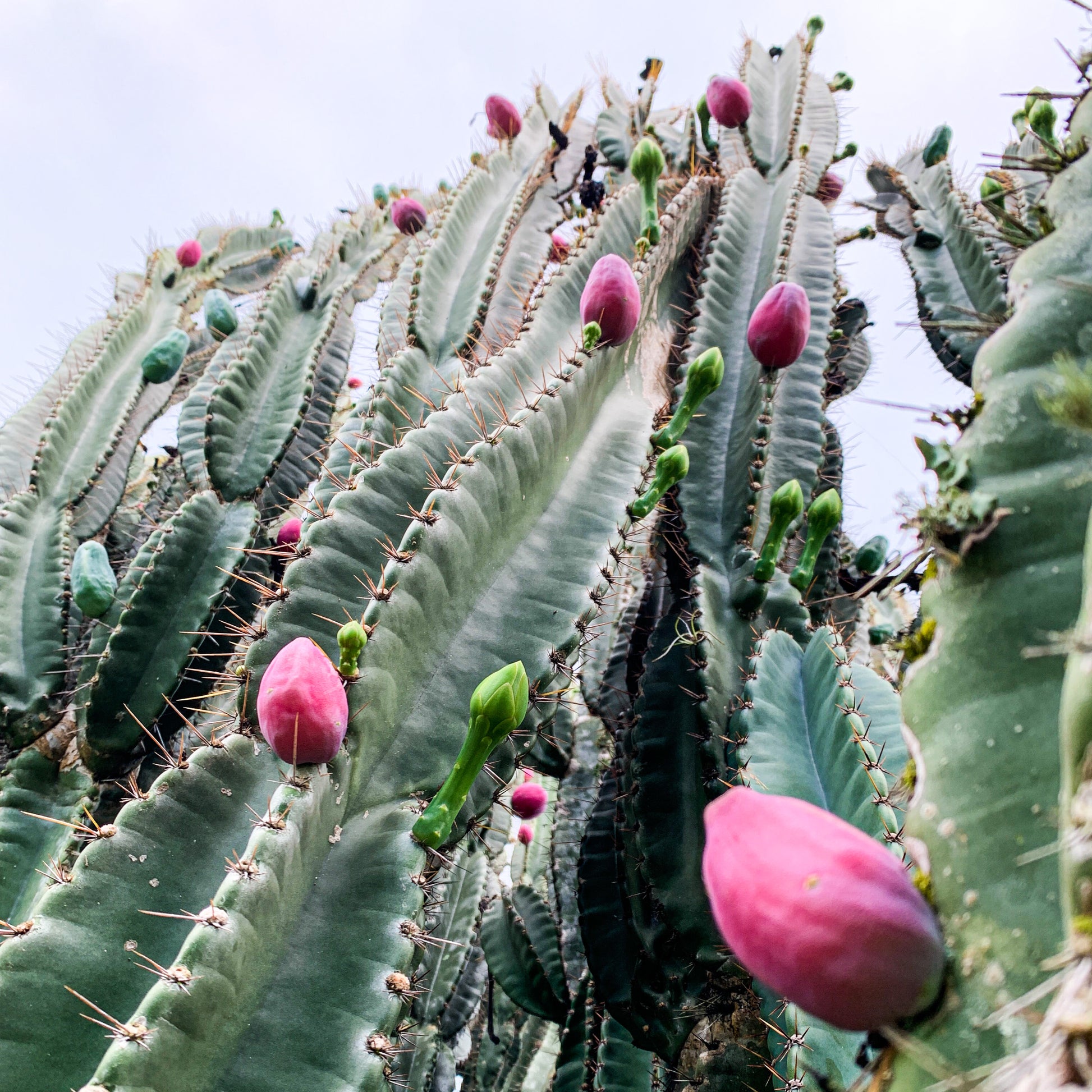
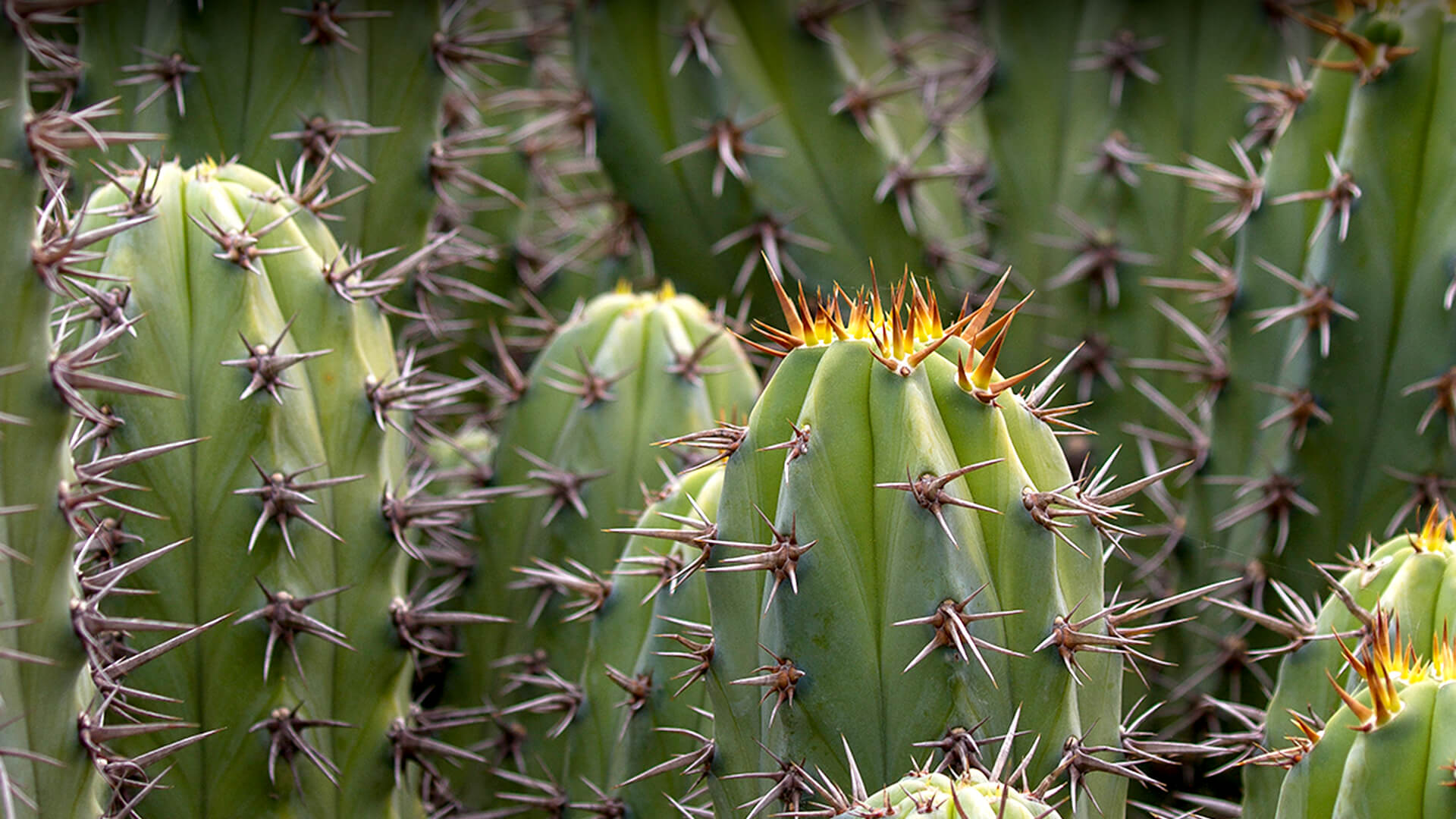
Tall, upright cacti like the saguaro or cereus are the feng shui equivalent of skyscrapers—towering symbols of ambition and upward momentum. Placing one in the career area of your home (the north sector, according to the Bagua map) can amplify your drive for success. Their verticality encourages energy to rise, making them ideal for those seeking promotions or new ventures. However, avoid placing them in bedrooms, where their upward thrust can disrupt restful yin energy. Instead, position them near windows or in a home office to channel their dynamic chi.
The Round and Robust: Barrel and Golden Barrel Cacti
These globular powerhouses are feng shui’s answer to stability and abundance. Their rounded form mimics the shape of coins, making them potent symbols for wealth attraction. A barrel cactus in the southeast corner of your home (the wealth area) can act as a living talisman, drawing financial opportunities. Their slow, steady growth also embodies the principle of patience—reminding us that prosperity often blooms gradually. For an extra boost, pair them with a small water feature nearby to enhance the wood (growth) and water (wealth) cycle in feng shui.
The Flat and Fierce: Prickly Pear and Paddle Cacti
With their flattened pads, these cacti are the feng shui equivalent of a diplomat—sharp in defense but adaptable in form. They’re particularly effective in the east (health/family) or west (creativity/children) sectors, where their flexible yet protective energy can nurture growth without stifling it. Their pads also resemble the shape of a fan, a classic feng shui cure for stagnant energy. Place one in a corner where chi tends to pool, and watch as it fans the energy outward, revitalizing the space.
Placement Pitfalls: Where Cacti Thrive—and Where They Strangle Chi
Even the most potent cactus can become a feng shui liability if misplaced. Here are the critical zones to avoid:
Bedrooms: A cactus in a bedroom is like a guard dog that never sleeps—its sharp energy can disrupt sleep and intimacy. If you’re determined to keep one nearby, opt for a small, rounded species and place it far from the bed, perhaps on a high shelf where its energy is diluted.
Kitchens: The fire element of a stove clashes with the fire-like intensity of a cactus’s spines. Instead, keep cacti in the kitchen only if they’re placed in non-cooking areas, like a windowsill away from the stove, to avoid creating a “burning” energy that can lead to arguments or health issues.
Facing Doors: While a cactus near an entryway can repel negative energy, placing it directly in line with the door can create a “spike” that blocks opportunities. Offset it slightly to the side so it acts as a gentle deflector rather than a barrier.
Bathrooms: The damp, yin energy of a bathroom is the antithesis of a cactus’s dry, yang nature. If you must have one here, choose a miniature variety and place it on a shelf above the toilet to avoid overwhelming the space with its fire energy.
Cactus Feng Shui Beyond the Plant: Symbolic Pairings and Rituals
Feng shui isn’t just about physical objects—it’s about the stories we weave around them. To amplify a cactus’s benefits, consider these symbolic enhancements:
Crystals and Stones: Pair your cactus with a citrine cluster to supercharge its wealth-attracting properties, or place a clear quartz nearby to amplify its protective energy. The combination of sharp (cactus) and smooth (crystal) creates a balanced defense mechanism.
Water Elements: In feng shui, water feeds wood, and wood feeds fire. A small fountain or bowl of water near a cactus in the east or southeast can create a harmonious cycle, ensuring the plant’s energy doesn’t become too dry or aggressive.
Seasonal Adjustments: In spring and summer, when chi is naturally rising, place cacti in lower, grounding positions to balance the upward energy. In autumn and winter, elevate them slightly to encourage the flow of stagnant energy upward and out.
The Deeper Allure: Why Cacti Fascinate Us
There’s a primal draw to cacti that transcends feng shui—a fascination rooted in their ability to survive where others perish. They’re a reminder that resilience isn’t about softness; it’s about adaptation. In a world where we’re often told to “bloom where we’re planted,” the cactus blooms where it’s *not*—in the cracks of rocks, in the blistering sun, in the absence of soil. This defiance resonates with our own struggles, making the cactus a silent mentor in the art of thriving against odds. Perhaps that’s why we’re so drawn to their feng shui potential: because they teach us that protection doesn’t require gentleness, and growth doesn’t always come easily.
Final Thoughts: Cultivating Chi with Cacti
Incorporating cacti into your feng shui practice isn’t just about aesthetics—it’s about aligning your environment with the rhythms of nature. Whether you’re seeking protection, prosperity, or simply a touch of desert magic, the right cactus in the right place can transform your space from ordinary to extraordinary. Just remember: the key to feng shui isn’t in the plant itself, but in the intention you infuse into it. So choose your cactus wisely, place it with purpose, and let its spiky wisdom guide you toward a home that’s as resilient as it is radiant.
FAQ
What is the significance of cacti in feng shui?
Cacti symbolize resilience and protection in feng shui, but their placement is crucial to ensure they enhance rather than hinder energy flow.
Which genera of cacti are best for feng shui?
The saguaro and cereus are ideal for ambition, barrel cacti attract wealth, and prickly pears nurture growth.

Leave a Reply