

Short Answer
The world of cacti is a tapestry of resilience, adaptation, and breathtaking diversity. These spiny sentinels of the desert have thrived in some of Earth’s most inhospitable landscapes, yet their future hangs in a delicate balance. As climate change reshapes ecosystems and human activity encroaches upon their habitats, the very existence of many cactus genera is under threat. But within this challenge lies an extraordinary opportunity—a chance to redefine conservation, to foster global collaboration, and to unlock the secrets these plants hold for medicine, agriculture, and even climate resilience. The future of cactus genera is not just a story of survival; it’s a narrative of transformation, innovation, and hope.
The Vanishing Giants: Why Cactus Genera Are Facing Extinction
Imagine a world where the saguaro’s towering arms no longer pierce the desert sky, where the vibrant blooms of the prickly pear fade into memory. This isn’t a dystopian fantasy—it’s a looming reality for many cactus genera. Habitat destruction, driven by urban sprawl, agriculture, and mining, is carving away at their natural ranges. Climate change exacerbates the crisis, altering precipitation patterns and pushing temperatures beyond the tolerance of these specialized plants. Illegal harvesting for the horticultural trade further decimates wild populations, with rare species fetching exorbitant prices in black markets.
But the threats don’t end there. Invasive species, often introduced by human activity, outcompete native cacti for resources, while diseases—some exacerbated by global trade—spread unchecked. The result? A silent extinction crisis unfolding in slow motion. Yet, amid this gloom, a critical question emerges: What if the key to saving these genera lies not in preserving the status quo, but in embracing a radical shift in how we perceive and protect them?
Biodiversity Hotspots: Where Cactus Genera Thrive—and Where They’re Most Vulnerable
Cactus genera are not evenly distributed across the globe. They flourish in biodiversity hotspots—regions teeming with life yet paradoxically fragile. The Chihuahuan Desert, the Andes, and the Brazilian Caatinga are among the most prolific, hosting species found nowhere else on Earth. These areas are not just ecological marvels; they are genetic treasure troves, holding the raw material for future scientific breakthroughs.
Yet, these hotspots are also on the frontlines of environmental degradation. Take the Atacama Desert, one of the driest places on the planet, where cacti like the Eulychnia genus have evolved to survive on minimal moisture. Here, even slight shifts in climate can tip the balance from survival to extinction. Similarly, the Madrean Archipelago—a mountainous region spanning the U.S.-Mexico border—is a cactus biodiversity epicenter, yet it’s increasingly fragmented by development. Protecting these areas requires more than fences and laws; it demands a deep understanding of their ecological intricacies and a commitment to sustainable coexistence.
The Hidden Economies: How Cacti Fuel Trade, Medicine, and Culture
Cacti are far more than ornamental plants; they are economic powerhouses. The global trade in cacti is a multi-billion-dollar industry, with rare species commanding prices that rival fine art. But this trade is a double-edged sword. While it provides livelihoods for collectors, nurseries, and exporters, it also fuels poaching and habitat destruction. The Turbinicarpus genus, for instance, is so coveted by enthusiasts that some species are nearly extinct in the wild.
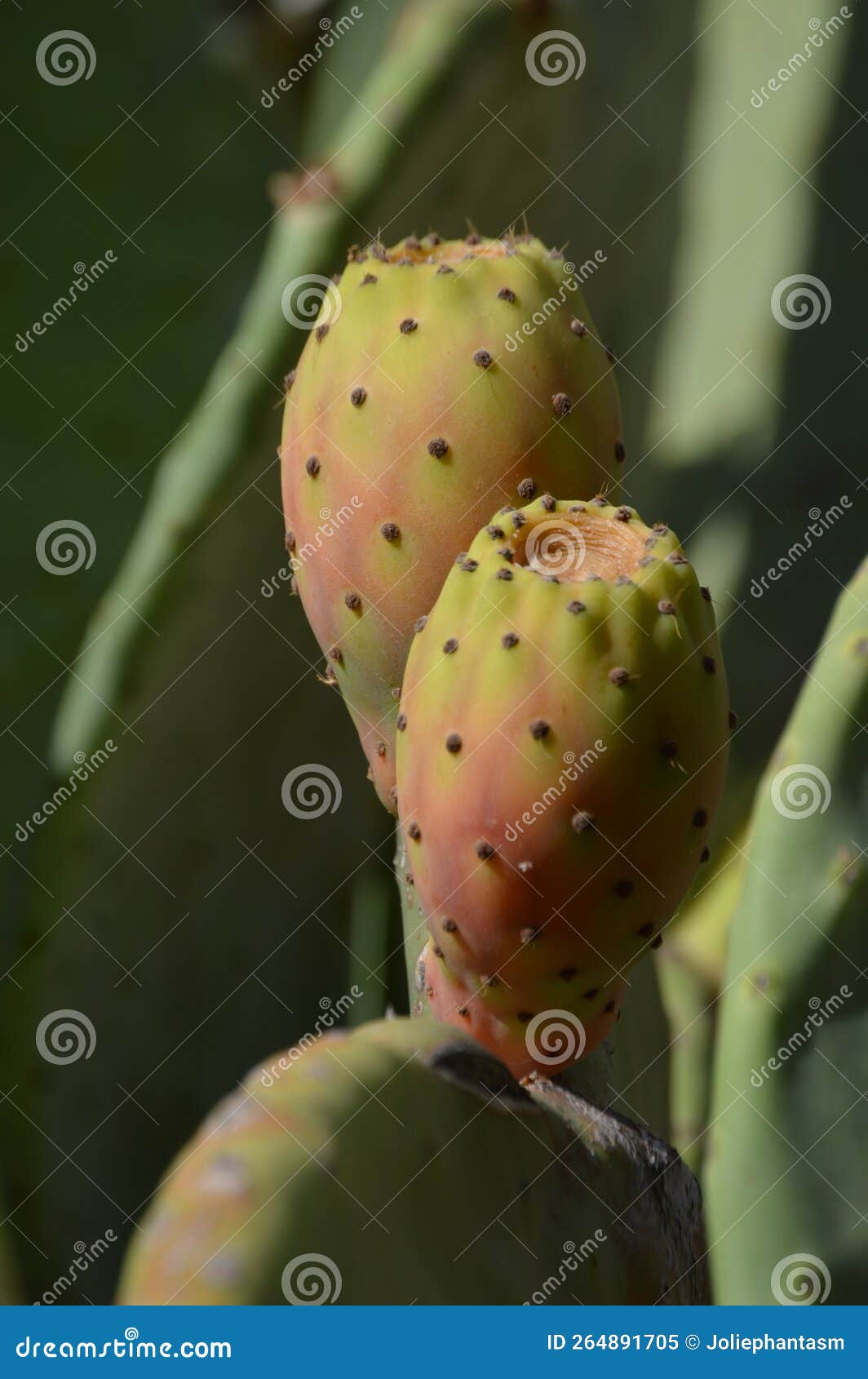
Beyond horticulture, cacti play a pivotal role in traditional medicine. The Lophophora genus, better known as peyote, has been used for centuries in indigenous rituals and is now being studied for its potential in treating addiction and mental health disorders. Meanwhile, the Opuntia genus—commonly known as prickly pear—is a staple in diets across the Americas, its pads and fruits packed with nutrients and bioactive compounds. Even the humble Mammillaria has been tapped for its antimicrobial properties. These plants are not just survivors; they are unsung heroes of human health and culture.
Climate Resilience: Can Cacti Adapt—or Will They Be Left Behind?
The question of climate resilience is perhaps the most pressing of our time. Cacti have evolved over millennia to endure extreme conditions, but the pace of climate change is unprecedented. Rising temperatures, prolonged droughts, and erratic weather patterns are pushing these plants to their limits. Some genera, like Ferocactus, are showing remarkable adaptability, shifting their ranges or altering their growth patterns. Others, however, are struggling to keep up. The Echinocactus genus, with its slow growth and long lifespan, is particularly vulnerable—its survival hinges on conditions that may no longer exist in a few decades.
Yet, there’s a glimmer of hope in the concept of assisted migration. By strategically relocating vulnerable species to more suitable habitats, conservationists are exploring ways to buy time for these plants. But this approach is fraught with ethical and practical challenges. What if the new habitat isn’t truly suitable? What if invasive species or diseases follow? The future of cactus genera may depend on our ability to balance intervention with humility—recognizing that we don’t have all the answers, but we must act nonetheless.
Conservation Innovations: From Seed Banks to Citizen Science
The fight to save cactus genera is being waged on multiple fronts, and innovation is at its heart. Seed banks, like those operated by botanic gardens and conservation organizations, are preserving genetic diversity for future restoration efforts. The Sclerocactus genus, for example, has seen its seeds cryogenically stored, ensuring that even if wild populations collapse, their legacy endures.
Citizen science is another game-changer. Projects like the Cactus Conservation Initiative enlist amateur botanists and hikers to document cactus populations, track changes over time, and report illegal activity. This grassroots approach not only gathers critical data but also fosters a sense of stewardship among communities. Meanwhile, cutting-edge technologies—drones, AI, and DNA barcoding—are revolutionizing how we monitor and protect these plants. Imagine a drone equipped with hyperspectral imaging scanning the Sonoran Desert, identifying stressed cacti before they’re visible to the human eye.
But perhaps the most transformative innovation is the rise of community-led conservation. Indigenous groups, long the stewards of these lands, are reclaiming their role in protecting cactus genera. In Mexico’s Tehuacán-Cuicatlán Valley, local communities have established ejidos—communal lands—where cacti are harvested sustainably, ensuring both economic benefits and ecological integrity. These models prove that conservation doesn’t have to be a top-down endeavor; it can be a collaborative, culturally rooted effort.
The Global Pact: International Efforts to Safeguard Cactus Genera
No single country or organization can save cactus genera alone. The challenge demands a global pact, one that transcends borders and unites scientists, policymakers, and local communities. The Convention on International Trade in Endangered Species (CITES) has already listed several cactus species under its appendices, restricting their trade. But enforcement remains inconsistent, and illegal trafficking persists. Strengthening international cooperation—through joint research, shared resources, and standardized regulations—is essential.
Regional initiatives are also making strides. In South America, the Andean Cat Alliance is leveraging the charisma of the Andean mountain cat to protect its habitat, which overlaps with critical cactus ranges. By focusing on flagship species, these projects indirectly safeguard entire ecosystems. Meanwhile, the Global Strategy for Plant Conservation sets ambitious targets for plant conservation, including cacti, by 2030. Achieving these goals will require not just political will but a fundamental rethinking of how we value biodiversity in a world dominated by human needs.
The Ethical Dilemma: Balancing Conservation with Human Needs
At the heart of cactus conservation lies a profound ethical dilemma: How do we protect these plants without denying people the resources they need to thrive? For many communities, cacti are a lifeline—providing food, medicine, and income. The Stenocereus genus, for instance, is a vital food source in arid regions, its fruits harvested during the dry season when other crops fail. Banning its collection could devastate local economies.
This tension calls for nuanced solutions. Sustainable harvesting practices, such as those employed by the Hoodia growers in Southern Africa, demonstrate that it’s possible to meet human needs while preserving wild populations. Similarly, eco-tourism—where visitors pay to see cacti in their natural habitats—can turn these plants into economic assets rather than liabilities. The key is to design policies that empower communities, not impoverish them. Conservation, after all, is not just about saving species; it’s about saving the people who depend on them.
A Call to Action: What You Can Do to Help
The future of cactus genera is not a spectator sport. Every one of us has a role to play, whether we live in the heart of the desert or a concrete jungle. Start by educating yourself—learn about the cacti native to your region and the threats they face. Support organizations like the Cactus and Succulent Society or Botanic Gardens Conservation International, which are on the frontlines of preservation efforts.
If you’re a gardener, opt for nursery-grown cacti over wild-collected specimens. Advocate for stronger protections in your community, whether that means pushing for local conservation ordinances or volunteering in habitat restoration projects. Even small actions—like reducing water waste or supporting sustainable agriculture—can ripple outward, creating a more hospitable world for cacti and all living things.
The story of cactus genera is still being written. It’s a tale of loss and resilience, of destruction and renewal. But most of all, it’s a story about us—our choices, our values, and our willingness to act. The future of these remarkable plants is not predetermined. It’s a canvas, waiting for us to pick up the brush and paint a new vision—one where cacti don’t just survive, but thrive.
FAQ
What are the main threats to cactus genera?
Cactus genera face threats from habitat destruction, climate change, illegal harvesting, and invasive species.
How can cactus conservation be improved?
Conservation can be improved through seed banks, citizen science projects, and community-led initiatives.
What role do cacti play in ecosystems?
Cacti contribute to biodiversity, provide habitats for various species, and are important in traditional medicine and culture.

Leave a Reply