
Short Answer
In the vast, sun-drenched landscapes of Mexico’s arid regions, a tiny titan thrives—one that punches far above its weight in charm, resilience, and botanical intrigue. Meet Turbinicarpus, a genus of miniature cacti that captivates enthusiasts with their diminutive stature yet striking forms. These “living jewels” may be small in size, but they possess a big personality, boasting intricate ribbing, vibrant blooms, and a tenacious spirit that endears them to collectors worldwide. Whether you’re a seasoned succulent aficionado or a curious beginner, cultivating Turbinicarpus offers a rewarding journey into the world of micro-cacti, where every spine and petal tells a story of adaptation and beauty.
The Allure of Turbinicarpus: A Closer Look at Nature’s Miniature Masterpieces
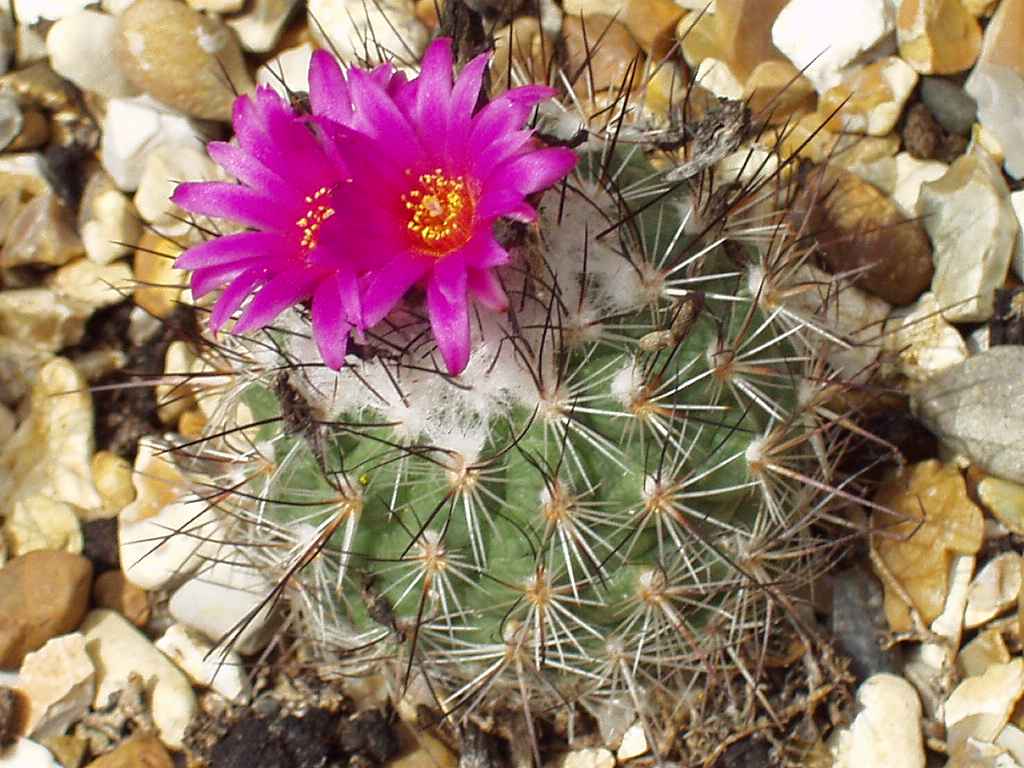
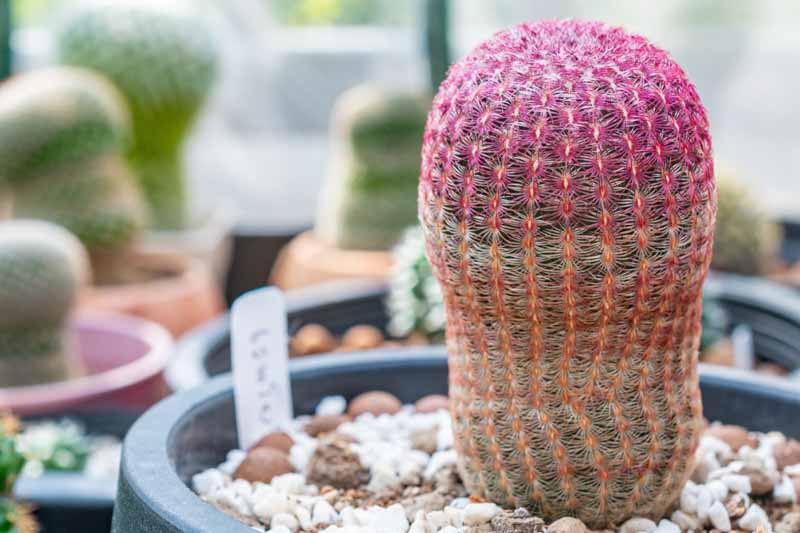
Turbinicarpus cacti are not your average houseplants—they are architectural marvels, sculpted by evolution to perfection. Their globular or cylindrical forms, often no larger than a golf ball, are adorned with delicate, spiraling ribs and clusters of fine, hair-like spines that shimmer in the sunlight. Some species, like Turbinicarpus valdezianus albiflorus, flaunt snowy-white flowers that contrast dramatically against their deep green bodies, while others, such as Turbinicarpus schmiedickeanus, display bold, geometric patterns that resemble ancient carvings. These cacti are slow-growing, which only amplifies their mystique; each new spine or bloom is a testament to patience and care. Their compact size makes them ideal for windowsill gardens, terrariums, or even as part of a living art installation, where their presence adds a touch of the wild to indoor spaces.
Their diminutive stature belies a fierce survival instinct. Native to the Chihuahuan Desert and other harsh environments, Turbinicarpus have evolved to store water in their plump stems and endure prolonged droughts. This resilience makes them not just decorative, but also a symbol of tenacity—a reminder that great things often come in small packages. For collectors, their rarity and the challenge of coaxing them to bloom add layers of excitement, turning each plant into a prized possession.
Choosing Your Turbinicarpus: Species and Varieties to Fall in Love With
The genus Turbinicarpus encompasses over two dozen species, each with its own unique personality and aesthetic appeal. Among the most sought-after is Turbinicarpus pseudopectinatus, known for its peach-colored flowers and dense, comb-like spines that resemble a meticulously groomed mustache. Then there’s Turbinicarpus lophophoroides, a species that flaunts a crown of golden spines and produces luminous pink blooms, evoking the soft hues of a desert sunrise. For those drawn to contrast, Turbinicarpus horripilus offers a striking display of dark green bodies adorned with long, bristly spines that seem to dance in the breeze.
When selecting a Turbinicarpus, consider your growing environment and aesthetic preferences. Some species thrive in bright, indirect light, while others prefer the dappled shade of a rock garden. The key is to match the plant’s natural habitat as closely as possible. For instance, species from higher elevations, like Turbinicarpus schmiedickeanus, may require cooler temperatures and more pronounced seasonal changes to trigger blooming. Researching each variety’s specific needs will ensure your tiny cactus not only survives but thrives, rewarding you with its unique character for years to come.
Creating the Perfect Habitat: Light, Soil, and Container Essentials
Turbinicarpus may be small, but they demand precision in their care. Light is the cornerstone of their well-being. These cacti crave bright, indirect sunlight, mimicking the dappled shade of their native rocky outcrops. A south-facing windowsill or a grow light set to 12–14 hours a day is ideal. However, beware of harsh midday sun, which can scorch their delicate skins. If you notice your Turbinicarpus stretching or bleaching, it’s a sign it’s begging for more shade or a gentler light source.
Soil composition is equally critical. Turbinicarpus despise soggy roots, so a well-draining mix is non-negotiable. A blend of coarse sand, perlite, and a high-quality cactus or mineral soil (like pumice or lava rock) will replicate their natural, mineral-rich habitats. Avoid peat-heavy mixes, as they retain too much moisture and can lead to rot. For an extra touch of authenticity, consider adding a layer of fine gravel or crushed granite to the soil surface to reflect the desert’s reflective glare and deter pests.
The choice of container is another opportunity to showcase your Turbinicarpus’s personality. Shallow, unglazed clay pots are excellent for their breathability and moisture-wicking properties. Terracotta, with its earthy tones, complements the cacti’s rugged charm, while ceramic or plastic containers can work if they have ample drainage holes. For a whimsical twist, try planting multiple species in a single, wide dish to create a miniature desert tableau. Just ensure each plant has enough space to prevent overcrowding and competition for resources.
Watering Wisdom: The Delicate Dance of Hydration
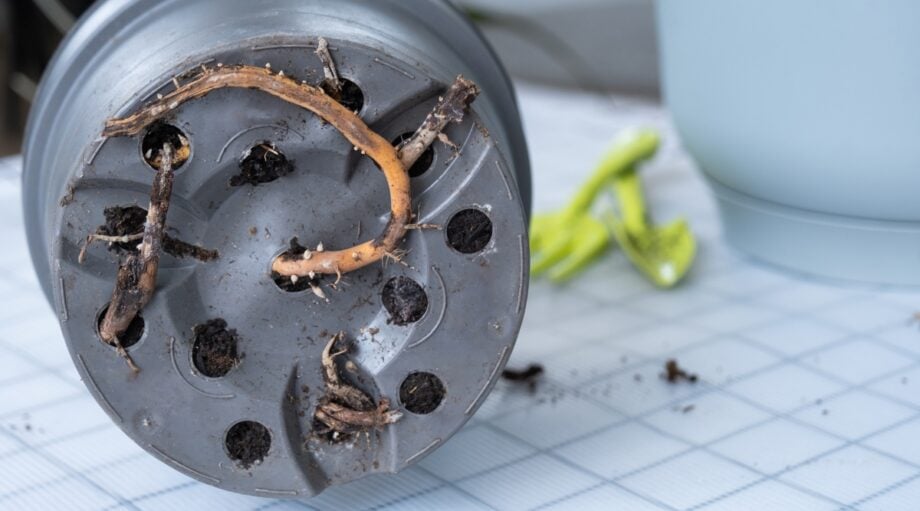
Watering a Turbinicarpus is less about routine and more about intuition. These cacti are masters of water conservation, and their care reflects that philosophy. The golden rule? Less is more. During the growing season (spring and summer), water sparingly—only when the soil is completely dry to the touch, typically every 2–3 weeks. In winter, when they enter dormancy, reduce watering to a bare minimum, allowing the soil to dry out almost entirely between sessions. Overwatering is the fastest path to root rot, a silent killer that can claim your prized plant before you even notice the signs.
To water effectively, use the “soak and dry” method: thoroughly drench the soil until water runs out of the drainage holes, then let it dry out completely. This mimics the sporadic rainfall of their natural habitat and encourages healthy root growth. If you’re unsure whether your Turbinicarpus needs water, err on the side of caution. A slight wrinkling of the stem is a natural response to drought and a clear indicator that hydration is due. Conversely, a plump, firm stem signals contentment and a temporary pause in watering.
Feeding the Tiny Titans: Fertilizer Strategies for Optimal Growth
While Turbinicarpus are not heavy feeders, a judicious application of fertilizer can coax them into vibrant health and encourage those coveted blooms. During the growing season, a balanced, diluted cactus fertilizer (with an NPK ratio of 2-7-7 or similar) applied every 4–6 weeks will provide the necessary nutrients without overwhelming their delicate systems. Avoid high-nitrogen fertilizers, as they can promote excessive, weak growth that is prone to pests and disease.
Timing is everything. Fertilize sparingly in the early spring to kickstart growth, then taper off as summer wanes. Skip fertilizing entirely during the dormant winter months, as the plant’s metabolic processes slow to a crawl. If you’re using a liquid fertilizer, always apply it to moist soil to prevent root burn. For a more organic approach, consider a top dressing of worm castings or a light sprinkle of crushed eggshells to provide slow-release calcium, which supports spine and flower development.
Pests, Problems, and Proactive Care: Keeping Your Turbinicarpus Thriving
Even the hardiest Turbinicarpus can fall prey to pests or environmental stressors. Mealybugs and spider mites are the usual suspects, lurking in the nooks of spines or the crevices of ribs. These tiny vampires suck sap from the plant, causing stunted growth and yellowing. Combat them with a cotton swab dipped in rubbing alcohol or a neem oil solution, applied with precision to avoid damaging the delicate spines. For a more natural deterrent, introduce beneficial insects like ladybugs to your growing area—they’ll happily feast on mealybugs and keep populations in check.
Environmental issues are another common pitfall. Drafts, sudden temperature drops, or excessive humidity can stress your Turbinicarpus, leading to mushy stems or fungal infections. Ensure your plant is placed in a stable environment with temperatures between 70–85°F (21–29°C) during the day and a slight drop at night. If you live in a humid climate, consider using a small fan to improve air circulation around the plant. Yellowing or softening of the stem is often a sign of overwatering, while crispy, brown patches indicate sunburn or underwatering. Address these issues promptly to restore your cactus to its former glory.
Propagation: Growing Your Collection Through Patience and Precision
Expanding your Turbinicarpus collection through propagation is a rewarding endeavor that deepens your connection to these botanical gems. The most common method is through offsets, or “pups,” which some species produce around their base. Gently separate these offsets using a clean, sharp knife, ensuring each has a portion of the root system intact. Allow the cut surfaces to callous over for a day or two before planting in a fresh, dry soil mix to prevent rot. Keep the soil lightly moist for the first few weeks, then revert to the standard watering routine.
Seed propagation is another option, though it requires patience and a steady hand. Sow seeds in a well-draining mix, lightly covering them with a fine layer of sand to mimic their natural germination conditions. Maintain high humidity and consistent warmth (around 75°F/24°C) until germination, which can take several weeks. Once seedlings emerge, gradually acclimate them to brighter light and drier conditions. While slower, seed-grown Turbinicarpus often develop stronger root systems and a greater resilience to environmental challenges.
Designing with Turbinicarpus: Creative Ways to Showcase Your Tiny Treasures
The versatility of Turbinicarpus makes them a designer’s dream. Their compact size and striking forms lend themselves to a variety of creative displays. For a minimalist aesthetic, arrange a cluster of different species in a single, shallow dish, using gravel or sand to create a desert-inspired landscape. Add a few small rocks or a miniature figurine to evoke a scene straight out of a fairy tale. For a modern twist, mount your Turbinicarpus on a vertical garden panel, where their spines and blooms create a living tapestry against a clean, neutral background.
Terrariums offer another enchanting option, especially for those who enjoy a touch of whimsy. Combine Turbinicarpus with air plants, mosses, and tiny succulents to craft a self-contained ecosystem that thrives on neglect. Just ensure the terrarium has adequate drainage and ventilation to prevent excess moisture. For a bold statement, pair your cacti with contrasting textures—think smooth river stones, twisted driftwood, or even a bed of black sand to make their vibrant spines pop. The key is to let your Turbinicarpus take center stage, with each element in your design serving to highlight their unique personalities.

This image captures the ethereal beauty of Turbinicarpus valdezianus albiflorus, a species renowned for its pristine blooms and delicate appearance. The contrast between the white flowers and the cactus’s green body is a testament to nature’s ability to create harmony in miniature forms.
The Reward of Patience: Blooming and Beyond
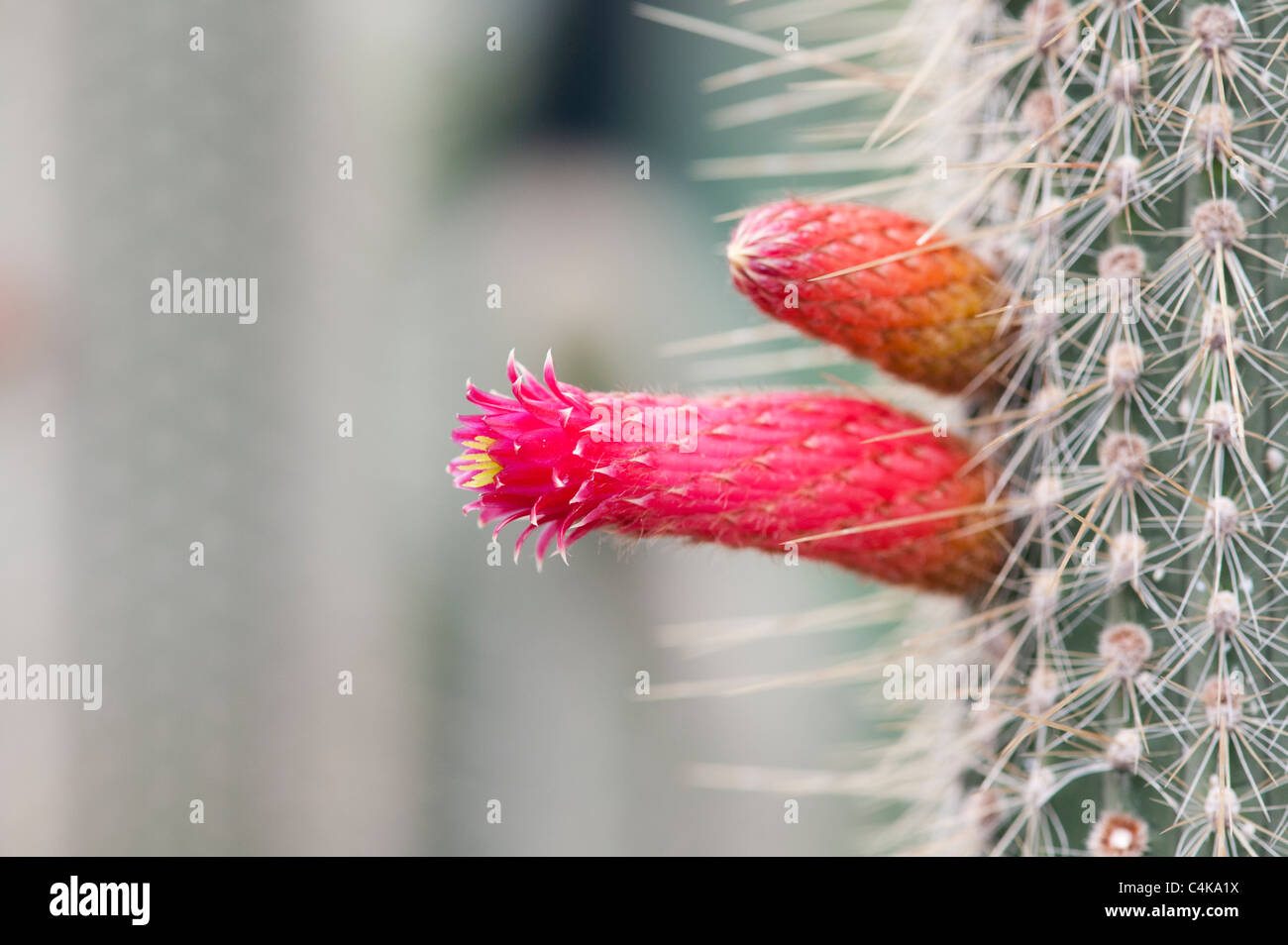
Few experiences in the world of cactus cultivation rival the joy of witnessing a Turbinicarpus in full bloom. These tiny spectacles are fleeting, often lasting just a few days, but their impact is unforgettable. To encourage blooming, ensure your plant receives adequate light and a period of cool dormancy in winter. A slight reduction in watering during this time can mimic the natural cycles of their habitat and trigger flower production. When the buds appear, resist the urge to move the plant, as sudden changes in light or temperature can cause them to abort.
Once your Turbinicarpus has bloomed, resist the temptation to prune or remove the spent flowers immediately. Instead, allow the seed pods to mature, as they can be harvested and used for propagation or simply enjoyed as a natural ornament. Over time, your plant may produce offsets or grow larger, giving you the opportunity to share its beauty with others. Each bloom is a celebration of your care and patience, a reminder that even the smallest plants can bring immense joy.
FAQ
What are the ideal light conditions for Turbinicarpus cacti?
Turbinicarpus cacti thrive in bright, indirect sunlight, simulating the dappled shade of their native habitats.
How often should I water my Turbinicarpus?
Water your Turbinicarpus every 2–3 weeks during the growing season, and reduce to a minimum during dormancy in winter.


Leave a Reply