
Short Answer
Have you ever paused to consider how a prickly, sun-loving succulent could become the unlikely hero of a community’s survival story? Cacti, those stoic sentinels of arid landscapes, are not just surviving—they’re thriving, thanks to the tireless efforts of local conservationists who’ve turned their passion for these spiky wonders into a movement that’s rewriting the rules of ecological resilience. Welcome to the world of community-led cactus conservation, where every thorn tells a tale of resilience, and every bloom is a testament to human ingenuity.
The Unassuming Titans: Why Cacti Deserve Our Attention
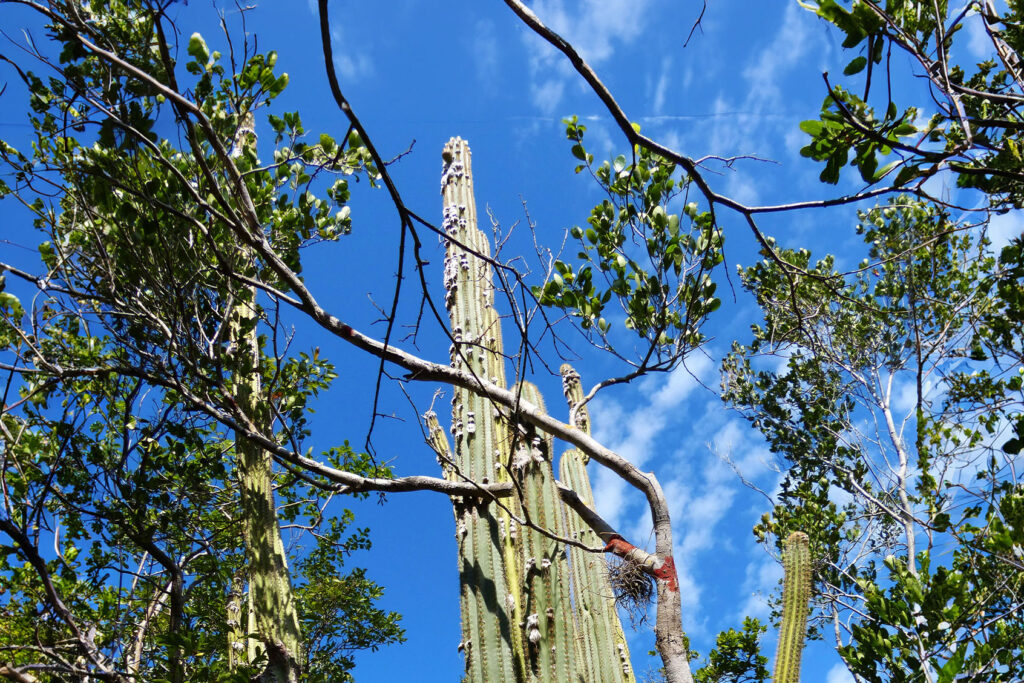
Cacti are the unsung MVPs of the plant kingdom. With over 1,800 species scattered across the Americas, these desert dwellers have mastered the art of survival in conditions that would make most plants throw in the towel. Their thick, waxy skins minimize water loss, their spines deter predators, and their deep root systems anchor them in the harshest of soils. But here’s the kicker: cacti are more than just survivors. They’re ecosystem engineers, providing shelter for insects, birds, and small mammals, and even serving as a vital water source for wildlife during droughts.
Yet, despite their resilience, cacti face a growing threat—habitat destruction, illegal harvesting, and climate change. Enter the unsung heroes: local communities who’ve recognized that these prickly plants are worth fighting for. By championing cactus conservation, they’re not just protecting a species; they’re safeguarding a way of life.
The Grassroots Guardians: How Communities Are Leading the Charge
Imagine a small village nestled in the foothills of a desert mountain range. The elders gather around a fire, sharing stories of cacti that once dotted the landscape like silent sentinels. But today, those cacti are vanishing, replaced by urban sprawl and agricultural fields. This isn’t just a loss of plants—it’s a loss of cultural identity. That’s why these communities are taking matters into their own hands.
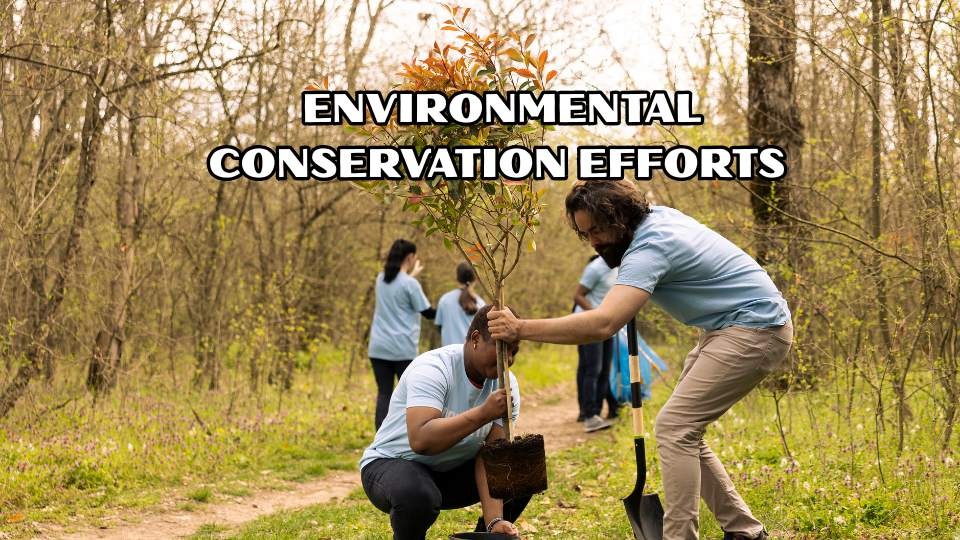
From Mexico’s Chihuahuan Desert to the highlands of Argentina, local groups are launching cactus conservation initiatives that blend traditional knowledge with modern science. They’re planting native species, restoring degraded habitats, and even cultivating cacti in community gardens to reduce pressure on wild populations. Some are going a step further, partnering with scientists to study cactus genetics and propagation techniques, ensuring that future generations can continue to benefit from these remarkable plants.
But here’s where it gets interesting: these efforts aren’t just about saving cacti. They’re about reclaiming a connection to the land. For many indigenous communities, cacti hold deep spiritual and medicinal significance. By protecting these plants, they’re preserving a legacy that stretches back centuries.
The Thorny Challenge: Balancing Conservation and Livelihoods
Of course, conservation isn’t always straightforward. For communities that rely on agriculture or livestock, cacti can be seen as competition—plants that hog water and space. Then there’s the issue of illegal trade. Rare cacti, like the Lophophora williamsii (better known as peyote), are highly sought after in black markets, putting immense pressure on wild populations. How do you convince a farmer that a cactus is worth more alive than dead when their livelihood depends on every drop of water?
This is where the real magic happens. Conservationists are finding innovative ways to turn cacti into economic assets. In some regions, communities are harvesting cactus fruits for jams and juices, while others are cultivating ornamental species for sale. By creating sustainable income streams, they’re proving that cacti can be worth more in the ground than in a poacher’s bag. It’s a delicate balance, but one that’s yielding remarkable results.
The Ripple Effect: How One Community’s Efforts Inspire Others
Conservation is contagious. When one community sees another thriving through cactus conservation, they’re inspired to take action. Take the case of the Ferocactus species in the Sonoran Desert. Once threatened by overharvesting, local groups banded together to establish protected areas and promote sustainable harvesting practices. Today, these cacti are not only recovering but also serving as a model for similar initiatives across the globe.
It’s a domino effect of positive change. Schools are incorporating cactus conservation into their curricula, teaching children the value of these plants from a young age. Tourists are flocking to desert regions to see cacti in their natural habitats, boosting local economies. Even governments are taking notice, enacting policies that support community-led conservation efforts.
The Future of Cactus Conservation: A Call to Action
So, what’s next for cactus conservation? The answer lies in collaboration. Scientists, policymakers, and communities must work hand in hand to ensure that these plants continue to thrive. That means investing in research, supporting local initiatives, and raising awareness about the importance of cacti—not just as symbols of resilience, but as vital components of healthy ecosystems.
But here’s the playful challenge we must all grapple with: Can we, as a global community, rise to the occasion? Can we look beyond the immediate and see the long-term value in protecting these prickly pioneers? The answer isn’t just in our hands—it’s in our gardens, our policies, and our collective will to make a difference.
So, the next time you see a cactus, take a moment to appreciate its quiet strength. And remember, it’s not just a plant. It’s a story of survival, a symbol of hope, and a reminder that even the smallest efforts can lead to the greatest transformations.
FAQ
What is community-led cactus conservation?
It refers to local efforts to protect cactus species and promote ecological resilience through community initiatives.
What are the main threats to cacti?
Cacti face threats like habitat destruction, illegal harvesting, and climate change.




Leave a Reply