
Short Answer
In the arid landscapes of northern Mexico and southern Texas, a botanical marvel thrives—one that defies conventional expectations of what a plant should look like. Meet Ariocarpus fissuratus, the living rock cactus, a succulent so perfectly adapted to its harsh environment that it appears more like a geological formation than a living organism. With its flattened, gray-green body adorned with fissures and tubercles, this cactus is a master of disguise, blending seamlessly into the rocky terrain it calls home. But don’t let its unassuming appearance fool you; the living rock cactus is a resilient survivor, capable of enduring extreme drought and temperature fluctuations with ease. Whether you’re a seasoned succulent enthusiast or a curious newcomer, growing Ariocarpus fissuratus offers a unique opportunity to cultivate a piece of desert resilience in your own home. Let’s dive into the fascinating world of this “living rock” and uncover the secrets to nurturing it successfully.
The Enigmatic Allure of Ariocarpus: A Botanical Masterpiece
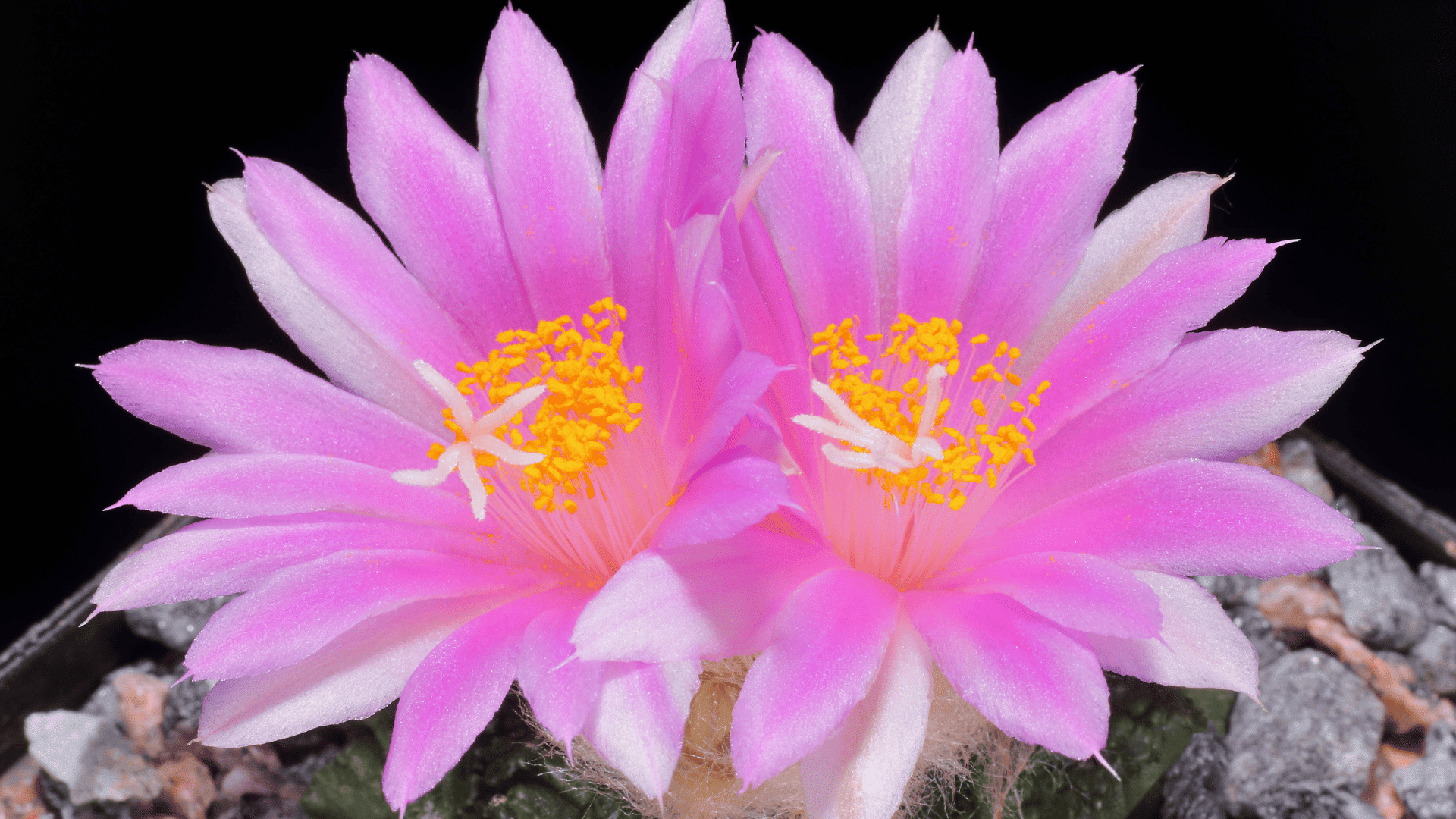
The Ariocarpus genus, a member of the Cactaceae family, is a small but extraordinary group of cacti that have evolved to perfection in some of the most unforgiving environments on Earth. Among its members, Ariocarpus fissuratus stands out for its uncanny resemblance to limestone or shale, a trait that serves as both camouflage and protection against herbivores. This cactus’s body is a marvel of evolutionary engineering, composed of thick, fleshy tubercles that store water and nutrients, allowing it to survive prolonged periods without rainfall. The fissures between these tubercles are not just decorative—they play a crucial role in the cactus’s survival, channeling rainwater directly to the roots and minimizing evaporation. When in bloom, Ariocarpus fissuratus reveals another layer of its beauty, producing delicate, daisy-like flowers in shades of pink, purple, or white, which emerge from the fissures like jewels in a rocky crown. For collectors, this cactus is more than just a plant; it’s a living sculpture, a testament to nature’s ingenuity.
Choosing the Right Substrate: The Foundation of Success
To replicate the natural habitat of Ariocarpus fissuratus, the substrate—or growing medium—must be porous, gritty, and exceptionally well-draining. Standard potting mixes, even those labeled for cacti, are often too dense and retain too much moisture, which can spell disaster for this drought-loving species. Instead, opt for a blend that mimics the rocky, mineral-rich soils of its native range. A combination of coarse sand, perlite, pumice, and a small amount of organic matter (such as coconut coir or a tiny fraction of peat moss) creates an ideal environment. The key is to ensure that water drains away from the roots within seconds, preventing rot—a fate that befalls many unwary growers. For those who prefer a pre-mixed option, specialized “gritty mix” soils designed for lithops or other slow-growing succulents can work well. Remember, Ariocarpus fissuratus thrives in conditions that would suffocate most other plants, so don’t be afraid to err on the side of dryness.
Light: Striking the Perfect Balance
Light is the lifeblood of Ariocarpus fissuratus, but it must be delivered with precision. In the wild, this cactus basks in the intense, unfiltered sunlight of its desert homeland, where the sun’s rays are both a source of energy and a potential threat. Indoors, replicating this intensity requires a bright, south-facing window or a grow light setup that can deliver at least 6–8 hours of direct sunlight daily. Without adequate light, the cactus will etiolate—stretching and becoming weak and pale—as it desperately seeks the energy it needs to survive. However, too much direct sun, especially during the peak of summer, can cause sunburn, leaving unsightly white or yellow patches on the plant’s surface. The solution? Gradual acclimation. If moving your Ariocarpus fissuratus outdoors for the summer, introduce it to direct sunlight slowly over the course of a week to allow its skin to develop a protective tan. Outdoors, partial shade during the hottest part of the day can prevent scorching while still providing the bright conditions this cactus craves.
Watering: The Art of Restraint
Watering Ariocarpus fissuratus is less about frequency and more about timing—and restraint. This cactus has evolved to thrive on scarcity, and overwatering is the most common cause of its demise. The golden rule? Only water when the substrate is completely dry, and even then, do so sparingly. During the active growing season (spring and early summer), a deep watering every 2–3 weeks is sufficient, allowing the soil to dry out entirely between sessions. In the dormant period (late fall and winter), watering should be reduced to a bare minimum—just enough to prevent the plant from shriveling. A helpful trick is to observe the cactus itself: when its tubercles appear slightly wrinkled or flattened, it’s a sign that it’s ready for a drink. Conversely, if the body feels firm and turgid, hold off on watering. Remember, Ariocarpus fissuratus is a survivor, not a thrill-seeker—it doesn’t need (or want) constant hydration.
Temperature and Humidity: Mimicking the Desert’s Extremes
The temperature and humidity preferences of Ariocarpus fissuratus are as extreme as its native habitat. This cactus thrives in conditions that would make most houseplants wilt: hot days, cool nights, and air so dry it could crack a desert riverbed. Indoors, aim to keep temperatures between 70–90°F (21–32°C) during the growing season, with a slight drop to 50–60°F (10–15°C) in winter to simulate dormancy. Humidity should be kept low, ideally below 40%, as high humidity encourages rot and fungal growth. If you live in a humid climate, consider using a dehumidifier or placing the cactus in a well-ventilated area. Outdoors, Ariocarpus fissuratus can tolerate brief periods of frost, but prolonged exposure to freezing temperatures will damage or kill it. In colder regions, it’s best to grow this cactus in containers that can be moved indoors during winter. The key is to replicate the cactus’s natural environment as closely as possible—where the air is crisp, the nights are cool, and the days are scorching.
Fertilizing: Feeding the Minimalist
When it comes to fertilizing Ariocarpus fissuratus, less is more. This cactus is accustomed to nutrient-poor soils, and over-fertilization can lead to weak, etiolated growth or even burn the roots. A balanced, diluted fertilizer (such as a 10-10-10 or 5-10-10 formula) applied at half strength every 4–6 weeks during the growing season is all that’s needed. Avoid fertilizers high in nitrogen, as they can promote excessive, soft growth that’s prone to rot. Organic options, like a weak solution of worm castings or diluted fish emulsion, can also work but should be used sparingly. The most important rule? Never fertilize a dry plant or one that’s showing signs of stress. Fertilizing should be a gentle nudge, not a forceful push—just enough to support the cactus’s slow but steady growth without overwhelming it.
Pests and Diseases: Guarding Against Silent Invaders
Even the hardiest of cacti are not immune to pests and diseases, and Ariocarpus fissuratus is no exception. The most common threats include mealybugs, scale insects, and root mealybugs, which can hide in the fissures of the cactus or the crevices of the pot. These pests suck sap from the plant, causing stunted growth, yellowing, or even death if left unchecked. Regular inspections are key—use a magnifying glass to peer into the fissures and remove any pests with a cotton swab dipped in rubbing alcohol. For severe infestations, a systemic insecticide may be necessary, but always opt for the least toxic option first. Root rot, caused by overwatering or poor drainage, is another silent killer. If the cactus’s base appears mushy or discolored, it’s likely too late to save it, but you can try to propagate healthy offsets if any remain. Prevention is the best medicine: ensure proper drainage, avoid overwatering, and keep the plant in a clean, well-ventilated environment.
Propagation: Growing New Life from Old
Propagating Ariocarpus fissuratus is a rewarding but delicate process, as this cactus grows slowly and offsets infrequently. The most common method is through offsets, or “pups,” which occasionally form around the base of the parent plant. To propagate, carefully remove the offset with a clean, sharp knife, ensuring it has some roots attached. Allow the cut surface to callous over for a few days before planting it in a gritty mix, keeping the soil slightly moist (but not wet) until new growth appears. Another method is seed propagation, though this requires patience and precision. Ariocarpus seeds are tiny and germinate best in warm, humid conditions with bright, indirect light. Sow the seeds on the surface of a well-draining mix and mist lightly to keep them moist. Germination can take weeks or even months, and the seedlings are extremely delicate—handle them with care. Whether you choose offsets or seeds, propagation is a testament to the cactus’s resilience and your dedication as a grower.
Common Mistakes and How to Avoid Them
Even the most experienced growers can fall prey to common pitfalls when cultivating Ariocarpus fissuratus. One of the biggest mistakes is overwatering, which leads to root rot and a mushy, lifeless cactus. Another is using a soil mix that retains too much moisture, suffocating the roots. Always err on the side of dryness and choose a substrate that mimics the cactus’s natural environment. Etiolation—stretching due to insufficient light—is another issue, resulting in weak, pale growth that’s prone to damage. Ensure your cactus receives bright, direct light for most of the day, and supplement with grow lights if necessary. Lastly, neglecting to acclimate the plant properly when moving it outdoors can cause sunburn, so introduce it to direct sunlight gradually. By avoiding these mistakes, you’ll give your Ariocarpus fissuratus the best chance to thrive.
Final Thoughts: A Rewarding Journey with Nature’s Sculptor
Growing Ariocarpus fissuratus is not just about cultivating a plant; it’s about nurturing a piece of the desert’s soul. This cactus, with its rock-like facade and delicate blooms, is a reminder of nature’s ability to adapt and thrive in the harshest conditions. It teaches patience, restraint, and the beauty of minimalism—lessons that extend far beyond the confines of a pot. Whether you’re drawn to its enigmatic appearance, its resilience, or its unique growing requirements, Ariocarpus fissuratus offers a rewarding challenge for any plant lover. With the right care, this “living rock” will reward you with years of quiet beauty, a testament to the extraordinary hidden within the ordinary. So, embrace the art of restraint, provide the conditions it craves, and watch as this botanical marvel transforms your space into a slice of the desert’s timeless elegance.
FAQ
What is Ariocarpus fissuratus?
Ariocarpus fissuratus, also known as the living rock cactus, is a unique succulent that resembles geological formations and is native to arid regions of Mexico and Texas.
How should I water my Ariocarpus fissuratus?
Water only when the substrate is completely dry, typically every 2-3 weeks during the growing season, and reduce watering during its dormant period.
What type of soil is best for Ariocarpus fissuratus?
A well-draining, gritty substrate is essential, ideally composed of coarse sand, perlite, and pumice.
Leave a Reply