
Short Answer
Cephalocereus, often admired for its towering stature and architectural elegance, is a cactus species that captivates both novice gardeners and succulent aficionados alike. Pruning this striking succulent is an art form that demands knowledge, precision, and appreciation for its unique growth patterns. When done correctly, pruning not only enhances the health and longevity of your Cephalocereus but also encourages vigorous growth and a more aesthetically pleasing form. Dive into this comprehensive guide to unlock the secrets of nurturing your Cephalocereus through expert pruning techniques designed to maximize vitality and structure.
Understanding Cephalocereus Growth Habits
Before wielding your pruning tools, it’s vital to grasp the natural growth tendencies of Cephalocereus. Characterized by their columnar, erect stems and dense ribbed structures, these cacti grow slowly, often reaching remarkable heights over many years. Their robust, woody cores support long-lived growth, while the young tissue at the apex keeps extending upward relentlessly. Recognizing this pattern allows you to prune strategically — promoting balanced growth without disrupting their architectural integrity. Unlike many sprawling or bushy succulents, Cephalocereus demands a more deliberate touch, focusing primarily on the central column and any offset branches.
Essential Tools and Timing for Pruning Cephalocereus
Pruning is an intimate dance with your plant that requires the right instruments. A pair of sterilized, sharp pruning shears or a fine-toothed saw for thicker segments works best. Using clean tools helps prevent infections that can be detrimental to the cactus. Gloves are a must, as the spines can be formidable and unforgiving.
Timing your prune is just as critical as the cut itself. The best period to trim your Cephalocereus is during the late winter to early spring, just before the onset of its active growing season. This timing allows the plant to heal swiftly and channel its energy into producing new growth. Avoid pruning in the peak hot summer months or during dormancy, as this could stress the cactus or lead to fungal infections.
Step-by-Step Pruning Methodology
Begin by examining the Cephalocereus to identify any sections that are dead, diseased, or damaged—these are your priority targets for removal. Pruning these areas promptly prevents decay from spreading into healthy tissues. Next, look for any awkward or wayward branches that detract from the plant’s symmetry or threaten its stability. Cephalocereus rarely branches profusely; thus, trimming unnecessary offsets can foster a more graceful silhouette.
When making cuts, clean precision is key. Cut at a slight angle to ensure water runoff, reducing the chance of rot accumulation. If the top of the cactus grows too elongated or unwieldy, you can prune the apex to encourage branching below, though this is a rare occurrence and should be done sparingly to avoid stunting growth. After pruning, avoid watering heavily for a week to allow wounds to callous over naturally.
Encouraging Healthy Regrowth and Structural Integrity
Pruning is not merely about removal but facilitating rejuvenation. Once the pruning cut has healed, the plant typically initiates new growth just beneath the wound. This can lead to a fuller, more robust appearance over time. Nutrient-rich soil and appropriate fertilization with a balanced cactus fertilizer enhance this vigor.
Consider supplementing with bright, indirect sunlight and maintaining optimal humidity levels to support the recovery phase. Overly arid conditions might stress the cactus post-pruning, while excessive moisture could invite fungal ailments. Remember, patience is paramount; Cephalocereus grows deliberately, and nurturing it through each phase reinforces its long-term health.
Dealing with Common Pruning Challenges
Sometimes, despite careful efforts, challenges arise. Scarring is one common issue, especially if the pruning wounds do not heal cleanly. To mitigate this, clean cuts and proper aftercare—including the use of fungicidal dust if necessary—can safeguard your cactus. Another challenge can be unexpected rot or pests attracted to pruning wounds. Regular inspection and swift intervention help keep these problems at bay.
In cases where the plant has become too tall or unstable, selective pruning paired with staking or support might be necessary. This can prevent breakage during wind or inadvertent bumps. Also, avoid excessive pruning as it can leave the cactus vulnerable, affecting its ability to photosynthesize efficiently.
Pruning to Control Size and Shape
Cephalocereus can grow quite tall and imposing, making pruning crucial for gardeners working with limited space or who desire a particular shape. Strategic tip pruning encourages lateral branching, offering a rarer, more sculptural form. While pruning will not drastically speed up growth, it can redirect energy from height increase to girth and branch development, resulting in a sturdier cactus.
For aesthetic shaping, consider periodic light trims rather than severe cuts. This conservative approach keeps the plant looking natural and harmonious with its environment, preserving the majestic columnar outline that defines Cephalocereus.
Visual Inspiration and Pruning Examples

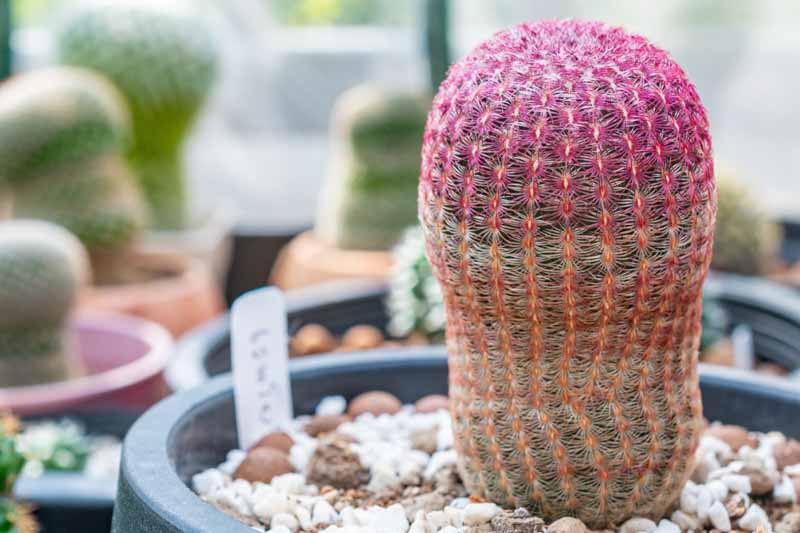
Visual guidance can be invaluable. Observing side-by-side comparisons of pruned and non-pruned specimens reveals the transformative power of well-executed pruning. Images can demonstrate incremental cuts, healing timelines, and the aftermath of tip removal. Pictures are your roadmap to recognizing what healthy, thriving Cephalocereus looks like at each stage.
Conclusion: Mastering the Art of Cephalocereus Pruning
Pruning Cephalocereus is an enriching endeavor that merges horticultural skill with artistic sensibility. With the right tools, timing, and techniques, your cactus will flourish, exhibiting growth that is both vigorous and graceful. The process demands patience and attentiveness, but the rewards—a healthy, majestic cactus that stands as a living sculpture—are absolutely worth every careful clip. Embrace pruning as a form of dialogue with your Cephalocereus, one that fosters a deep, thriving connection through every snip.
FAQ
When is the best time to prune Cephalocereus?
The best time to prune Cephalocereus is during late winter to early spring, just before the active growing season.
What tools are recommended for pruning Cephalocereus?
A pair of sterilized, sharp pruning shears or a fine-toothed saw for thicker segments is recommended.
How should I care for Cephalocereus after pruning?
Avoid heavy watering for a week after pruning to allow wounds to callous over naturally, and maintain optimal humidity levels.


Leave a Reply