

Short Answer
There’s something almost mystical about the resilience of a cactus. These spiny sentinels, etched into the sunbaked landscapes of the Americas, seem to defy the very notion of fragility. Yet, beneath their stoic exteriors lies a vulnerability that few pause to consider—one that seed banks are quietly, heroically, addressing. The preservation of rare cactus genera isn’t just about saving plants; it’s about safeguarding the genetic tapestry of an entire ecosystem, a living library of adaptations honed over millennia. As deserts expand and habitats fragment, these botanical archives become the last bastion against the silent erosion of biodiversity. But why do we find ourselves so captivated by the idea of saving cacti, and what deeper truths do these prickly survivors reveal about our own relationship with nature?
The Vanishing Giants: Why Rare Cacti Are Disappearing Faster Than You Think
Picture the saguaro, that towering icon of the Sonoran Desert, its arms outstretched like a sentinel of the past. These cacti can live for over 150 years, their slow growth a testament to patience and endurance. Yet, their decline is accelerating. Habitat destruction—driven by urban sprawl, agriculture, and climate change—has carved deep fissures into their populations. The Pediocactus knowltonii, a tiny, endangered cactus from New Mexico, is so rare that fewer than 100 individuals remain in the wild. Its fate is not unique. Across the globe, cactus species are vanishing at rates that outpace even the most dire predictions for other plant families.
What makes this loss particularly poignant is the cactus’s role as a keystone species. These plants provide critical resources for pollinators, birds, and mammals in some of the world’s most inhospitable environments. When a cactus disappears, entire food webs unravel. The problem isn’t just ecological; it’s cultural. Indigenous communities have long revered cacti for their medicinal, nutritional, and spiritual significance. The Lophophora williamsii, or peyote, for instance, holds deep ceremonial importance for the Huichol people of Mexico. Its overharvesting for the black market has pushed it to the brink. These aren’t just plants—they’re living archives of human history and ecological balance.
Seed Banks: The Ark of the Botanical World
Enter the seed bank, a modern Noah’s Ark for the plant kingdom. Unlike zoos, which preserve animals, seed banks act as frozen libraries of genetic diversity. The process is deceptively simple: seeds are carefully dried, frozen at sub-zero temperatures, and stored in vaults where they can remain viable for decades—or even centuries. The Millennium Seed Bank Partnership, for example, has preserved over 40,000 plant species, including countless cacti. But why seeds? Because they encapsulate the entire genetic blueprint of a plant in a compact, resilient package. A single seed can hold the potential to resurrect a species from the brink of extinction.
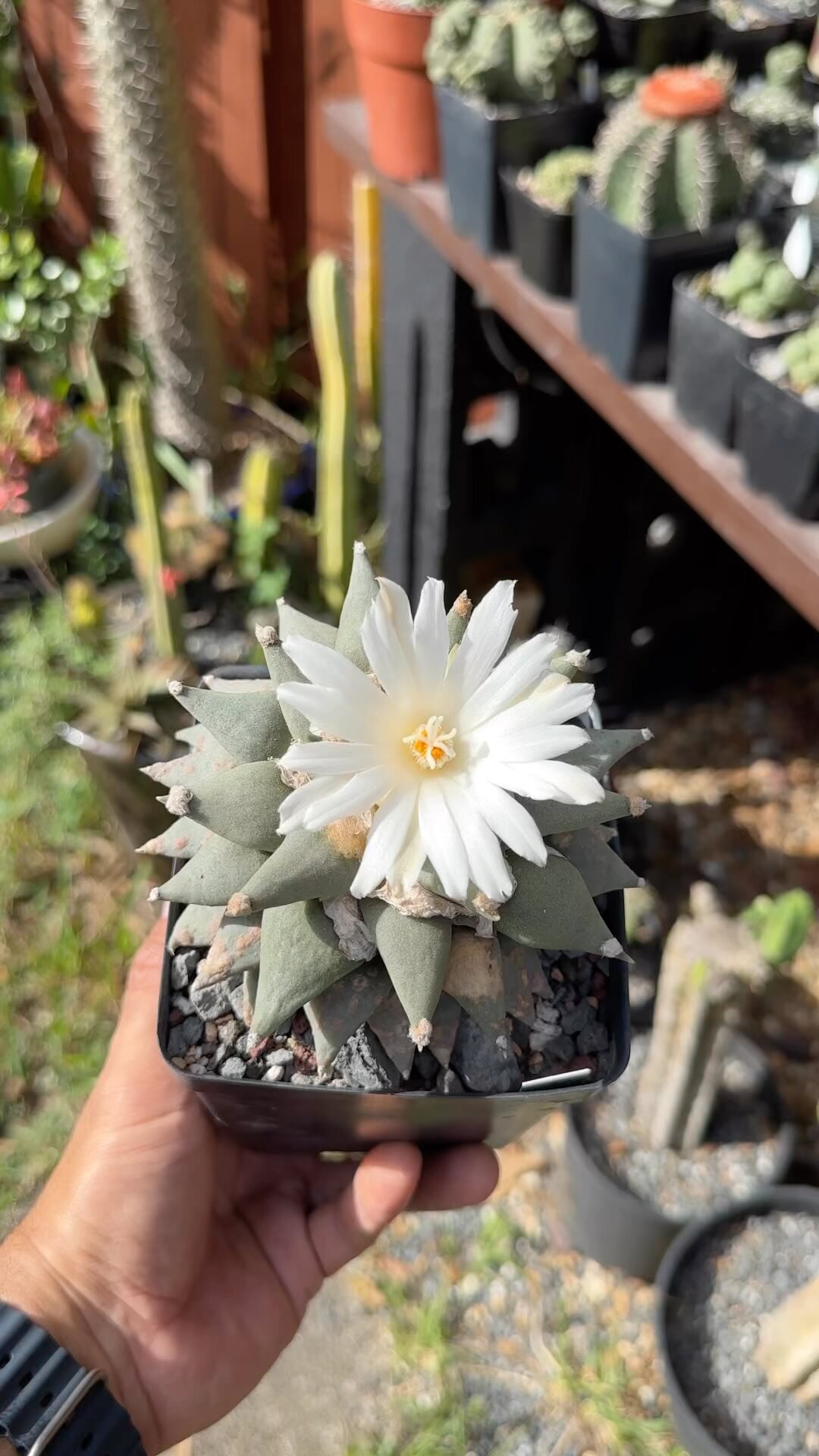
The magic of seed banking lies in its dual purpose: preservation and restoration. When a cactus population dwindles, scientists can germinate stored seeds, reintroduce them into the wild, and help rebuild genetic diversity. This isn’t just about saving pretty plants—it’s about maintaining the evolutionary potential of species. Consider the Turbinicarpus genus, a group of small, globular cacti from Mexico. Many of its species are critically endangered due to habitat loss and illegal collection. Seed banks have become their lifeline, ensuring that even if every wild individual perishes, the genetic lineage persists. It’s a form of time travel, allowing us to peer into the past while planting seeds for the future.
The Cactus Paradox: Why These Plants Defy the Odds
Cacti are the ultimate survivors. Their adaptations—succulent stems, reduced leaves, and spines that double as shade and defense—are the result of millions of years of evolutionary tinkering. Yet, their very success in arid environments makes them vulnerable in a changing world. Climate change is reshaping deserts, turning once-predictable rainfall patterns into erratic deluges and prolonged droughts. For rare cacti, this is a death knell. Their slow growth rates mean they can’t adapt quickly enough to keep pace with environmental shifts.
But here’s the paradox: the same traits that make cacti resilient also make them fascinating subjects for seed banking. Their seeds are often long-lived, capable of surviving decades in dormancy. Some, like those of the Echinocactus grusonii, can remain viable for over 50 years. This longevity is a gift to conservationists. It means that even if a species is wiped out in the wild, its genetic legacy can be preserved and, with careful nurturing, reintroduced. The challenge lies in identifying which seeds to bank and ensuring that the stored genetic material remains diverse enough to sustain healthy populations.
The Human Connection: Why We Can’t Look Away
There’s an undeniable allure to cacti that transcends their ecological importance. They embody paradox: soft, fleshy interiors hidden beneath a fortress of spines; delicate flowers blooming in the harshest of conditions; a lifespan that spans generations. This duality mirrors our own relationship with nature—both reverent and exploitative. We marvel at their tenacity, yet we contribute to their decline through habitat destruction and climate change. Seed banks force us to confront this dichotomy. They remind us that conservation isn’t just about saving species; it’s about saving ourselves.
Consider the Mammillaria genus, a group of small, globular cacti beloved by collectors. Their popularity has led to overharvesting, pushing some species to the edge of extinction. Yet, their appeal is undeniable. Their intricate patterns, vibrant flowers, and compact forms have made them stars in the world of succulent enthusiasts. This human fascination is a double-edged sword. On one hand, it fuels demand for illegal trade, accelerating the decline of wild populations. On the other, it creates opportunities for education and advocacy. Seed banks can serve as a bridge between conservation and cultivation, allowing enthusiasts to grow rare cacti from legally sourced seeds while reducing pressure on wild populations.
Beyond the Vault: The Future of Cactus Conservation
The work of seed banks is only the beginning. True conservation requires a multi-faceted approach that combines preservation with active restoration. Habitat protection is paramount. Without safe havens for cacti to thrive, seed banks are little more than botanical libraries—important, but incomplete. Governments and conservation organizations must prioritize the creation of protected areas, particularly in biodiversity hotspots like the Chihuahuan Desert. Additionally, community-based conservation programs can empower local communities to become stewards of their natural heritage. Indigenous knowledge, combined with scientific expertise, offers a powerful model for sustainable coexistence.
Technology is also playing a crucial role. DNA sequencing allows scientists to assess the genetic health of stored seeds, ensuring that reintroduced populations maintain the diversity needed to adapt to changing conditions. Cryopreservation techniques are being refined to extend the viability of seeds even further. And citizen science initiatives are engaging the public in monitoring and reporting rare cactus sightings, turning everyday people into guardians of biodiversity. The future of cactus conservation isn’t just in the hands of scientists—it’s a collective endeavor.
The story of rare cactus genera is, in many ways, a microcosm of the broader struggle to preserve life on Earth. These plants are survivors, yes, but they are also symbols of resilience, adaptation, and the delicate balance of nature. Seed banks offer a glimmer of hope in an era of mass extinction, but they are not a panacea. They remind us that conservation is not a sprint but a marathon—a commitment to patience, persistence, and partnership. As we stand on the precipice of ecological collapse, the humble cactus teaches us a profound lesson: that life, in all its forms, is worth fighting for. And sometimes, the smallest seeds hold the greatest power to heal the world.
FAQ
What is the role of seed banks in cactus conservation?
Seed banks preserve the genetic diversity of rare cactus species, allowing for their restoration and conservation in the wild.
Why are rare cacti important for ecosystems?
Rare cacti serve as keystone species, providing essential resources for various pollinators and other wildlife.



Leave a Reply