
Short Answer
At first glance, the Bunny Ears Cactus might seem like just another prickly plant in the vast botanical world. Yet, beneath its whimsical appearance lies a fascinating specimen with unique qualities that challenge our understanding of desert flora. With its flattened pads dotted with tiny glochids—those almost invisible yet surprisingly bothersome spines—this cactus invites curiosity and admiration alike. Care and propagation of this charming plant promise a journey filled with discovery, patience, and a fresh outlook on succulent cultivation.
Introducing the Enigmatic Bunny Ears Cactus
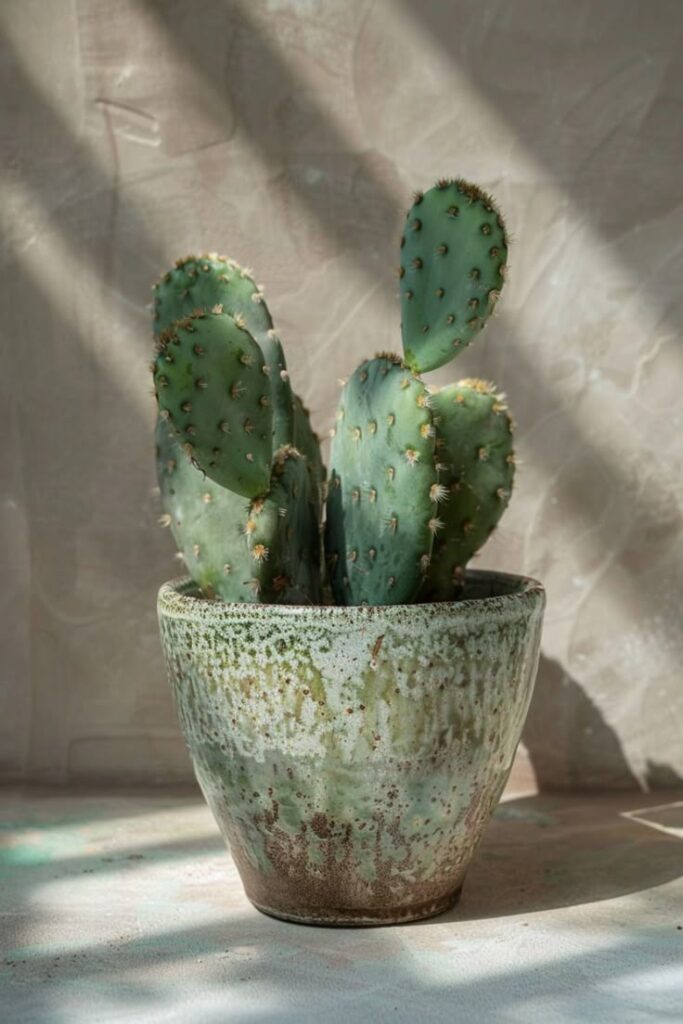
The Bunny Ears Cactus, scientifically named Opuntia microdasys, captivates with its unusual form that resembles a pair of furry rabbit ears. But don’t let its cute moniker fool you: this cactus is a hardy inhabitant of arid environments, embodying nature’s mastery of survival. Unlike the typical columnar cactus, its pads are flat and rounded, creating an almost whimsical silhouette that brings a playful touch to succulent collections worldwide.

This appealing morphology is not only visually striking but functional; the pads act as water reservoirs in dry conditions, while its glochids deter herbivores—tiny barbed spines that cling tenaciously to anything brushing past, a subtle reminder that beauty often conceals sharp defenses.
Optimal Growing Environment: Emulating Its Desert Roots
To cultivate a thriving Bunny Ears Cactus, one must emulate the harsh, unforgiving conditions of its native Mexican deserts. Bright, direct sunlight is paramount—this cactus flourishes under intense illumination and resists weak, elongated growth in bright settings. Position it near a south-facing window or in a sun-drenched indoor spot where it can bask for a minimum of six hours a day.

While heat-loving, it surprisingly tolerates cooler temperatures during dormancy, but never below 50°F (10°C). Humidity? It shuns it. Excess moisture is the Achilles’ heel of this cactus, heralding rot, fungal outbreaks, and eventual demise. A fast-draining soil mix designed for succulents ensures the roots stay dry and healthy.
Watering Wisdom: Mastering the Art of Moderation
Watering a Bunny Ears Cactus requires an intuition that marries patience with attentiveness. Overwatering spells disaster, yet an entirely dehydration-driven approach stunts growth and dulls its vibrant color. During the vigorous spring and summer growing season, water sparingly—only after the soil has completely dried out. Feel the soil at least an inch deep before saturating again.
Come fall, taper watering significantly as the plant retreats into dormancy. Winter months should see minimal to no watering unless the environment is excessively arid. This cyclical approach aligns with its natural rhythms.
Soil Selection and Fertilization: Nourishing With Precision
The Bunny Ears Cactus revels in a substrate that is gritty and well-draining. A customized blend featuring sand, perlite, and a touch of organic matter provides an ideal foundation. Avoid heavy, moisture-retentive soils that impede aeration and suffocate the roots.
Fertilization should be judicious—think of it as a tailored nutrient supplement rather than a daily regimen. Use a diluted, balanced cactus fertilizer during the active growth months, once every 4–6 weeks. This subtle enrichment aids robust pad development and vibrant hues without encouraging excessive, weak growth.
Pruning and Maintenance: Sculpting for Health and Aesthetics
Pruning a Bunny Ears Cactus is seldom necessary but can be transformative. Removing damaged or diseased pads not only keeps the plant attractive but helps prevent infections from spreading. Handle with care—glochids can be maddening to remove and cause intense irritation.
Regularly inspect the plant for pests such as mealybugs or scale insects. If spotted, act swiftly with insecticidal soaps or neem oil to preserve vitality. Maintaining good airflow around the plant reduces disease risk and promotes vigorous, compact growth.
Propagation: An Invitation to Multiply the Charm
One of the most rewarding aspects of growing the Bunny Ears Cactus is its foolproof propagation. Propagation generally occurs through pad cuttings, a process both satisfying and astonishing in its efficiency.
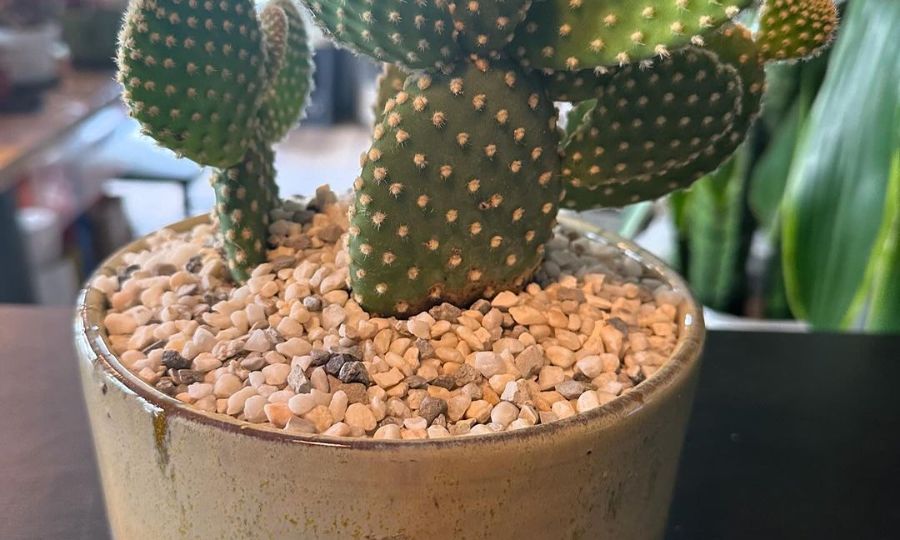
Simply select a healthy, mature pad and allow the cut end to callous over for several days—this step prevents rot upon planting. Then, position the pad upright or slightly angled in a well-draining soil mix. Minimal watering encourages root development, which typically begins in a few weeks.
As roots establish, the pad will produce new “ears” — baby pads that multiply the plant’s fluffy silhouette. This natural propensity for vegetative reproduction underscores the Bunny Ears Cactus’s tenacity and mesmerizes gardeners who delight in creating living art from simple cuttings.
Common Challenges and Troubleshooting
Despite its robust nature, the Bunny Ears Cactus isn’t invincible. Overwatering tops the hierarchy of potential perils, manifesting as yellowing pads and mushy stems. Insufficient light results in pallid, elongated pads craving sunlight.
Another frequent issue is pest infestation; tiny, sap-sucking insects may hitch a ride from other houseplants. Vigilance, early detection, and non-toxic treatments keep these problems manageable.
Understanding the signs and responding proactively reconnects the gardener to the subtle language of this cactus, transforming setbacks into learning milestones.
Embracing the Charm: Why the Bunny Ears Cactus Deserves a Spot in Your Collection
More than just a decorative oddity, the Bunny Ears Cactus reshapes perceptions about desert plants. Its quirky, endearing form combined with relatively straightforward care elevates it beyond a mere cactus to an emblem of adaptability and resilience. Cultivating it imparts lessons in restraint, observation, and respect for nature’s quiet complexity.
By nurturing its growth and propagating new specimens, enthusiasts partake in a rewarding dialogue with this enigmatic plant—one that promises surprising delights with every new pad and every fresh glimmer of green.
FAQ
What is the ideal sunlight requirement for the Bunny Ears Cactus?
The Bunny Ears Cactus thrives in bright, direct sunlight for at least six hours a day.
How often should I water my Bunny Ears Cactus?
Water sparingly during the growing season, only after the soil has completely dried out, and minimize watering in the fall and winter.
What type of soil is best for the Bunny Ears Cactus?
A fast-draining soil mix, ideally featuring sand and perlite, is best to prevent root rot.
How can I propagate the Bunny Ears Cactus?
Propagation is done through pad cuttings; let the cut end callous over before planting it upright in well-draining soil.

Leave a Reply