
Short Answer
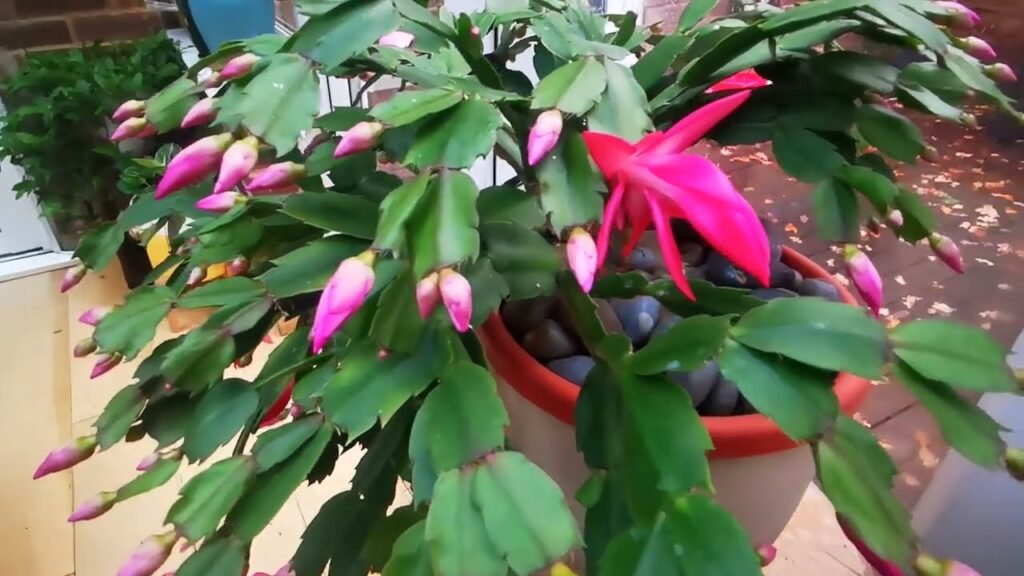
Imagine a plant that doesn’t just survive the winter but thrives in it, blooming with vibrant, exotic flowers when the world outside is draped in frost. The Christmas cactus, or Schlumbergera, is that botanical marvel—a living contradiction that dances with color in the bleakest months. Yet, despite its resilience, this succulent is often misunderstood, relegated to a corner with a half-hearted sip of water and a prayer for blooms. What if we told you that with a few secrets, this plant could transform from a seasonal afterthought into a year-round centerpiece, its cascading stems and jewel-toned flowers becoming the envy of every windowsill? Prepare to rethink everything you thought you knew about holiday plants. This is not just care advice; it’s a revelation.
The Myth of the Christmas Cactus: Why It’s Not What You Think
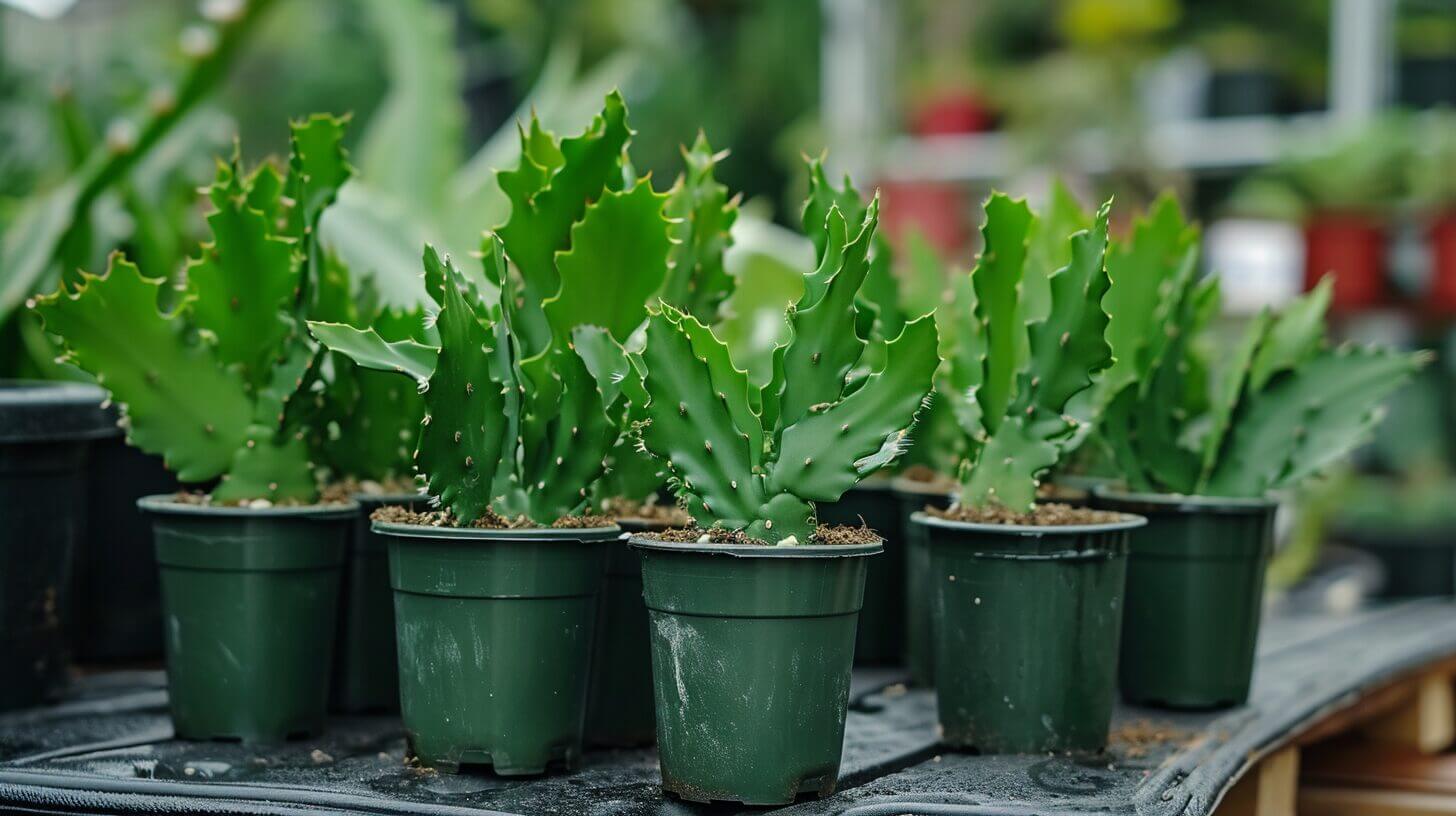
Let’s shatter a misconception right now: the Christmas cactus is not a cactus in the traditional sense. While it hails from the arid landscapes of Brazil’s rainforests, it’s a forest cactus, a term that hints at its true nature. Unlike its desert-dwelling cousins, this plant thrives in dappled sunlight, high humidity, and soil that mimics the decaying leaf litter of its native habitat. Mislabeling it as a “desert plant” is like calling a penguin a fish—technically related, but fundamentally mismatched. This epiphytic marvel clings to trees in the wild, its flattened, segmented stems acting as both leaves and water reservoirs. Understanding this duality is the first step toward unlocking its potential. Treat it like a typical cactus, and you’ll watch it sulk. Treat it like the epiphyte it is, and it will reward you with a spectacle of blooms.
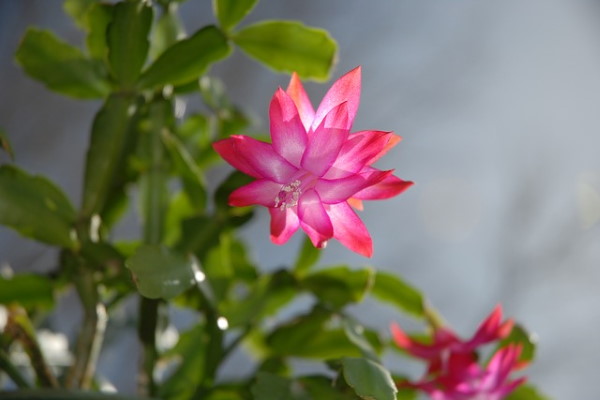
But here’s the twist: its flowering isn’t tied to the calendar. The name “Christmas cactus” is a cultural misnomer, a label that pigeonholes it into a single season. In reality, with the right cues, it can bloom twice a year—once in late fall and again in spring. The secret? Mimicking its natural environment’s seasonal shifts. This plant doesn’t care about your holiday decorations; it cares about photoperiods, temperature drops, and dormancy periods. Ignore these, and you’ll get a green, unremarkable houseplant. Master them, and you’ll hold a living bouquet in your hands.
The Art of Light: Why Your Windowsill Might Be Its Worst Enemy
Picture this: a Christmas cactus basking in the harsh midday sun of a south-facing window, its stems bleached and brittle. This is the fast track to a plant that looks like it’s been through a desert trek—when it should resemble a lush, jungle vine. The truth? This plant craves indirect, diffused light, the kind that filters through a canopy of leaves. Direct sunlight scorches its delicate segments, while too little light stunts its growth and buries its blooming potential beneath a shroud of green.
So, where should it live? An east-facing window is ideal, offering gentle morning light without the intensity of noon. If that’s not an option, a north-facing spot or a few feet back from a west-facing window will do. But here’s the game-changer: rotate your plant every few weeks. Christmas cacti grow toward light, and without rotation, they’ll stretch unevenly, creating a lopsided silhouette. Think of it as a slow-motion ballet—each turn ensures every side gets its moment in the spotlight. And if you’re feeling adventurous, supplement with a grow light for 12–14 hours a day during the growing season. The result? A plant so dense and vibrant, it could moonlight as a living sculpture.
Watering: The Delicate Dance Between Thirst and Drowning
Watering a Christmas cactus is less about following a schedule and more about reading its mood. This plant is a drama queen when it comes to moisture—too much, and its roots rot into a mushy mess; too little, and its segments pucker like a prune. The key lies in observation. Stick your finger an inch into the soil. If it’s dry, water thoroughly until it drains from the bottom. If it’s damp, wait. This isn’t a succulent that thrives on neglect; it’s a plant that demands precision.
But here’s where most people go wrong: they water on autopilot. In winter, when the plant is dormant, reduce watering to a mere sip every 3–4 weeks. Come spring, increase frequency as new growth appears. Summer calls for a drink every 1–2 weeks, but always let the top layer dry first. And never, ever let it sit in a saucer of water—this is a plant that needs to breathe, not swim. The ideal soil? A well-draining mix of potting soil, perlite, and orchid bark. Think of it as a cozy, airy loft rather than a soggy swamp. Get this right, and your cactus will reward you with stems so plump, they could double as water canteens.
The Blooming Blueprint: How to Trick Your Cactus Into Flowering on Demand
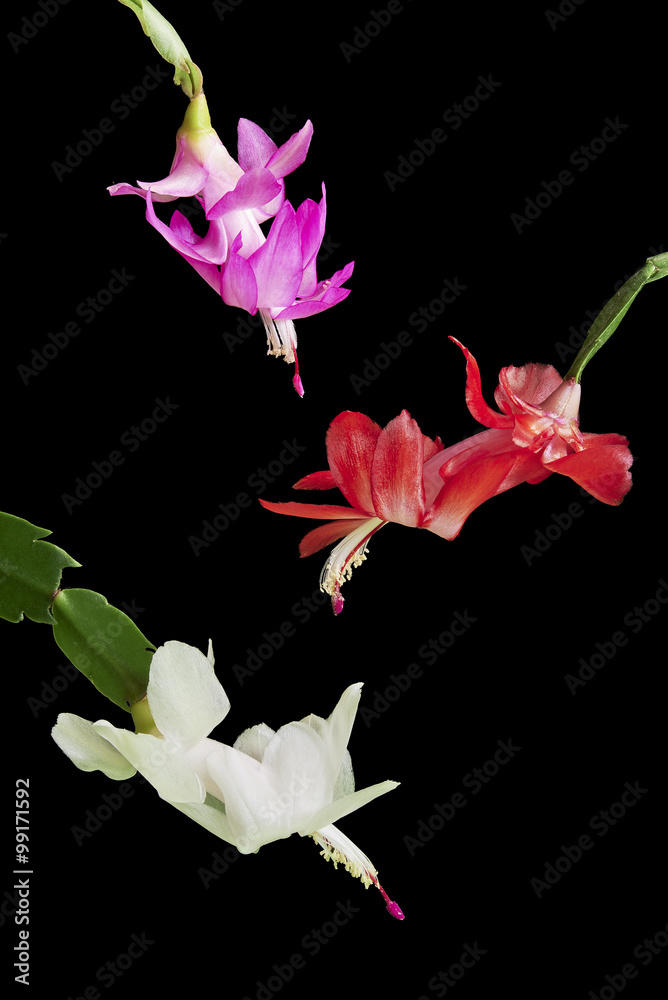
This is where the magic happens. The Christmas cactus doesn’t bloom because it’s December; it blooms because it’s been fooled into thinking it’s in its native Brazil, where cooler nights and shorter days signal the start of its flowering season. To trigger blooms, you’ll need to simulate these conditions. Starting in mid-September, give your plant a 12-hour light fast—cover it with a box or move it to a dark closet from 6 PM to 6 AM. At the same time, drop the nighttime temperature to 50–60°F (10–15°C). This combo of darkness and chill mimics the plant’s natural triggers.
But here’s the kicker: don’t rush it. If you skip the dormancy period or keep it too warm, you’ll get stems without flowers. Patience is non-negotiable. After 6–8 weeks of this treatment, move it back to its usual spot and watch as buds form like magic. And if you’re feeling particularly ambitious, try the double dormancy trick—force a second rest period in late winter for a spring bloom. The result? A plant that flowers like it’s auditioning for a botanical Broadway show.
Soil Secrets and Repotting: The Unsung Heroes of Lush Growth
A Christmas cactus isn’t just a pretty face—it’s a heavy feeder that needs room to stretch its roots. Repot it every 2–3 years, or when you see roots peeking out of the drainage holes. But don’t just grab any old potting mix. This plant thrives in a chunky, airy blend that mimics its epiphytic roots. A mix of 60% potting soil, 20% perlite, and 20% orchid bark is ideal. The bark adds texture, preventing compaction and ensuring oxygen reaches the roots. And always choose a pot with drainage holes—this isn’t a plant that forgives soggy feet.
When repotting, go up just one size. A pot too large holds excess moisture, inviting root rot. And here’s a pro tip: add a layer of activated charcoal to the bottom of the pot. It absorbs impurities and keeps the soil fresh longer. Your cactus will thank you with growth so vigorous, it’ll need staking to keep its stems from toppling over like a tipsy ballerina.
Pests, Problems, and the Art of the Comeback
Even the most pampered Christmas cactus can fall victim to pests. Mealybugs, those cottony freeloaders, love to nest in the crevices of its segments. Spider mites, tiny vampires, suck the life out of its stems. And root mealybugs? They’re the silent assassins, lurking underground. The fix? A neem oil spray for foliar pests, or a soil drench of hydrogen peroxide (1 part to 4 parts water) for root invaders. Wipe down stems with a damp cloth regularly to deter pests before they strike.
But what if your cactus looks like it’s on its last legs? Drooping stems could mean overwatering, while shriveled segments scream underwatering. Yellowing? Too much sun or a nutrient deficiency. The solution is always in the details. Adjust your care, and within weeks, your plant will stage a dramatic comeback. Remember, this isn’t a plant that gives up easily—it’s a survivor, waiting for you to get it right.
The Year-Round Transformation: From Holiday Plant to Living Art
With the right care, your Christmas cactus can evolve from a seasonal ornament into a year-round showstopper. Prune it in spring to encourage bushier growth, and propagate the cuttings to create a cactus clan. Train its stems to cascade over a hanging basket, or coax it into a tree-like form with careful pruning. The possibilities are endless. And when the holidays roll around, its blooms will be more spectacular than ever—a testament to your dedication.
This isn’t just plant care; it’s a partnership. A Christmas cactus doesn’t just sit there—it responds. It grows. It blooms. It becomes a part of your home’s story. So, are you ready to see this plant in a whole new light? To stop treating it as an afterthought and start treating it as the star it was always meant to be? The secrets are yours. Now, go forth and let your cactus shine.
FAQ
What is a Christmas cactus?
The Christmas cactus, or Schlumbergera, is an epiphytic plant that blooms during the winter months, often around Christmas.
How often should I water my Christmas cactus?
Water your Christmas cactus when the top inch of soil is dry, typically every 2-3 weeks in winter and weekly during the growing season.
What light conditions does a Christmas cactus prefer?
Christmas cacti thrive in indirect, diffused light and should be kept away from harsh, direct sunlight.


Leave a Reply