
Short Answer
Imagine a miniature desert oasis nestled right in your living room or backyard, an enchanting patch of spiky jewels that beckon with their otherworldly charm. Crafting a pet-safe cactus garden is like painting a vibrant masterpiece on a canvas of terra cotta—each succulent and cactus a deliberate stroke of nature’s artistry. But creating this botanical sanctum requires more than just arranging prickles and stones; it calls for thoughtful planning rooted in both creativity and care, ensuring it blooms beautifully without casting danger to your furry companions.
Choosing the Right Cacti: Balancing Beauty and Safety
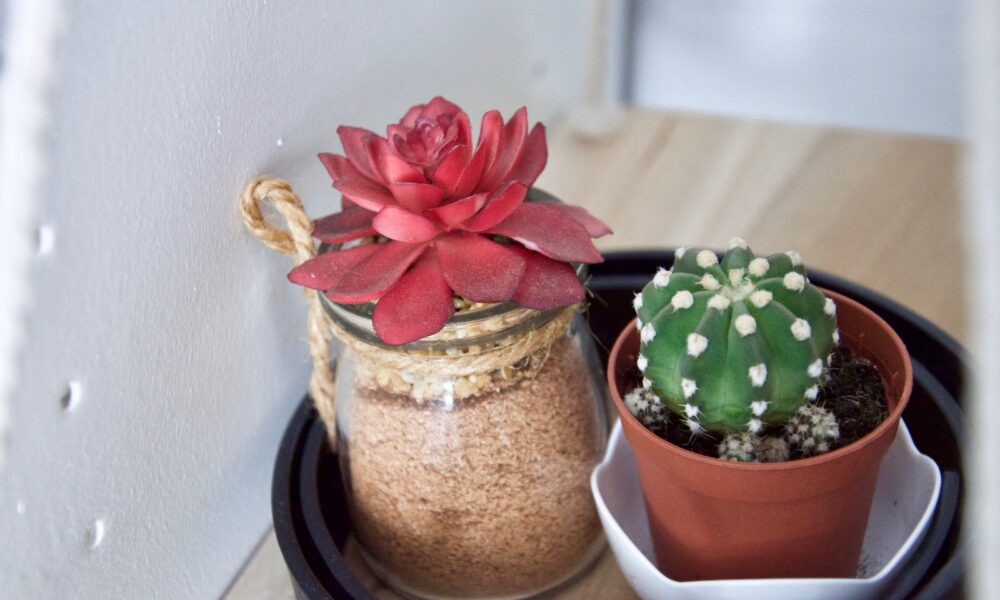
At the heart of a pet-safe cactus garden lies the crucial decision of selecting species that harmonize aesthetic allure with non-toxicity. While many cacti flaunt illustrious shapes and vivid blossoms, not all are safe for inquisitive pets who may explore with their paws and mouths. Opt for species renowned for their pet-friendly nature, such as the Easter cactus (Hatiora gaertneri) and the Christmas cactus (Schlumbergera bridgesii). These delightful plants flaunt robust, segmented stems and vibrant flowers minus the stealthy venom some other cacti harbor.
Equally important is to avoid varieties like the Euphorbia family, which, though often mistaken for cacti, produce toxic sap that can cause irritation or worse. Think of these selections as inviting guests at an elegant soiree—each chosen for their charm and civility, ensuring your pet’s curious nature doesn’t turn an innocent encounter into an accident.

Designing with Barriers: Natural Defense Without Alienation
Creating a cactus garden for pets is much like erecting an invisible fortress: you want to repel unwanted intrusion without making the garden a forbidding wasteland. Strategic placement of plants helps maintain this delicate balance. Position the sharpest or potentially harmful species on elevated platforms or behind clear glass terrariums, transforming them into exotic sculptures rather than reachable temptations.
Incorporate natural barriers—such as smooth river rocks, wooden fencing, or low decorative walls—that not only enhance the visual appeal but also subtly signal a boundary without isolating the plants from their environment. By doing so, you create an inviting sanctuary that respects your pet’s exploratory spirit while safeguarding their wellbeing.
Choosing a Pet-Safe Soil Mix: The Foundation of Wellness
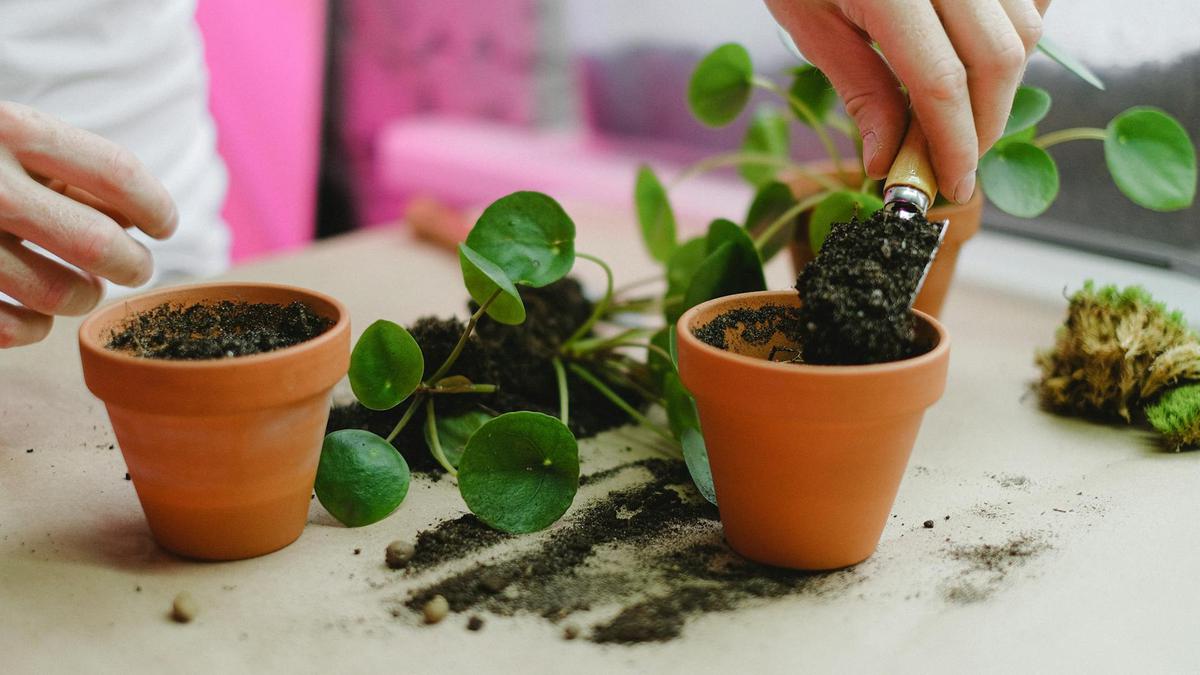
The soil, often overlooked, is the silent hero of your cactus garden. Conventional garden soil sometimes contains fertilizers, pesticides, or additives hazardous to animals. A pet-safe cactus garden flourishes atop sterilized, well-draining substrates free from chemicals, such as a blend of organic compost, perlite, and coarse sand.
This composition mimics the arid, mineral-rich soils cacti thrive in while eliminating risks of poisoning through ingestion or skin contact. Think of the soil as the enchanted ground beneath your desert kingdom—pure, supportive, and vital.
Watering Wisely: Avoiding Hidden Traps for Pets
While cacti thrive on neglect compared to tropical plants, overwatering turns an otherwise resilient garden into a hazardous swamp, inviting mold or fungal blooms potentially harmful to pets. Water sparingly and always ensure excellent drainage by using pots with holes and layers of gravel at the base.
Furthermore, avoid standing water around your cactus garden. Even small puddles can be a hidden hazard, tempting pets to lap up potentially dirty or soapy water from plant trays. Embrace the dry, crisp aesthetic and keep hydration deliberate—this approach mirrors the cacti’s natural habitat and fosters a safer environment for your animal friends.
Incorporating Non-Cactus Elements: Softening the Landscape
Amidst the spiny silhouettes, introducing soft, pet-safe greenery adds tactile interest and breaks the harsh lines without compromising safety. Plants like spider plants (Chlorophytum comosum) and Boston ferns (Nephrolepis exaltata) are non-toxic and create lush pockets of softness, akin to desert wildflowers blooming around rocky crags.
This juxtaposition enriches the sensory experience for both the gardener and the pet, inviting curiosity while reducing the risk of injury caused by sharp spines. It’s the botanical version of weaving silk through barbed wire—balancing texture and temperament.

Training and Supervision: Cultivating Respect From Pets
Even the safest garden benefits from fostering a respectful relationship between pets and plants. Training your pets to recognize the cactus garden as a “no-go” zone is essential. Use gentle redirection and reward-based techniques to build boundaries. Over time, pets come to associate the garden with respect rather than curiosity.
Supervision remains critical, especially with young or particularly inquisitive pets. The cactus garden is a living work of art—but one that requires a vigilant guardian to ensure the masterpiece remains unmarred and your pets remain safe.
Seasonal Care: Nurturing Your Garden Through the Year
Maintaining a pet-safe cactus garden is a year-round commitment—a dance with the seasons that keeps your desert haven thriving and secure. During the dormant winter months, reduce watering and move containerized plants away from high-traffic pet areas. In spring and summer, increase sunlight exposure gradually, remembering to shield the garden from excessive pet interaction during the most delicate growth phases.
Seasonal pruning, removal of dead or damaged spines, and replenishing the soil mix ensures that the garden remains an inviting, safe environment. Each act of care deepens the bond between you, your plants, and your pets, transforming your cactus garden into a sanctuary of shared serenity.

Conclusion: The Enchanted Pet-Safe Cactus Sanctuary
Crafting a pet-safe cactus garden is more than horticulture; it’s the alchemy of tamed wilderness and domestic harmony. With every carefully chosen plant, thoughtfully arranged barrier, and practiced watering technique, you sculpt a refuge that enchants both your eyes and your pet’s safety. This garden, vibrant and resilient, becomes a testament to how nature’s prickliest wonders can coexist gently alongside the most curious creatures in your life.
FAQ
What types of soil are safe for a pet-friendly cactus garden?
Use sterilized, well-draining substrates free from harmful chemicals, such as a mix of organic compost, perlite, and coarse sand.
How often should I water my pet-safe cactus garden?
Water sparingly and ensure excellent drainage to prevent standing water, which can be harmful to pets.
Leave a Reply