

Short Answer
The Schlumbergera, affectionately known as the Christmas cactus or holiday cactus, is a botanical marvel that blooms in a riot of colors just as the world begins to shimmer with festive lights. Its segmented, flattened stems and vibrant, tubular flowers make it a favorite among plant enthusiasts and photographers alike. Capturing the beauty of Schlumbergera through the lens is not merely about documenting a plant—it’s about immortalizing a fleeting moment of natural artistry, where each petal and stem tells a story of resilience and seasonal celebration. Whether you’re a seasoned photographer or a budding enthusiast, the Schlumbergera offers a canvas of endless creative possibilities, from macro close-ups to ethereal still-life compositions. This guide delves into the multifaceted world of Schlumbergera photography, exploring the diverse content readers can expect to create and cherish.
The Art of Macro Photography: Revealing the Intricate Details
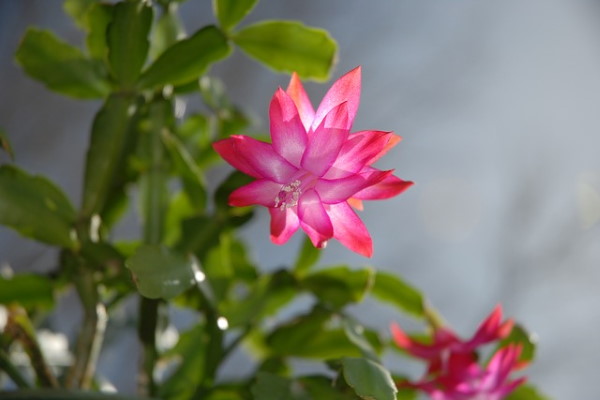
Macro photography transforms the Schlumbergera into a mesmerizing subject, where the camera becomes a microscope, revealing the delicate intricacies of its blooms. The tubular flowers, often overlooked in their natural state, become architectural wonders under the lens, their petals unfurling like the pages of an ancient manuscript. To capture these details, a macro lens is indispensable, allowing photographers to focus on the fine textures of the petals, the subtle gradients of color, and the dewdrops that cling to the stems like tiny jewels. Lighting plays a pivotal role here—soft, diffused light accentuates the translucency of the petals, while backlighting can create a luminous halo effect, highlighting the flower’s inner glow. Experiment with shallow depth of field to blur the background, ensuring the Schlumbergera takes center stage in a dreamlike blur of bokeh. For an added touch of magic, try capturing the flowers in motion, their delicate petals trembling in a gentle breeze, or the subtle sway of the stems as they respond to the environment. The result? A collection of images that celebrate the Schlumbergera’s hidden elegance, transforming it from a humble houseplant into a subject worthy of gallery walls.
Still-Life Compositions: Crafting Narrative Scenes
Schlumbergera photography transcends the boundaries of botanical documentation when it ventures into the realm of still-life compositions. Here, the cactus becomes a character in a larger narrative, its vibrant blooms juxtaposed against carefully curated backdrops that evoke warmth, nostalgia, and holiday cheer. Imagine a Schlumbergera nestled among vintage ornaments, its petals mirroring the rich hues of ruby and emerald, or a minimalist arrangement where the cactus’s green stems contrast sharply with a monochrome backdrop, drawing the eye to its intricate form. The key to crafting compelling still-life images lies in the interplay of textures, colors, and props. Consider incorporating elements like aged wood, handcrafted ceramics, or even metallic accents to add depth and context to your compositions. Lighting, too, becomes a storytelling tool—warm, golden hour light can evoke a cozy hearthside setting, while cool, diffused light might suggest a winter’s morning. Don’t shy away from experimenting with unconventional angles; a top-down perspective can highlight the symmetry of the arrangement, while a low-angle shot can lend a sense of grandeur to the humble cactus. The goal is to create images that not only showcase the Schlumbergera but also evoke emotions, inviting viewers to step into a world where nature and artistry intertwine.
Seasonal Themes: Infusing Holiday Spirit into Your Shots
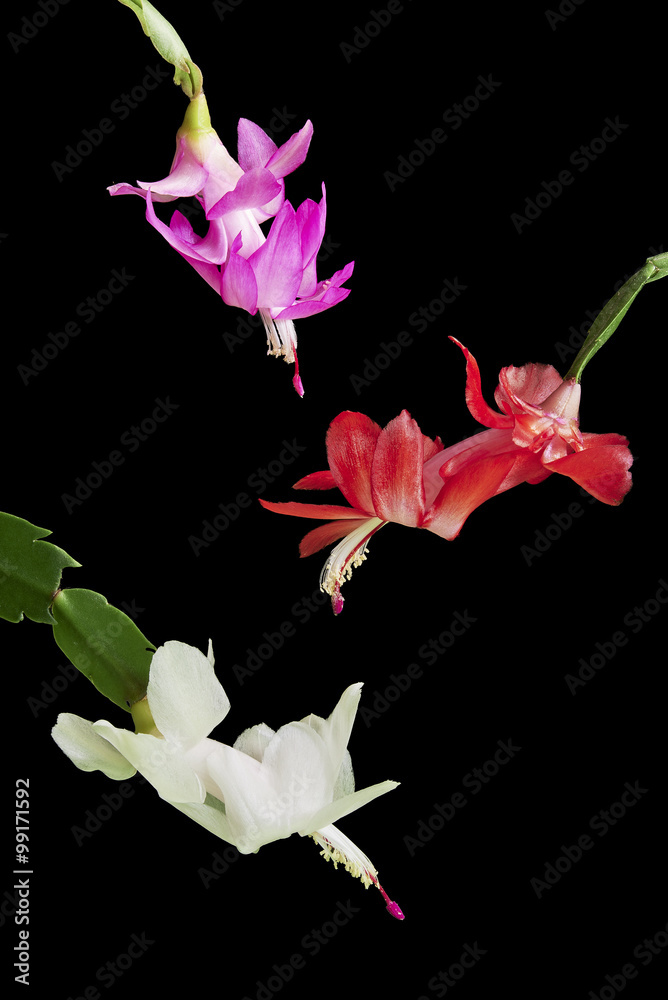
The Schlumbergera’s natural bloom cycle aligns perfectly with the holiday season, making it an ideal muse for capturing the festive spirit. Whether you’re aiming for a rustic, woodland Christmas vibe or a sleek, modern holiday aesthetic, the cactus can adapt to any theme with its versatile palette of pinks, reds, whites, and purples. For a cozy, traditional look, pair the Schlumbergera with elements like pinecones, cinnamon sticks, or plaid fabrics, and bathe the scene in warm, ambient light. Alternatively, a winter wonderland theme might incorporate silver and white accents, frosted glass, and icy blue backdrops to create a cool, ethereal contrast. Macro shots of individual blooms can emphasize the delicate frost-like patterns on the petals, while wider shots can capture the cactus in a sprawling arrangement, surrounded by twinkling fairy lights. Seasonal themes also offer an opportunity to play with color theory—complementary hues like red and green can create a bold, eye-catching contrast, while analogous colors like pink and purple can evoke a sense of harmony and tranquility. The Schlumbergera’s adaptability makes it a versatile subject for holiday-themed photography, allowing you to tailor your images to any festive narrative you wish to convey.
Urban Jungle Aesthetics: Schlumbergera in Modern Settings
In an era where urban living often feels disconnected from nature, the Schlumbergera serves as a vibrant reminder of the beauty that thrives within our homes. Photographing the cactus in modern, urban settings can create striking juxtapositions—imagine a Schlumbergera perched on a sleek marble countertop, its lush greenery contrasting with the cool, hard lines of contemporary architecture, or a cluster of cacti arranged on a minimalist shelf, their blooms adding a splash of color to an otherwise monochrome space. The key to nailing urban jungle aesthetics lies in the interplay between the organic and the man-made. Look for clean lines, geometric shapes, and neutral tones in your backdrop, and let the Schlumbergera’s vibrant hues and organic forms take center stage. Lighting is crucial here; natural light streaming through a large window can highlight the cactus’s textures, while artificial lighting can create dramatic shadows and highlights. Don’t be afraid to experiment with reflections—mirrors, glass surfaces, or even metallic objects can double the visual impact of your composition. The result is a series of images that celebrate the fusion of nature and modernity, proving that even the humblest houseplant can elevate a space from ordinary to extraordinary.
Black-and-White Elegance: Timeless Monochrome Interpretations
While the Schlumbergera is celebrated for its vibrant colors, its beauty can be equally captivating in black and white. Monochrome photography strips away the distractions of color, allowing the viewer to focus on the cactus’s form, texture, and composition. The contrast between the smooth, rounded petals and the segmented, ridged stems becomes a study in light and shadow, while the absence of color highlights the delicate interplay of highlights and reflections on the petals’ surfaces. To create compelling black-and-white images, pay close attention to contrast and tonal range. A high-contrast image can emphasize the cactus’s bold structure, while a lower-contrast shot might evoke a sense of softness and subtlety. Experiment with different lighting setups—side lighting can create dramatic shadows, while diffused light can produce a more even, balanced exposure. Post-processing also plays a crucial role; converting your images to black and white in editing software allows you to fine-tune the contrast, brightness, and sharpness to achieve the desired mood. The result is a collection of images that exude timeless elegance, proving that the Schlumbergera’s beauty transcends the boundaries of color.
DIY Projects: Creative Ways to Showcase Your Schlumbergera
Photography is just one way to celebrate the beauty of the Schlumbergera—why not take your creativity a step further with DIY projects that showcase the cactus in unique and unexpected ways? Consider creating a photo series that documents the cactus’s growth over time, capturing its transformation from bud to full bloom in a series of staged images. Alternatively, you could design a miniature holiday scene, using the Schlumbergera as the focal point in a tiny, whimsical world complete with tiny furniture, accessories, and even a miniature Santa Claus. For a more interactive approach, try your hand at stop-motion animation, where the cactus’s blooms slowly unfurl over a series of frames, creating a mesmerizing visual narrative. If you’re feeling particularly adventurous, consider collaborating with a local artist or crafter to create a mixed-media piece that incorporates the Schlumbergera’s image, such as a painted canvas, a hand-stitched textile, or even a ceramic sculpture. The possibilities are endless, and each project offers a new way to celebrate the cactus’s festive beauty while honing your creative skills.
Sharing Your Vision: Building a Community Around Schlumbergera Photography
The final step in your Schlumbergera photography journey is sharing your work with the world. Whether you choose to display your images on social media, submit them to photography competitions, or even host a local exhibition, sharing your vision can inspire others and foster a sense of community among fellow enthusiasts. Social media platforms like Instagram and Pinterest are ideal for connecting with like-minded individuals, where you can share your images, exchange tips, and participate in themed photo challenges. Consider creating a dedicated hashtag for your Schlumbergera photography, such as #SchlumbergeraMagic or #HolidayCactusVibes, to make it easier for others to discover and engage with your work. Collaborations with other photographers, artists, or even local plant shops can also expand your reach and offer fresh perspectives on your subject. Remember, the goal is not just to showcase your images but to spark conversations, celebrate the beauty of nature, and perhaps even inspire others to pick up a camera and explore the world of Schlumbergera photography for themselves. After all, the true magic of this art form lies in its ability to connect us—through the lens, through the lens of creativity, and through the shared love of a humble yet extraordinary plant.
FAQ
What is Schlumbergera?
Schlumbergera, commonly known as the Christmas cactus or holiday cactus, is a flowering plant known for its vibrant blooms and segmented stems.
What techniques can I use for photographing Schlumbergera?
Techniques include macro photography for detailed shots, still-life compositions for storytelling, and seasonal themes to enhance festive vibes.
How do I care for a Schlumbergera?
Schlumbergera requires indirect light, well-draining soil, and regular watering, allowing the soil to dry out between waterings.


Leave a Reply