
Short Answer
There’s something quietly poetic about a cactus reaching for the light—its spines stretching skyward like the fingers of a sleepy giant rousing from a long slumber. Yet when that same cactus begins to lean, elongate, and lose its compact form, what was once a symbol of resilience can start to feel like a cry for help. This phenomenon, known as etiolation, is a silent plea from your spiky companion, a sign that it’s struggling to survive in an environment that doesn’t quite meet its needs. But here’s the twist: etiolation isn’t just a problem—it’s a story. A story of adaptation, of survival, and of the delicate balance between nature and nurture. And the best part? It’s a story you can rewrite.
The Curious Case of the Stretching Cactus: What Is Etiolation?
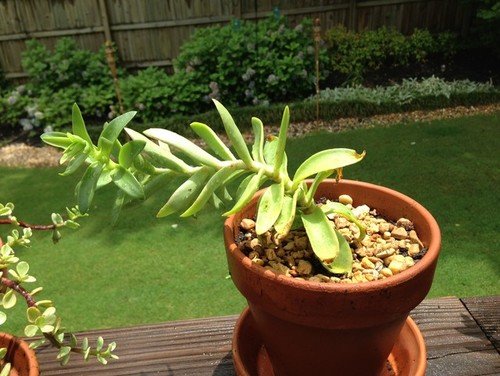
Etiolation is the botanical term for the process by which plants—especially those adapted to arid, sun-drenched landscapes—stretch and weaken in response to insufficient light. Unlike their leggy, pale counterparts in the vegetable garden, cacti are built for intensity. Their thick, fleshy stems store water, their spines deter predators, and their waxy coatings minimize water loss. But when deprived of the bright, direct light they crave, they begin to elongate, their once-robust forms surrendering to a spindly desperation. The stems become thinner, the spines more sparse, and the vibrant green or deep red hues fade into a sickly yellow or bleached-out pallor.
This isn’t laziness on the cactus’s part. It’s a survival tactic, albeit a flawed one. In the wild, a cactus stretching toward the light is simply doing what comes naturally—reaching for the sun to fuel photosynthesis. But in our homes, where light is often a scarce commodity, this adaptation backfires. The result? A plant that’s not just unsightly but increasingly vulnerable to pests, rot, and collapse.
Why Low Light is the Silent Culprit Behind Your Cactus’s Meltdown
Low light isn’t just a lack of brightness—it’s a slow, creeping deprivation. A north-facing window might seem bright enough, but to a cactus, it’s like trying to read by candlelight. The wavelengths of light that fuel photosynthesis are skewed, with far-red and blue light—critical for compact, healthy growth—being the first to disappear. Meanwhile, the cactus’s chlorophyll factories go into overdrive, stretching its cells in a desperate bid to capture every photon.
But here’s where it gets interesting. Etiolation isn’t just about light quantity; it’s about light quality. A cactus in low light isn’t just starving—it’s malnourished in a very specific way. The red and blue spectrums, which drive photomorphogenesis (the process that keeps plants compact and colorful), are often absent in artificial or filtered light. This is why a cactus on a sunny windowsill might stay plump and vibrant, while one in a dim corner becomes a pale, wobbly shadow of itself.
And let’s not forget the psychological toll. A stretched cactus isn’t just physically weakened—it’s a visual reminder of neglect. There’s something almost heartbreaking about watching a plant, designed to thrive in the harshest conditions, wither in the soft glow of a living room lamp. But here’s the good news: this isn’t a life sentence. With the right adjustments, your cactus can reclaim its former glory.
The Art of Reversing Etiolation: A Step-by-Step Rescue Mission
Fixing a stretched cactus isn’t about brute force—it’s about finesse. The first step is to diagnose the problem. Is your cactus leaning toward the light? Are its ribs stretching apart like the pages of an old book? These are telltale signs that it’s time for an intervention. But before you rush to move it into full sun (a common mistake that can scorch your plant), consider a gentler approach.
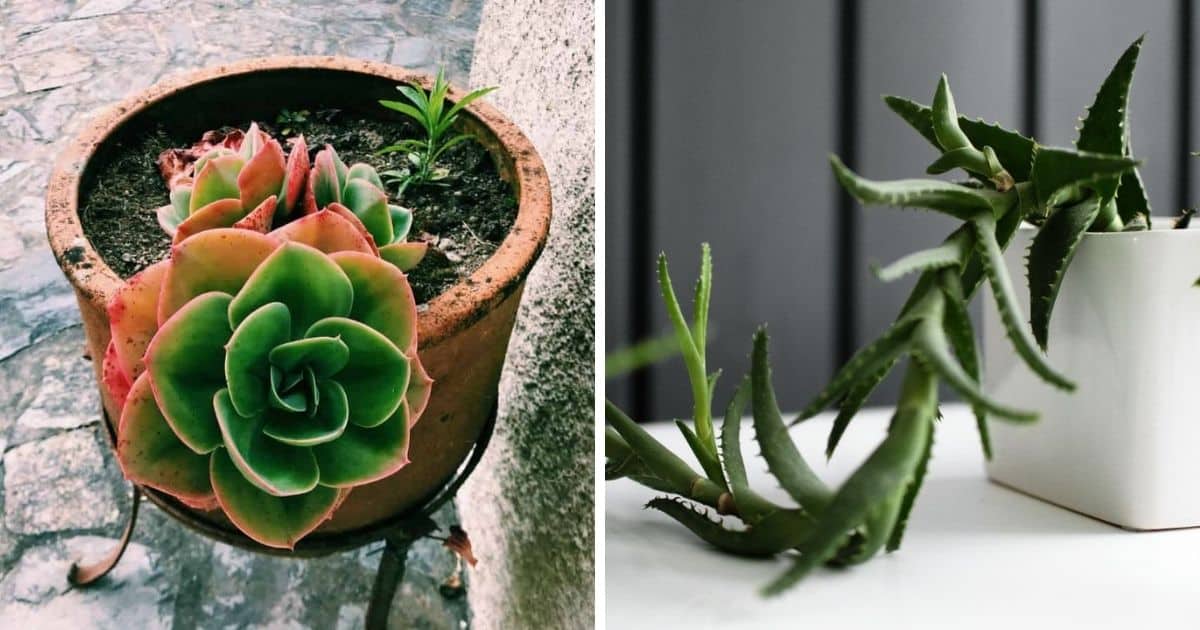
Start by gradually increasing its light exposure. If it’s been in a dim corner, move it to a spot with bright, indirect light for a few hours a day, then slowly increase the duration. Think of it like acclimating to a new climate—sudden changes can shock the system. A grow light can be a game-changer here, especially during winter months when natural light is scarce. Choose a full-spectrum LED designed for plants, and position it about 6–12 inches above your cactus for 12–14 hours a day.
Next, consider a pruning session. Yes, you read that right. Trimming back the etiolated growth might seem drastic, but it’s often necessary to encourage new, compact growth. Use a clean, sharp knife or shears to cut just above a healthy areole (the bump from which spines grow). Let the cut end callous over for a day or two, then replant it in fresh, well-draining soil. The mother plant will eventually sprout new arms from the cut site, while the propagated piece can root and grow into a more manageable form.
Prevention: How to Keep Your Cactus Compact and Happy
Once you’ve nursed your cactus back to health, the real work begins: prevention. Etiolation isn’t a one-time issue—it’s a recurring battle against the forces of low light and human convenience. The key? Understanding your cactus’s needs and creating an environment that mimics its natural habitat as closely as possible.
First, assess your space. South-facing windows are ideal for most cacti, offering the bright, direct light they crave. East-facing windows provide gentle morning sun, while west-facing windows can be too intense in the afternoon. If natural light is limited, supplement with a grow light, but be mindful of the heat it generates. Cacti prefer warmth, but not scorching temperatures that can bake their delicate tissues.
Rotation is another secret weapon. Even in the brightest spot, a cactus will lean toward the light source over time. Rotate your plant a quarter turn every few weeks to ensure even growth. Think of it as a slow dance—your cactus twirling toward the sun, while you guide it back to center.
And don’t forget the soil. A cactus in low light is already at a disadvantage; pair it with dense, moisture-retentive soil, and you’ve created a recipe for rot. Opt for a fast-draining mix with plenty of perlite, pumice, or coarse sand. This ensures that even if your cactus isn’t getting enough light to photosynthesize efficiently, it won’t drown in excess water.
The Deeper Allure: Why We’re Fascinated by Cactus Etiolation
There’s a strange beauty in a stretched cactus—something almost haunting about its struggle. It’s a reminder that even the hardiest plants are at the mercy of their environment. But it’s also a testament to resilience. A cactus that’s been etiolated isn’t beyond saving; it’s a survivor, a fighter, a testament to the power of adaptation.
Perhaps that’s why we’re so drawn to this phenomenon. It’s not just a problem to fix—it’s a story to uncover. A story of light and shadow, of struggle and renewal. And when we finally see our cactus stand tall and proud again, its spines gleaming in the sun, it’s not just a plant we’ve saved. It’s a partnership we’ve nurtured.
So the next time your cactus starts to lean, don’t despair. See it as an opportunity—not just to fix a problem, but to deepen your connection with this remarkable organism. After all, the most beautiful cacti aren’t the ones that never struggle—they’re the ones that rise stronger after every challenge.
FAQ
What is cactus etiolation?
Cactus etiolation is when a cactus stretches and weakens due to insufficient light, leading to elongated and spindly growth.
How can I fix a stretched cactus?
To fix a stretched cactus, gradually increase its light exposure and consider pruning the etiolated growth.
What are the signs of a cactus in low light?
Signs include leaning, elongated stems, sparse spines, and faded colors.
Leave a Reply