
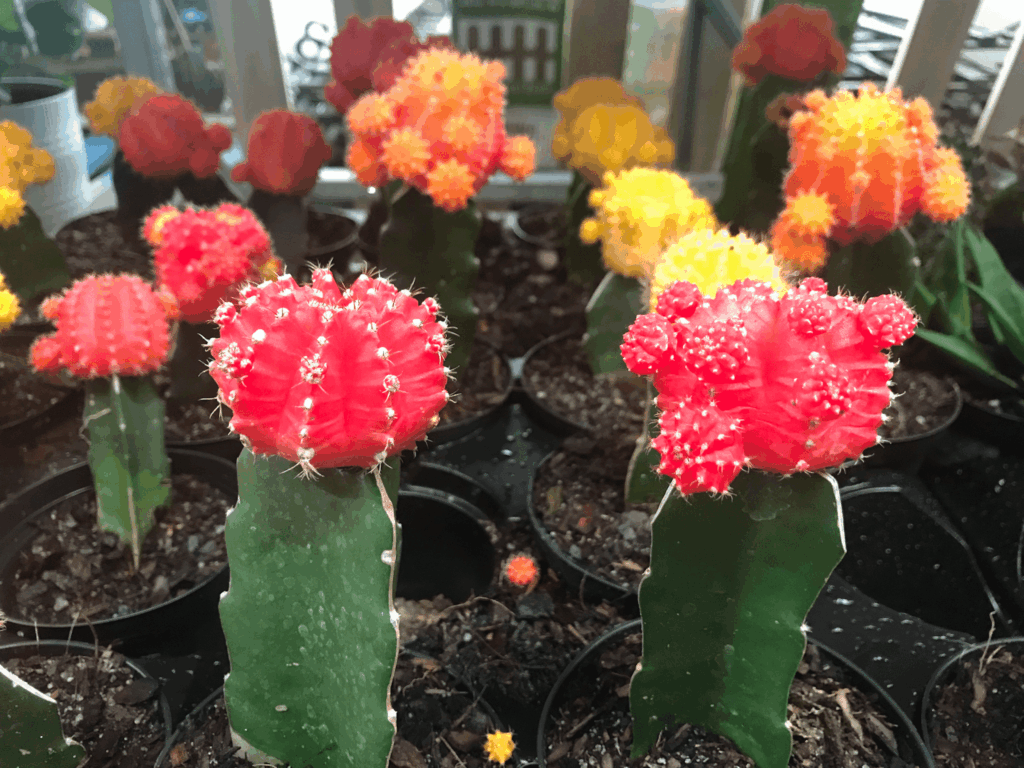
Short Answer
Ever stared at a sad, etiolated cactus—its once-plump stems stretched thin like a sleep-deprived giraffe—and wondered, “What went wrong?” You’re not alone. Indoor cacti, those prickly prima donnas of the plant world, demand more than just a sunny windowsill and a sprinkle of water. Lighting, the invisible sculptor of their form, dictates whether they’ll thrive or wither into a shadow of their former selves. So, how do you ensure your spiky companion basks in the perfect glow, tailored to its genus? Let’s embark on a luminous journey through the art of indoor cactus cultivation, where light isn’t just a necessity—it’s a lifeline.
The Golden Question: How Much Light Is *Just Right*?
Cacti aren’t the divas of the plant kingdom for nothing. Each genus has its own light preferences, a quirk that can make or break your indoor oasis. Take *Mammillaria*, the petite globes of joy, for instance. These little powerhouses thrive in bright, indirect light—think of them as the Goldilocks of the cactus world. Too little light, and they’ll stretch toward the nearest window like a starving artist reaching for inspiration. Too much, and their delicate spines will crisp under the harsh glare of direct sun. The solution? A sheer curtain or a spot near an east-facing window, where the morning sun kisses them gently without scorching their tender flesh.
Contrast this with *Ferocactus*, the barrel cacti that laugh in the face of shade. These sun-worshippers demand full, unfiltered light to bulk up their ribs and deepen their color. A south-facing window is their stage, where they can soak up the sun’s rays like a lizard on a rock. But beware—if your *Ferocactus* starts to bleach or yellow, it’s screaming for shade. The key is observation. Watch how your cactus responds to its environment. Is it leaning? Stretching? Turning a sickly pale? These are its SOS signals, begging for a lighting intervention.
The Dance of Shadows: Indirect vs. Direct Light
Indirect light isn’t the weakling cousin of direct light—it’s a sophisticated ally for cacti that prefer a gentler touch. *Echeveria*, with its rosette of plump leaves, is a prime example. These succulent darlings adore bright, indirect light, where they can flaunt their colors without risking sunburn. Place them a few feet back from a south-facing window, or near a north-facing one, and watch them flourish. The play of light through the glass creates a dappled effect, mimicking the dappled shade of their natural desert habitats.

Direct light, on the other hand, is the fast track to cactus glory—for the right candidates. *Opuntia*, or prickly pear, revels in full sun, its pads turning a deep, rich green under its influence. But here’s the catch: not all windows are created equal. A south-facing window in Arizona delivers a different intensity than one in Seattle. The solution? Rotate your cactus every few weeks to ensure even exposure. This prevents the dreaded “lean,” where your cactus grows lopsided, reaching for the light like a sunflower tracking the sun.
The Artificial Sun: Grow Lights to the Rescue
What if your home is a cave of perpetual twilight? Enter grow lights, the unsung heroes of indoor gardening. LED grow lights, in particular, are the cacti’s best friend, mimicking the full spectrum of sunlight without the scorching heat. For *Gymnocalycium*, a genus that thrives in partial shade, a grow light set to 12-14 hours a day can work wonders. Position the light about 6-12 inches above the cactus, adjusting as it grows. The result? A compact, colorful specimen that looks like it was plucked straight from the Arizona desert.
But not all grow lights are created equal. Fluorescent lights are budget-friendly but lack the intensity needed for heavy hitters like *Carnegiea gigantea*, the saguaro cactus. For these giants, invest in a high-quality LED or HID grow light. And remember, cacti need darkness too. A 12-hour photoperiod mimics their natural cycles, preventing stress and encouraging healthy growth.
The Seasonal Shift: Adjusting Light Through the Year
Seasons change, and so should your cactus’s lighting strategy. In winter, when days are short and gloomy, your cactus might start to look a little… lackluster. This is your cue to supplement with grow lights or move your cactus closer to a window. Conversely, summer’s intense sunlight can be too much for even the sun-loving *Echinocactus*. Watch for signs of stress—yellowing, softening, or bleaching—and adjust accordingly. A sheer curtain or a slight shift in position can make all the difference.
Think of it like dressing your cactus for the weather. In winter, it’s a cozy sweater kind of day—bright but gentle. In summer, it’s sunglasses and sunscreen territory. By tuning into these seasonal cues, you’ll keep your cactus in peak condition year-round.
The Perils of Poor Lighting: Etiolation and Other Horrors
Etiolation—the slow, sad stretch of a cactus toward the light—is the plant equivalent of a human slouching over a desk. It’s a cry for help, a desperate attempt to reach the sun. Left unchecked, it can leave your cactus weak, top-heavy, and prone to toppling. Other red flags include:
- Pale or bleached spines: A sign of too much direct light.
- Soft, mushy stems: A symptom of insufficient light and overwatering.
- Loss of color: Indicates your cactus isn’t getting enough light to produce vibrant pigments.
If your cactus starts to look like it’s been on a year-long beach vacation without sunscreen, it’s time to reassess its lighting setup. Move it closer to a window, supplement with grow lights, or both. Remember, a healthy cactus is a colorful cactus—and color comes from light.
The Final Touch: Fine-Tuning for Perfection
Growing cacti indoors isn’t just about survival—it’s about thriving. It’s about coaxing your spiky companion into its most vibrant, robust form, where every spine and rib is a testament to your care. Start by identifying your cactus’s genus and its light preferences. Observe its reactions to its environment, and don’t be afraid to experiment. Rotate it, adjust its position, or invest in grow lights if needed. And above all, enjoy the process. There’s something deeply satisfying about watching a cactus flourish under your watchful eye, its spines gleaming like tiny swords in the sunlight.
So, the next time you see a stretched-out cactus, don’t despair. See it as a challenge—a puzzle to solve with light, patience, and a little bit of plant whispering. After all, every cactus has its day in the sun. Your job? To make sure it gets the spotlight it deserves.
FAQ
How do I know if my cactus is getting enough light?
Observe its growth; if it's stretching or turning pale, it may need more light.
Can I use regular bulbs instead of grow lights?
Regular bulbs are less effective; LED grow lights are recommended for optimal growth.

Leave a Reply