
Short Answer
There is an ineffable charm in cultivating something so uniquely intricate as Turbinicarpus from seed—a process that blends patience with quiet awe. Enthusiasts often remark on the delicate allure of this genus, continually drawn to its diminutive stature yet profound complexity. Beneath the surface of this fascination lies a subtle interplay between nature’s artistry and human devotion, making the very act of growth a journey as compelling as the cactus itself.
Understanding Turbinicarpus: A Botanical Prelude
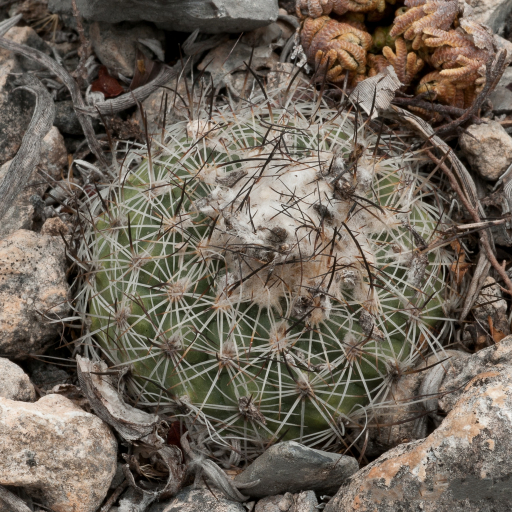
Turbinicarpus, a genus of minute and enigmatic cacti native primarily to arid regions of Mexico, captivates collectors with its intricate textures, variegated spines, and unexpectedly vivid blooms. Unlike many towering desert succulents, Turbinicarpus fascinates because of its diminutive, almost cryptic form—often blending perfectly with its rocky habitat. This enigmatic aspect triggers a deep botanical curiosity: what stories hide within these minuscule desert gems? Appreciating this biological context primes the grower’s mindset, reminding us that cultivating Turbinicarpus is not just horticulture, but a dialogue with nature’s challenge.


Selecting and Preparing the Seeds
It all begins with seed selection, which demands discernment and patience. Turbinicarpus seeds are typically tiny—smaller than a poppy seed—making them wonderfully elusive treasures. Procuring fresh, viable seeds from a trusted source markedly improves germination success. The passage from seed to sprout hinges largely on seed quality as well as proper stratagems.
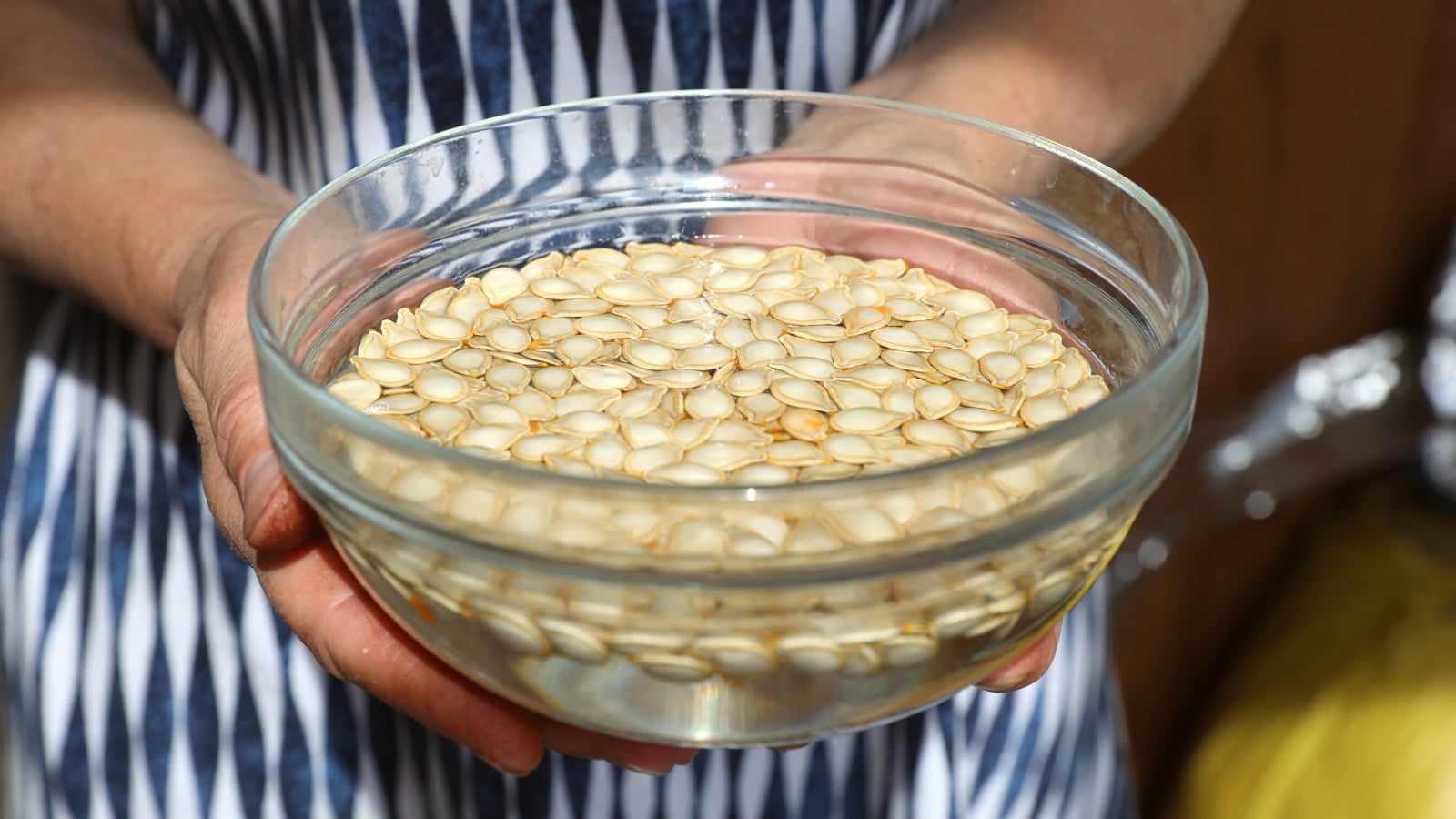
Seed preparation can subtly influence germination. Though Turbinicarpus seeds do not require stratification like temperate species, light scarification—a gentle sanding or a brief soak in lukewarm water—can coax dormant seeds towards awakening. This treatment breaks down the seed coat’s natural defenses, simulating the subtle erosion they might encounter in nature’s mercurial environment.
Crafting the Ideal Growing Medium
Turbinicarpus flourishes where water drainage is sovereign. The growing substrate must be meticulously porous—far more than typical potting soil—to replicate the rocky, gritty soil of their native xeric terrains. A blend of mineral-rich components such as pumice, volcanic grit, and coarse sand forms the backbone of a superior medium. This concoction ensures oxygenation at the roots, preventing stagnation and the dreaded rot.
In addition to structure, the soil’s pH and nutrient profile must lean towards the lean and mean: a slightly acidic to neutral pH with minimal organic matter echoes the sparse nutrition Turbinicarpus have adapted to extract from their desert homes. Nutrient overload can be catastrophic here, resulting in spindly growth or fungal issues.
Ideal Sowing Techniques and Environmental Conditions
Sowing should be executed with surgical precision. Seeds are best scattered evenly atop the soil surface, barely pressed down—never buried too deep, since Turbinicarpus seeds require light to germinate. Covering the seed bed with a thin layer of fine grit or sand provides additional moisture retention and mimics natural seed placement in the wild.
Humidity and warmth form a duet essential to germination brilliance. Aim for a consistent warmth between 70–85°F (21–29°C). To nurture this microclimate, an enclosed propagation tray or a transparent dome creates a mini-greenhouse effect. Nevertheless, ventilation must be balanced to prevent mildew. Light should be gentle and diffuse—direct sun at this stage risks desiccation and fatal overheating.
Managing Watering and Moisture
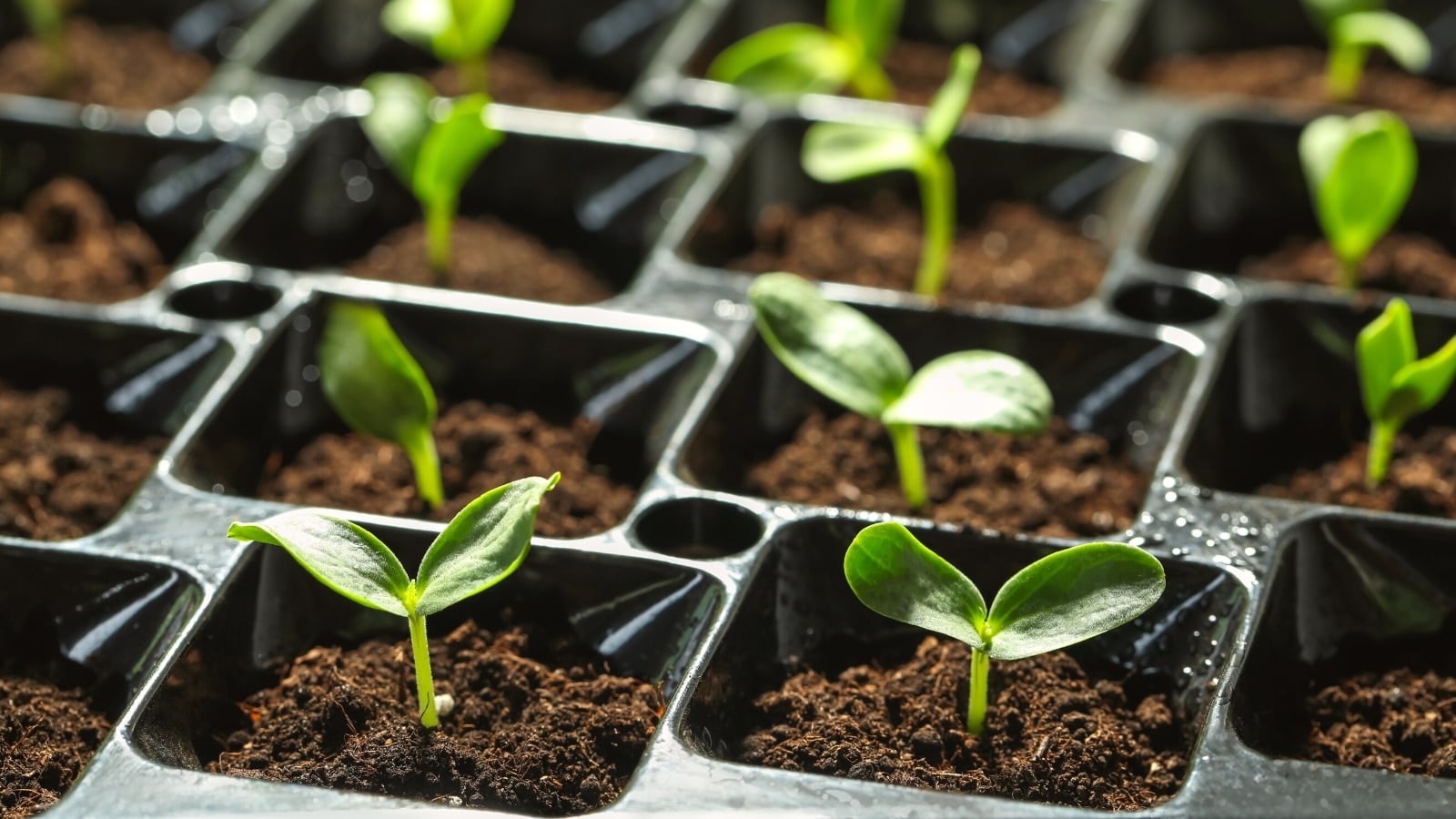
Watering Turbinicarpus seedlings requires a deft touch; excess moisture invites damping-off disease, yet complete drying halts growth. The substrate should remain evenly moist but never waterlogged. Employing a spray bottle or bottom watering method offers greater control, reducing surface disturbance to tiny seedlings.
Humidity levels between 50–70% strike an optimal balance, fostering germination without encouraging fungal adversaries. Maintain vigilance to adjust watering frequency as seedlings develop; once true spines emerge, gradually reducing humidity habituates the plants to ambient dryness.
From Seedling to Juvenile: Nurturing Growth
Once seedlings emerge, growth is subtle yet fastidious. This phase demands gradual acclimatization to stronger sunlight and less humidity, resembling nature’s seasonal rhythms. Incremental exposure to bright, indirect light helps seedlings synthesize chlorophyll robustly without risking photodamage.
Feeding is sparse—an occasional application of diluted, balanced fertilizer supports development but should never impair the industry of hardiness that defines Turbinicarpus. Slow, steady development is the hallmark here. Encourage resilience; a sturdy skeleton will bear the blooms and ancient wisdom sequestered in mature specimens.

Transplanting and Long-Term Care
When seedlings reach a diameter of about 1 cm, gentle transplanting into individual pots with appropriate soil awaits. This careful migration requires clean tools and a steady hand to minimize root disturbance. Transplant shock can be mitigated by maintaining the microenvironment and gradual light exposure post-move.
Long-term care becomes an exploration of mimicking the plant’s native rhythm—sparse watering, bright light, and cooler rest periods during winter. Observing Turbinicarpus through seasonal cycles reveals a subtle narrative of survival and bloom, inviting a horticultural dialogue rather than mere maintenance.
Appreciating the Enigmatic Bloom
The fascination with Turbinicarpus culminates in its bloom—a delicate, often unexpectedly vivid flower that crowns the rugged barrel like a jewel. This ephemeral brilliance reveals the silent struggles and triumphant persistence encapsulated in every tender stem. Blooming from seed is an achievement not simply of growth, but of communion with nature’s nuanced tempo.

Witnessing this transformation imparts a deeper understanding of survival, adaptation, and beauty, making each successful bloom a celebrated culmination of care, knowledge, and reverence.
FAQ
What is Turbinicarpus?
Turbinicarpus is a genus of small cacti native primarily to arid regions of Mexico, known for their unique forms and vibrant blooms.
How do I prepare Turbinicarpus seeds for germination?
Turbinicarpus seeds can be prepared by gently scarifying them or soaking in lukewarm water to improve germination rates.
What is the ideal soil mix for growing Turbinicarpus?
A porous mix of pumice, volcanic grit, and coarse sand is ideal to replicate their natural rocky habitat.

Leave a Reply