
Short Answer
Imagine a plant so resilient that it thrives in the harshest conditions, where others wither and fade. A plant that stores water like a camel, defends itself with spines like a fortress, and yet, even this indomitable survivor needs a little tender care now and then. That’s right—we’re talking about cacti. These desert denizens are often seen as low-maintenance, but here’s the twist: pruning them isn’t just about aesthetics. It’s about unlocking their full potential, ensuring their health, and even encouraging them to flourish in ways you never thought possible. If you’ve ever hesitated to trim your cactus, thinking it might harm the plant, prepare to have your perspective flipped upside down. Pruning isn’t just safe—it’s transformative.
The Why Behind the Prune: Why Your Cactus Actually Needs a Trim
At first glance, cacti seem like the ultimate survivors—no need for pruning, right? Wrong. While they’re built to endure neglect, pruning serves a deeper purpose. It’s not about fixing what’s broken; it’s about optimizing what’s already thriving. Think of it as a spa day for your spiky friend. Dead or damaged segments can sap energy, creating a breeding ground for pests and diseases. By removing these, you’re not just tidying up; you’re redirecting the plant’s resources toward new growth. And here’s the kicker: pruning can also control size, shape, and even encourage flowering. A well-pruned cactus isn’t just healthier—it’s a showstopper.
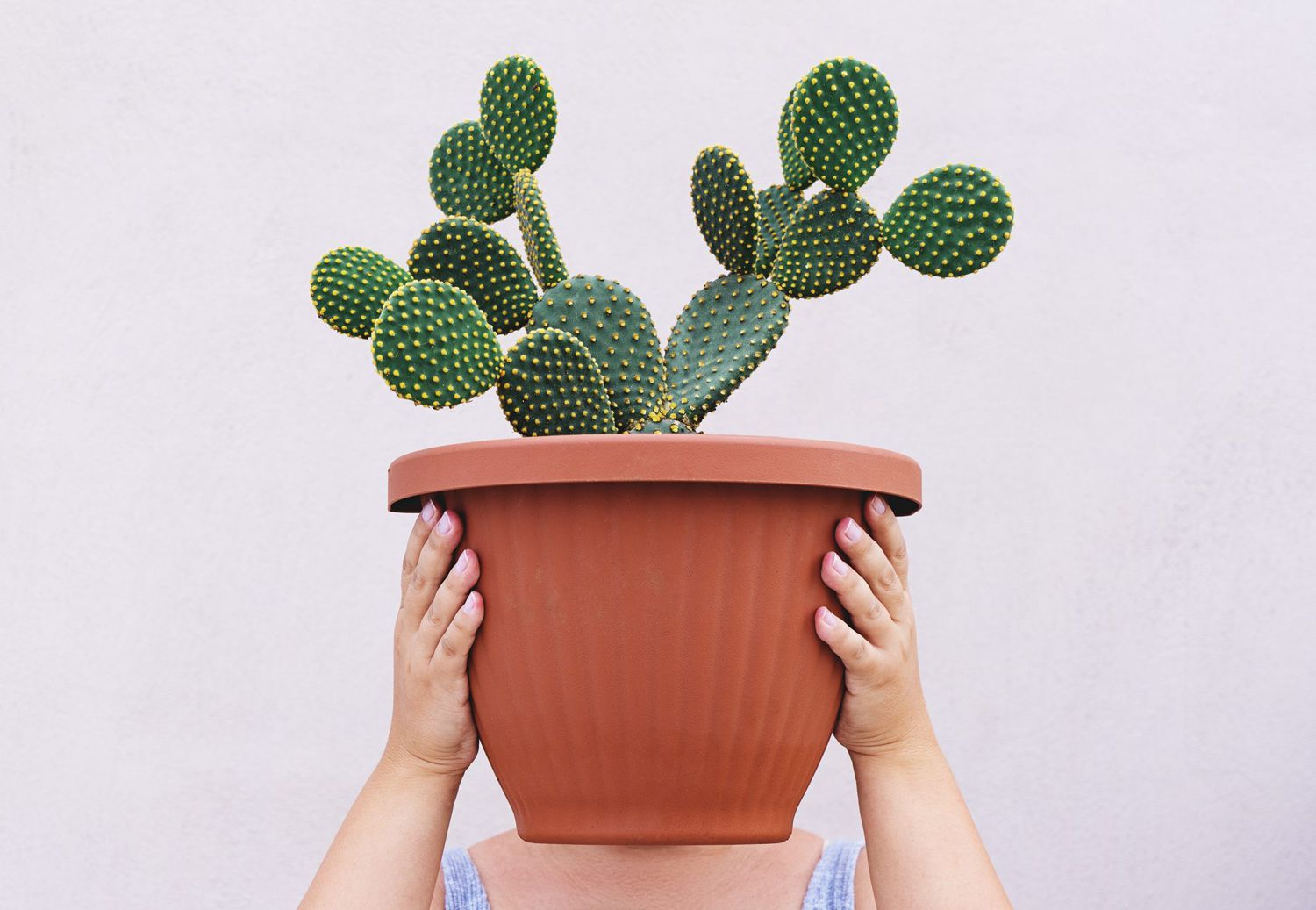
But there’s more. Some cacti, like the Opuntia (prickly pear), have a habit of sprawling uncontrollably. Without pruning, they can take over your garden like an unruly guest. Others, like the Echeveria, benefit from a light trim to maintain their compact, rosette shape. The key is knowing when and how to intervene. Pruning isn’t a one-size-fits-all task—it’s a tailored experience for each cactus’s unique personality.
Timing Is Everything: When to Wield the Pruning Shears
Pruning at the wrong time can spell disaster. Imagine performing surgery on a patient mid-hibernation—it’s a recipe for shock. Cacti follow a similar rhythm. The best time to prune is during their active growing season, typically spring or early summer. This is when they’re primed to heal and regenerate. Pruning in winter? A big no. The plant is dormant, and any cuts will struggle to callus over, leaving it vulnerable to rot.
There’s another layer to timing: the moon’s phases. While not scientifically proven, some gardeners swear by pruning during the waxing moon (the period leading up to a full moon). The idea is that the plant’s energy is rising, making it more receptive to healing. Whether you’re a skeptic or a believer, it’s a fascinating ritual to consider.
The Right Tools for the Job: Arm Yourself for Success
Pruning a cactus isn’t like trimming a hedge. You need precision, not brute force. Start with a sharp, sterilized knife or pruning shears. A dull blade will crush the tissue, inviting infection. For larger cacti, a saw might be necessary, but always opt for one designed for plant use to avoid damaging the plant’s fibers.
Gloves are non-negotiable. Even the gentlest cactus can deliver a painful jab. Thick leather or puncture-resistant gloves will save your hands from a world of hurt. And don’t forget a pair of tongs or long tweezers—those spines have a knack for embedding themselves in your skin.
Before you begin, gather rubbing alcohol or hydrogen peroxide to sterilize your tools. A clean cut is a healthy cut, and sterilization prevents the spread of pathogens. It’s the plant equivalent of washing your hands before surgery.
Step-by-Step Pruning: A Surgical Approach to Cactus Care
Now, let’s get to the heart of the matter. Pruning a cactus is less about hacking away and more about making calculated incisions. Here’s how to do it right:
1. Identify the Targets: Look for dead, diseased, or damaged segments. These are usually discolored, mushy, or shriveled. Also, trim any offsets (baby cacti) that are crowding the main plant or growing in unwanted directions.
2. Make the Cut: Position your tool at a 45-degree angle, about a quarter-inch above a joint or node. This angle prevents water from pooling on the cut surface, reducing rot risk. For large cuts, let the wound dry out for a few days before repotting or handling the plant further.
3. Handle with Care: If you’re removing an offset, twist it gently rather than pulling. This minimizes damage to the parent plant. For pads, use a clean knife to slice through the connection.
4. Let It Heal: Place the pruned cactus in a shaded, dry spot for a week or two. This callusing period is crucial—it allows the wound to seal, preventing moisture loss and infection.
5. Repot if Necessary: If your cactus is top-heavy or has outgrown its pot, this is the perfect time to repot. Use a well-draining soil mix, like a blend of cactus soil and perlite, to give your plant a fresh start.

Aftercare: Nurturing Your Cactus Back to Glory
Pruning is just the beginning. The real magic happens in the weeks that follow. Your cactus is now in recovery mode, and how you care for it during this time will determine its future vitality.
First, resist the urge to water immediately. Fresh cuts are like open wounds—water can seep in and cause rot. Wait at least a week, then resume watering sparingly. Let the soil dry out completely between waterings. Overwatering is the fastest way to undo all your hard work.
Light is another critical factor. While your cactus recovers, place it in bright, indirect light. Direct sunlight can scorch the newly exposed tissue, leading to sunburn. Gradually reintroduce it to its usual spot over a few weeks.
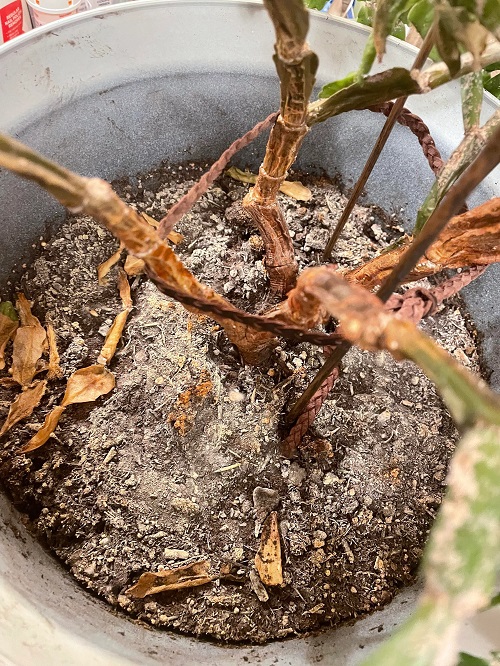
Watch for signs of stress: yellowing, wilting, or black spots. These indicate that something’s amiss—whether it’s overwatering, poor light, or an infection. If you spot rot, act fast. Cut away the affected area with a sterilized tool, and treat the remaining healthy tissue with a fungicide.
Beyond the Basics: Advanced Pruning Techniques
Once you’ve mastered the fundamentals, it’s time to level up. Advanced pruning techniques can transform your cactus from ordinary to extraordinary.
Topping: This involves cutting off the top of a tall cactus to encourage bushier growth. It’s a bold move, but it can rejuvenate an overgrown plant. Just be prepared for the cut section to root and become a new plant!
Etching: A decorative technique where you carefully remove small sections of the epidermis to create patterns or designs. It’s like giving your cactus a tattoo—permanent, artistic, and undeniably cool.
Grafting: For the truly adventurous, grafting involves attaching a cutting from one cactus onto another. This can create hybrid plants with unique colors or growth habits. It’s a bit like plant surgery, but the results can be breathtaking.
Common Mistakes and How to Avoid Them
Even the most seasoned gardeners make mistakes. Here are a few pitfalls to steer clear of:
Over-Pruning: Removing too much at once can shock the plant. Stick to one-third of the plant’s total mass in a single session.
Pruning at the Wrong Time: Winter pruning is a no-go. Wait for active growth to avoid stunting the plant.
Ignoring Sterilization: Dirty tools are a fast track to infection. Always sterilize before and after pruning.
Using the Wrong Soil: Regular potting soil retains too much moisture. Opt for a gritty, fast-draining mix to mimic the desert environment.
The Reward: A Thriving, Sculpted Cactus
When done right, pruning isn’t just maintenance—it’s an art form. Your cactus will reward you with vibrant growth, striking shapes, and even a burst of flowers. It’s a testament to the bond between gardener and plant, a partnership where both thrive.
So, the next time you look at your cactus, don’t just see a spiky green blob. See a canvas waiting to be shaped, a survivor ready to be nurtured. Grab your tools, take a deep breath, and get pruning. Your cactus—and your garden—will thank you.
FAQ
When is the best time to prune a cactus?
The best time to prune a cactus is during its active growing season, typically in spring or early summer.
What tools do I need for cactus pruning?
You’ll need a sharp, sterilized knife or pruning shears, gloves, and possibly tongs or long tweezers.
How should I care for my cactus after pruning?
After pruning, place your cactus in a shaded area to heal and avoid watering for at least a week.

Leave a Reply