

Short Answer
From the sun-scorched deserts of the Americas to the vibrant gardens of urban jungles, cacti have intrigued humanity for centuries. Their spiny exterior, enigmatic resilience, and striking forms have made them subjects of whispers, tales, and metaphors throughout cultures. These hardy plants are more than just desert survivors; they are custodians of ancient legends, bearers of mystical symbolism, and focal points of curiosity. What is it about cacti that fascinates us so deeply? Is it their paradoxical nature—thorny yet life-giving, unyielding yet nurturing—that invites stories and myths? Delving into the best cactus myths and legends from around the world reveals a tapestry woven with intrigue, reverence, and a profound human connection to nature’s mysteries.
The Cactus as a Guardian: Protective Spirits in Indigenous Cultures
Across the arid landscapes of the Americas, numerous indigenous tribes perceive the cactus as more than a plant; it is a sentinel, a guardian steeped in spiritual potency. The resilient silhouette of the cactus standing alone amidst barren sands becomes a symbol of steadfast protection. Myths often portray it as a ward against evil forces or malevolent spirits. For the Tarahumara people of northern Mexico, for example, certain cacti are believed to hold protective powers that shield travelers from harm during desert journeys. This belief stems from the cactus’s formidable spines—a natural defense mechanism that translates metaphorically to spiritual safeguarding.
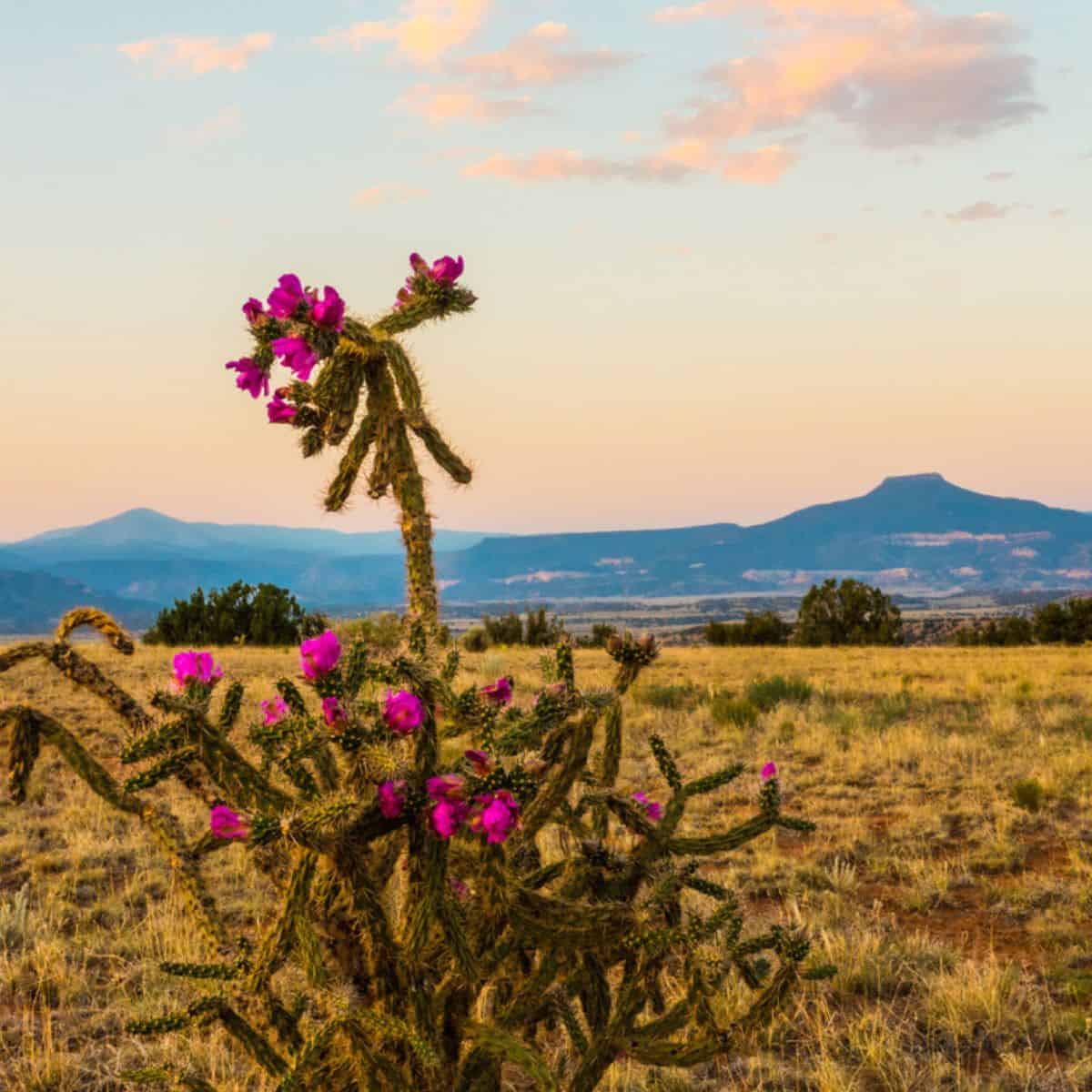
This attribution of guardianship reflects humanity’s broader fascination with the cactus’s ability to endure and survive against odds. The plant’s defensive armor becomes a metaphor for resilience and vigilance, qualities deeply admired across cultures facing harsh environments.
Cacti and the Promise of Life in the Desert: Symbols of Sustenance and Hope
Deserts are emblematic of emptiness and desolation, yet cacti stand in paradox as living reservoirs of water and vitality. This duality has inspired profound legends about life flourishing where no life seems possible. The famed Peyote cactus of northern Mexico and southern Texas not only holds spiritual importance as a hallucinogenic plant used in rituals but also symbolizes the very essence of life’s persistence amidst adversity.
The lore surrounding Peyote speaks of it as a divine gift, a bridge between the physical and spiritual realms. Rituals involving Peyote are seen as life-affirming ceremonies that reconnect individuals to the earth and their ancestral wisdom. Furthermore, the ability of various cacti to store precious water has made them emblematic of hope—proof that nature provides even in scarcity. This fascination likely arises from a human respect for survival instinct and the sacredness of natural resources, especially in climates where every drop counts.
The Moon and the Cactus: Celestial Legends and Mythical Origins
In some cultures, the cactus is entwined with lunar mythology. The plant’s nocturnal blooms—ephemeral and rare—evoke celestial mystery and enchantment. Certain Native American folklore considers the cactus bloom as a gift from the moon, bestowed once a year under silvery light. These delicate flowers are celebrated as symbols of fleeting beauty and transcendence.

This nocturnal flowering links the cactus to themes of transformation and renewal. The mythos surrounding these blooms suggests a deeper human yearning to grasp the ephemeral moments of beauty that illuminate the darkness—both literally in night deserts and metaphorically in life’s shadows. The nocturnal aspect magnifies the cactus’s mystical aura, reinforcing its role as a mediator between earthly struggles and celestial wonder.
The Cactus as a Symbol of Endurance and Stoicism
Throughout literature and folk tradition, the cactus is cherished as an enduring emblem of stoicism. This perception transcends the physical to include philosophical reflection. The plant’s ability to thrive under harsh conditions, resist drought, and bounce back from neglect mirrors the human capacity for perseverance and emotional fortitude.
In some South American cultures, gifting a cactus is a gesture charged with meaning—it conveys respect for the recipient’s strength and ability to endure hardship. Over time, the cactus has become metaphorical shorthand for inner toughness paired with an unexpected tenderness revealed in its flowers.
This symbolic pairing challenges the observer to look beyond initial impressions. The cactus teaches that beauty and resilience can coexist, and that survival is often accompanied by moments of subtle grace.
From Myth to Modern Fascination: The Cactus in Contemporary Culture
More than just a relic of ancient mythologies, the cactus has found a vibrant place in modern storytelling, art, and popular culture worldwide. Contemporary fascination merges the classical symbolism with a trendy aesthetic appeal—spiny silhouettes against pastel backdrops, succulent gardens in urban apartments, and a resurgence in desert-themed décor.
This modern embrace hints at a broader cultural yearning for connection to endurance, individuality, and calm resilience amid turbulent times. The cactus, quirky and unyielding, embodies the ideal of thriving amidst challenge—a narrative everyone finds compelling in some way. It acts as a living metaphor for the contemporary human experience, reinforcing why ancient myths about cacti still resonate so powerfully today.
Indeed, the stories and symbols woven around cacti are more than botanical tales. They are narratives of survival, guardianship, hope, and subtle beauty. They beckon us to appreciate the enigmatic splendor hidden beneath their prickly exterior. In every myth and legend, the cactus offers a lesson: strength often looks like vulnerability, endurance can blossom quietly, and in the harshest of environments, life always finds a way to tell its story.
FAQ
What are some common myths about cacti?
Cacti are often viewed as symbols of protection, resilience, and life in harsh environments, with various cultures attributing mystical properties to them.
How do cacti symbolize hope in desert cultures?
Cacti are seen as living reservoirs of water, representing life and sustenance in desolate environments, and are often linked to spiritual rituals.
What is the significance of cactus blooms in mythology?
Cactus blooms are often associated with lunar mythology and symbolize fleeting beauty and renewal in various cultural narratives.


Leave a Reply