
Short Answer
The saguaro cactus stands as a sentinel of the desert, its towering arms reaching toward the heavens like ancient sentinels of a forgotten world. To the Native American tribes of the Southwest, this prickly titan is far more than a mere plant—it is a living symbol of resilience, a vessel of spiritual wisdom, and a silent witness to centuries of sacred rituals. From the Hopi to the Navajo, the cactus weaves itself into the very fabric of cultural identity, its presence a reminder of the delicate balance between harshness and harmony in the arid lands it calls home.
The Cactus as a Metaphor for Survival and Adaptation
In the scorching embrace of the desert, where life clings to existence with tenacious fingers, the cactus thrives—not in spite of its environment, but because of it. Its thick, waxy skin is a masterclass in evolutionary ingenuity, a shield against the relentless sun and a reservoir for precious water. To the Native American tribes, this plant embodies the art of adaptation, a living testament to the idea that strength often lies in flexibility rather than rigidity.
The spines of the cactus, sharp and unyielding, serve as both a defense mechanism and a metaphor for boundaries—both physical and spiritual. They remind us that protection is not always gentle; sometimes, it must be firm, unyielding, even painful, to ensure survival. The Pueblo peoples see in the cactus a reflection of their own endurance, a plant that does not merely endure the desert but flourishes within it, much like the people who have called these lands home for millennia.
Imagine the cactus as a silent teacher, its every thorn and fold whispering lessons of perseverance. In the dry riverbeds and sunbaked mesas, it stands as a reminder that life does not require abundance to be abundant—it only requires the will to adapt.
The Sacred Role of the Cactus in Rituals and Ceremonies
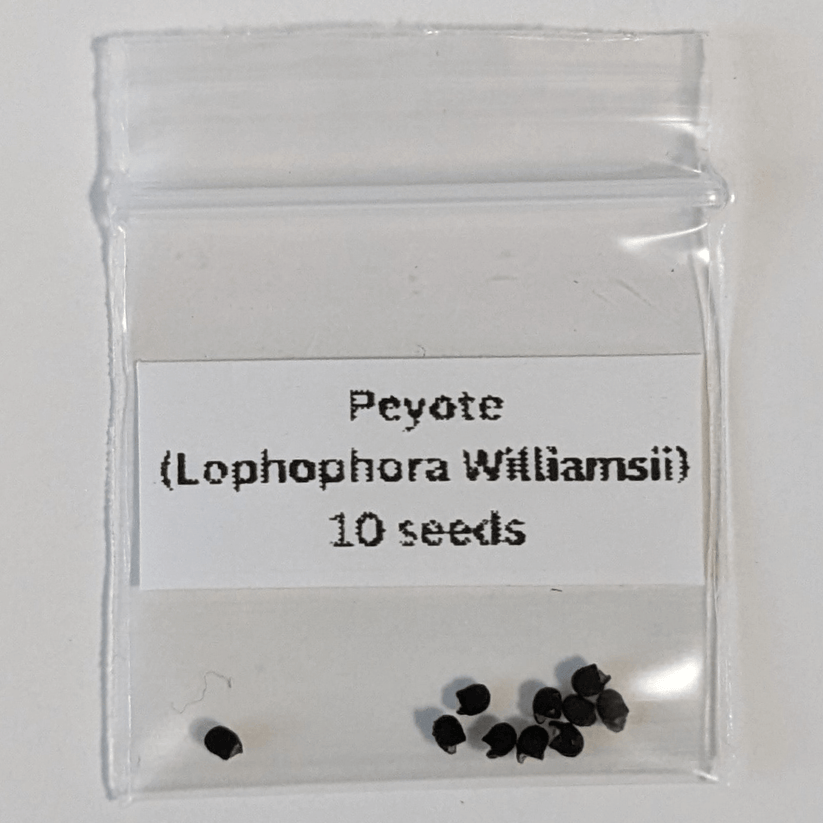
For many Native American tribes, the cactus is not just a plant; it is a sacred participant in rituals that bridge the mundane and the divine. The peyote cactus, in particular, holds a hallowed place in the spiritual practices of the Huichol, Navajo, and other tribes, where its consumption is believed to induce visions and facilitate communion with the spirit world. These rituals are not mere ceremonies—they are journeys, where the boundaries between the physical and the metaphysical dissolve like mist in the morning sun.
The San Pedro cactus, revered by the Andean peoples, is another example of a cactus woven into the tapestry of sacred tradition. Its mescaline-rich properties are harnessed in healing rituals, where shamans guide participants through transformative experiences, seeking visions that reveal hidden truths. The cactus, in these moments, becomes a conduit—a living bridge between the earthly and the ethereal.
Even the humble prickly pear, with its vibrant fruits and pads, plays a role in Native American ceremonies. Its sweet, ruby-red tunas are harvested in late summer, a time of abundance before the lean months of winter. The act of gathering these fruits is not merely practical; it is a communal ritual, a celebration of nature’s generosity and a reminder of the cyclical nature of life.
The Cactus in Mythology: Stories of Creation and Cosmology
In the rich tapestry of Native American mythology, the cactus often takes center stage as a protagonist in creation stories. Among the Hopi, the cactus is said to have emerged from the earth as a gift from the Creator, its spines representing the fingers of the divine. In another tale, the cactus is a symbol of the people’s resilience, a plant that grows where others cannot, much like the Hopi themselves, who have endured centuries of hardship while maintaining their cultural identity.
The Navajo, too, weave the cactus into their creation narratives. In one story, the cactus is a guardian of sacred knowledge, its spines protecting the wisdom of the ancestors. To harm the cactus is to invite misfortune, a belief that underscores the deep reverence for all living things in Navajo culture. The cactus, in these myths, is not just a plant—it is a living archive of the tribe’s history, a silent keeper of secrets passed down through generations.
These stories are more than mere folklore; they are living traditions, a way of understanding the world and one’s place within it. The cactus, in its quiet dignity, becomes a character in a grand narrative—a symbol of the unbreakable bond between humanity and the natural world.
The Healing Powers of the Cactus: Medicine and Wellness
The medicinal properties of the cactus have been harnessed by Native American healers for centuries, their knowledge passed down through oral traditions and hands-on experience. The cholla cactus, with its segmented branches, is used in poultices to treat wounds, its spines carefully removed to create a soothing balm. The prickly pear, meanwhile, is a powerhouse of nutrition, its pads and fruits rich in vitamins and minerals, a vital resource in the harsh desert environment.
But the healing power of the cactus extends beyond the physical. The peyote cactus, used in sacred rituals, is believed to cleanse the spirit, offering clarity and insight to those who partake in its visions. The cactus, in this context, is not just a plant—it is a healer, a guide, a source of renewal. Its healing properties are a testament to the deep understanding Native American cultures have of the natural world, where every plant, every creature, has a role to play in the balance of life.
Imagine a healer gathering under the shade of a towering saguaro, preparing a remedy from its fruit or using its spines in a ritual to restore harmony. The cactus, in these moments, is not just a tool—it is a partner in the healing process, a silent ally in the journey toward wellness.
The Cactus in Art and Symbolism: A Visual Language
The cactus has long been a muse for Native American artists, its striking silhouette and intricate details inspiring pottery, textiles, and jewelry. The Hopi, for instance, incorporate the cactus into their katsina dolls, where it symbolizes protection and fertility. The Navajo, meanwhile, weave its image into their sand paintings, where it represents the enduring spirit of the people.
In these artistic expressions, the cactus is more than a subject—it is a symbol, a language, a way of communicating ideas and emotions without words. Its spines may represent the challenges of life, its fruit the sweetness of perseverance, and its towering form the unyielding strength of the human spirit. The cactus, in art, becomes a metaphor for the human experience, a visual shorthand for resilience, wisdom, and the beauty of adaptation.
Consider the intricate beadwork of a Navajo artist, where the cactus is rendered in vibrant hues, its spines meticulously crafted to evoke both beauty and danger. Or the pottery of a Pueblo potter, where the cactus is etched into the clay, a silent guardian of the home. In these works, the cactus is not just a plant—it is a story, a tradition, a piece of the cultural identity of the people who created it.
The Cactus as a Guardian of the Land
In the arid landscapes of the Southwest, the cactus is more than a plant—it is a guardian, a symbol of the land’s resilience and a reminder of the delicate balance between humanity and nature. The saguaro, with its slow growth and long lifespan, can live for over 150 years, its presence a testament to the enduring spirit of the desert. To the Native American tribes, the cactus is a protector, a silent witness to the passage of time and the cycles of life and death.
The cactus also plays a crucial role in the ecosystem, providing shelter and sustenance for a variety of desert creatures. Birds nest in its branches, insects feed on its nectar, and mammals rely on its fruit for nourishment. The cactus, in this way, is a keystone species, a plant that supports the entire web of life in the desert. To harm the cactus is to disrupt this balance, a lesson that underscores the deep respect Native American cultures have for the natural world.
Imagine standing in the shadow of a towering saguaro, its arms outstretched like a sentinel guarding the desert. Its presence is a reminder that life, in all its forms, is interconnected, and that every living thing, no matter how small or seemingly insignificant, has a role to play in the grand tapestry of existence.
The Cactus in Modern Times: Preservation and Cultural Revival
In an era of environmental degradation and cultural erosion, the cactus stands as a symbol of both resilience and the urgent need for preservation. Native American communities are working tirelessly to protect the lands where the cactus thrives, advocating for sustainable practices and the preservation of sacred sites. The cactus, in this context, is not just a plant—it is a rallying cry, a reminder of the importance of honoring the past while safeguarding the future.
Artists, scholars, and activists are also reviving the cultural significance of the cactus, ensuring that its stories and traditions are not lost to time. Through art, literature, and education, the cactus is being reimagined as a symbol of hope, a beacon of resilience in an uncertain world. Its image adorns murals, its stories are shared in classrooms, and its healing properties are being rediscovered by a new generation of seekers.
The cactus, in modern times, is more than a plant—it is a cultural icon, a symbol of the enduring spirit of Native American traditions. Its presence in the desert is a reminder that some things, no matter how fragile they may seem, have the power to endure, to adapt, and to thrive.

The saguaro cactus, with its silent strength and enduring presence, is a testament to the power of nature and the resilience of the human spirit. In the stories, rituals, and art of Native American cultures, it is more than a plant—it is a symbol, a teacher, and a guardian of the land. As we walk through the desert, let us remember the lessons of the cactus: that life is not about avoiding the harshness of the world, but about learning to thrive within it.
FAQ
What symbolic meanings does the cactus hold in Native American culture?
The cactus represents resilience, protection, adaptation, and spiritual boundaries across various Native American tribes.
Which cacti are used in Native American spiritual rituals?
Peyote and San Pedro cacti are commonly used in ceremonies to induce visions and healing experiences.
How do Native American peoples use cactus for healing?
They use parts of cacti like cholla and prickly pear for wound treatment, nutrition, and spiritual cleansing.
In what ways is the cactus featured in Native American art?
It appears in pottery, textiles, jewelry, and sand paintings symbolizing protection, fertility, and endurance.
Why is the cactus considered important in desert ecosystems?
It provides essential shelter and nourishment for many desert animals and symbolizes the balance between nature and humans.

Leave a Reply