
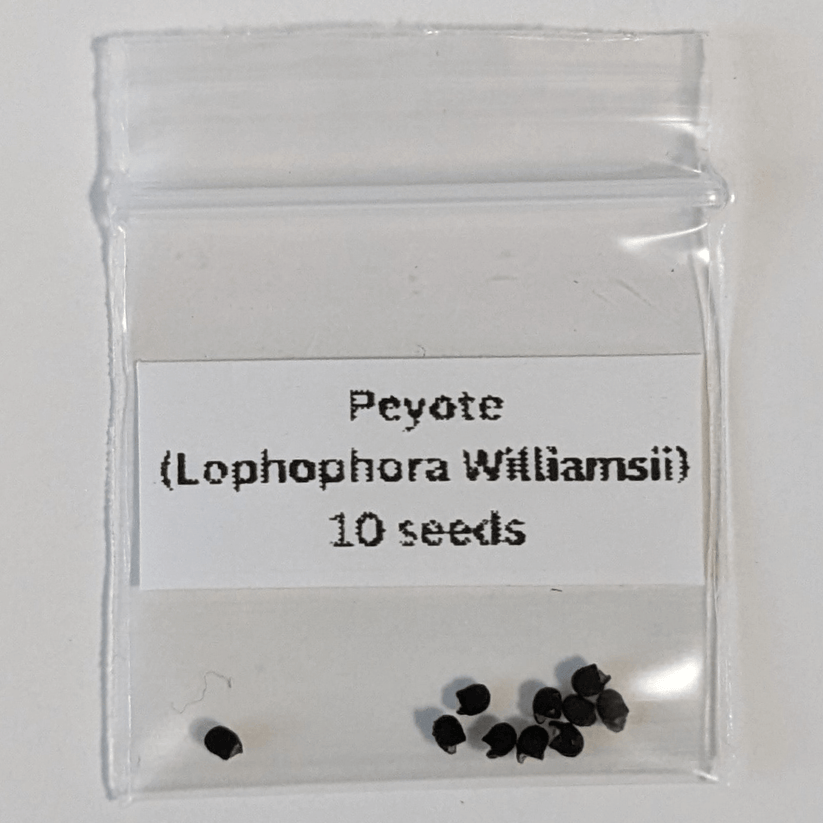
Short Answer
In the vast, sun-scorched landscapes of the Chihuahuan Desert, where the earth seems to exhale its ancient secrets through the whispering winds, a small, spineless cactus thrives in quiet defiance. Lophophora williamsii—better known as peyote—is not merely a plant; it is a living relic, a botanical oracle, and a sacred sacrament that has woven itself into the spiritual and cultural fabric of indigenous peoples for millennia. Yet, despite its revered status, this unassuming cactus faces existential threats that extend far beyond the arid soil it calls home. The fascination with peyote is not just about its psychoactive properties or its role in healing ceremonies; it is a testament to humanity’s enduring quest to connect with something greater than itself—a longing that this tiny cactus, with its crown of ribbed, blue-green flesh, has somehow fulfilled for generations.
The Botanical Enigma: A Cactus That Defies Convention
At first glance, Lophophora williamsii is unremarkable. Its spherical form, often no larger than a golf ball, sits flush against the desert floor, its surface adorned with a pattern of sinuous ribs that spiral toward a crown of woolly tufts. Unlike its spiny cousins, peyote is devoid of thorns, its flesh soft and succulent, a trait that belies its resilience. This spinelessness is no accident; it is an evolutionary adaptation, a silent rebellion against the harshness of its environment. The cactus stores water in its fleshy body, a survival strategy that allows it to endure months of drought, while its slow growth—taking up to a decade to mature—speaks to a patience that borders on the mythic.
What truly sets peyote apart, however, is its chemical arsenal. Beneath its unassuming exterior lies a treasure trove of alkaloids, chief among them mescaline, a compound that has captivated scientists, shamans, and seekers alike. Mescaline is not merely a molecule; it is a key that unlocks doors to altered states of consciousness, a bridge between the mundane and the divine. Yet, the cactus does not yield its secrets lightly. Harvesting peyote is a delicate art, requiring not just knowledge of its habitat but an understanding of the delicate balance between human need and ecological preservation. The act of cutting a peyote button from its root is an intimate transaction, one that demands reverence and restraint.
The Sacred Contract: Peyote in Indigenous Cosmology
To the Huichol, Tarahumara, and other indigenous peoples of Mexico and the American Southwest, peyote is not a plant but a teacher, a divine intermediary that facilitates communion with the spirit world. The Huichol pilgrimage to Wirikuta, the sacred peyote fields of San Luis Potosí, is not merely a journey but a spiritual odyssey, a reenactment of the primordial quest for enlightenment. Each step taken toward the cactus fields is a prayer, each encounter with the plant a revelation. The peyote ceremony is a symphony of tradition, where the cactus’s mescaline-induced visions are interpreted as messages from the gods, a direct line to the wisdom of the ancestors.
This sacred relationship is not one of exploitation but of reciprocity. The indigenous peoples do not take peyote lightly; they give back in the form of offerings, songs, and rituals that honor the cactus’s role in their cosmology. The peyote plant is not just a tool for healing or divination—it is a living deity, a participant in the sacred drama of existence. Yet, this profound connection is increasingly strained by external forces. The commercialization of peyote, its appropriation by non-indigenous seekers, and the encroachment of industrial agriculture threaten to sever the delicate threads that bind humanity to this ancient sacrament.
The Modern Predicament: Exploitation and the Erosion of Tradition
The 20th century saw peyote’s reputation expand far beyond its indigenous roots. Psychedelic researchers like Aldous Huxley and Timothy Leary extolled its virtues, while the counterculture of the 1960s embraced it as a symbol of rebellion against societal norms. Today, peyote is sought after not just for its spiritual properties but as a recreational substance, a trend that has led to overharvesting and habitat destruction. The Chihuahuan Desert, once a vast and untouched expanse, is now dotted with illegal diggings, where poachers strip the land of its sacred cacti, leaving behind scars that may take decades to heal.
Compounding this issue is the legal ambiguity surrounding peyote. While its use in religious ceremonies is protected under the American Indian Religious Freedom Act, its broader cultural and therapeutic applications remain in a legal gray area. This has created a black market where peyote buttons are sold at exorbitant prices, often adulterated or misrepresented. The irony is stark: a plant that has been cultivated with reverence for thousands of years is now being commodified, its sacred essence reduced to a transactional commodity. The fight for peyote’s survival is not just an ecological battle; it is a cultural one, a struggle to preserve the integrity of traditions that predate recorded history.
The Ecological Imperative: A Cactus on the Brink
Peyote’s natural habitat is under siege. Climate change, with its erratic rainfall patterns and rising temperatures, is altering the delicate balance of the Chihuahuan Desert. The cactus’s slow growth rate means that recovery from overharvesting is a painstaking process, one that cannot keep pace with human demand. Additionally, invasive species and agricultural expansion are encroaching on its territory, further reducing the spaces where Lophophora williamsii can thrive undisturbed.
Conservation efforts are underway, but they face significant challenges. Some initiatives focus on cultivating peyote in controlled environments, though this raises ethical questions about the authenticity of the experience. Can a cactus grown in a greenhouse replicate the spiritual potency of one harvested from the wild? Others advocate for stricter regulations on peyote harvesting, ensuring that indigenous communities retain control over its distribution. Yet, the most pressing need is education—raising awareness about the cultural significance of peyote and the consequences of its exploitation. The survival of this sacred cactus depends not just on policy changes but on a collective shift in consciousness, one that recognizes peyote not as a resource to be consumed but as a partner in humanity’s spiritual evolution.

The Future of the Sacred: Can Peyote Endure?
The story of peyote is a microcosm of humanity’s relationship with the natural world—a tale of reverence, exploitation, and the desperate hope for reconciliation. As we stand on the precipice of ecological collapse and cultural erosion, peyote serves as a poignant reminder of what we stand to lose if we fail to honor the sacred bonds that connect us to the earth. Its survival is not just a matter of preserving a species; it is about safeguarding a way of life, a spiritual tradition that has sustained generations.
For those who have experienced the visions of peyote, the cactus is more than a plant—it is a mirror, reflecting the deepest parts of the human soul. It challenges us to confront our own fragility, our capacity for both destruction and transcendence. The fight for peyote’s survival is, at its core, a fight for the soul of humanity itself. Will we choose to listen to its silent wisdom, or will we let it wither away, another casualty of our relentless pursuit of progress? The answer lies not in the hands of policymakers or conservationists alone, but in the hearts of every individual who has ever felt the call of the sacred.

FAQ
What is Lophophora williamsii?
Lophophora williamsii, commonly known as peyote, is a small spineless cactus revered for its psychoactive properties and cultural significance in indigenous ceremonies.
What threats does peyote face?
Peyote faces threats from overharvesting, climate change, and commercialization, which jeopardize its natural habitat and cultural integrity.
Why is peyote considered sacred?
Peyote is considered sacred by various indigenous peoples as it facilitates spiritual experiences and is integral to traditional ceremonies.
FAQ
What is peyote?
Peyote, or Lophophora williamsii, is a small spineless cactus known for its psychoactive properties and significant role in indigenous spiritual practices.
Why is peyote considered sacred?
Peyote is considered sacred by many indigenous cultures as it is used in spiritual ceremonies to connect with the divine and ancestral wisdom.
What are the threats to peyote?
Peyote faces threats from overharvesting, habitat destruction, climate change, and commercialization.
FAQ
What is peyote?
Peyote is a small, spineless cactus known scientifically as Lophophora williamsii, revered for its psychoactive properties and cultural significance among indigenous peoples.
Why is peyote considered sacred?
Peyote is considered sacred by many indigenous cultures as it is used in spiritual ceremonies to facilitate communion with the divine and ancestral spirits.
What threats does peyote face?
Peyote faces threats from overharvesting, climate change, and the commercialization of its use, which jeopardizes both its survival and cultural significance.
FAQ
What is peyote?
Peyote, or Lophophora williamsii, is a small spineless cactus known for its psychoactive properties and significance in indigenous spiritual ceremonies.
Why is peyote considered sacred?
Peyote is considered sacred by various indigenous cultures as it is used in spiritual ceremonies for healing and communion with the divine.
What threats does peyote face?
Peyote faces threats from overharvesting, habitat destruction, climate change, and commercialization, which jeopardize its survival and cultural significance.
FAQ
What is Lophophora williamsii?
Lophophora williamsii, commonly known as peyote, is a small, spineless cactus revered for its psychoactive properties and cultural significance among indigenous peoples.
Why is peyote considered sacred?
Peyote is considered sacred because it facilitates spiritual experiences and communion with the divine in various indigenous cultures.
What threats does peyote face?
Peyote faces threats from overharvesting, habitat destruction, climate change, and commercialization.

Leave a Reply