

Short Answer
In the quiet language of flowers and foliage, where every petal and thorn whispers a story, the cactus emerges as an unexpected yet profound symbol in funeral arrangements. Often overlooked in favor of more traditional blooms, the cactus carries a message of resilience, endurance, and the unyielding promise of eternal life. Its presence in a memorial setting is not merely decorative—it is a defiant celebration of life’s tenacity in the face of mortality. This article explores the rich symbolism of the cactus in funeral tributes, challenging conventional perceptions and inviting a deeper appreciation for its quiet strength.
The Thorny Paradox: Beauty in Resilience
At first glance, the cactus is an anomaly in the world of funeral flowers. Its stark, angular silhouette and formidable spines seem antithetical to the softness and delicacy typically associated with memorial arrangements. Yet, it is precisely this paradox that makes the cactus so compelling. Unlike ephemeral blooms that wither within days, the cactus thrives in arid conditions, its survival a testament to adaptability. In a funeral context, this resilience becomes a metaphor for the human spirit’s ability to endure loss and transcend grief. The cactus does not merely survive—it flourishes, much like the soul it symbolizes.
Consider the saguaro, a towering sentinel of the desert, its arms outstretched as if embracing the heavens. Its slow growth—sometimes taking decades to reach maturity—mirrors the gradual process of healing. To include a cactus in a funeral arrangement is to acknowledge that grief, too, is a journey, one that unfolds at its own pace. The thorns, often perceived as a deterrent, are in fact a shield, a reminder that even in vulnerability, there is protection. This duality—beauty and defense, fragility and fortitude—makes the cactus a poignant choice for those seeking to convey a message of unwavering hope.
Eternal Life: The Cactus as a Living Metaphor
The symbolism of the cactus extends far beyond its physical resilience. In many cultures, it is revered as a harbinger of eternal life, its ability to store water and survive in harsh environments drawing parallels to the soul’s immortality. The ancient Egyptians, for instance, associated the cactus with the sun god Ra, a deity of rebirth and regeneration. Similarly, in Native American traditions, the cactus is often seen as a bridge between the earthly and the spiritual realms, its deep roots anchoring it to the ground while its upward growth points toward the heavens.
In a funeral arrangement, the cactus serves as a living metaphor for the cycle of life and death. Its succulent nature allows it to retain moisture for extended periods, symbolizing the enduring presence of the departed in memory. Unlike cut flowers that fade, a cactus can thrive for years, its longevity a quiet promise that love and remembrance do not wane with time. This makes it an ideal choice for those who wish to create a lasting tribute, one that grows and evolves alongside the grief of those left behind.
Defying Convention: The Cactus in Modern Memorials
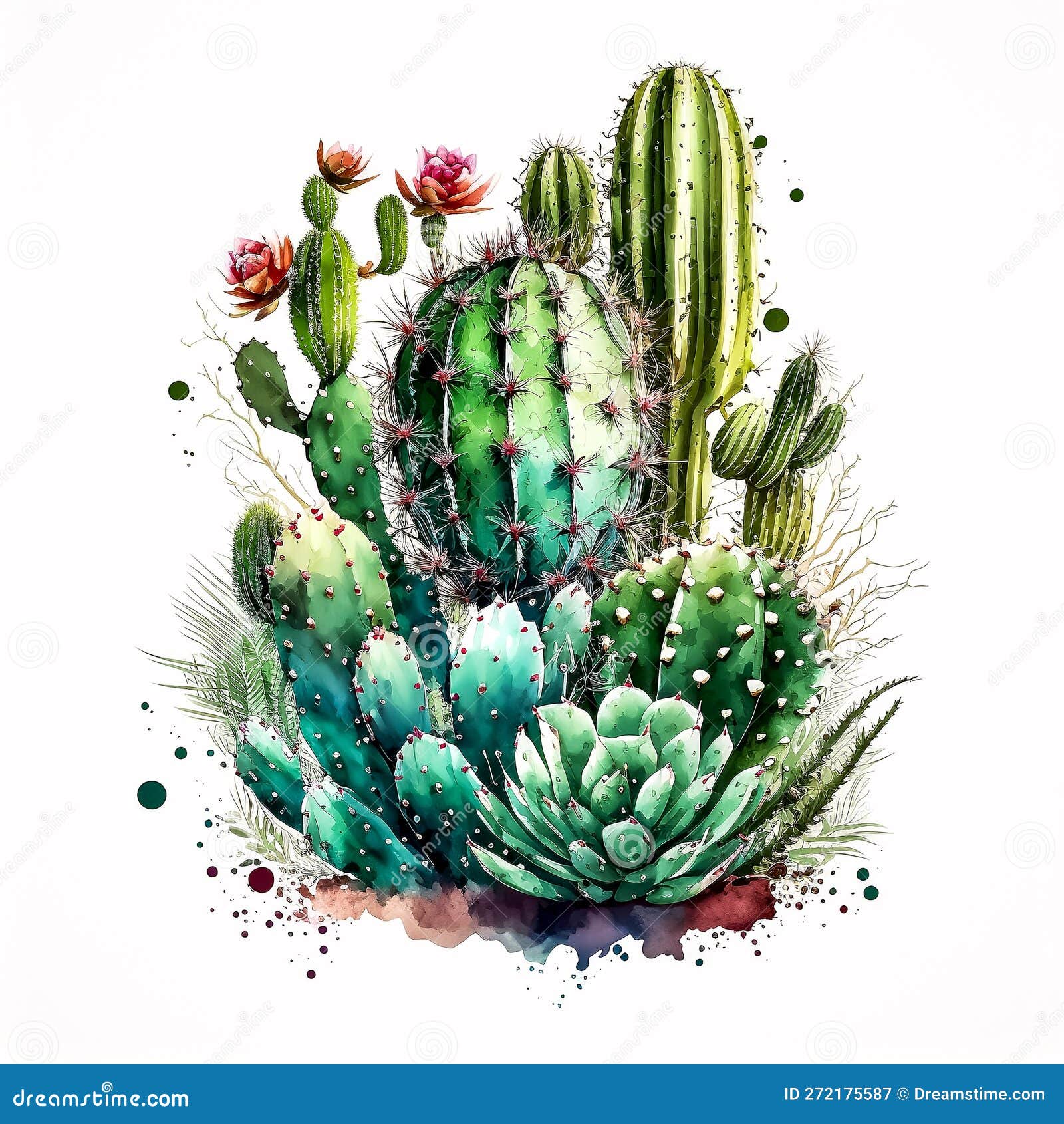
While traditional funeral flowers like lilies and roses dominate memorial services, the cactus offers a refreshing departure from convention. Its inclusion in modern arrangements reflects a shift in how society views death—not as an end, but as a transformation. The cactus challenges the notion that funerals must be somber and predictable; instead, it introduces an element of surprise and intrigue. Imagine a memorial wreath woven with cactus pads and delicate wildflowers, or a centerpiece featuring a cluster of barrel cacti surrounded by dried grasses. The juxtaposition of the rugged and the refined creates a visual narrative that captivates and provokes thought.
Moreover, the cactus aligns with contemporary values of sustainability and low-maintenance living. In an era where eco-consciousness is paramount, opting for a living plant over cut flowers reduces waste and honors the earth. The cactus, with its minimal water requirements and ability to thrive in various climates, embodies this ethos. It is a choice that speaks to both the heart and the planet, making it a meaningful option for those who wish to leave a lighter footprint on the world.
The Language of Thorns: Decoding Hidden Meanings
Every element of the cactus carries symbolic weight, from its shape to its flowers. The ribbed structure of many cactus species, for example, is often likened to the folds of a brain or the layers of an onion, representing the complexity of life and the layers of memory that accumulate over time. The vibrant blooms that occasionally burst forth—often in hues of pink, yellow, or red—symbolize the fleeting yet brilliant moments of joy that punctuate even the darkest periods of grief.
The spines themselves are not to be dismissed as mere adornments. In some interpretations, they represent the challenges and hardships that shape us, the “thorns” we navigate in life. Yet, they also serve as a reminder that these challenges do not define us; rather, they refine us. In a funeral arrangement, the spines can be seen as a nod to the resilience of the departed, their ability to face adversity with grace. Alternatively, they may symbolize the protective love of those who remain, a barrier against the pain of loss.
Cultural Reverence: The Cactus in Global Traditions
The cactus’s symbolism is not confined to a single culture; it resonates across continents and centuries. In Mexican folklore, the cactus is intertwined with the legend of the founding of Tenochtitlan, where an eagle perched on a nopal cactus signaled the site for the Aztec capital. This mythological connection imbues the cactus with a sense of destiny and divine guidance, making it a powerful symbol in memorials for those who lived lives of purpose and vision. Similarly, in Southwestern Native American traditions, the cactus is often used in healing rituals, its presence believed to cleanse the spirit and facilitate the transition to the afterlife.
In Japan, the cactus is sometimes associated with the concept of *wabi-sabi*, the beauty of imperfection and impermanence. Its asymmetrical form and rugged texture embody the philosophy that life’s most profound moments are often found in its rough edges. For a funeral arrangement, this interpretation offers a gentle reminder that grief, too, is imperfect—a messy, unpredictable journey that does not conform to societal expectations. The cactus, with its unpolished elegance, becomes a mirror for the human experience, flawed yet beautiful in its authenticity.
Practical Considerations: Incorporating the Cactus into Memorials
For those inspired to include a cactus in a funeral arrangement, there are several practical considerations to keep in mind. First, the choice of cactus species is crucial. Opt for hardy varieties like the zebra cactus (*Haworthia attenuata*) or the Christmas cactus (*Schlumbergera*), which are more adaptable to indoor conditions and easier to care for. These species also offer a softer aesthetic, with their striped patterns or delicate blooms, making them more suitable for traditional memorial settings.
When designing the arrangement, consider the symbolism of each element. Pair the cactus with complementary plants or materials that enhance its message. For example, succulents like echeveria or sedum can reinforce the theme of resilience, while dried flowers or pampas grass add texture and contrast. The container is equally important; a rustic wooden box or a handcrafted ceramic pot can ground the arrangement, while a sleek, modern vessel may appeal to those seeking a minimalist aesthetic.
Finally, think about the placement of the arrangement. A cactus placed outdoors, perhaps in a desert garden or a sunny windowsill, can serve as a living memorial, growing and changing with the seasons. Indoors, it can become a focal point in a memorial service, its presence a silent yet powerful reminder of the enduring bond between the living and the departed.
A Shift in Perspective: Embracing the Unconventional
The cactus in a funeral arrangement is more than a plant—it is a statement. It challenges us to rethink our relationship with death, to see it not as an ending, but as a continuation. In a world that often rushes to “move on,” the cactus insists on patience, on the slow, steady process of healing. It reminds us that grief, like the desert, is not a place to fear but a landscape to traverse, one that shapes us in ways we cannot yet imagine.
So the next time you find yourself selecting flowers for a memorial, consider the cactus. Let its thorns be a reminder of the strength that lies within us all. Let its blooms be a celebration of the beauty that persists, even in the face of loss. And let its quiet presence be a promise—that love, like the cactus, endures, resilient and eternal.
FAQ
What does a cactus symbolize in funeral arrangements?
A cactus symbolizes resilience, endurance, and the unyielding promise of eternal life.
Why choose a cactus over traditional funeral flowers?
Cacti offer a unique representation of strength and longevity, making them a lasting tribute compared to ephemeral blooms.


Leave a Reply