
Short Answer
There’s something quietly revolutionary about the Christmas cactus. While fir trees and poinsettias elbow for center stage in holiday décor, this unassuming succulent slips into our homes with an understated elegance, its cascading stems of segmented leaves unfurling in a display that feels less like decoration and more like a whispered secret from the natural world. Unlike its spiky desert cousins, the Christmas cactus thrives in the dappled light of tropical rainforests, where it clings to the bark of trees in a delicate symbiosis. Its very presence in our living rooms during the darkest weeks of the year seems to bridge two worlds: the untamed wilderness and the cozy hearth. But why does this plant, with its modest blooms and unpretentious demeanor, hold such a cherished place in holiday traditions? The answer lies not just in its beauty, but in the layers of meaning it has accumulated across cultures, histories, and even personal memories.
The Christmas Cactus as a Living Emblem of Resilience
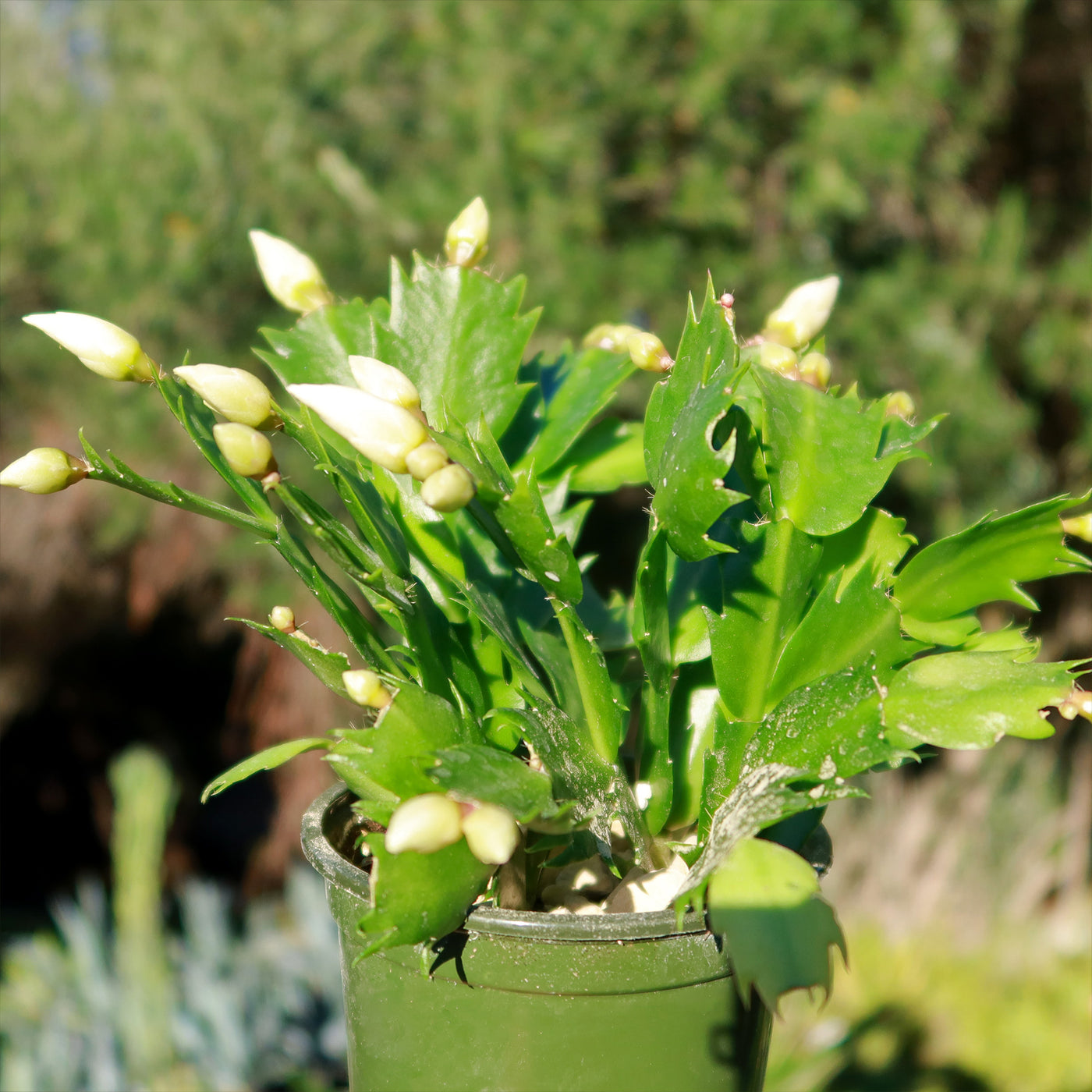
Few plants embody the spirit of endurance quite like the Schlumbergera. In an era where instant gratification is the norm, this cactus defies expectations by thriving in conditions that would wither most others. It doesn’t demand full sun or arid soil; instead, it flourishes in the filtered light of a windowsill, its flat, segmented stems storing water with the tenacity of a desert survivor while its roots seek out the moisture of a humid understory. This duality—soft and supple in appearance yet unyieldingly tough beneath the surface—mirrors the resilience many of us strive to cultivate during the holiday season. The Christmas cactus doesn’t just survive; it thrives in the face of adversity, its vibrant blooms a testament to the beauty that can emerge from patience and care. It’s no wonder that in a world where stress and exhaustion often accompany the holidays, this plant has become a silent symbol of perseverance, its presence a gentle reminder that even in the darkest months, life finds a way to flourish.

The Language of Flowers: What the Christmas Cactus Whispers
Long before the advent of modern communication, flowers spoke in a silent, universal tongue. The Christmas cactus, with its cascading blooms, carries a message that transcends words. In the Victorian era, when the art of floriography—the language of flowers—reached its peak, each plant was imbued with specific meanings. The Schlumbergera, with its pendant flowers and arching stems, was often associated with gratitude, endurance, and the quiet joy of home. Unlike the bold, attention-grabbing roses or the fiery reds of poinsettias, its message was subtle, almost intimate. To gift a Christmas cactus was to say, “I appreciate the small, enduring things in life,” or “May your home always be a place of warmth and resilience.” This tradition persists today, though in a more casual form. A Christmas cactus on a windowsill isn’t just a plant; it’s a silent confidant, a living note of appreciation tucked among the tinsel and twinkling lights.
Interestingly, the plant’s segmented stems also lend themselves to symbolism. Each segment can represent a chapter in life—some sturdy, some fragile, but all interconnected. This makes the Christmas cactus a poignant gift for those navigating transitions, whether it’s a new home, a career change, or the quiet evolution of personal growth. In a season often dominated by grand gestures, the Schlumbergera offers something rarer: a reminder that meaning can be found in the persistent, the patient, and the quietly persistent.
The Holiday Cactus as a Bridge Between Cultures and Generations
The Christmas cactus is a plant of many homes, but its roots stretch across continents and centuries. Native to the coastal mountains of southeastern Brazil, it was first discovered by European botanists in the early 19th century, who were captivated by its unusual growth habit and striking blooms. As it made its way into greenhouses and conservatories across Europe, it became a favorite among plant enthusiasts, its exotic origins adding to its allure. By the time it reached North America, it had already earned a reputation as a plant of both beauty and intrigue. Today, it’s a staple in households from Tokyo to Toronto, its adaptability making it a global ambassador of holiday cheer.
Yet, the Christmas cactus is more than just a decorative import. In many cultures, it has become woven into the fabric of family traditions. In some Latin American households, it’s known as *flor de maio* (May flower) or *flor de Navidad* (Christmas flower), and its blooming is celebrated as a sign of the season’s arrival. In Scandinavian countries, where winter nights stretch long and cold, the Schlumbergera’s vibrant hues are a welcome contrast to the monochrome landscape. For immigrant families, the plant often becomes a living link to their heritage, a piece of the homeland carried across oceans and generations. A grandmother’s recipe for cactus jam, a mother’s careful propagation of a single stem, the way a child’s eyes light up at the first sight of a bud—these are the quiet rituals that make the Christmas cactus more than just a plant. It’s a vessel of memory, a thread connecting past and present.

The Science of Seasonal Magic: Why the Christmas Cactus Blooms When It Does
There’s a scientific marvel hidden within the Christmas cactus’s seasonal timing. Unlike its desert-dwelling relatives, which bloom in response to drought or intense sunlight, the Schlumbergera has evolved to flower in response to the shortening days and cooler nights of late autumn. This phenomenon, known as photoperiodism, is a delicate dance between light and biology. As the days grow shorter, the plant’s internal clock—triggered by the absence of light—kicks into gear, signaling the production of hormones that initiate blooming. It’s a reminder that even in the age of artificial lighting and climate control, some rhythms are still dictated by the natural world. The Christmas cactus doesn’t just tolerate the dark; it thrives in it, using the absence of light as a catalyst for its most dazzling display.
This biological quirk has fascinated scientists and hobbyists alike. Studies have shown that the Schlumbergera’s blooming can be finicky—too much light, and it may refuse to flower; too little, and it could languish. This sensitivity makes it a plant that demands attention, not in the way of a high-maintenance diva, but in the way of a partner in a slow, deliberate waltz. The effort required to coax it into bloom—providing the right balance of darkness and cool temperatures—mirrors the effort we often put into creating meaningful holiday experiences. It’s not about grand gestures, but about the quiet, consistent care that nurtures something beautiful into existence.
The Christmas Cactus in Modern Celebrations: A Plant for the Unconventional
In an era where holiday traditions are increasingly personalized, the Christmas cactus has found a new role as a symbol of individuality. While the Christmas tree and menorah remain iconic, the Schlumbergera offers a refreshing alternative for those who seek something different. Its lack of thorns, its adaptability to indoor conditions, and its ability to bloom year after year make it a practical yet poetic choice. For urban dwellers with limited space, it’s a plant that fits effortlessly on a windowsill or a bookshelf. For those who celebrate multiple holidays or none at all, it’s a neutral yet meaningful decoration, its blooms a universal language of beauty and resilience.
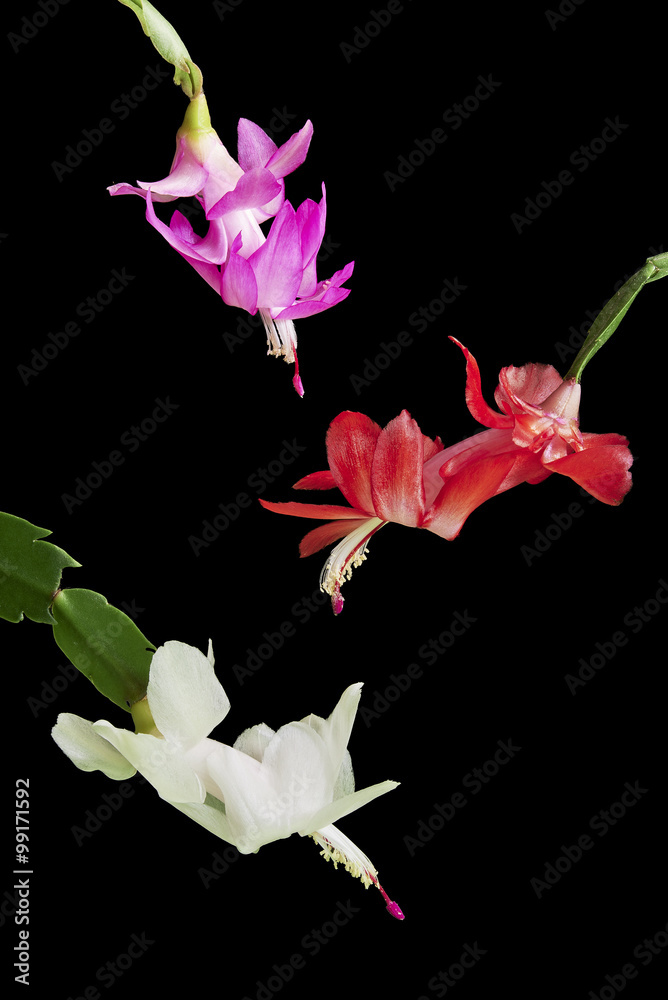
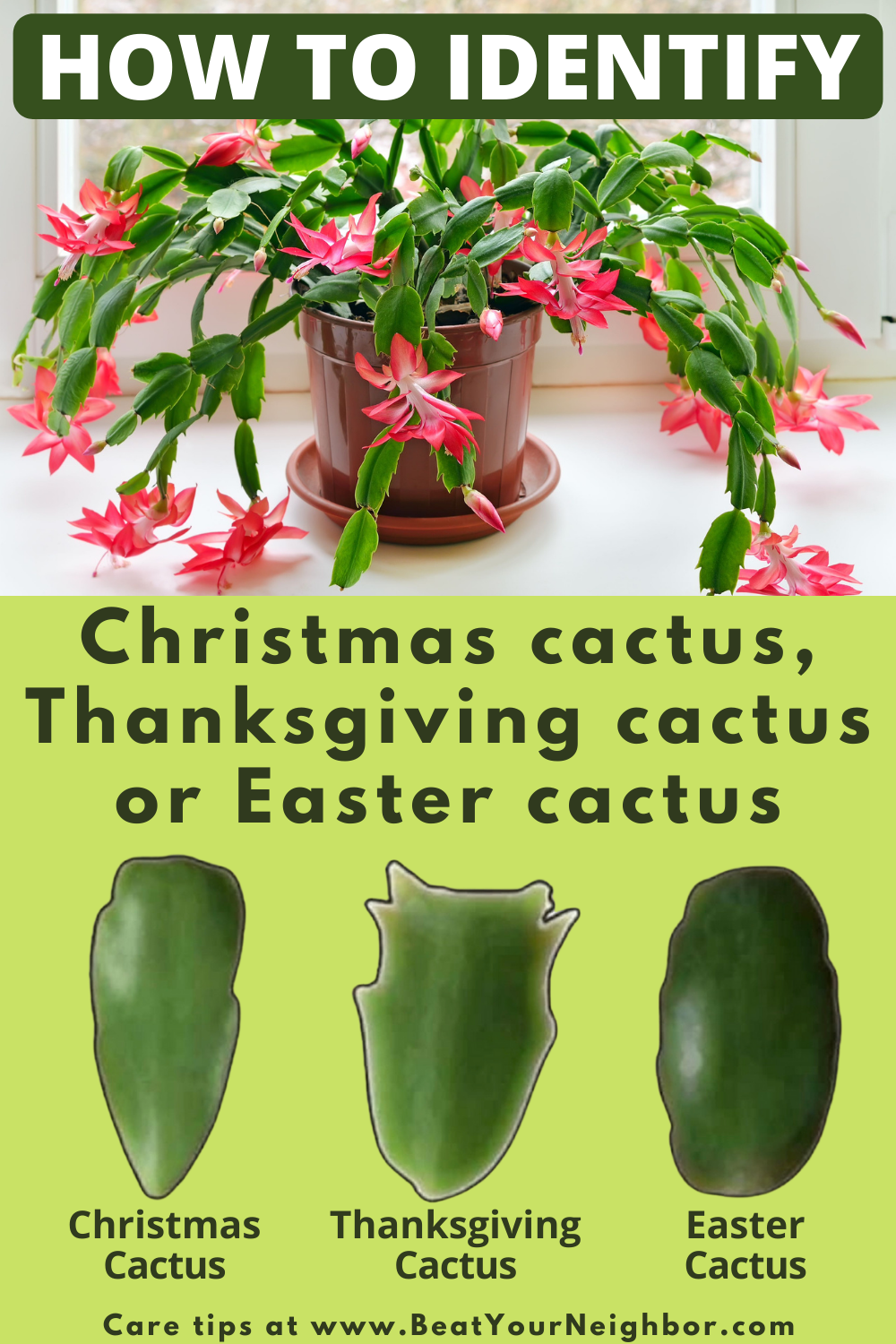
Moreover, the Christmas cactus has become a favorite among plant collectors and enthusiasts who appreciate its unique morphology. Its segmented stems, which resemble a series of linked paddles, are a study in geometric elegance. When paired with its vibrant, trumpet-shaped flowers—ranging from pristine white to deep magenta—it becomes a living sculpture, a testament to nature’s artistry. In a world where holiday décor often defaults to the same tired themes, the Schlumbergera stands out as a plant that refuses to be boxed in. It’s a reminder that tradition doesn’t have to be rigid; it can be fluid, evolving, and deeply personal.
The Deeper Allure: Why We’re Drawn to the Christmas Cactus
Perhaps the most intriguing aspect of the Christmas cactus’s enduring appeal is the way it reflects our own desires and values. In a season often characterized by excess—endless shopping, crowded parties, the pressure to perform happiness—it offers a counterpoint: simplicity, patience, and the beauty of the understated. The Christmas cactus doesn’t demand to be the center of attention; it asks only for a little care and a lot of trust. In return, it gives us a living metaphor for the holidays: that joy can be found in the small, the persistent, and the quietly extraordinary.
There’s also something deeply comforting about its presence. Unlike cut flowers, which wilt within days, the Christmas cactus is a long-term companion. It grows with us, its stems elongating year after year, its blooms returning like old friends. In a world where everything feels fleeting, it’s a rare constant—a plant that can outlive generations, its legacy passed down through cuttings and shared memories. It’s no wonder that so many people feel a pang of nostalgia when they see one, or why it’s often the first plant a new homeowner receives. The Christmas cactus isn’t just a decoration; it’s a silent witness to the passage of time, a living archive of holidays past.
Ultimately, the fascination with the Christmas cactus may stem from its ability to embody the contradictions of the season. It’s a plant of the tropics, yet it thrives in our chilly homes. It’s delicate in appearance but tough in spirit. It blooms at the darkest time of year, a beacon of color in the gloom. In a world that often feels fragmented, the Schlumbergera reminds us that beauty—and meaning—can be found in the most unexpected places. It’s a plant that doesn’t just decorate our holidays; it elevates them, turning a simple succulent into a symbol of resilience, gratitude, and the quiet magic of the season.
FAQ
What is the Christmas cactus and where does it come from?
The Christmas cactus is a tropical succulent native to the coastal mountains of southeastern Brazil, known for its segmented stems and colorful blooms during the holiday season.
Why is the Christmas cactus associated with the holidays?
It blooms in late autumn and early winter, coinciding with the holiday season, and symbolizes endurance, gratitude, and familial connections in various cultures.
How should I care for a Christmas cactus?
It thrives in filtered light with moderate watering and prefers a humid environment. It requires cooler nights and shorter days to bloom properly.
What does the Christmas cactus symbolize in the language of flowers?
It symbolizes gratitude, endurance, and the quiet joy of home, often gifted to express appreciation and resilience.

Leave a Reply