
Short Answer
What if a single plant could bloom in the darkest corners of your life, defying the very notion that beauty requires sunlight? The Schlumbergera, more whimsically known as the Christmas cactus, does precisely that—flourishing in the shadows with vibrant, cascading blooms that seem to mock the rigid rules of nature. This resilient succulent, with its arching stems and radiant flowers, has quietly carved a niche in the world of body art, offering a tattoo canvas that is as much about resilience as it is about aesthetics. But can a tattoo truly capture the essence of a plant that thrives in adversity? Let’s unravel the meanings and design ideas behind Schlumbergera tattoos, where every petal tells a story of endurance, adaptability, and quiet rebellion.
The Symbolism of Schlumbergera: A Dance of Resilience and Adaptation
The Schlumbergera is no ordinary houseplant. Native to the cloud forests of Brazil, it clings to life in environments where most plants would wither—perched on moss-covered branches, bathed in dappled sunlight, and nourished by the humid embrace of the jungle. This tenacity is perhaps why it resonates so deeply in tattoo art. A Schlumbergera tattoo can symbolize adaptability, a reminder that even in the most inhospitable conditions, life finds a way to thrive. It’s a metaphor for personal growth, for the ability to bend without breaking, to bloom where you’re planted.
But the symbolism doesn’t end there. The Christmas cactus is also a harbinger of joy and celebration, its flowers bursting forth in the depths of winter when most other plants lie dormant. In this light, a Schlumbergera tattoo can represent hope, the kind that persists even in the darkest months. It’s a celebration of life’s cyclical nature, a nod to the idea that renewal is always on the horizon, even when the world feels frozen. For those who wear this design, it’s a quiet assertion: I am not just surviving—I am blooming.
Designing a Schlumbergera Tattoo: From Delicate Petals to Bold Statements
The beauty of a Schlumbergera tattoo lies in its versatility. Whether you’re drawn to the intricate details of its flowers or the bold lines of its segmented stems, there’s a design approach to suit every aesthetic. For the minimalist, a single bloom or a small cluster of flowers can convey the essence of the plant without overwhelming the skin. Think of a delicate, watercolor-style petal, its edges softly blurred, as if caught in a gentle breeze. This style lends itself to subtlety, perfect for those who prefer understated elegance.
For the bold and the daring, a full-sleeve or thigh piece can transform the Schlumbergera into a statement of resilience. Imagine the plant’s arching stems cascading down the arm, their segmented leaves creating a rhythmic pattern that draws the eye. The flowers, rendered in vibrant hues of pink, red, or even bioluminescent blues, can be depicted in hyper-realistic detail or abstracted into geometric shapes for a modern twist. The key is to play with scale and perspective—perhaps a single stem curling around the wrist, its flowers spilling over like a waterfall of color.
And then there’s the challenge of color versus black and white. A monochrome design can emphasize the plant’s structural elegance, highlighting the interplay of light and shadow on its segmented leaves. Conversely, a full-color piece can capture the vibrancy of the Schlumbergera’s blooms, their petals unfurling like bursts of fireworks against a muted background. The choice depends on the story you want to tell. Do you want your tattoo to whisper of quiet strength, or roar with unapologetic vitality?
Placement Matters: Where to Wear Your Schlumbergera Tattoo
The placement of a Schlumbergera tattoo can amplify its meaning, turning the body into a living canvas that tells a story. For those who see the plant as a symbol of resilience, the ribcage or spine offers a poignant location. Here, the tattoo can mirror the plant’s natural growth pattern, its stems winding along the curvature of the body like vines clinging to a trellis. The act of getting inked in such a personal space can feel like an affirmation: this is where I’ve grown, this is where I’ve endured.
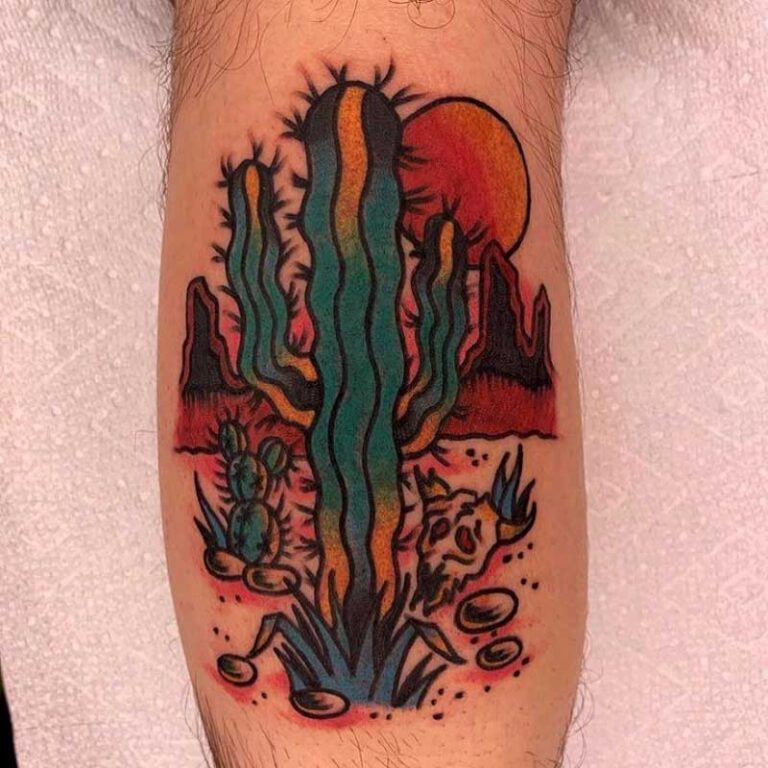
For a more public declaration of hope and adaptability, the forearm or calf provides ample room for a detailed design. A full Schlumbergera plant, its stems spilling over the wrist or ankle, can serve as a daily reminder of one’s ability to thrive. Alternatively, a smaller, more discreet placement—like behind the ear or on the collarbone—can offer a private moment of reflection, a secret bloom that only you and those closest to you can see.
But what if the challenge lies in the placement itself? For those with limited canvas, a Schlumbergera tattoo can be condensed into a single, striking element—a flower nestled behind the ear, or a stem curling around the finger like a delicate ring. The key is to work with the body’s natural contours, letting the tattoo flow with the curves and lines of the skin. After all, the human body is the ultimate living sculpture, and a Schlumbergera tattoo should feel like an organic extension of it.
Cultural and Personal Narratives: Why the Schlumbergera Resonates
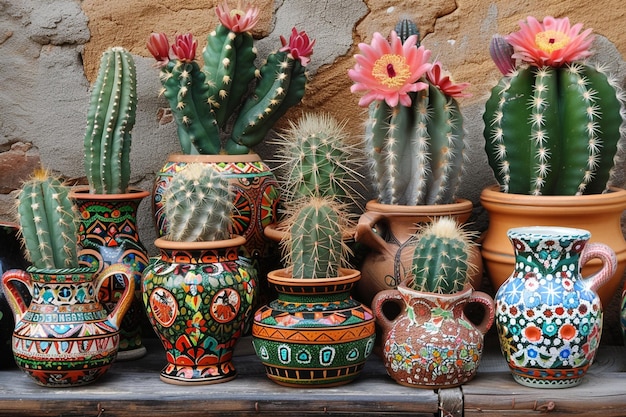
The Schlumbergera’s journey from jungle floor to tattoo parlors is a testament to its universal appeal. In many cultures, cacti symbolize endurance and protection, their spines serving as a metaphor for boundaries and resilience. The Christmas cactus, with its softer, more approachable appearance, carries these themes into the realm of the personal. It’s a plant that asks for little but gives so much—just like the people who choose to wear its image.
For some, the tattoo may be a nod to heritage, a connection to a grandmother’s windowsill garden or a childhood spent in a home where plants were cherished. For others, it might represent a personal journey—overcoming illness, navigating loss, or simply learning to embrace change. The Schlumbergera doesn’t discriminate; it blooms for everyone, regardless of background or belief. And in doing so, it becomes a universal symbol of hope, a reminder that even the most delicate things can weather the storm.
But here’s the playful challenge: can a tattoo truly capture the ephemeral beauty of a Schlumbergera bloom? The flowers last only a few days, their petals falling like confetti at the end of a celebration. A tattoo, by contrast, is forever. So how do you immortalize something so fleeting? The answer lies in the artistry. A skilled tattoo artist can capture the essence of the plant—the way its petals unfurl, the dewy sheen of its leaves—without getting bogged down in hyper-realism. The result is a design that feels alive, a living tribute to a plant that refuses to be tamed.
Final Thoughts: A Tattoo That Blooms with You
The Schlumbergera tattoo is more than just ink on skin; it’s a declaration, a celebration, a quiet rebellion against the idea that beauty must conform to rigid standards. It’s a plant that thrives in the shadows, a reminder that resilience doesn’t always roar. Sometimes, it blooms in silence, in the quiet corners of our lives, where only the most observant can see its light.
So, if you’re considering a Schlumbergera tattoo, ask yourself: what does this plant mean to you? Is it a symbol of your own adaptability? A celebration of joy in dark times? Or perhaps a reminder that even the most delicate things can leave the deepest imprints? Whatever your answer, let your tattoo be a reflection of your story—a living, breathing testament to the fact that you, like the Schlumbergera, are capable of blooming against all odds.
FAQ
What does a Schlumbergera tattoo symbolize?
A Schlumbergera tattoo symbolizes resilience, adaptability, and hope, reflecting the plant's ability to bloom in challenging conditions.
What are common design ideas for Schlumbergera tattoos?
Common design ideas include minimalist single blooms, bold sleeve pieces, and variations in color or monochrome styles.
Where is the best placement for a Schlumbergera tattoo?
Ideal placements include the ribcage, forearm, or behind the ear, depending on the design's size and personal significance.


Leave a Reply