
Short Answer
The prickly pear cactus, with its vibrant pads and jewel-toned fruits, has long been a symbol of resilience and generosity in cultures across the globe. Far more than just a desert dweller, Opuntia—its botanical name—carries layers of meaning, from ancient agricultural abundance to modern-day metaphors for endurance. Whether adorning Mediterranean landscapes or thriving in arid climates, this plant embodies a paradox: its formidable spines conceal a bounty of nourishment and beauty. In this exploration, we’ll delve into the rich symbolism of the prickly pear, uncovering how its presence in art, mythology, and daily life reflects themes of prosperity, adaptability, and even spiritual awakening. Prepare to see this humble cactus in a whole new light.
The Prickly Pear as a Harbinger of Abundance in Ancient Cultures
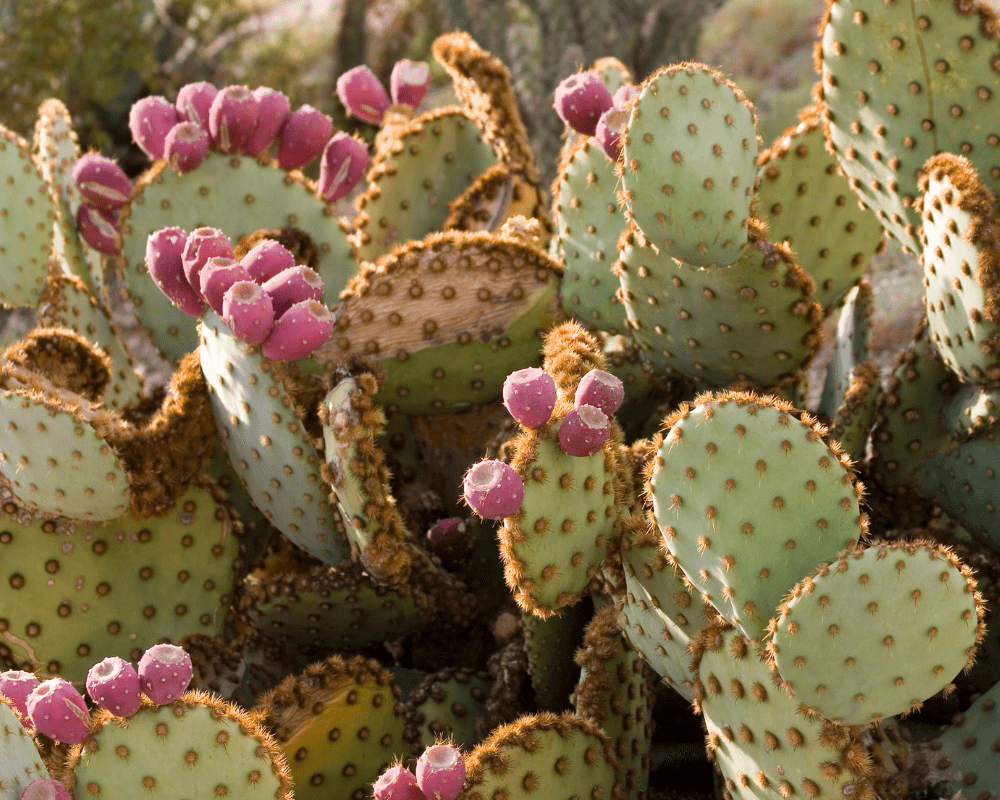
In the sun-scorched terrains of Mesoamerica and the Mediterranean, the prickly pear wasn’t merely a plant—it was a lifeline. The Aztecs revered it as *nopalli*, a sacred symbol intertwined with their cosmology. According to legend, the founding of Tenochtitlán, their grand capital, was foretold by an eagle perched atop a nopal, devouring a snake—a vision etched into the heart of the Mexican flag to this day. This imagery wasn’t accidental; it signified sustenance, protection, and the inexhaustible gifts of the earth. The cactus’s pads, or *cladodes*, provided water-rich nourishment during droughts, while its fruits, or *tunas*, offered a sweet respite from hunger. Even its spines served a purpose, deterring predators and preserving its precious cargo.
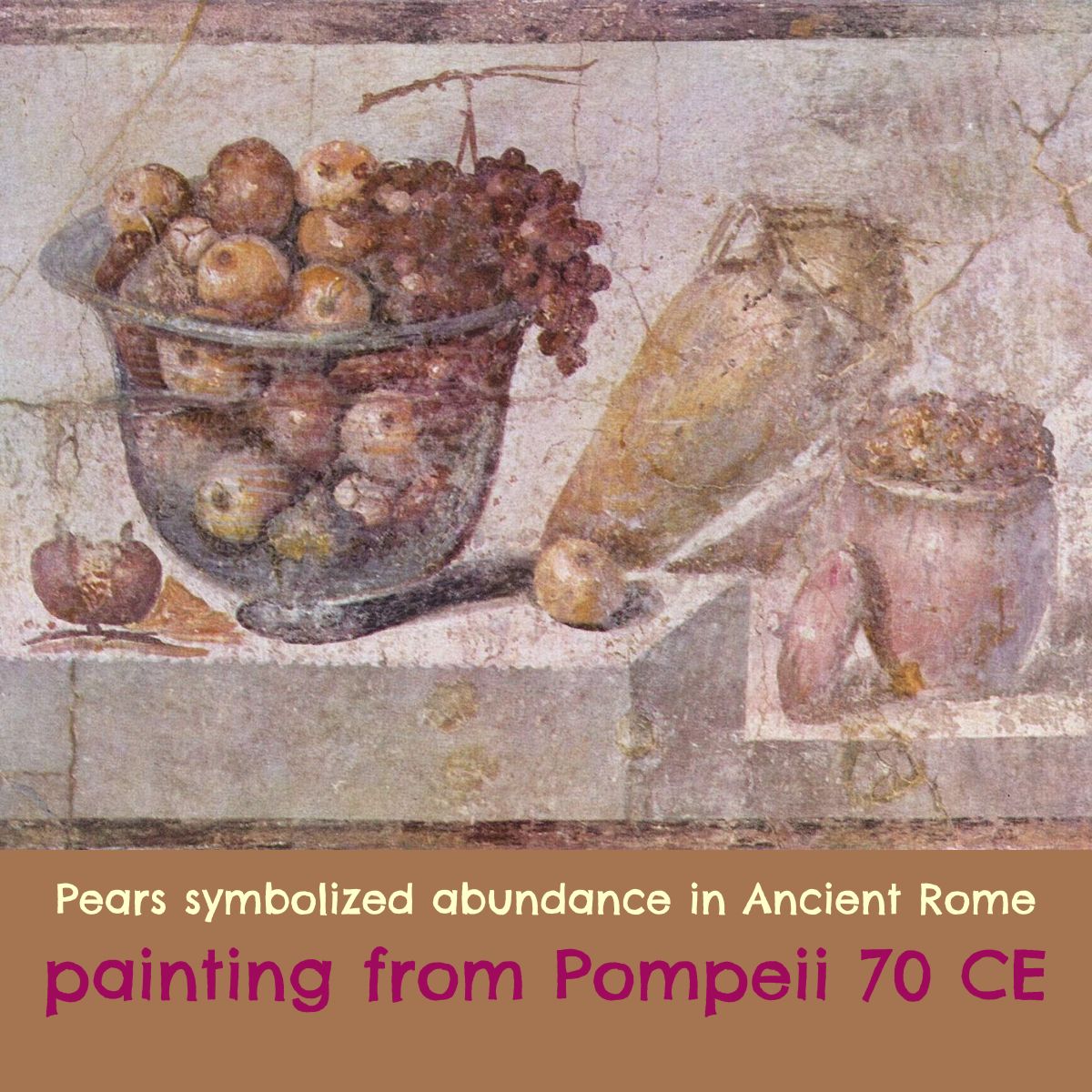
Across the Atlantic, the Romans saw the pear—not the cactus pear, but its namesake—as a symbol of abundance and hospitality. The *Pyrus communis*, with its luscious, rounded fruits, became synonymous with generosity in feasts and festivals. Though distinct from Opuntia, the cultural parallels are striking: both plants thrived in challenging conditions yet yielded extraordinary rewards. The prickly pear, with its dual nature of protection and provision, mirrors this ancient ideal—a reminder that true abundance often lies behind thorns.
From Survival to Symbolism: The Cactus’s Adaptive Genius
What makes the prickly pear so emblematic of resilience? Its very biology tells a story of adaptation. Unlike most plants, it thrives in xeriscapes, storing water in its fleshy pads to endure months of aridity. This tenacity has made it a metaphor for human perseverance, particularly in regions where survival depends on ingenuity. In the American Southwest, Native tribes like the Hopi and Zuni incorporated Opuntia into their agricultural practices, using its ability to grow in poor soil as a lesson in making the most of limited resources. The cactus’s resilience isn’t just ecological; it’s philosophical, teaching us that scarcity can breed creativity.
Even its reproductive strategy is a masterclass in symbiosis. The prickly pear’s flowers, often overlooked, are a magnet for pollinators like bees and hummingbirds, which navigate its spines with remarkable precision. This dance of defense and attraction reflects a deeper truth: protection and provision are not mutually exclusive. The cactus doesn’t just survive; it creates ecosystems, offering nectar to insects and fruit to creatures great and small. In this way, it embodies the principle of *mutualism*—a reminder that abundance is often a collaborative effort.
Artistic and Literary Depictions: The Prickly Pear in Creative Expression
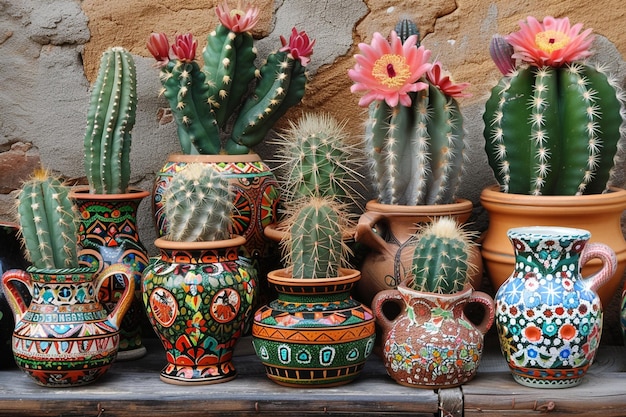
The prickly pear’s striking appearance has long captivated artists and writers, who’ve wielded it as a canvas for deeper themes. In Mexican folk art, the *nopal* frequently appears in *papel picado* (cut-paper banners) and *talavera* pottery, its silhouette evoking both the sacred and the everyday. Frida Kahlo, ever the alchemist of symbolism, incorporated cacti into her self-portraits, using their spines as metaphors for pain and resilience. Meanwhile, in literature, the prickly pear often serves as a symbol of hidden beauty—its rough exterior masking sweetness within. Think of it as the literary equivalent of a slow burn: what seems forbidding at first glance reveals itself to be a treasure.
In contemporary art, the cactus has taken on new meanings. Some modern painters use its form to critique consumerism, juxtaposing its organic structure with the artificiality of urban landscapes. Others celebrate its role in sustainable design, highlighting its potential as a food source and water-efficient crop. Whether in murals, poetry, or performance art, the prickly pear remains a versatile muse—a plant that refuses to be pigeonholed.
Culinary and Medicinal Traditions: The Fruits of Labor
The prickly pear’s bounty extends far beyond symbolism—it’s a culinary and medicinal powerhouse. In Mexico, *tunas* are transformed into jams, syrups, and even fermented beverages like *colonche*, a drink with roots in pre-Hispanic traditions. The pads, or *nopales*, are a staple in salads, tacos, and stews, prized for their mucilaginous texture and mild, slightly tangy flavor. Nutritionally, they’re a goldmine: rich in fiber, vitamin C, and antioxidants, they’ve earned the nickname “vegetable of the gods” in some circles.
Medicinally, the prickly pear has been a panacea for centuries. Indigenous healers used its sap to treat burns and wounds, while modern science has validated its anti-inflammatory properties. The fruit’s high fiber content aids digestion, and its seeds are a source of healthy fats. Even the spines have found a use—ground into a paste, they’ve been applied to soothe joint pain. This plant doesn’t just symbolize abundance; it *delivers* it, one nourishing bite at a time.
Gardening with Purpose: Cultivating the Prickly Pear’s Symbolic Power
For those looking to bring the prickly pear’s symbolism into their own lives, cultivating it is a rewarding endeavor. Whether you’re drawn to its drought tolerance, its striking appearance, or its historical significance, growing Opuntia is a lesson in patience and reward. Start with a well-draining soil mix—this cactus despises soggy roots—and place it in a sunny spot where it can bask in at least six hours of light daily. Water sparingly; overwatering is the fastest way to turn its abundance into rot.
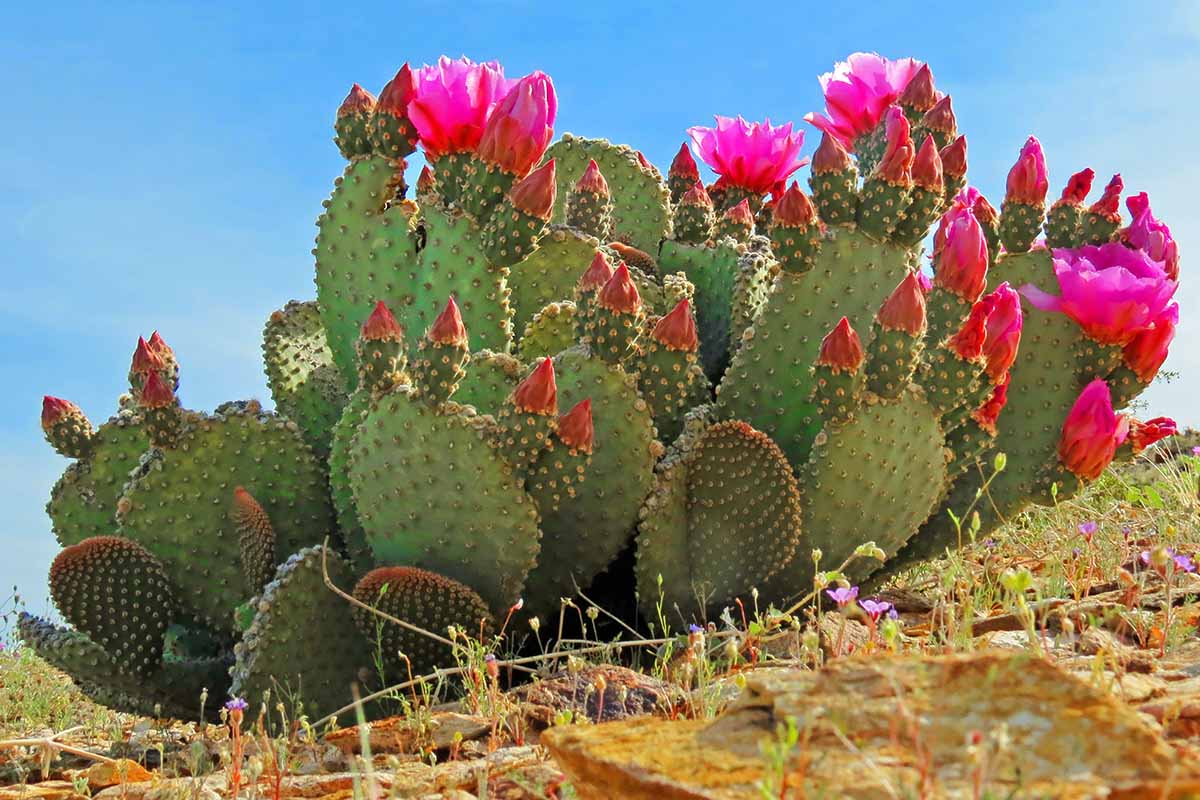
As it grows, observe its rhythms. The pads will swell with stored water, a silent testament to its adaptability. In spring, it may burst forth with flowers—yellow, pink, or red, depending on the variety—each bloom a fleeting but glorious reward. Harvesting the fruit requires care; use tongs or gloves to avoid the spines, and savor the moment when the *tuna* yields to your touch, revealing its jewel-like interior. Gardening with Opuntia isn’t just about nurturing a plant; it’s about cultivating a mindset of resilience and gratitude.
The Prickly Pear in Modern Symbolism: From Desert to Metropolis
Today, the prickly pear’s symbolism has evolved beyond its traditional roots. In urban landscapes, it’s a beacon of sustainability, thriving in xeriscaped gardens and rooftop farms where water conservation is paramount. Architects and designers incorporate its geometric patterns into textiles and ceramics, celebrating its form as a fusion of art and function. Even in corporate branding, the cactus has found a place—its association with strength and adaptability makes it a popular motif for companies in tech and innovation.
Yet, its most profound modern symbolism may lie in its role as a climate change survivor. As temperatures rise and droughts intensify, the prickly pear stands as a living metaphor for human adaptability. It reminds us that abundance isn’t about endless resources; it’s about making the most of what we have. In a world where scarcity looms large, the prickly pear offers a blueprint for thriving—not despite challenges, but because of them.
Conclusion: A Plant That Gives More Than It Takes
The prickly pear is more than a cactus; it’s a living paradox—a plant that gives generously while fiercely protecting itself. Its symbolism spans millennia, cultures, and disciplines, yet its core message remains unchanged: abundance is not a given, but a result of resilience, adaptability, and respect for nature’s rhythms. Whether you encounter it in a desert landscape, a gourmet dish, or a work of art, the prickly pear invites you to see the beauty in the thorny, the nourishment in the harsh, and the sacred in the everyday. So the next time you spot one of its pads glistening in the sun, pause and reflect—this unassuming plant has a story to tell, and it’s one of hope, tenacity, and boundless generosity.
FAQ
What does the prickly pear symbolize?
The prickly pear symbolizes resilience and abundance, reflecting nourishment and adaptability.
How is the prickly pear used in cooking?
The prickly pear is used in salads, jams, and traditional beverages, known for its nutritional benefits.
What are the medicinal benefits of prickly pear?
Prickly pear is known for its anti-inflammatory properties and is used to treat various ailments.
How do you cultivate prickly pear?
Prickly pear thrives in well-draining soil and requires minimal watering, making it suitable for xeriscaping.



Leave a Reply