
Short Answer
In the vast and vibrant world of art, few subjects captivate the imagination quite like the cactus. This resilient desert dweller, often overlooked in its natural habitat, transforms into a symbol of endurance, beauty, and cultural significance when reimagined in sculptures. From towering outdoor installations to delicate indoor pieces, cactus sculptures bridge the gap between nature and human creativity, offering a unique lens through which to explore symbolism, artistic expression, and even the human condition. Whether you’re an art enthusiast, a collector, or simply someone who appreciates the interplay of form and meaning, the world of cactus sculptures promises a rich tapestry of inspiration.
The Enduring Allure of Cactus Symbolism in Art
The cactus, with its spiky exterior and vibrant blooms, has long been a potent symbol across various cultures. In art, it transcends its role as a mere plant to embody resilience, adaptability, and even defiance. Sculptures featuring cacti often draw from these symbolic roots, using the plant’s stark contrasts—hard spines versus delicate flowers—to evoke themes of strength and fragility coexisting. For instance, a metal cactus sculpture might stand tall and unyielding, its metallic spines catching the light like armor, while its base could bloom with intricate floral patterns, whispering of life persisting in harsh conditions. This duality makes cactus sculptures a compelling subject for artists seeking to explore the complexities of existence.
Outdoor Cactus Sculptures: A Fusion of Nature and Industry
When cacti leap from the desert floor into the realm of outdoor sculptures, they undergo a metamorphosis that is both awe-inspiring and thought-provoking. Artists often employ industrial materials like steel, aluminum, or recycled metals to craft these pieces, creating a striking juxtaposition between the organic and the man-made. A prime example is a modern mirror outdoor cactus sculpture, where polished surfaces reflect the surrounding environment, blurring the lines between art and nature. These installations not only serve as visual spectacles but also challenge viewers to reconsider their relationship with the natural world. The way light dances across the mirrored spines can evoke a sense of movement, as if the cactus itself is alive and breathing, despite its static form.
Moreover, outdoor cactus sculptures often become landmarks, anchoring public spaces with their bold presence. They invite interaction—children might trace the contours of the spines, while adults pause to contemplate the deeper meanings behind the art. The choice of location is crucial; placing a cactus sculpture in an urban park versus a desert garden can dramatically alter its interpretation. In an urban setting, it might symbolize a yearning for nature amid concrete jungles, while in a desert garden, it could celebrate the beauty of the local ecosystem.
Indoor Cactus Sculptures: Bringing Desert Whispers into the Home
Indoor cactus sculptures offer a more intimate and contemplative experience, allowing art to become a part of daily life. These pieces often lean into the cactus’s symbolic associations with protection and prosperity. A small, intricately carved wooden cactus might sit on a bookshelf, its smooth surface inviting touch, while a ceramic piece could adorn a windowsill, catching the sunlight and casting intricate shadows. The materials used in indoor sculptures vary widely—from delicate porcelain to rugged stone—each lending its own character to the piece.
One particularly enchanting trend is the use of cactus sculptures as vessels for other forms of art. For example, a hollowed-out cactus form might serve as a planter, cradling a living succulent within its spiky embrace. This fusion of natural and sculpted elements creates a living artwork, one that grows and changes with time. It’s a reminder that art, like the cactus itself, is not static but evolves in response to its environment.
The Artistic Interpretations: From Realism to Abstraction
The cactus is a versatile muse, inspiring everything from hyper-realistic sculptures to wildly abstract interpretations. Realistic cactus sculptures aim to capture the plant’s essence with meticulous detail, from the texture of its spines to the delicate folds of its petals. These pieces often serve as tributes to the natural world, celebrating the cactus in all its prickly glory. On the other hand, abstract cactus sculptures strip away the familiar, leaving only the essence of the plant’s form. These works might resemble geometric shapes, fluid curves, or even surrealist distortions, challenging viewers to see the cactus anew.
Some artists take a more conceptual approach, using the cactus as a metaphor for societal issues. A sculpture might depict a cactus with barbed wire instead of spines, symbolizing resilience in the face of oppression. Others might play with scale, crafting a cactus so large it dwarfs the viewer, or so small it fits in the palm of a hand, evoking feelings of awe or intimacy. The possibilities are as endless as the artist’s imagination, making cactus sculptures a boundless field for creative exploration.
Cultural and Spiritual Significance in Cactus Sculptures
Cacti hold deep cultural and spiritual significance in many societies, and artists often weave these meanings into their work. In Mexican culture, for example, the cactus is a symbol of protection and hospitality, often depicted in folk art and religious iconography. Sculptures inspired by these traditions might feature vibrant colors, intricate patterns, or even embedded religious symbols, creating pieces that are as spiritually evocative as they are visually stunning. Similarly, in Native American traditions, the cactus is sometimes associated with healing and endurance, themes that artists might explore through the use of natural materials like clay or stone.
Beyond specific cultures, the cactus’s spiritual symbolism often revolves around themes of patience and transformation. A sculpture might depict a cactus in the midst of blooming, its flowers unfurling as a metaphor for personal growth. Alternatively, a cactus with a single, solitary bloom could represent the beauty that emerges from solitude. These interpretations resonate universally, making cactus sculptures a bridge between diverse cultural narratives.
Materials and Techniques: Crafting the Perfect Cactus
The materials and techniques used in cactus sculptures play a pivotal role in defining their character. Metal sculptures, such as those crafted from steel or aluminum, exude a sense of permanence and strength. The process of welding and shaping these materials can result in pieces that are both bold and intricate, with spines that catch the light like blades. In contrast, sculptures made from organic materials like wood or clay feel more tactile and earthy, inviting a closer connection between the viewer and the artwork.
Some artists experiment with mixed media, combining materials like glass, fabric, or even found objects to create cactus sculptures that are as eclectic as they are expressive. For instance, a sculpture might feature a glass cactus with embedded LED lights, casting a soft glow that mimics the luminescence of a desert night. Others might use recycled materials, turning scrap metal or discarded ceramics into a cactus that speaks to themes of sustainability and renewal. The choice of material often reflects the artist’s intent, whether it’s to evoke a sense of ruggedness, delicacy, or environmental consciousness.
Collecting and Caring for Cactus Sculptures
For those who wish to bring the magic of cactus sculptures into their own spaces, collecting these pieces can be a deeply rewarding pursuit. When selecting a sculpture, consider the environment in which it will reside. Outdoor pieces should be made from weather-resistant materials like stainless steel or treated wood, while indoor sculptures can explore a wider range of materials, from delicate porcelain to vibrant textiles. Size is another important factor; a small desk sculpture might serve as a daily source of inspiration, while a large outdoor installation can become a focal point for an entire garden.
Caring for cactus sculptures depends largely on the materials used. Metal pieces may require occasional polishing to maintain their luster, while wooden sculptures might need to be sealed to protect against moisture. For mixed-media pieces, it’s essential to follow the artist’s guidelines to ensure the sculpture remains in pristine condition. Displaying a cactus sculpture is an art in itself—consider placing it in a spot where it can be admired from multiple angles, or group it with other desert-inspired artworks to create a cohesive theme.
The Future of Cactus Sculptures: Innovation and Sustainability
As the world of art continues to evolve, so too does the realm of cactus sculptures. Artists are increasingly embracing sustainable practices, using recycled materials or eco-friendly techniques to craft their pieces. Some are even incorporating technology, such as augmented reality, to create interactive sculptures that respond to the viewer’s presence. These innovations not only push the boundaries of what a cactus sculpture can be but also reflect a growing awareness of environmental responsibility in art.
Another exciting trend is the fusion of traditional and contemporary styles. Artists might blend ancient techniques like pottery with modern digital design, resulting in sculptures that are both timeless and cutting-edge. The cactus, with its deep-rooted symbolism, serves as the perfect vehicle for such experimentation, allowing artists to explore new forms while staying connected to the plant’s rich cultural heritage.
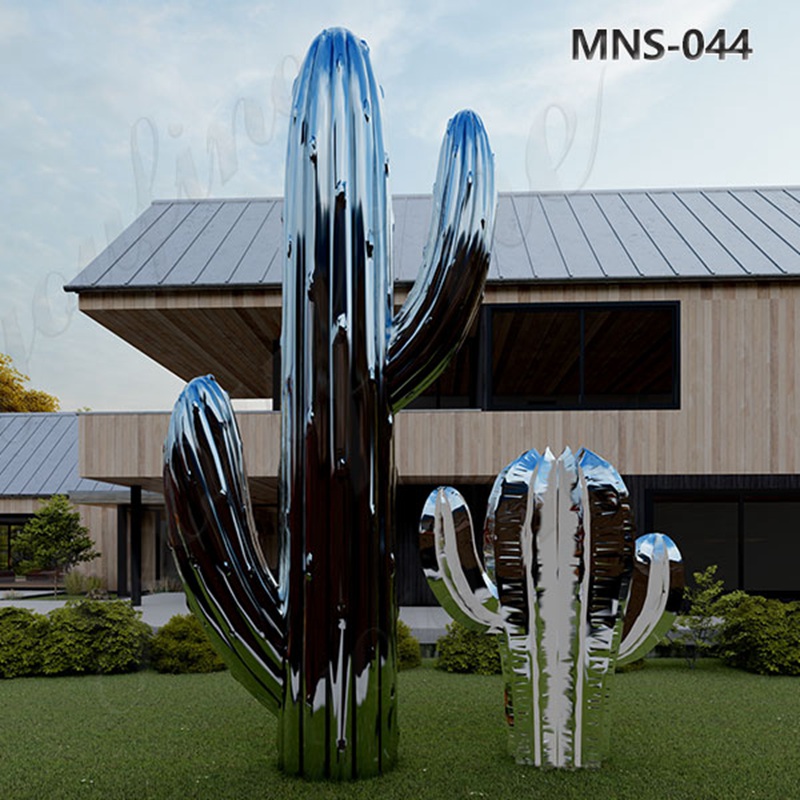
A modern mirror outdoor metal cactus sculpture reflects the surrounding environment, blurring the lines between art and nature.
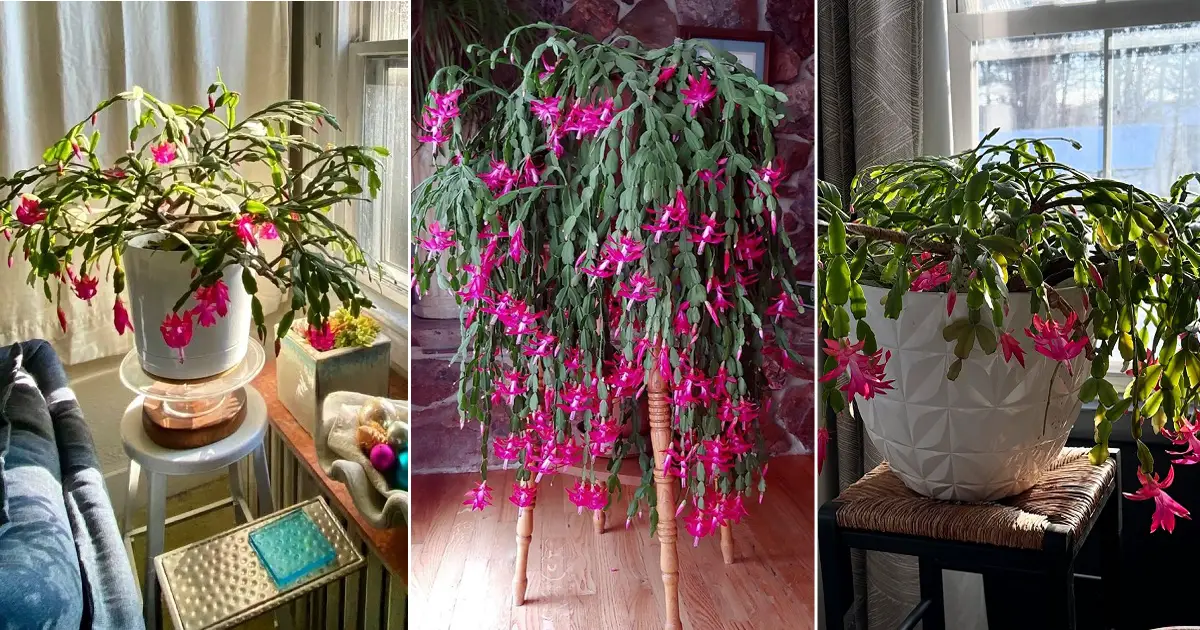
An intricate ceramic cactus sculpture captures the delicate beauty of the plant, inviting viewers to appreciate its resilience and grace.

Abstract metal cactus sculptures add a touch of industrial chic to a minimalist interior, their geometric forms evoking both strength and elegance.
FAQ
What is the symbolism of cacti in art?
Cacti symbolize endurance, beauty, and cultural significance, often representing resilience and adaptability in various artistic expressions.
What materials are commonly used in cactus sculptures?
Common materials include metal, wood, ceramic, and mixed media, each providing a unique character to the artwork.



Leave a Reply