
Short Answer
There’s something almost rebellious about stitching a cactus onto fabric. In a world where floral embroidery dominates the scene with its soft petals and gentle curves, the prickly silhouette of a cactus stands out like a desert mirage—unexpected, bold, and brimming with character. But beyond its striking visual appeal, embroidering cacti is an act of quiet defiance, a celebration of resilience, and a nod to the understated beauty of the arid landscapes we often overlook. Whether you’re a seasoned stitcher or a curious beginner, the world of cactus embroidery patterns invites you to rethink what it means to create something both delicate and daring.
The Allure of the Prickly: Why Cacti Captivate Embroiderers
Cacti are nature’s paradox—a paradox of fragility and fortitude, of sharp edges and subtle hues. Their geometric forms, often reduced to clean lines and bold shapes, make them ideal subjects for embroidery. Unlike the organic sprawl of flowers, cacti demand precision, their silhouettes offering a satisfying challenge to translate into thread. But their appeal runs deeper than aesthetics. Cacti symbolize endurance, adaptability, and quiet strength, qualities that resonate with many who turn to embroidery as a meditative practice. Stitching a cactus isn’t just about capturing its likeness; it’s about weaving a story of survival into every stitch.
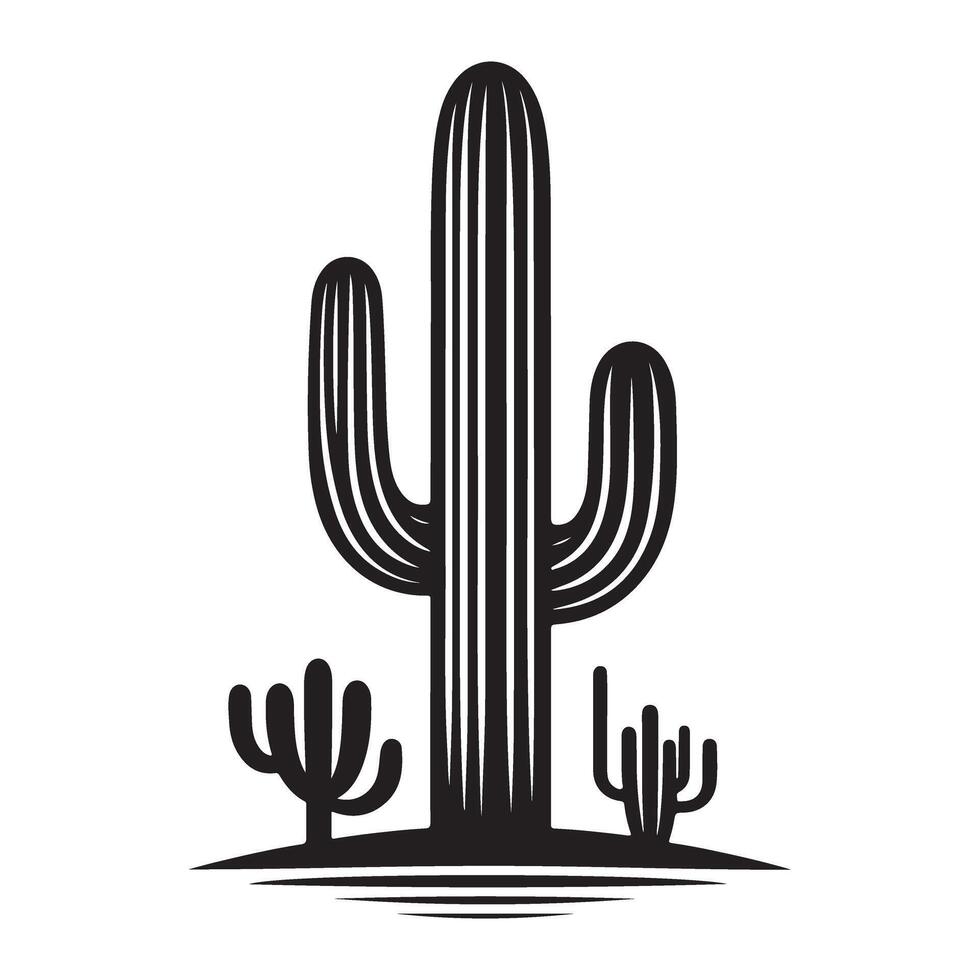
Consider the Saguaro, that towering sentinel of the Sonoran Desert. Its arms outstretched like a dancer mid-pose, it embodies both grace and grit. Embroidering one isn’t merely replicating a plant—it’s immortalizing a symbol of the American Southwest’s untamed spirit. Meanwhile, the Prickly Pear, with its flat, paddle-like pads and vibrant blooms, offers a softer contrast, its gentle curves inviting a different kind of stitching rhythm. Each variety of cactus brings its own personality to the needle, from the spiny Barrel Cactus to the delicate Christmas Cactus, whose trailing stems cascade like a waterfall of green. The diversity within this single plant family ensures that no two embroidered cacti need ever look alike.
From Sketch to Stitch: Mastering Cactus Patterns
Embroidering a cactus begins long before the needle pierces the fabric. It starts with the alchemy of turning a three-dimensional plant into a two-dimensional pattern—a process that demands both observation and imagination. The key lies in simplifying the cactus’s form without losing its essence. A columnar cactus, for instance, might be reduced to a series of stacked ovals or rectangles, while a ribbed cactus like the Fishhook Barrel can be rendered with vertical lines that mimic its natural texture. The trick is to focus on the silhouette first, then layer in details like spines, ribs, or blooms as secondary elements.
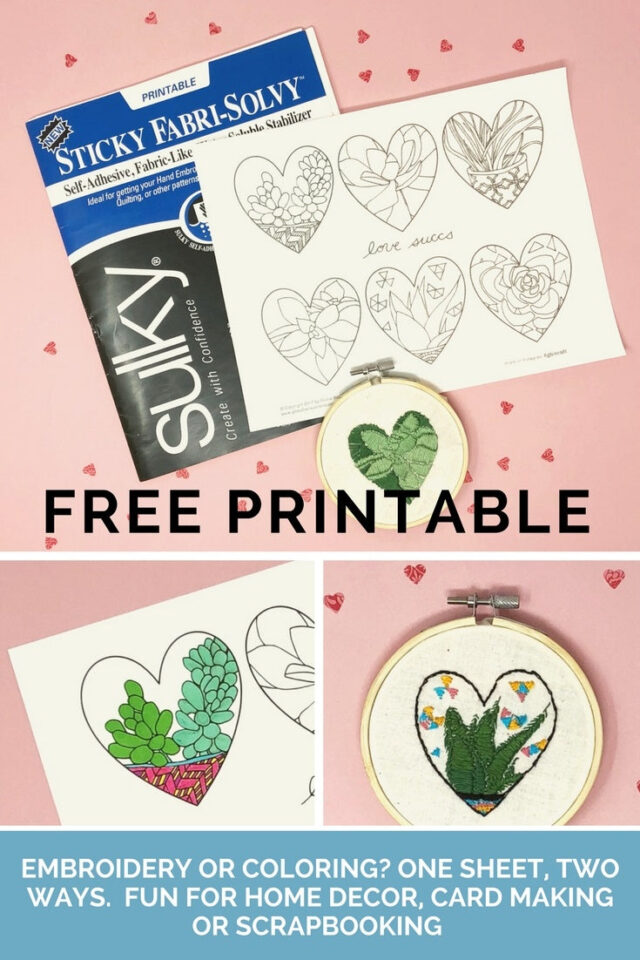
For those new to pattern-making, tracing is a forgiving starting point. Print out a high-contrast image of your chosen cactus, place it over your fabric, and use a water-soluble fabric marker to transfer the outline. Alternatively, freehand drawing with a fine-tip pen can yield organic, imperfect lines that add charm to your design. Once the outline is set, consider the stitches. A backstitch or stem stitch works well for defining edges, while French knots or straight stitches can mimic the clustered spines of a Hedgehog Cactus. For texture, try seed stitching or chain stitching to create the illusion of ribbed or bumpy surfaces. The beauty of cactus embroidery lies in its flexibility—whether you prefer hyper-realism or whimsical abstraction, the medium adapts to your vision.

The Symbolism Woven into Thread: What Cacti Represent in Embroidery
Every culture imbues symbols with meaning, and cacti are no exception. In Mexican folklore, the Nopal (a type of prickly pear) is a sacred plant, tied to the legend of the founding of Tenochtitlán, where an eagle perched on a cactus marked the spot for the Aztec capital. Embroidering a Nopal isn’t just stitching a plant—it’s weaving a thread of history, resilience, and divine guidance. Meanwhile, in Western traditions, cacti often symbolize endurance and protection, their spines serving as a metaphor for boundaries and self-preservation.
But the meanings extend beyond the cultural. A cactus embroidered in monochrome thread might evoke minimalism and sophistication, while one stitched in vibrant hues could signify joy and vibrancy. The choice of fabric plays a role too—a cactus on linen feels rustic and earthy, while one on silk takes on an almost ethereal quality. Even the placement of the embroidery matters. A cactus on a pillowcase might symbolize comfort and warmth, while one on a tote bag could represent resilience on the go. The act of embroidering a cactus is, in itself, an act of infusing meaning into the mundane.
Beyond the Basics: Advanced Techniques for Cactus Embroidery
Once you’ve mastered the fundamentals, cactus embroidery becomes a playground for experimentation. One advanced technique is 3D embroidery, where you use padding or stuffing to give your cactus a raised, lifelike appearance. This works particularly well for ribbed cacti like the Brain Cactus, whose convoluted surface can be accentuated with subtle dimensional stitching. Another approach is mixed-media embroidery, where you incorporate beads, sequins, or even tiny mirrors to mimic the reflective quality of cactus spines or the glint of sunlight on their surfaces.
For those who love color, thread painting offers a way to blend hues seamlessly, creating gradients that mimic the subtle shifts in a cactus’s natural tones. Imagine stitching a Golden Barrel Cactus with threads that fade from deep green to golden yellow, capturing the play of light on its ribs. Alternatively, blackwork embroidery—a technique rooted in 16th-century Spanish embroidery—can transform a cactus into a striking, graphic design. The contrast between the stark black thread and the fabric’s natural color makes the spines and shapes pop, turning the embroidery into a bold statement piece.

Cactus Embroidery as a Form of Self-Expression
Embroidery has long been a medium for personal expression, and cactus embroidery is no different. It’s a way to declare your affinity for the unconventional, to stitch your resilience into something tangible. Some embroiderers use cacti as a canvas for storytelling, embedding tiny symbols or words into the design. A chain stitch might spell out a mantra like “Grow Through What You Go Through,” while a cluster of French knots could represent a personal milestone. Others use cactus embroidery as a form of protest or commentary, stitching prickly designs onto clothing or accessories to challenge norms or celebrate individuality.
The beauty of cactus embroidery is that it’s as versatile as it is visually striking. A single cactus can be rendered in whimsical pastels for a nursery pillow or in dark, moody tones for a gothic-inspired wall hanging. It can be minimalist or maximalist, traditional or avant-garde. The choice is yours, and that freedom is part of the magic. Whether you’re stitching for relaxation, for art, or for the sheer joy of creation, a cactus embroidery project is never just about the final product—it’s about the journey of bringing a resilient, prickly symbol to life.
Inspiration for Your Next Cactus Embroidery Project
If you’re ready to dive into cactus embroidery but aren’t sure where to start, let these ideas spark your creativity. Consider an embroidered cactus sampler, where you stitch a variety of cacti in different styles and techniques on a single piece of fabric. This not only hones your skills but also creates a stunning visual tapestry of desert life. Alternatively, try an interactive embroidery piece, where you leave certain areas unstitched or incorporate removable elements like tiny felt spines that can be adjusted or replaced.
For a collaborative twist, host a cactus embroidery bee, where friends or fellow stitchers each contribute a cactus to a shared piece. The result could be a vibrant, eclectic wall hanging that tells a collective story of resilience and creativity. Or, if you’re feeling adventurous, experiment with embroidery on unconventional fabrics—think denim jackets, tote bags, or even sneakers. The juxtaposition of delicate stitching on rugged materials can yield surprisingly striking results.
The world of cactus embroidery is vast and waiting to be explored. It’s a realm where the ordinary becomes extraordinary, where a plant often dismissed as “just a weed” is transformed into a work of art. So pick up your needle, thread your favorite hue, and let the cactus guide your stitches. After all, in the language of embroidery, every prickle tells a story.
FAQ
What is cactus embroidery?
Cactus embroidery involves stitching designs of cacti onto fabric, emphasizing their unique shapes and meanings.
What do cacti symbolize in embroidery?
Cacti symbolize endurance, adaptability, and quiet strength in various cultures.
What techniques can be used in cactus embroidery?
Techniques include backstitching, French knots, and advanced methods like 3D embroidery and thread painting.


Leave a Reply