
Short Answer
In a world where water conservation is no longer optional but imperative, the art of xeriscaping offers not just a practical solution but a canvas for creative transformation. Among the eclectic cast of drought-tolerant plants, the Cleistocactus emerges as a fascinating protagonist — a cactus with an architectural elegance and tenacity that promises a bold shift in your landscaping perspective. This tale of resilience and beauty challenges conventional garden norms and piques curiosity about how landscapes can thrive with minimal water, maximum style, and ecological wisdom.
The Allure of Cleistocactus: Botanical Brilliance Meets Xeriscape Efficiency
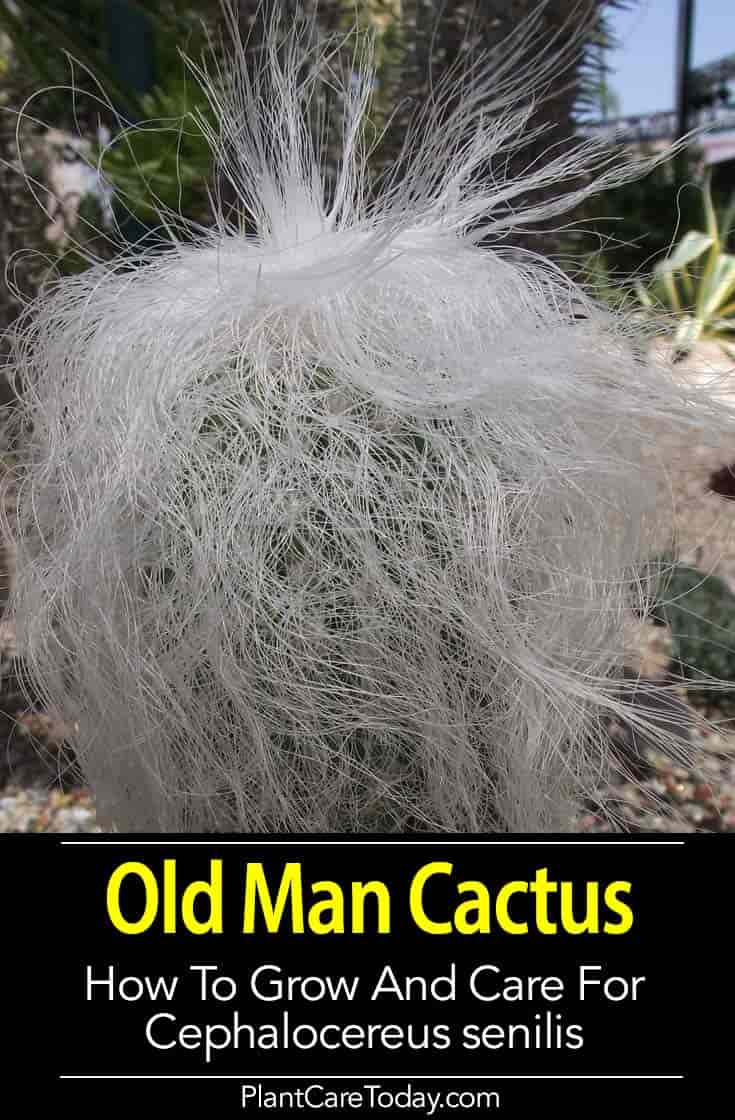
Cleistocactus, often dubbed the “flowering finger cactus,” captivates with its columnar form and vibrant blooms. Its slender, vertical stems, covered with fine spines, create an intriguing texture, producing a sculptural silhouette that elevates any xeriscape design. Unlike bulky succulents or sprawling agaves, Cleistocactus’s growth habit promises to knit vertical drama into the garden’s tapestry.
One key to its desert mastery lies in its water-use strategy. Native to arid mountainous zones of South America, it evolved with adaptations such as a thickened epidermis and a CAM photosynthesis pathway that enables nighttime CO₂ intake, reducing daytime water loss. This biological wizardry allows Cleistocactus to thrive where other plants falter — a quality xeriscapers prize.


Integrating Cleistocactus into Xeriscaping: Synergy of Form and Function
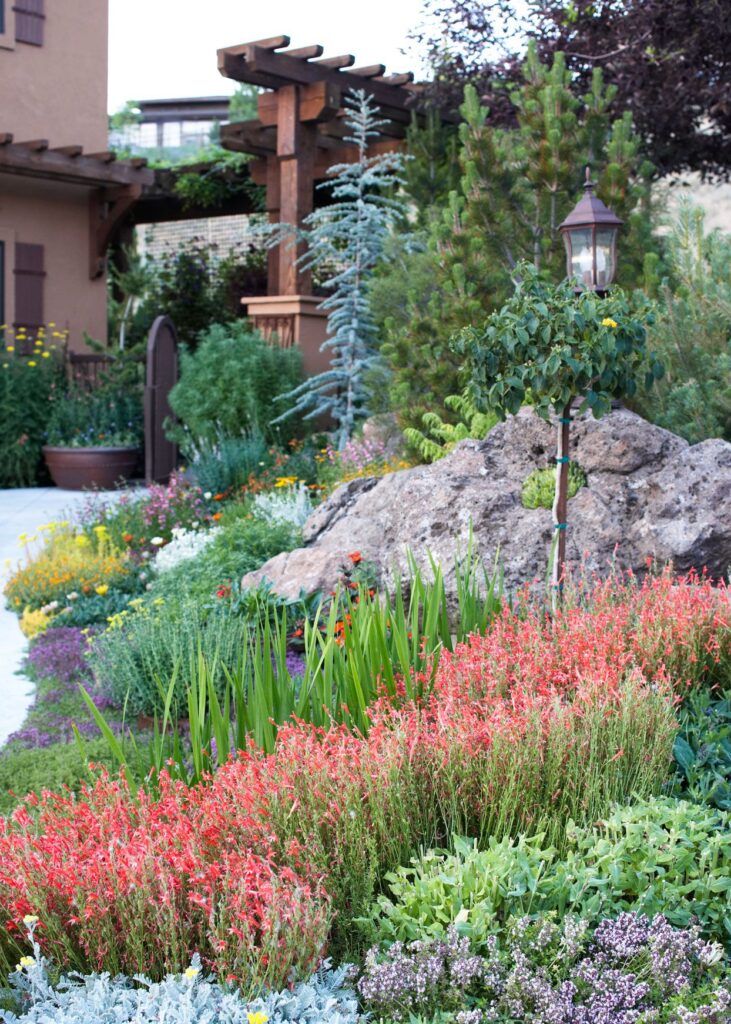
Designing landscapes with drought tolerance in mind is often a balancing act between visual appeal and sustainability. Cleistocactus effortlessly bridges this duality. Its slender columns can function as natural vertical accents or living boundary markers, breaking monotony with their fine spined texture and unexpected blossoms.
Pairing Cleistocactus with other xerophytic plants — like agaves, yuccas, and native grasses — creates a harmonious yet austere biome that celebrates aridity rather than fights it. Its modest size, usually under six feet, offers versatility: place it as a focal point in small courtyards, or cluster several to form an undulating hedge. More than just a plant, it becomes a statement of ecological mindfulness and aesthetic savvy.

Microclimate Advantages: How Cleistocactus Sustains and Enhances Its Environment
Beyond its striking form, Cleistocactus plays an active role in microclimate modulation. By reducing soil erosion with its root structure and shading the ground with its vertical stems, it improves moisture retention around its base — an essential trait in xeriscaping, where every drop counts.
The cactus also provides habitat and nectar for local pollinators including hummingbirds and native bees, weaving a vital ecological narrative into your landscape. These benefits underscore xeriscaping’s promise: that drought tolerance need not equate to ecological deficit, but can instead encourage biodiversity in arid zones.
Care and Maintenance: Demystifying the Requirements of a Thirst-Defying Marvel
Far from demanding, Cleistocactus requires surprisingly minimal care — a perfect companion for homeowners seeking effortless elegance. It thrives under full sun, tolerates poor soils, and demands only occasional watering once established. Overwatering is its nemesis, often leading to root rot, which means this stalwart cactus rewards restraint with vigor.
Pruning is seldom necessary, save for removing dead stems to maintain shape and airflow. Frost sensitivity varies by species, but most types can survive light chills with proper site selection or a simple protective mulch. This ease of care demystifies drought-tolerance, showing that sustainability and garden splendor can coexist without onerous effort.
Creative Xeriscape Inspirations: Artistic Uses of Cleistocactus
Imagine a courtyard punctuated by tall, spindly Cleistocacti casting long shadows at sunset — the interplay of light and form almost sculptural. Or a meandering pathway lined with clusters of these cacti, gently guiding visitors through an oasis of drought-resilient plants. Their bright tubular blossoms, often flaming orange or red, erupt suddenly like fireworks, injecting bursts of color into the subdued palette of desert landscaping.
Experimentation with container gardening further expands possibilities: Cleistocactus in terracotta pots create portable accents that enliven patios and decks. Grouping differing heights and bloom times within a xeriscape yields a dynamic, ever-changing panorama, inviting whimsical discovery and repeated enjoyment.

The Broader Promise: Cleistocactus as a Symbol of Sustainable Elegance
Embracing Cleistocactus in xeriscaping transcends practicalities; it embodies a philosophical shift. It prompts reconsideration of what lushness means in severely water-limited environments. Here, lushness is not equated with copious watering or exotic imports. Instead, it is reimagined as vibrancy borne from adaptation, elegance forged through frugality.
Drought-tolerant landscapes with Cleistocactus teach us that conservation and creativity need not be at odds. They reveal the potential of landscapes to tell stories of resilience, beauty, and mindful stewardship. As climate realities press upon us, the Cleistocactus is not merely a plant; it is an emblem of hope — a living testament to the ingenuity of nature and the discernment of the gardener.
FAQ
What is Cleistocactus?
Cleistocactus, commonly known as the flowering finger cactus, is a drought-tolerant plant known for its slender, columnar form and vibrant blooms.
How do I care for Cleistocactus?
Cleistocactus requires minimal care, thriving in full sun, tolerating poor soils, and needing only occasional watering once established.
Can Cleistocactus be used in xeriscaping?
Yes, Cleistocactus is an excellent choice for xeriscaping due to its drought tolerance and aesthetic appeal.


Leave a Reply