
Short Answer
Have you ever wandered through a sun-drenched desert at dusk, where the golden light carves shadows into the sand and the air hums with the quiet whisper of wind through brittle grasses? Now imagine bringing that same sense of wonder to your own front yard. What if your walkway could do more than just guide your steps—what if it could tell a story, evoke a mood, and transform your outdoor space into a living canvas of desert charm? Welcome to the art of cactus pathways: where every stone, every succulent, and every curve in the path becomes a brushstroke in a masterpiece of arid elegance.
The Allure of the Arid: Why Desert-Inspired Walkways Captivate the Senses
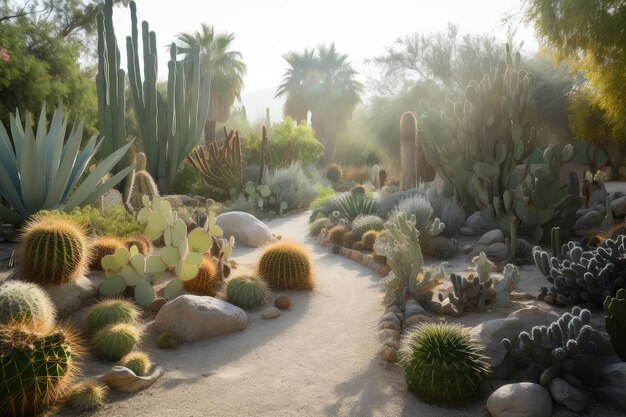
There’s something inherently primal about the desert landscape. It’s not just the absence of water that defines it—it’s the presence of resilience, of life thriving against the odds. A desert-inspired walkway doesn’t just connect points A and B; it creates a journey. It invites you to slow down, to notice the texture of a weathered stone, the delicate symmetry of a barrel cactus, or the way the late afternoon sun paints the pathway in amber hues. Unlike traditional garden paths that often prioritize neatness and uniformity, a desert walkway embraces imperfection. It’s a celebration of asymmetry, of rugged beauty, and of the unexpected. Think of it as a rebellion against the manicured lawn—a quiet manifesto of wild elegance.

Planning Your Path: From Vision to Blueprint
Before you start digging or planting, take a moment to dream. Where will this pathway lead? Will it curve gently around your garden like a lazy river, or will it cut straight through the heart of your yard with bold, angular precision? Consider the purpose of your path. Is it a functional route from the driveway to the front door, or is it a meandering trail meant to encourage leisurely strolls and quiet reflection? Sketch your ideas on paper or use a garden planning app to visualize the layout. Pay attention to the natural contours of your land—desert pathways often follow the lay of the land, mimicking the organic flow of erosion and wind. And don’t forget the practicalities: ensure the path is wide enough for comfortable passage (at least 3 feet for two people walking side by side) and slopes gently to prevent water pooling during rare desert downpours.
Choosing Your Materials: The Palette of the Desert
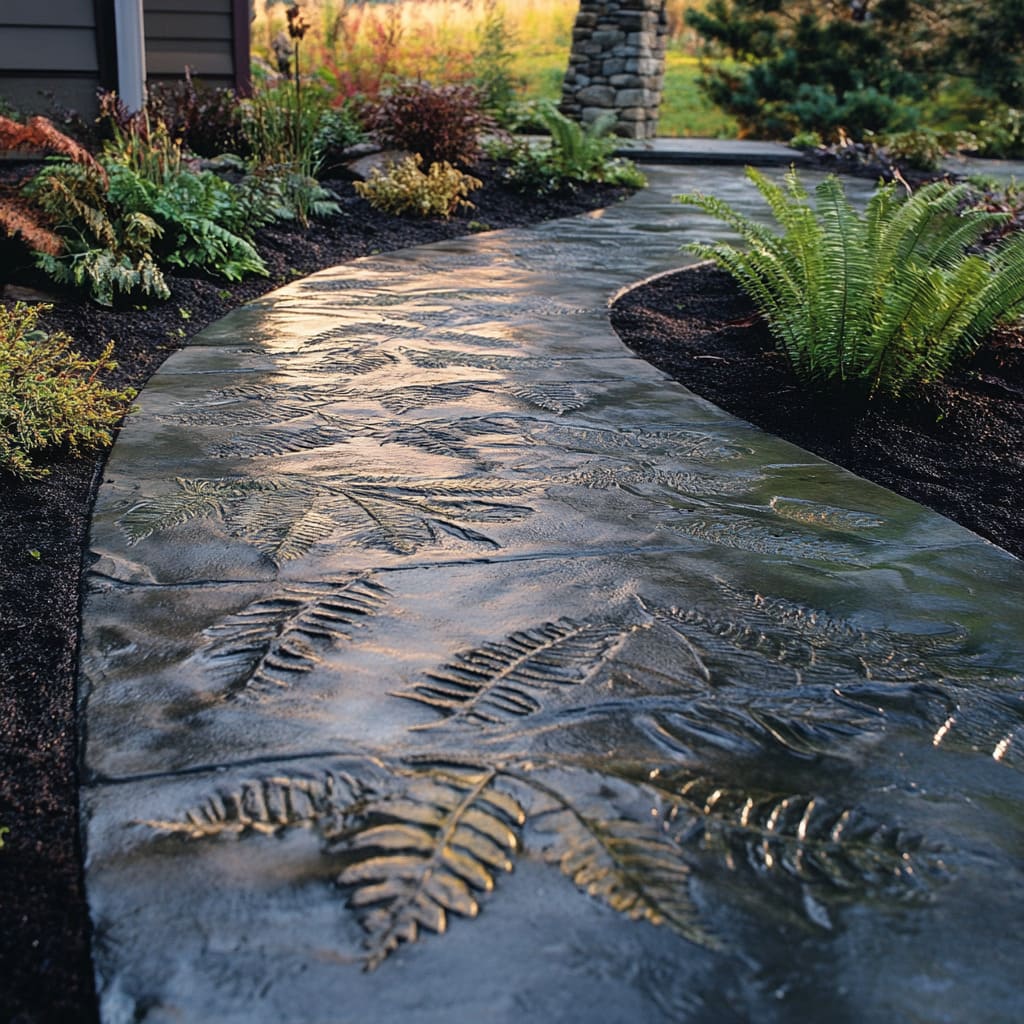
The materials you select will set the tone for your entire pathway. In the desert, nature’s palette is rich with earthy tones—ochre, terracotta, slate gray, and sun-bleached beige. Crushed gravel or decomposed granite mimics the texture of a dry riverbed, while flagstone or slate tiles evoke the rugged elegance of ancient canyon floors. For a more whimsical touch, consider stamped concrete that mimics the look of weathered adobe or cobblestone. If you’re aiming for authenticity, local stone or decomposed granite is ideal, as it blends seamlessly with the surrounding landscape. Pro tip: avoid overly smooth or polished materials. The desert doesn’t do glossy—it does raw, it does textured, it does real.

Planting with Purpose: Crafting a Living Tapestry
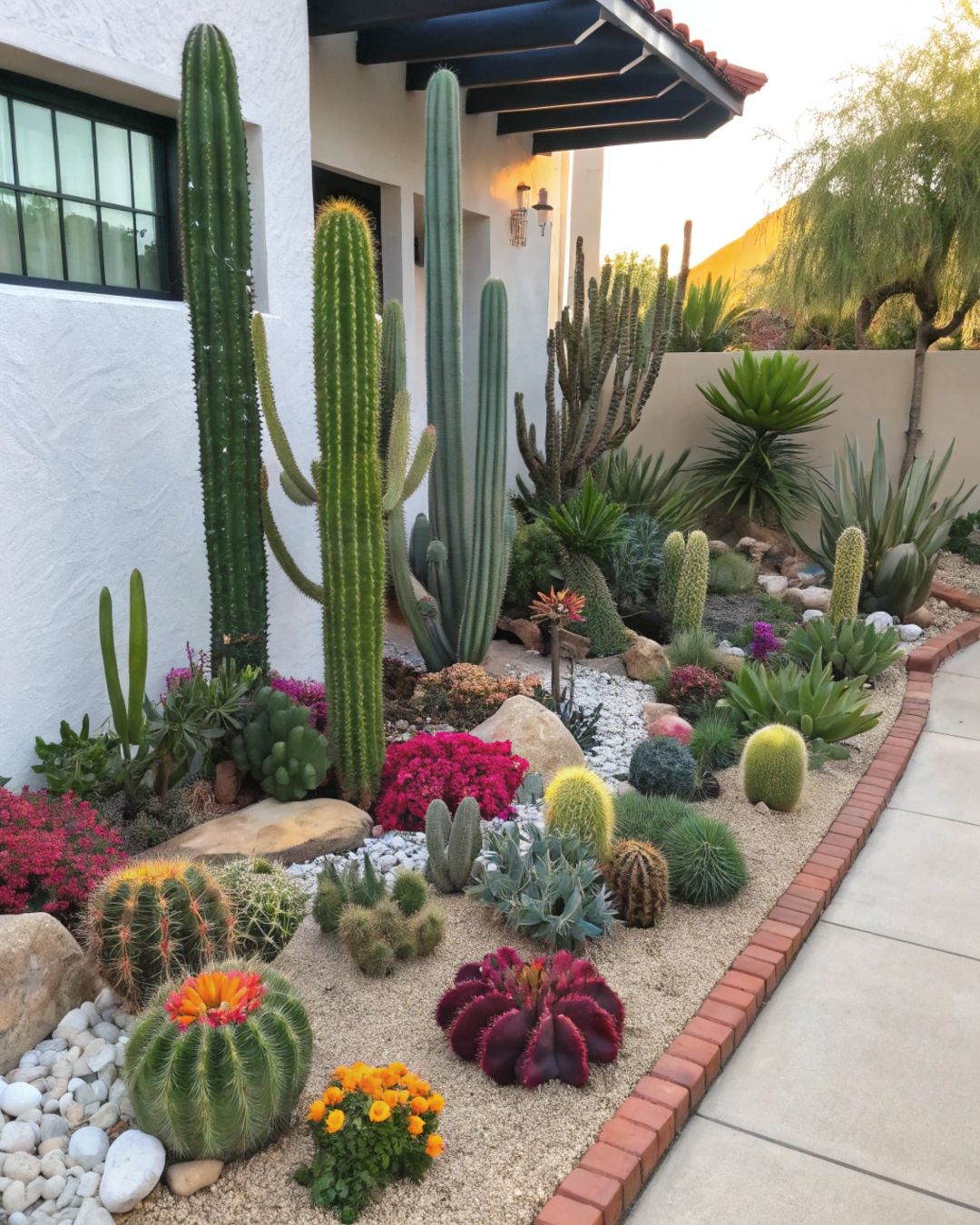
No desert pathway is complete without its botanical companions. The key here is to curate a collection of plants that not only survive but thrive in your climate, requiring minimal water and maximum impact. Start with the stars of the show: cacti. Opt for a mix of shapes and sizes—tall, columnar saguaros for drama, low-growing prickly pears for texture, and globe-shaped echinocactus for contrast. Interplant with drought-tolerant shrubs like lavender, rosemary, or artemisia to add softness and fragrance. Ground covers such as ice plant or sedum can spill over the edges of the path, blurring the lines between walkway and garden. And don’t overlook the power of grasses—feathery muhly grass or blue fescue adds movement and a sense of wildness. Remember, in the desert, less is often more. A sparse but intentional arrangement of plants will feel more authentic than a crowded, overgrown mess.
The Challenge of Balance: Aesthetics vs. Practicality
Here’s where things get tricky. You want your pathway to look like it’s been there for decades, effortlessly blending into the landscape. But you also need it to be functional, durable, and safe to walk on. This is the delicate dance of desert landscaping: balancing beauty with practicality. For instance, while a winding, meandering path is visually stunning, it might not be the most efficient route for daily use. Conversely, a straight, utilitarian path lacks the charm of a desert-inspired design. The solution? Hybrid paths. Use gentle curves and organic shapes for the majority of the walkway, but incorporate a few straight sections where necessary—for example, where the path meets a gate or a patio. Another challenge? Weeds. Even in the desert, opportunistic plants will find their way into your pathway. Combat this with a layer of landscape fabric beneath the gravel or stone, and don’t shy away from regular maintenance. A desert garden isn’t a “set it and forget it” project—it’s a living, evolving space that requires a little TLC.
Lighting the Way: Illuminating the Path After Dusk
As the sun dips below the horizon, your desert pathway takes on a whole new personality. The warm glow of carefully placed lights can transform it into a magical nocturnal promenade. Solar-powered path lights are an eco-friendly choice, but for a more dramatic effect, consider low-voltage LED fixtures or even subtle uplighting to highlight the texture of your stones or the silhouette of a cactus. Place lights at intervals along the path, ensuring they’re low enough to cast gentle shadows but high enough to avoid becoming tripping hazards. For a touch of whimsy, incorporate solar-powered lanterns or even a few flickering LED candles in glass jars. The goal is to create a soft, inviting glow that guides the way without overpowering the natural beauty of the landscape.
Seasonal Considerations: Adapting Your Path Through the Year
Desert climates are known for their extremes—scorching summers, chilly winters, and sudden downpours. Your pathway needs to be resilient enough to handle it all. In the heat of summer, consider adding a layer of mulch or gravel to keep the surface cool underfoot. If your area experiences frost, opt for materials like flagstone or slate that won’t crack under pressure. During the rare but intense desert storms, ensure your path has a slight slope to allow water to drain away from your home’s foundation. And don’t forget the plants—some may need a little extra protection during the coldest months. A well-designed desert pathway isn’t static; it’s a dynamic element that evolves with the seasons, just like the desert itself.
Final Touches: Adding Personality to Your Desert Oasis
The beauty of a cactus pathway lies in its ability to tell a story. Maybe it’s a tribute to your travels through the Southwest, or perhaps it’s a nod to the rugged landscapes of your childhood. Add personal touches with decorative elements like a hand-forged metal gate at the entrance, a mosaic stepping stone crafted from broken tiles, or even a small water feature (if your climate allows) to mimic the sound of a desert oasis. Consider the sensory experience—crunching gravel underfoot, the scent of creosote after a rare rain, the rustle of agave leaves in the breeze. Your pathway should be more than just a route; it should be an invitation to slow down, to breathe, and to reconnect with the wild, untamed spirit of the desert.
So, are you ready to embark on this journey? To trade the monotony of a traditional walkway for the enchantment of a desert-inspired path? The canvas is yours. The desert awaits.
FAQ
What materials are best for a desert-inspired walkway?
Ideal materials include crushed gravel, decomposed granite, and natural stone like flagstone, emphasizing earthy tones and textures.
How do I choose plants for my desert walkway?
Select drought-tolerant plants such as cacti, lavender, and ornamental grasses that thrive in arid conditions and require minimal maintenance.

Leave a Reply