

Short Answer
There’s something almost magical about the sight of a cactus standing sentinel in a hotel garden, its spines catching the golden light of dawn or the fiery hues of sunset. These resilient plants, often dismissed as mere desert adornments, possess an understated elegance that transforms ordinary landscapes into extraordinary retreats. Hotels around the world have long recognized the allure of cacti—not just as decorative elements, but as ambassadors of a serene, otherworldly charm. Whether nestled in the arid expanses of the American Southwest or adorning the manicured grounds of a luxury resort in Dubai, cacti bring a sense of tranquility and escape that few other plants can match. Their presence whispers of vast, untamed landscapes, of sun-baked horizons where time moves differently, and of a connection to nature that feels both ancient and timeless.
The Allure of Arid Elegance: Why Cacti Captivate Hotel Designers
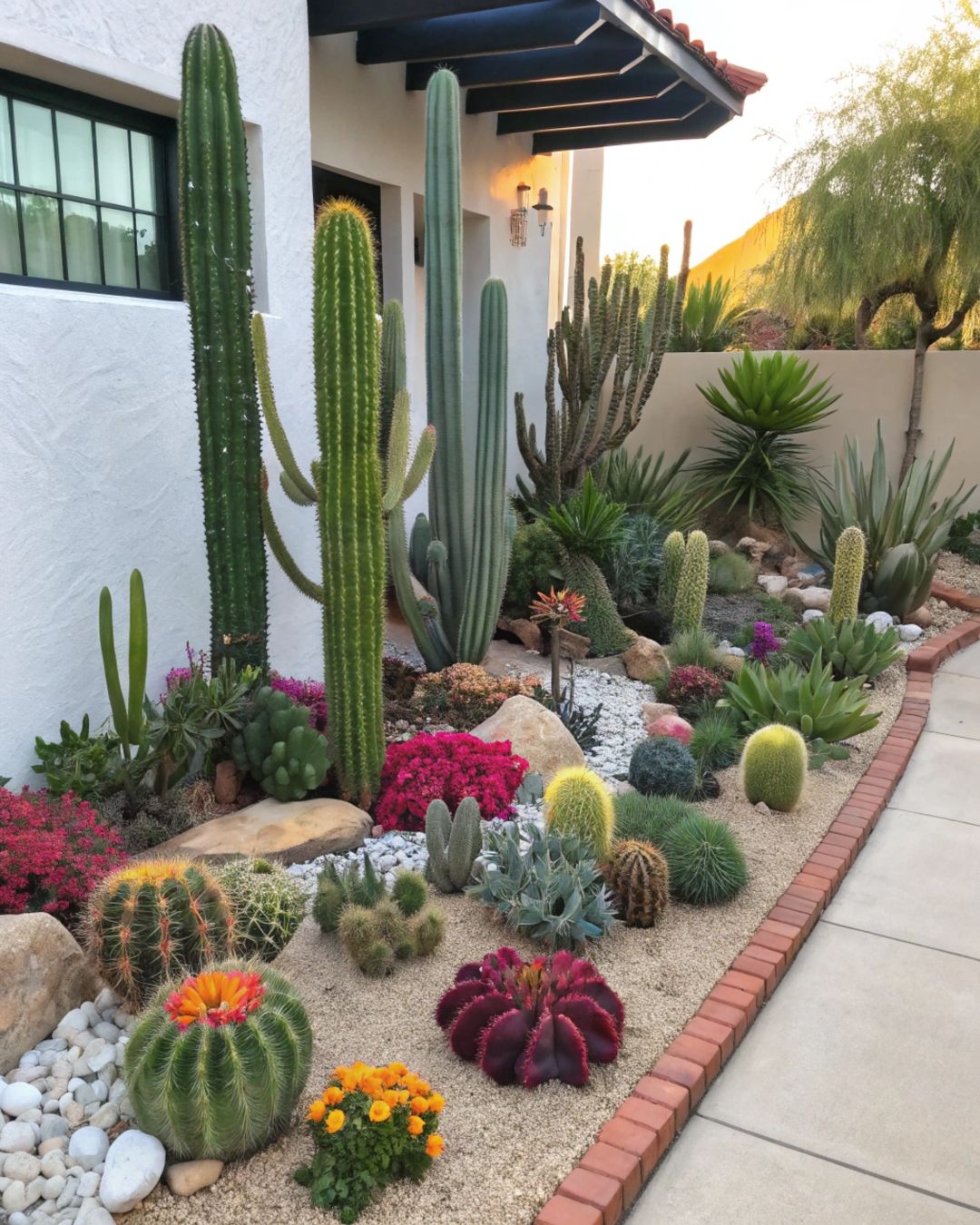
Hotel designers are drawn to cacti for reasons that extend far beyond their striking silhouettes. These plants embody the concept of xeriscaping—a landscaping philosophy that prioritizes water efficiency without sacrificing beauty. In an era where sustainability is no longer optional but essential, cacti offer a solution that is both practical and visually stunning. Their ability to thrive in harsh conditions makes them ideal for regions plagued by drought, while their sculptural forms add a touch of the exotic to any setting. A cluster of saguaros rising like ancient sentinels or a bed of barrel cacti arranged in geometric precision can evoke the mystique of a desert oasis, instantly transporting guests to a realm where nature’s raw beauty takes center stage.
The fascination with cacti also taps into a deeper human longing—the desire to reconnect with the wild, untamed aspects of the natural world. In a world dominated by urban sprawl and digital distractions, the sight of a cactus standing defiantly against the elements serves as a reminder of resilience and adaptability. Hotels leverage this emotional resonance to craft experiences that feel authentic and immersive, where every element of the garden tells a story of survival and grace.
From Desert Dwellers to Luxury Accents: The Evolution of Cactus Gardens in Hospitality
The integration of cacti into hotel landscapes is not a recent trend but a practice rooted in history. Indigenous cultures of the Americas have revered these plants for millennia, using them for sustenance, medicine, and spiritual rituals. Modern hotels have borrowed from this rich heritage, reimagining cactus gardens as spaces of relaxation and reflection. Today, you’ll find cacti gracing the grounds of boutique hotels in Palm Springs, sprawling resorts in the Sonoran Desert, and even high-end establishments in cosmopolitan cities where water conservation is a priority.
What began as a practical solution for arid environments has evolved into an art form. Landscape architects now experiment with cacti mosaics, where different species are arranged to create living tapestries of color and texture. Some hotels go further, incorporating cacti into themed gardens that celebrate the biodiversity of desert ecosystems. The result is a harmonious blend of nature and design, where every plant is carefully selected not just for its appearance, but for its role in the larger ecological narrative.
The Sensory Experience: Engaging Sight, Touch, and Even Sound
A well-designed cactus garden is more than a visual spectacle—it’s a full sensory experience. The tactile contrast between the smooth, waxy surface of an aloe and the rough, ribbed texture of a barrel cactus invites guests to pause and explore. The subtle rustling of dried leaves in the breeze or the occasional crunch of gravel underfoot adds an auditory layer to the garden, grounding visitors in the present moment. Even the scent of the desert—dry and earthy, with hints of creosote and sage—can be subtly incorporated into the garden’s design through carefully placed native shrubs.
Lighting plays a crucial role in enhancing the cactus garden’s ambiance. At dusk, the warm glow of uplighting can transform spiky silhouettes into dramatic sculptures, while the soft flicker of lanterns among the plants creates an intimate, almost mystical atmosphere. Some hotels take this a step further by integrating biophilic design principles, ensuring that the garden not only looks beautiful but also fosters a deeper connection to nature through sensory engagement.
Beyond Aesthetics: The Ecological and Cultural Significance of Cactus Gardens
While cacti are undeniably photogenic, their presence in hotel gardens also serves a greater purpose. These plants are vital components of desert ecosystems, providing habitat and sustenance for pollinators like bees and hummingbirds. By incorporating native cacti species, hotels can support local biodiversity and reduce their environmental footprint. Some establishments take this commitment further by partnering with conservation organizations to propagate endangered cacti or restore degraded desert landscapes.
Culturally, cacti carry layers of meaning that resonate with guests from all walks of life. For some, they evoke memories of childhood desert adventures; for others, they symbolize endurance and perseverance. In regions with a strong indigenous presence, cacti may be tied to ancestral traditions, adding a layer of authenticity to the hotel’s narrative. By thoughtfully integrating these plants into their gardens, hotels can create spaces that are not only beautiful but also culturally enriching, offering guests a chance to connect with the land and its stories.
Designing for Comfort: Balancing Wildness and Hospitality
One of the challenges of incorporating cacti into hotel gardens is striking the right balance between wildness and comfort. Too much ruggedness can feel unwelcoming, while over-manicuring can strip away the plants’ natural charm. The solution lies in curated wilderness—a design approach that allows cacti to thrive in their natural forms while ensuring the space remains inviting and accessible. Pathways meandering through the garden, shaded seating areas, and strategically placed water features can soften the landscape’s edges, making it feel both immersive and hospitable.
Some hotels go a step further by creating microclimates within their cactus gardens. Shade structures, misting systems, or even small ponds can provide relief from the heat while maintaining the overall desert aesthetic. These thoughtful touches ensure that guests can enjoy the garden without feeling overwhelmed by the harshness of the environment, blending the raw beauty of the desert with the comforts of modern luxury.
The Future of Cactus Gardens: Innovation and Sustainability
As climate change intensifies and water scarcity becomes a global concern, the role of cacti in hotel landscapes is poised to expand. Innovations in drought-tolerant landscaping are making it easier than ever to create stunning cactus gardens that require minimal maintenance. Some hotels are experimenting with vertical cactus gardens, where plants are grown on walls or trellises, saving space while maximizing visual impact. Others are incorporating smart irrigation systems that deliver water precisely where and when it’s needed, ensuring the plants thrive without waste.
The future may also see a rise in edible cactus gardens, where hotels cultivate prickly pear, dragon fruit, or other cacti species for their culinary and medicinal properties. This not only adds a unique dining experience for guests but also reinforces the garden’s role as a living, functional space. As sustainability continues to drive design decisions, cacti will remain at the forefront, proving that even in the most arid environments, beauty and resilience can flourish.
A Final Thought: The Desert’s Gift to Hospitality
There’s a quiet poetry in the way cacti transform hotel gardens into sanctuaries of peace and reflection. They remind us that beauty doesn’t always require lush greenery or abundant water—sometimes, it’s found in the stark, unyielding elegance of a plant that thrives where others would wither. For guests, these gardens offer a respite from the noise of the modern world, a place to slow down and reconnect with the rhythms of nature. For hotels, they represent an opportunity to craft experiences that are as meaningful as they are memorable.
Next time you find yourself in a hotel garden dotted with cacti, take a moment to appreciate the story they tell—not just of survival, but of harmony. In their silent, spiky presence lies a lesson in adaptability, a celebration of the unconventional, and an invitation to see the world through a lens of quiet wonder.
FAQ
Why are cacti popular in hotel gardens?
Cacti are popular in hotel gardens because they are drought-tolerant, visually striking, and symbolize resilience, making them ideal for sustainable and aesthetically pleasing desert-themed landscapes.
How do cacti contribute to sustainability in hotel landscaping?
Cacti require minimal water and maintenance, support local biodiversity by providing habitat for pollinators, and can be incorporated into xeriscaping to reduce water usage in hotel gardens.
What sensory experiences do cactus gardens offer to hotel guests?
Cactus gardens engage sight through dramatic shapes and lighting, touch through varied textures, sound from rustling leaves and gravel, and even scent from native desert plants, creating immersive environments.
Can cacti be used for purposes beyond decoration in hotels?
Yes, some hotels use edible cactus species for culinary experiences and partner with conservation groups to propagate endangered cacti, integrating ecological and cultural significance into their gardens.
What design challenges do hotels face with cactus gardens?
Hotels must balance the wildness of cacti with guest comfort by creating curated wilderness with accessible pathways, shaded seating, and microclimates to ensure the gardens are inviting and safe.
Leave a Reply