
Short Answer
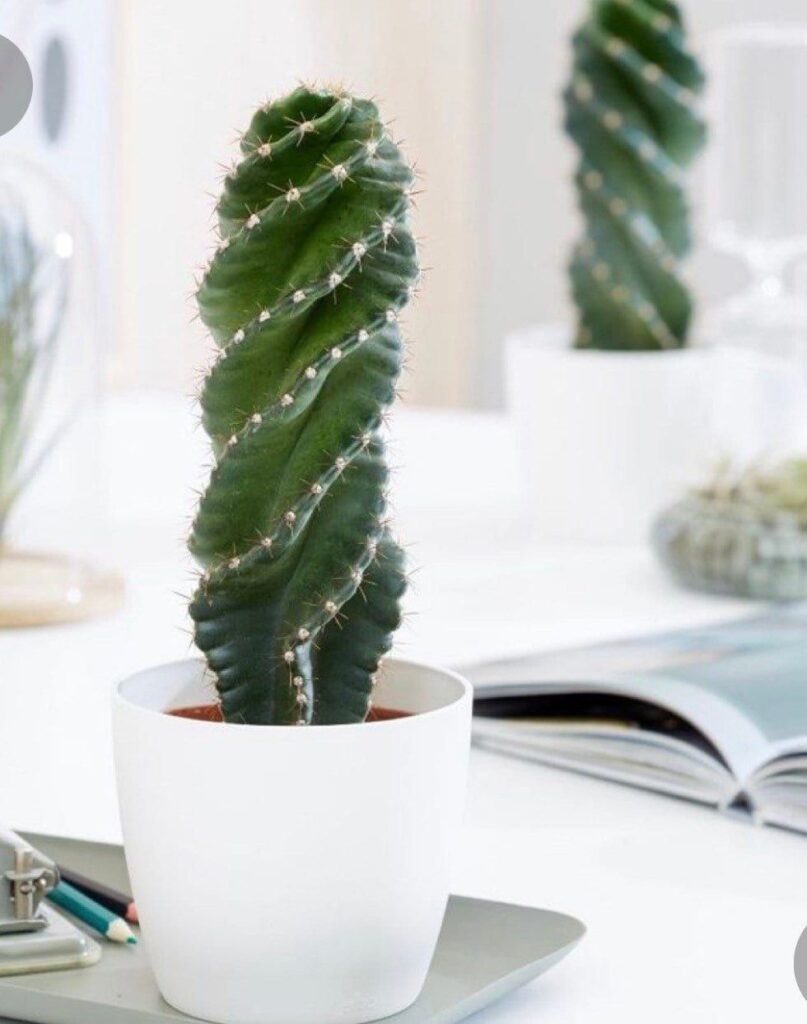
Imagine stepping into a sun-drenched oasis where spiky sentinels of the desert thrive in lush, controlled splendor—this is the magic of cultivating rare cactus genera in greenhouses. Far from the arid landscapes of their native habitats, these botanical treasures can flourish indoors with the right blend of artistry and science. Whether you’re a seasoned collector or a budding enthusiast, a greenhouse offers the perfect sanctuary to nurture these exotic specimens, transforming your space into a living gallery of botanical wonder. From the mesmerizing spirals of the Spiral Cactus to the cryptic allure of the Lophophora, growing rare cacti indoors is a journey of patience, precision, and passion. Let’s explore how to turn your greenhouse into a thriving ecosystem for these desert jewels.
The Greenhouse as a Desert Eden: Crafting the Ideal Microclimate
A greenhouse is more than a glass enclosure—it’s a controlled cosmos where light, temperature, and humidity harmonize to mimic the cactus’s natural environment. Rare genera, in particular, demand meticulous attention to these variables. Start by selecting a greenhouse with ample ventilation to prevent the stagnant air that fosters fungal foes. Opt for a structure with diffused light panels or shade cloths to soften direct sunlight, which can scorch delicate species like the Astrophytum or Mammillaria. Temperature regulation is equally critical; most rare cacti thrive in a diurnal swing of 10–15°F (5–8°C), with daytime highs around 75–85°F (24–29°C) and cooler nights. For cold-sensitive varieties, consider a heated greenhouse or thermal mass elements like water barrels to buffer temperature dips. Humidity, often overlooked, should hover between 30–50%—too much moisture invites rot, while too little stresses moisture-loving species like the Epiphyllum or Rhipsalis.
Ventilation isn’t just about airflow—it’s about creating a dynamic system where air circulates gently, preventing hotspots and stagnation. Install oscillating fans on timers to simulate the desert’s breeze, and use automated vents or louvers to regulate heat buildup. For advanced setups, consider a misting system with a dehumidifier to fine-tune humidity levels, especially during the active growing season. The goal is to replicate the cactus’s native rhythms: warm, dry days and cool, arid nights. With the right microclimate, your greenhouse becomes a self-sustaining paradise where rare cacti can unfurl their secrets.
Substrate Alchemy: The Art of Soil Composition for Rare Cacti
Soil isn’t just dirt—it’s the foundation of life, and for rare cacti, it’s a carefully curated blend of grit, organic matter, and mineral magic. The ideal substrate mimics the well-draining, nutrient-poor soils of desert ecosystems while providing just enough structure to anchor roots. Start with a base of coarse sand or perlite (50–60%), which ensures rapid drainage and prevents waterlogging. Add pumice or lava rock (20–30%) for aeration and moisture retention without suffocating roots. The remaining 10–20% can include a light organic component like coconut coir or composted pine bark, which offers minimal nutrients while retaining just enough moisture for tender new growth.
For ultra-rare genera like the Turbinicarpus or Escobaria, consider amending the mix with crushed granite or decomposed granite to replicate the mineral-rich soils of their native cliffs. Avoid peat moss or heavy loams, which retain too much water and can spell doom for drought-adapted species. Instead, think of your soil as a “desert loaf”—crumbly, porous, and slightly alkaline. To test your mix, perform a simple drainage test: water the substrate and observe how quickly it drains. If water pools on the surface, add more grit. If it drains too fast, incorporate a touch more organic matter. The perfect soil should feel like a dry riverbed—firm but not compacted, with a texture that crumbles at the slightest pressure.
Don’t forget the power of top dressing! A layer of decorative gravel or crushed stone not only enhances aesthetics but also shields the soil from splashing water and deters pests. For species prone to rot, like the Gymnocalycium, a top dressing of coarse sand can act as a protective barrier, wicking away excess moisture from the stem’s base. Remember, the soil is the lifeblood of your cacti—treat it with reverence, and your plants will reward you with vigorous growth and vibrant blooms.
Light: Painting with Sunbeams and Shadows
Light is the paintbrush of the plant world, and for cacti, it’s the difference between a straggly specimen and a robust, flowering marvel. Rare genera often hail from high-altitude or equatorial regions, where sunlight is intense yet filtered. In a greenhouse, replicating this requires a delicate balance of intensity and diffusion. South-facing windows or greenhouse panels are ideal, but direct midday sun can be a double-edged sword—it fuels photosynthesis but can also cause sunburn, leaving unsightly yellow or brown patches on sensitive species like the Echeveria or Ariocarpus.
To mitigate this, use shade cloths rated at 30–50% during peak summer months, gradually increasing exposure as the seasons change. For species that crave bright, indirect light—such as the Haworthia or Lithops—consider placing them on shaded shelves or under artificial grow lights. LED or fluorescent grow lights with a spectrum rich in blue and red wavelengths can supplement natural light, especially during shorter winter days. Position lights 6–12 inches above the plants and run them for 12–14 hours daily to mimic the long days of the growing season. Rotate your cacti regularly to ensure even light distribution, preventing the “reaching” growth that occurs when plants lean toward a light source.
For the truly light-sensitive, like the Conophytum or Fenestraria, consider a “light tent” made of translucent fabric to diffuse harsh rays while still providing ample illumination. The key is observation: watch for signs of stress—etiolation (stretching), bleaching, or reddening—and adjust your lighting strategy accordingly. Light is not just about quantity; it’s about quality, and mastering it will unlock the full potential of your rare cacti.
Watering Wisdom: The Delicate Dance of Hydration
Watering cacti is less about following a schedule and more about reading the whispers of the plant and the environment. Rare genera, in particular, are unforgiving of overwatering—a single misstep can lead to root rot, a silent killer that lurks beneath the soil. The golden rule? Water only when the substrate is completely dry, and even then, do so with restraint. For most cacti, a deep soak every 2–4 weeks during the growing season (spring to early fall) is sufficient, tapering off to once a month or less in winter when growth slows.
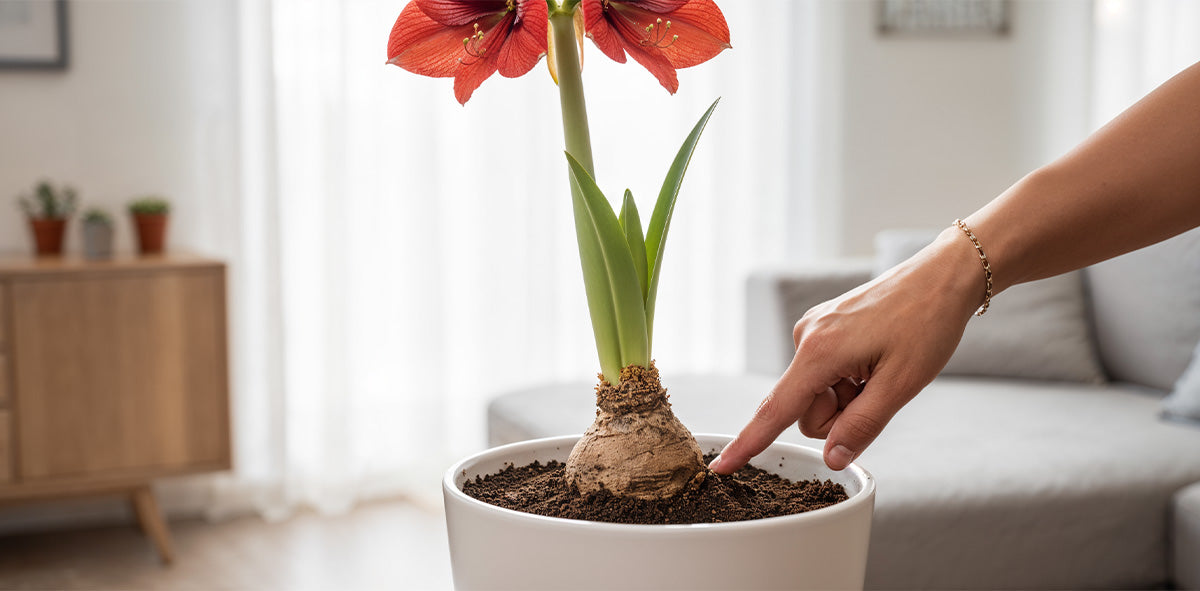
But not all cacti are created equal. Epiphytic species like the Schlumbergera or Hatiora thrive on a different rhythm—mist them lightly every 1–2 weeks, allowing the top inch of soil to dry between waterings. Conversely, globular cacti like the Gymnocalycium or Parodia prefer a drier approach, with waterings spaced further apart. The “soak and dry” method is your ally: water until it drains from the bottom of the pot, then let the soil return to a bone-dry state before repeating. To test moisture levels, use a wooden skewer or moisture meter—insert it into the soil, and if it comes out clean, it’s time to water.
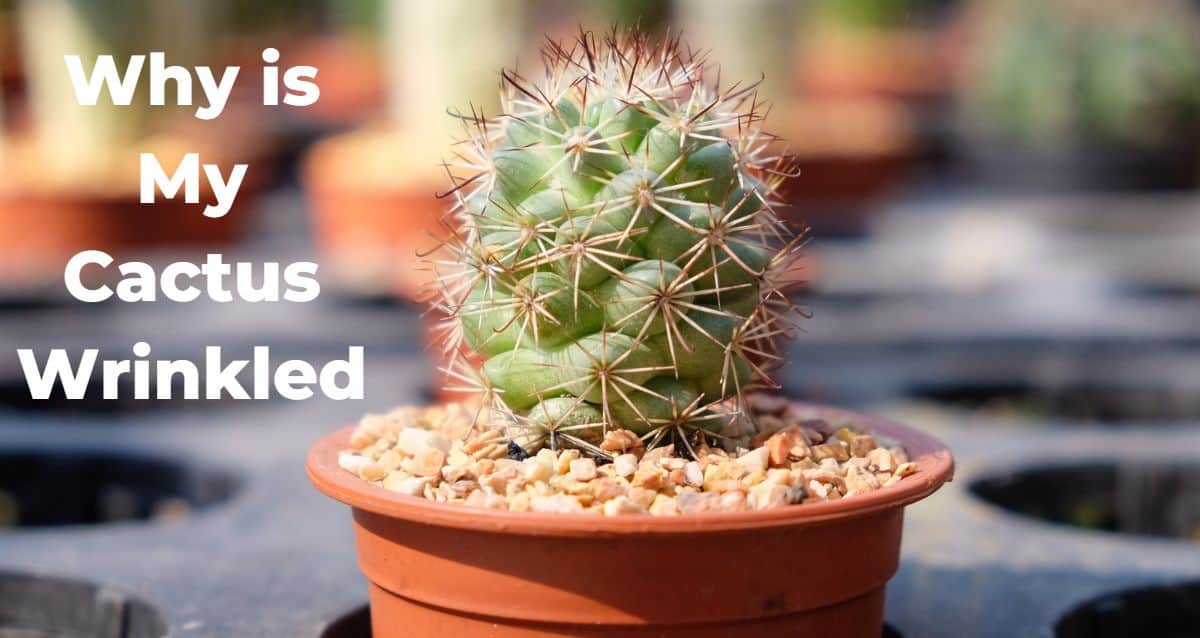
Humidity plays a sneaky role in watering. In high-humidity greenhouses, cacti may need less frequent waterings, as moisture lingers in the air and soil. Conversely, in arid setups, evaporation accelerates, and plants may require more frequent hydration. Pay attention to the plant’s appearance: wrinkled or puckered skin signals thirst, while mushy stems or black spots indicate overwatering. Remember, cacti are survivors—they’ve evolved to endure drought, so err on the side of underwatering. When in doubt, wait a few extra days. Your plants will thank you with resilience and, eventually, spectacular blooms.
Feeding the Unusual: Fertilizing Rare Cacti Without Overindulging
Fertilizer is the spice of life for plants, but for cacti, it’s a potent elixir that must be administered with precision. Rare genera, often slow-growing and sensitive to excess nutrients, require a light touch. The ideal fertilizer is low in nitrogen, high in phosphorus and potassium, and applied sparingly. A balanced, water-soluble formula (e.g., 5-10-10 or 2-7-7) diluted to half strength is perfect for most species. Apply it only during the active growing season—typically spring and summer—and avoid fertilizing altogether in winter, when cacti enter a dormant phase.
For epiphytic cacti like the Epiphyllum or Disocactus, switch to a slightly more organic fertilizer, such as fish emulsion or seaweed extract, diluted to quarter strength. These plants thrive on a diet rich in micronutrients, which mimic the decaying organic matter of their native jungle habitats. For lithophytic species like the Pleiospilos or Titanopsis, which cling to rocks in the wild, a slow-release granular fertilizer can be mixed into the top layer of soil, providing a steady drip of nutrients without overwhelming the roots.
Timing is everything. Fertilize in the early morning or late afternoon to prevent leaf burn, and always water the plant thoroughly before applying fertilizer to avoid root damage. Overfeeding is a common pitfall—symptoms include excessive, weak growth, salt buildup on the soil surface, or a sudden flush of blooms followed by collapse. If you’re unsure, it’s better to under-fertilize than overdo it. Your cacti will grow at their own pace, and the blooms they produce will be all the more spectacular for their patience.
Pests, Diseases, and the Art of Vigilance
Even in the controlled haven of a greenhouse, cacti are not immune to the scourges of pests and pathogens. Mealybugs, scale insects, and spider mites are the usual suspects, each leaving telltale signs of their presence. Mealybugs appear as cottony clusters in leaf axils or along stems, while scale insects manifest as hard, shell-like bumps. Spider mites, nearly invisible to the naked eye, weave fine webs and cause stippling on the plant’s surface. To combat these invaders, start with the gentlest methods: a blast of water to dislodge pests, or a cotton swab dipped in isopropyl alcohol to target mealybugs and scale. For larger infestations, introduce natural predators like ladybugs or lacewings, or apply neem oil or insecticidal soap, ensuring you cover all crevices where pests might hide.
Fungal diseases, such as root rot or powdery mildew, thrive in damp, stagnant conditions. Prevention is your best defense: ensure proper ventilation, avoid overhead watering, and sterilize tools and pots between uses. If rot sets in, act swiftly—remove the affected plant from its pot, trim away rotted roots with a sterilized knife, and repot in fresh, dry soil. For powdery mildew, a spray of baking soda solution (1 teaspoon baking soda + 1 quart water + a drop of dish soap) can halt its spread. Quarantine new plants for a few weeks to observe any signs of distress before introducing them to your collection. Vigilance is the key to a thriving greenhouse—catch problems early, and your cacti will remain healthy and vibrant.
Propagation: Growing Your Collection from Scratch
There’s something magical about growing a cactus from a tiny cutting or seed—a tangible connection to the plant’s life cycle. Propagation allows you to expand your collection without breaking the bank, and rare genera are no exception. Stem cuttings, the most common method, involve snipping a healthy segment from a mature plant, letting it callus over for a few days, and then planting it in a gritty mix. Species like the Opuntia or Cleistocactus root readily this way, though patience is required—some may take months to establish.
For globular cacti like the Mammillaria or Echinocactus, offsets (or “pups”) are the easiest route. Gently twist or cut the pup from the parent plant, let it dry for a week, and then pot it up in a well-draining mix. Seeds offer the ultimate challenge—and reward—for rare genera. Sow them in a shallow tray filled with a mix of sand and perlite, mist lightly, and cover with plastic wrap to maintain humidity. Place the tray in a warm, bright spot, and within weeks, you’ll witness the miracle of germination. Some species, like the Lophophora or Ariocarpus, are notoriously slow-growing, taking years to reach maturity, but the journey is part of the joy.
Hybridization is another avenue for enthusiasts seeking to create unique specimens. Cross-pollinate flowers from different species within the same genus (e.g., Echeveria or Gymnocalycium), and with luck, you’ll produce seedlings with novel traits. Keep detailed records of your crosses, as tracking parentage is essential for refining your techniques. Propagation is a labor of love, but the satisfaction of nurturing a new plant from infancy is unparalleled. With each cutting or seedling, your greenhouse becomes a living testament to the resilience and beauty of these desert wonders.
Designing a Greenhouse Sanctuary: Aesthetics Meets Function
A greenhouse is not just a functional space—it’s a canvas for creativity, where form and function coalesce into a breathtaking display. Start with the layout: tiered shelving allows for optimal light exposure, while hanging baskets free up floor space for larger specimens. Group plants by their light and water needs to simplify care, and use decorative elements like driftwood, rocks, or driftwood to evoke their native habitats. For a touch of whimsy, incorporate miniature landscapes with moss, pebbles, and tiny figurines, creating a miniature desert world.
Lighting design plays a crucial role in the aesthetic appeal. String lights or LED strips can add a magical glow during evening hours, while spotlights can highlight showstopping specimens like a towering Pachycereus or a blooming Selenicereus
FAQ
What is the ideal light condition for rare cacti?
Rare cacti thrive in bright, indirect light, with protection against direct midday sun.
How often should I water my rare cacti?
Water only when the substrate is completely dry, typically every 2–4 weeks during the growing season.
What type of soil is best for rare cacti?
A well-draining mix of coarse sand, perlite, and a small amount of organic matter is ideal.
How can I maintain humidity levels in a greenhouse?
Use automated vents, misting systems, and monitor the humidity to keep it between 30-50%.


Leave a Reply