
Short Answer
The deserts of North America cradle some of the most enigmatic botanical treasures on Earth, and none are as elusive—or as captivating—as the cacti belonging to the Sclerocactus genus. These spiny sentinels, often overshadowed by their more flamboyant cousins, are the unsung heroes of arid ecosystems, harboring secrets of resilience and adaptation that have evolved over millennia. With their diminutive stature and unassuming blooms, they may not command the same awe as towering saguaros or the vibrant allure of prickly pear, yet their rarity and ecological significance make them a subject of both botanical fascination and urgent conservation concern. In this exploration, we peel back the layers of mystery surrounding Sclerocactus, uncovering its diverse species, the threats it faces, and the vital role it plays in the delicate tapestry of desert life.
The Hidden World of Sclerocactus: A Genus of Paradoxes
Sclerocactus—a name derived from the Greek scleros (hard) and cactus—is a genus of small, globular cacti that thrive in the harshest of environments. Unlike their towering relatives, these cacti are often no larger than a tennis ball, their bodies tightly packed with spines that serve as both armor and a means of water conservation. What they lack in size, they make up for in tenacity. Native to the southwestern United States and northern Mexico, these cacti are masters of survival, thriving in alkaline soils and enduring extreme temperature fluctuations that would spell doom for most flora.
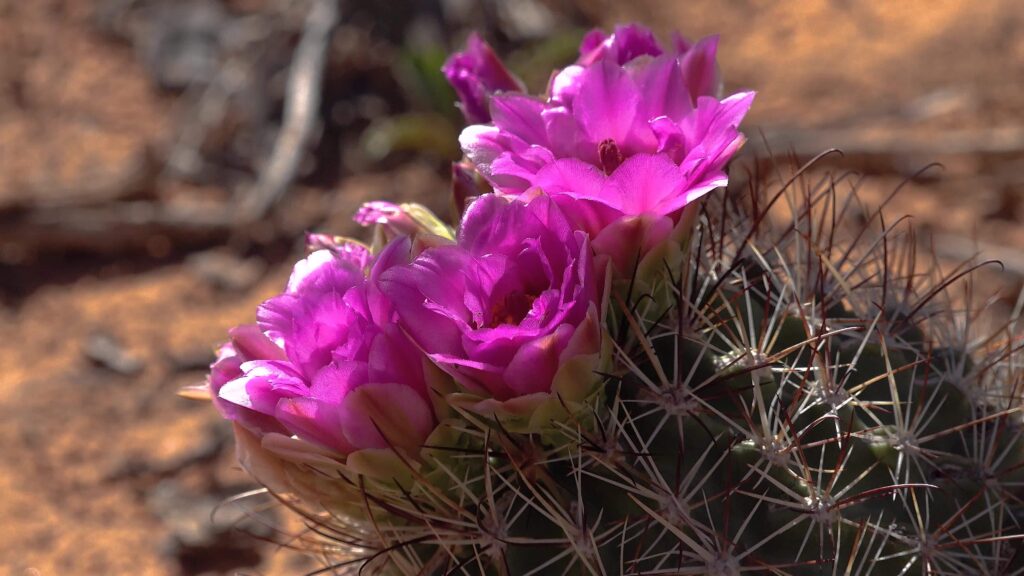
What truly sets Sclerocactus apart, however, is its remarkable diversity. The genus encompasses a spectrum of species, each adapted to its own microclimate. Some, like Sclerocactus papyracanthus, boast papery spines that shimmer in the sunlight, while others, such as Sclerocactus polyancistrus, flaunt hooked spines that seem almost predatory in their design. Their flowers, though fleeting, are a spectacle of nature’s ingenuity—bursting forth in hues of pink, purple, or white, often only after years of patient growth. These blooms are not merely decorative; they are a lifeline, attracting pollinators in an ecosystem where every visit counts.
Species Spotlight: The Most Enigmatic Members of Sclerocactus
To truly appreciate the genus, one must meet its most iconic members. Take, for instance, Sclerocactus intertextus, a species so rare that it is often referred to as the “hidden cactus.” Its globular body is obscured by a dense mat of interwoven spines, making it nearly invisible against the rocky terrain it calls home. Then there’s Sclerocactus wrightiae, a delicate beauty with slender, pink-tinged flowers that unfurl in the early spring, a fleeting promise of renewal in the desert’s harsh cycle.
Another standout is Sclerocactus mesae-verdae, a species endemic to the Colorado Plateau. Its name, meaning “of the green table,” hints at its preferred habitat—high desert plateaus where the soil is rich in minerals. This cactus is a survivor, enduring both drought and frost with equanimity. Meanwhile, Sclerocactus glaucus flaunts a powdery blue-green hue, a coloration that not only reflects sunlight to prevent overheating but also serves as camouflage against the similarly hued rocks of its habitat.
Each of these species is a testament to the genus’s adaptability, but their rarity also makes them vulnerable. Many Sclerocactus species are listed as threatened or endangered, their populations dwindling due to habitat destruction, climate change, and illegal collection. Protecting them is not just about preserving a few odd-looking plants—it’s about safeguarding the intricate web of life that depends on their existence.
The Ecological Role of Sclerocactus: More Than Just a Pretty Face
In the seemingly barren expanse of the desert, every organism plays a critical role, and Sclerocactus is no exception. These cacti are keystone species, meaning their presence—or absence—has a disproportionate impact on their ecosystem. Their spines provide shelter for small reptiles and insects, while their roots help stabilize the soil, preventing erosion in an environment where every grain of sand is precious. During the brief periods of rainfall, their shallow root systems quickly absorb water, storing it for the inevitable dry spells ahead.
But perhaps their most vital contribution is to pollinators. The flowers of Sclerocactus are a beacon for bees, butterflies, and even hummingbirds, offering a rare source of nectar in an otherwise parched landscape. Some species, like Sclerocactus spinosior, have evolved to bloom at night, attracting nocturnal pollinators such as moths. This nocturnal strategy not only conserves water but also reduces competition for pollinators during the day. In this way, Sclerocactus ensures the survival of countless other species, from the smallest beetle to the largest mammal.
Moreover, these cacti are indicators of environmental health. Their sensitivity to changes in soil composition, water availability, and temperature makes them a barometer for the broader health of the desert ecosystem. A decline in Sclerocactus populations can signal deeper ecological imbalances, from soil degradation to shifts in climate patterns. By studying these resilient plants, scientists can gain insights into the impacts of climate change and human activity on fragile desert ecosystems.
The Perils Facing Sclerocactus: A Genus on the Brink
Despite their resilience, Sclerocactus species are under siege from multiple fronts. Habitat destruction is perhaps the most immediate threat. Urban sprawl, agricultural expansion, and mining operations have swallowed vast tracts of desert land, leaving these cacti with nowhere to grow. Even in protected areas, invasive plant species like cheatgrass can outcompete native cacti for resources, altering the delicate balance of the ecosystem.
Climate change poses another existential challenge. Rising temperatures and prolonged droughts are pushing these cacti to the limits of their adaptability. Some species, such as Sclerocactus brevihamatus, are particularly sensitive to temperature fluctuations, and their ranges are shrinking as their preferred habitats become inhospitable. Additionally, erratic rainfall patterns can disrupt their reproductive cycles, leaving them unable to produce the seeds necessary for their survival.
Perhaps the most insidious threat, however, is illegal collection. The unique appearance of some Sclerocactus species, particularly those with striking spines or vibrant flowers, makes them targets for unscrupulous collectors. Even a single specimen plucked from the wild can have devastating consequences for a local population, as these cacti grow slowly and reproduce infrequently. The black market for rare cacti has flourished in recent years, driven by demand from collectors and the rise of online marketplaces.
Compounding these issues is the lack of public awareness. Unlike charismatic megafauna or iconic trees, Sclerocactus lacks the same level of recognition, leaving it vulnerable to neglect. Many people are unaware that these unassuming plants are on the brink of extinction, and fewer still understand the critical role they play in their ecosystems. Education and advocacy are essential to changing this narrative and rallying support for their protection.
Conservation Strategies: How to Safeguard the Future of Sclerocactus
Protecting Sclerocactus requires a multifaceted approach that combines scientific research, habitat restoration, and community engagement. One of the most effective strategies is the establishment of protected areas. National parks, wildlife refuges, and conservation easements can provide safe havens for these cacti, shielding them from habitat destruction and illegal collection. For example, the designation of critical habitat for Sclerocactus wrightiae in Utah has helped stabilize its dwindling populations.
Restoration efforts are equally vital. Reintroducing Sclerocactus species to their native habitats can help rebuild populations, but this process is fraught with challenges. These cacti grow slowly, and their seeds are often difficult to germinate. Researchers are experimenting with techniques such as mycorrhizal inoculation—introducing beneficial fungi to the soil—to enhance seedling survival. Additionally, controlled burns can help reduce competition from invasive plants, creating a more favorable environment for Sclerocactus to thrive.
Community involvement is another cornerstone of conservation. Local communities, particularly Indigenous groups with deep ties to the land, can play a crucial role in monitoring and protecting Sclerocactus populations. Educational programs that highlight the ecological importance of these cacti can foster a sense of stewardship among residents and visitors alike. Citizen science initiatives, such as the reporting of sightings or the participation in seed collection efforts, can also contribute valuable data to conservation efforts.
Finally, legislation and enforcement are critical to combating illegal collection. Stricter penalties for poaching and the regulation of online sales can deter would-be collectors. Collaborations between governments, conservation organizations, and law enforcement agencies are essential to dismantling the black market for rare cacti and ensuring that these plants remain in the wild where they belong.
How You Can Help: Small Actions with Big Impact
While the challenges facing Sclerocactus may seem daunting, there are tangible steps that individuals can take to make a difference. One of the simplest is to support conservation organizations that focus on desert ecosystems. Donations, volunteering, or even spreading awareness through social media can amplify their efforts and help secure funding for critical projects.
For those who love to garden, cultivating Sclerocactus species in controlled environments can reduce the demand for wild-collected specimens. Many nurseries now offer ethically sourced cacti, and growing them at home can be a rewarding way to appreciate their beauty without contributing to their decline. However, it’s essential to ensure that any cacti purchased are not taken from the wild—a common practice that fuels illegal collection.
Even something as simple as respecting the environment during outdoor activities can make a difference. Staying on designated trails, avoiding the removal of plants, and reporting illegal activity to authorities can help protect Sclerocactus populations from unintentional harm. Additionally, supporting sustainable land-use practices, such as responsible mining and agriculture, can help preserve the habitats these cacti depend on.
Lastly, education is a powerful tool. Sharing knowledge about Sclerocactus with friends, family, and local communities can inspire others to care about these remarkable plants. The more people understand their ecological importance, the more likely they are to advocate for their protection. In the end, the fate of Sclerocactus is not just in the hands of scientists and policymakers—it’s in the hands of everyone who values the beauty and resilience of the natural world.
A Call to Action: Preserving the Desert’s Hidden Gems
The story of Sclerocactus is one of quiet resilience and quiet tragedy. These unassuming cacti, with their intricate spines and fleeting blooms, are a testament to nature’s ability to thrive against all odds. Yet their future hangs in the balance, threatened by forces both natural and man-made. Protecting them is not just about saving a few rare plants—it’s about preserving the intricate web of life that depends on their existence.
As we venture into an era of rapid environmental change, the fate of Sclerocactus serves as a poignant reminder of the fragility of our planet’s ecosystems. These cacti are not just survivors; they are guardians of the desert, silently holding the line against the encroaching tide of human activity. By taking action—whether through conservation, education, or advocacy—we can ensure that future generations will have the opportunity to marvel at the hidden wonders of the Sclerocactus genus. After all, in a world that often prioritizes the spectacular over the subtle, it is the quietest voices that need the loudest champions.
FAQ
What is Sclerocactus?
Sclerocactus is a genus of small, globular cacti known for their resilience and ecological roles in desert ecosystems.
Why is Sclerocactus endangered?
Sclerocactus faces threats from habitat destruction, climate change, and illegal collection.





Leave a Reply