

Short Answer
Incorporating cacti into science projects opens up a vibrant world of botanical exploration, blending creativity with empirical inquiry. These resilient and diverse plants offer an intriguing gateway to understanding adaptation, ecology, and biology. From hands-on growth experiments to artistic interpretations, cacti provide multifaceted opportunities to ignite curiosity and deepen scientific knowledge. Dive into the realm of spiny succulents and discover how they can transform science projects into captivating learning experiences.
Exploring Cacti Adaptations: Lessons in Survival
Cacti are paragons of evolutionary ingenuity. Their ability to thrive in arid environments offers a remarkable case study on adaptation and survival. A project focusing on how cacti conserve water can elucidate crucial physiological mechanisms such as CAM photosynthesis, spines replacing leaves, and thickened stems. Students might investigate transpiration rates by comparing cacti to other plants, measuring water loss over time under controlled conditions.

Careful observation and documentation of these adaptations not only underscores the importance of water conservation but also highlights the intricate ways plants have evolved to master their environments. This type of project promotes analytical thinking and experimental design while connecting learners to broader ecological principles.
Hands-On Growth Experiments: Monitoring Cacti Development
Growth experiments with cacti can be as dynamic as the plants themselves. Monitoring germination rates, stem elongation, and root development under varying environmental factors—such as light intensity, soil composition, or water frequency—provides an empirical framework to understand plant physiology in real time. For example, observing how different soil mixtures affect cactus growth can illuminate nutrient uptake and substrate interaction.
Utilizing a time-lapse photo diary or growth charts enhances the visualization of incremental changes, making data collection engaging and comprehensive. Additionally, experimenters can compare native versus cultivated species to discern how genetic and environmental variables interplay.
Cacti and Ecosystem Studies: Microhabitats in Miniature
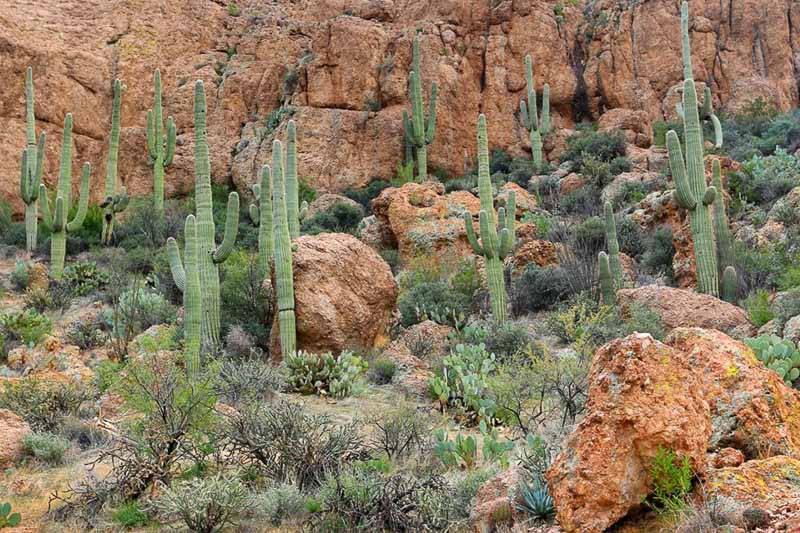
Beyond their individual biology, cacti serve as vital components of arid ecosystems. Integrating them into projects focused on biodiversity and ecological niches unveils the interdependencies within desert habitats. Investigations can delve into how cacti provide shelter and nourishment for various insects, birds, or even microorganisms.

Designing observational studies or creating terrariums that mimic desert microhabitats allows a multi-layered exploration. Students can test hypotheses about species interactions, such as pollinator preferences or seed dispersal mechanisms. This encourages a holistic understanding of ecological balance and the ripple effects of plant-animal relationships.
Integrating Art and Science: Cacti as Creative Scientific Subjects
Science projects don’t have to be solely empirical; cacti inspire a fusion of art and science that enhances cognitive engagement. Artistic renderings of cacti—through painting, sketching, or digital media—can be used to study morphology and classification. For instance, creating detailed cactus illustrations sharpen observational skills and reinforce botanical terminology.

Mixed-media projects combining taxonomy charts with visual arts encourage a deeper appreciation of plant diversity. This interdisciplinary approach fosters creativity, memory retention, and nuanced understanding, demonstrating that science and art intersect beautifully in the study of nature.
Environmental Impact and Conservation: Cacti in a Changing Climate
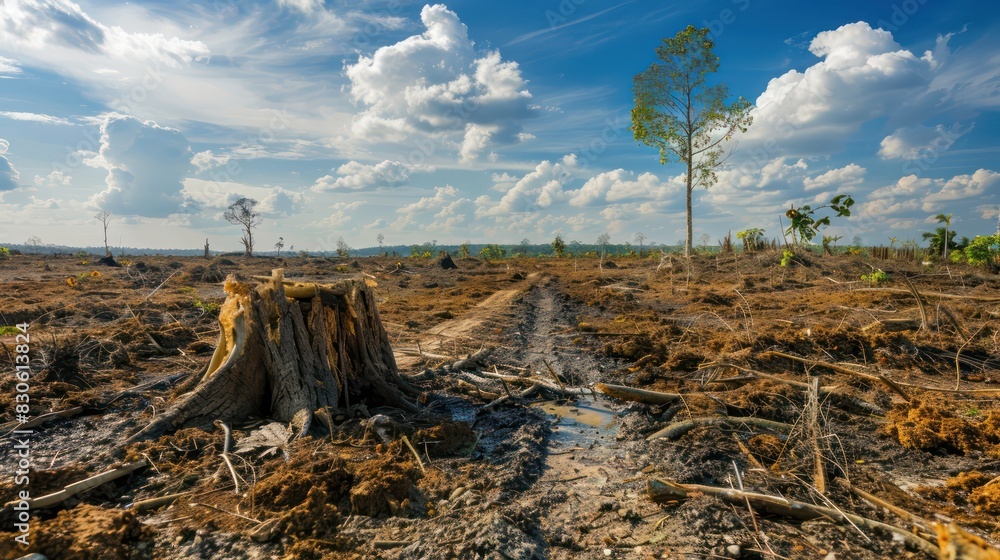
Cacti offer a poignant lens to examine environmental science topics, particularly climate change and conservation. Students can investigate the effects of temperature fluctuations, drought conditions, and human interference on cacti populations. Creating simulations or conducting field research broadens understanding of conservation challenges faced by desert flora.
Projects might include assessing the viability of native cactus species in altered habitats or exploring restoration techniques such as seedling transplantation. Such hands-on investigations emphasize the urgency and complexity of ecosystem preservation, cultivating environmental stewardship alongside scientific inquiry.
Technological Applications and Innovative Science Projects with Cacti
Cacti are not only subjects of traditional science but also springboards for futuristic explorations. Biophysics enthusiasts might study the water storage and expulsion mechanisms in cacti to inspire biomimetic designs in engineering or materials science. Using sensors to monitor internal water pressure or turgor changes opens avenues to merge biology with technology.
Moreover, investigating potential medicinal or industrial uses of cactus compounds encourages multidisciplinary research. Incorporating data logging, digital microscopy, or chemical analysis in projects can transform simple plant studies into cutting-edge scientific research, engaging students in contemporary scientific practices.
Conclusion: Cultivating Scientific Curiosity Through Cacti
Cacti are more than just hardy desert dwellers; they are captivating subjects capable of enriching science education at multiple levels. Their fascinating biology, ecological significance, and cross-disciplinary potential make them perfect protagonists for an array of science projects. Whether through experimental investigation, ecological observation, artistic exploration, or technological innovation, incorporating cacti fuels enthusiasm and deepens scientific literacy—one spiny succulent at a time.
FAQ
What types of science projects can I do with cacti?
You can conduct growth experiments, study their adaptations, create terrariums, or integrate art and science through creative projects.
Why are cacti important for science education?
Cacti provide unique insights into ecology, plant physiology, and adaptation, making them excellent subjects for hands-on learning.
FAQ
What are some benefits of using cacti in science projects?
Cacti provide a unique opportunity to study adaptations, growth conditions, and ecological interactions, making them engaging subjects for various scientific inquiries.
How can I monitor cactus growth in experiments?
You can track germination rates, stem elongation, and root development under different conditions using time-lapse photography and growth charts.
What roles do cacti play in their ecosystems?
Cacti serve as vital components in arid ecosystems, providing shelter and nourishment for various organisms and helping to maintain ecological balance.


Leave a Reply