
Short Answer
Imagine stepping into a restaurant where the walls are not just adorned with art, but with living, breathing cacti—each one a silent storyteller of the desert’s resilience. This is not a mirage of the imagination; it’s a burgeoning trend in culinary spaces where the boundaries between nature and dining blur into something extraordinary. Restaurants are no longer just places to eat; they are immersive environments where every detail, from the furniture to the foliage, is curated to evoke wonder. Among these elements, the humble cactus has emerged as a silent yet powerful protagonist, transforming mundane meals into unforgettable experiences. Let’s explore how this spiky marvel is redefining the art of dining.
The Allure of the Cactus: A Symbol of Resilience in Design
The cactus is more than a plant; it’s a symbol of tenacity, thriving in the harshest of environments where few others dare to grow. In restaurant design, this resilience translates into a visual metaphor that resonates with diners on a subconscious level. The jagged silhouettes and sculptural forms of cacti inject a sense of rugged elegance into spaces, creating an atmosphere that is both raw and refined. Their presence whispers tales of survival and adaptation, subtly reminding guests that great things often emerge from adversity—a fitting narrative for a memorable dining experience.
Consider the saguaro, with its towering arms reaching skyward, or the barrel cactus, its ribs creating geometric patterns that catch the light. These plants are not mere decorations; they are living sculptures that evolve with time, their growth mirroring the dynamic nature of the restaurant itself. By integrating cacti into the design, restaurateurs craft an environment that feels alive, dynamic, and deeply connected to the earth. It’s a visual language that speaks to the soul, evoking a sense of place and purpose.

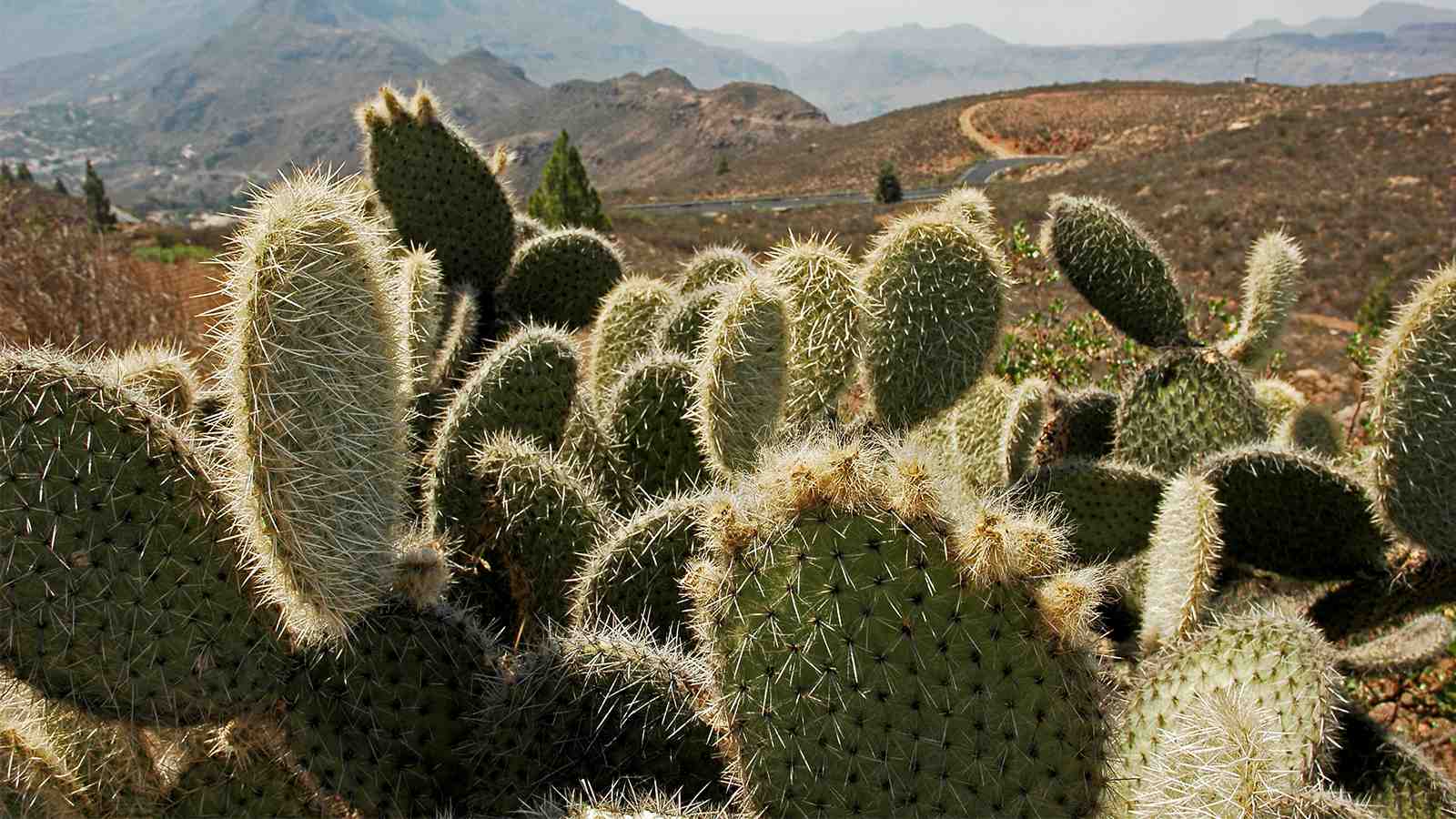
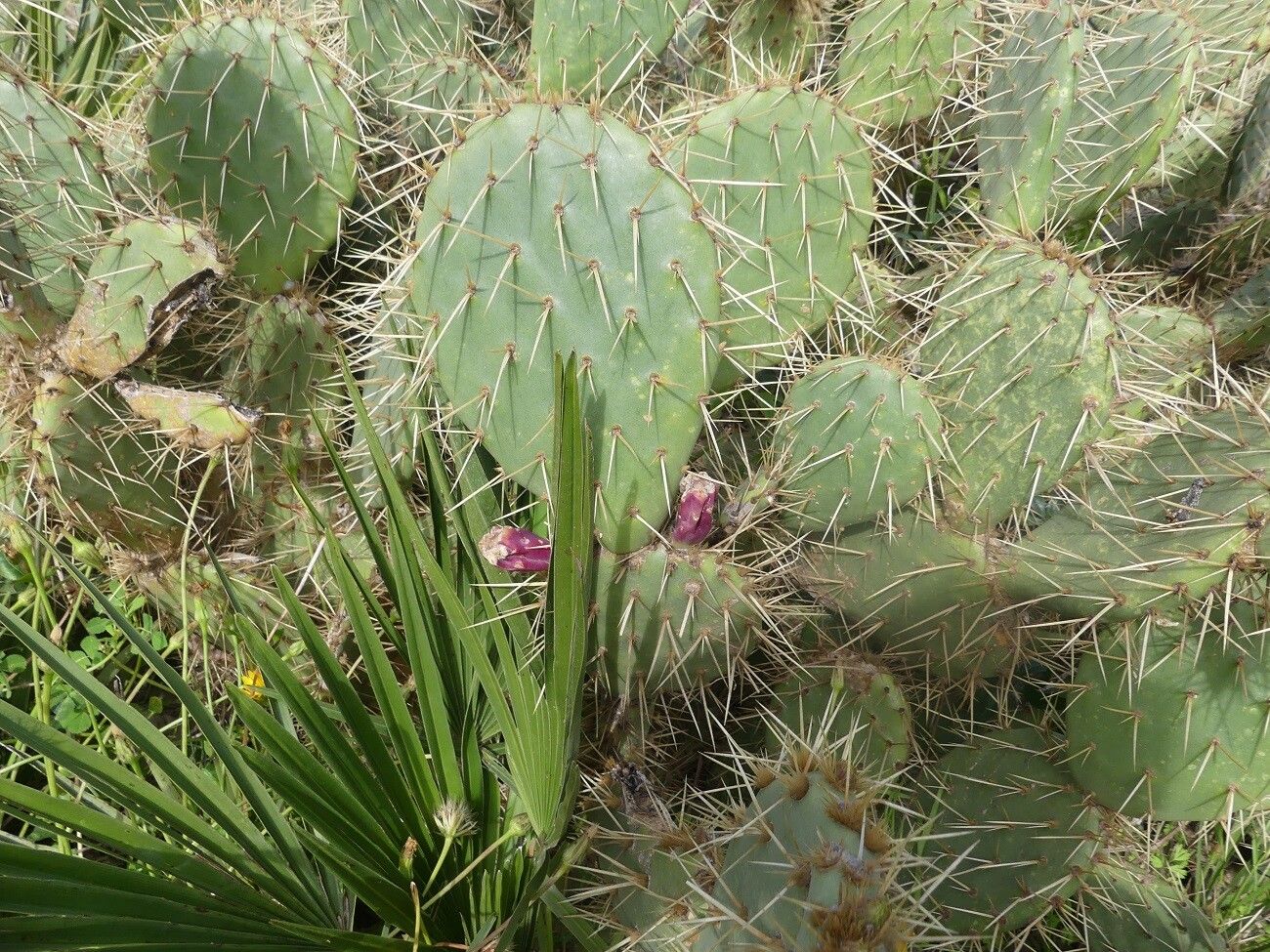
The choice of cactus species is crucial. Some restaurants opt for the dramatic allure of the prickly pear, with its flat, paddle-like pads and vibrant fruit, while others favor the more understated elegance of the zebra cactus, its striped patterns adding a touch of whimsy. The key lies in selecting varieties that complement the restaurant’s theme—whether it’s a rustic desert cantina or a contemporary urban eatery. The cactus becomes a bridge between the natural world and the culinary artistry unfolding on the plate.
From Plate to Pot: The Cactus as Culinary Inspiration
But the cactus’s role in restaurants doesn’t end at the doorstep. It extends to the very heart of the dining experience: the menu. Chefs are increasingly drawing inspiration from these desert dwellers, incorporating their flavors, textures, and even their visual appeal into dishes that surprise and delight. The nopales, or pads of the prickly pear cactus, are a prime example. Once a staple in Mexican cuisine, they are now being reimagined in fusion dishes that blend tradition with innovation. Grilled, sautéed, or pickled, nopales add a tangy, slightly citrusy note that cuts through rich flavors, making them a versatile ingredient in both savory and sweet applications.
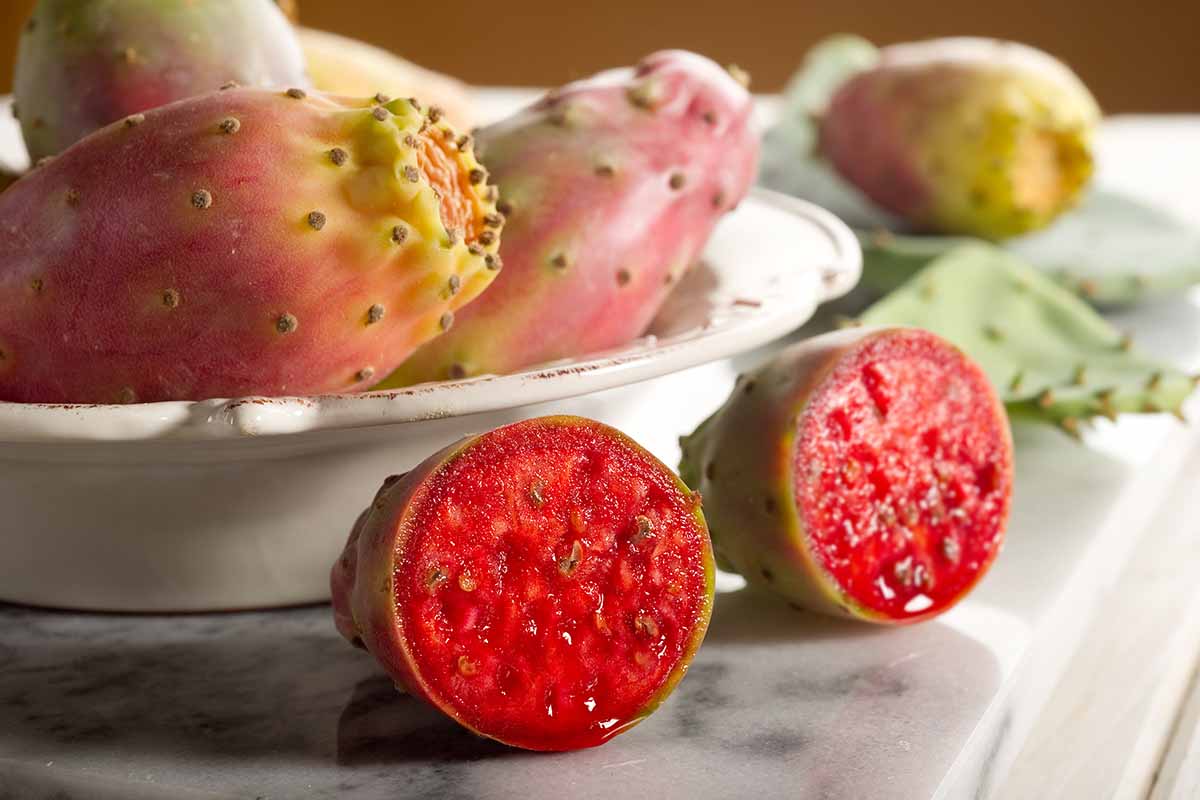
Beyond the nopales, the fruit of the prickly pear—known as tuna in Spanish—is being celebrated for its delicate, watermelon-like sweetness. Chefs are using it in cocktails, desserts, and even as a garnish for savory dishes, its vibrant color and subtle flavor adding a pop of freshness. The dragon fruit, another cactus relative, is prized for its striking appearance and mild, kiwi-like taste, often featured in smoothie bowls or as a vibrant topping for desserts. These ingredients are not just food; they are edible art, transforming the act of eating into a multisensory journey.

The cactus’s influence doesn’t stop at flavor. Its textures—crunchy, juicy, or gelatinous—are being harnessed to create dishes that play with contrast. Imagine a ceviche where the acidity of lime is balanced by the crispness of fresh nopales, or a dessert where the creamy sweetness of prickly pear sorbet is offset by the crunch of toasted cactus seeds. These combinations are not just delicious; they are thought-provoking, challenging diners to reconsider their perceptions of what food can be. The cactus, in all its forms, is a culinary chameleon, adapting to the vision of the chef and the desires of the diner.
Creating an Oasis: The Cactus in Restaurant Ambiance
A restaurant’s ambiance is the invisible thread that weaves together the dining experience, and the cactus is a masterful weaver. Whether it’s a sprawling vertical garden in a fine-dining establishment or a cluster of potted cacti on a rooftop bar, these plants have the power to transform a space into an oasis. The key lies in their versatility. In a minimalist setting, a single, sculptural cactus can serve as a focal point, its stark silhouette drawing the eye and anchoring the design. In a lush, tropical-themed restaurant, a collection of diverse cacti can create a sense of abundance, their varied shapes and sizes mimicking the diversity of a thriving ecosystem.
The lighting plays a crucial role in enhancing the cactus’s presence. Soft, diffused lighting can highlight the delicate spines of a golden barrel cactus, while dramatic spotlights can cast intricate shadows that dance across the walls. The interplay of light and shadow not only accentuates the cactus’s natural beauty but also adds depth and dimension to the space. It’s a subtle yet powerful technique that elevates the dining experience from ordinary to extraordinary.

Beyond aesthetics, the cactus can also contribute to the sensory experience. The subtle scent of blooming cacti—like the fragrant flowers of the night-blooming cereus—can infuse the air with a delicate perfume, enhancing the overall ambiance. The sound of rustling spines or the occasional creak of a growing plant adds an organic soundtrack to the dining experience, grounding it in the natural world. These details may seem small, but they are the threads that weave together a truly immersive environment.
The Psychology of Spines: How Cacti Shape Diners’ Perceptions
There’s a psychological magic to the cactus that goes beyond its visual appeal. The spines, often seen as a defense mechanism, can evoke a sense of intrigue and mystery. They challenge diners to look closer, to touch (gently, of course), and to engage with the environment in a way that is both tactile and intellectual. This interaction fosters a deeper connection to the space, making the dining experience more memorable. It’s a subtle form of engagement that transforms passive diners into active participants in the story unfolding around them.
Moreover, the cactus’s association with resilience and adaptability can subconsciously influence diners’ perceptions of the restaurant itself. A space that embraces the cactus as a design element signals a commitment to authenticity, sustainability, and innovation. It suggests that the restaurant is not just about serving food but about creating an experience that resonates on multiple levels. Diners leave not just full but inspired, their senses awakened and their curiosity piqued.
The cactus also taps into the human fascination with the exotic and the unusual. In a world where dining experiences are increasingly curated for Instagram, the cactus offers a refreshing departure from the predictable. It’s a conversation starter, a visual feast, and a reminder that beauty can be found in the most unexpected places. Whether it’s the striking silhouette of a saguaro against a sunset or the delicate bloom of a prickly pear flower, the cactus invites diners to slow down, observe, and appreciate the world in a new light.
Sustainability and the Cactus: A Green Revolution in Dining
In an era where sustainability is no longer a trend but a necessity, the cactus is emerging as a champion of eco-conscious design. These plants are remarkably low-maintenance, requiring minimal water and care, making them an ideal choice for restaurants looking to reduce their environmental footprint. Unlike traditional floral arrangements that wilt and need frequent replacement, cacti thrive with minimal intervention, their longevity mirroring the restaurant’s commitment to sustainability.
The cactus’s role in sustainability extends beyond its hardiness. Its ability to thrive in arid conditions makes it a symbol of resilience in the face of climate change, a narrative that resonates with modern diners who are increasingly conscious of their environmental impact. By incorporating cacti into their design, restaurants can communicate a message of responsibility and stewardship, aligning their brand with the values of their patrons.

Furthermore, the cactus’s edible components—nopales, prickly pear fruit, and seeds—offer a sustainable source of food that reduces the need for imported ingredients. Chefs can source these ingredients locally, supporting regional farmers and reducing the carbon footprint associated with food transportation. This farm-to-table approach not only enhances the freshness and flavor of the dishes but also reinforces the restaurant’s commitment to sustainability. The cactus, in this context, becomes more than a decorative element; it’s a symbol of a holistic, eco-friendly dining philosophy.
Case Studies: Restaurants Where the Cactus Takes Center Stage
To truly understand the transformative power of the cactus in restaurant design, let’s explore a few real-world examples where these plants have played a pivotal role in creating unforgettable dining experiences. In a bustling urban eatery, a vertical garden of mixed cacti and succulents serves as a living backdrop to the bar, its lush greenery contrasting with the sleek, modern furniture. The cacti not only purify the air but also create a sense of tranquility, inviting diners to linger over their meals. The menu features dishes that highlight the flavors of the cactus, from nopales tacos to prickly pear margaritas, each dish a celebration of the plant’s versatility.
In a desert-inspired fine-dining restaurant, the cactus takes on a more dramatic role. A towering saguaro stands as the centerpiece of the dining room, its arms reaching toward the ceiling like a natural chandelier. The tables are adorned with small potted cacti, each one a miniature sculpture that diners can admire up close. The menu is a journey through the flavors of the Southwest, with dishes that pay homage to the region’s culinary traditions while incorporating modern techniques. The cactus, in this setting, is not just a decorative element; it’s a narrative device that tells the story of the land and its people.
On a rooftop terrace, a collection of barrel cacti and prickly pears frames the skyline, their silhouettes creating a striking contrast against the sunset. The ambiance is relaxed and convivial, with the cacti adding a touch of wild beauty to the urban landscape. The menu features seasonal dishes that highlight the freshness of local ingredients, with the cactus playing a supporting role in dishes like grilled octopus with prickly pear glaze or a refreshing prickly pear and lime sorbet. The cactus, in this context, is a bridge between the natural world and the urban environment, a reminder of the beauty that exists beyond the concrete jungle.
FAQ
What types of cacti are best for restaurant styling?
Cacti like saguaro, barrel cactus, prickly pear, and zebra cactus are popular for their unique shapes and aesthetic appeal.
How are cacti used in restaurant menus?
Chefs incorporate cactus pads (nopales) and fruits (prickly pear) into dishes, offering unique flavors and textures.
How do cacti contribute to restaurant ambiance?
They serve as living art, provide natural scents, and create a visually engaging environment that connects diners to nature.
Why is the cactus considered sustainable in restaurant settings?
Cacti require minimal water and maintenance, making them an eco-friendly choice for sustainable interior design.
Leave a Reply