
Short Answer
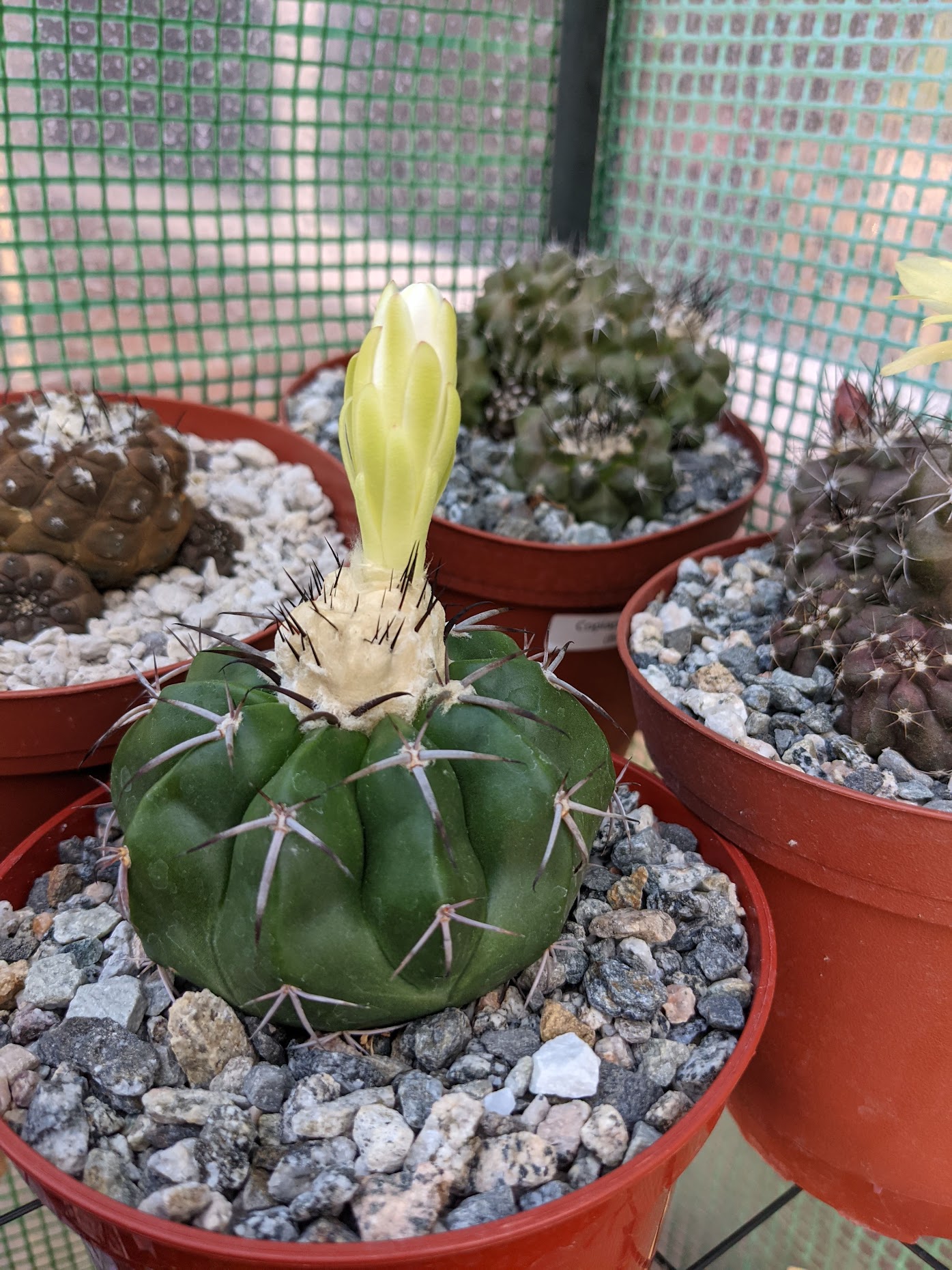
Turbinicarpus, a genus revered among succulent aficionados, encapsulates the exquisite balance between resilience and delicate beauty. Cultivating Turbinicarpus in greenhouses presents an opportunity to revel in their unique forms and vivid floral displays year-round. The micro-environment within the greenhouse, when meticulously tailored, can mimic their native arid habitats while bestowing unparalleled control over growth conditions. This article delves into the essential elements for fostering robust Turbinicarpus specimens indoors, exploring climate regulation, substrate specifics, irrigation finesse, and the marvels of technological integration to create an idyllic sanctuary for these captivating cacti.
Optimizing Climate: Temperature and Humidity Dynamics
The cornerstone of successful Turbinicarpus cultivation lies in establishing an environment that closely replicates their natural xeric locales. These diminutive cacti thrive within daytime temperatures ranging from 70°F to 85°F (21°C to 29°C), with cooler nocturnal dips around 50°F to 60°F (10°C to 16°C). Maintaining a stable diurnal temperature differential within this range promotes healthy metabolism and robust flowering.
Humidity levels deserve careful scrutiny. Turbinicarpus prospers under low relative humidity, ideally between 30% to 40%. Excessive moisture fosters fungal afflictions and root rot. Hence, vigilant monitoring combined with proper ventilation is indispensable. The circulation of fresh air mitigates stagnant moisture, creating a breathable, arid microclimate which mimics their desert origins.
Within modern greenhouses, specialized climate control mechanisms—including evaporative cooling fans and thermal blinds—allow precise regulation over these environmental variables. Integrating sensors that constantly track temperature and humidity ensures that each Turbinicarpus receives the exact conditions to flourish without guesswork.
Light Requirements: Harnessing Sunlight and Artificial Illumination
Sunlight is the lifeblood of photosynthesis, and Turbinicarpus requires copious amounts of bright, indirect light. Direct exposure to harsh midday sun, particularly in confined greenhouse spaces, can cause photodamage or sunburn. Conversely, insufficient light yields etiolated growth and muted flower production.
A greenhouse with translucent glazing excels at diffusing sunlight uniformly, reducing the risk of overheating. Positioning Turbinicarpus on south or east-facing benches permits ample morning sun while shielding plants from intense afternoon rays. During shorter winter days, supplemental artificial lighting using full-spectrum LED grow lights can extend photoperiods up to 12-14 hours, simulating natural conditions and enhancing developmental vigor.

Innovations in smart greenhouse lighting now enable automated adjustments to luminosity based on diurnal cycles and plant feedback, optimizing growth and blooming phases while conserving energy.
Substrate Selection: Creating a Breathable Growing Medium
A quintessential aspect of Turbinicarpus culture is the substrate composition. These cacti demand a substrate that offers impeccable drainage and aeration while providing minimal nutrient retention. Without such specificity, waterlogged soils precipitate root suffocation and deleterious microbial invasions.
An ideal medium consists of a coarse mixture: one part pumice or expanded clay pellets, one part calcined clay or fired clay granules, and part premium-quality, grit-free cactus potting soil enhanced with horticultural sand. The porous nature ensures swift water egress while maintaining sufficient moisture for absorption.
Regular substrate inspection and periodic repotting every 2-3 years rejuvenate the root environment, preventing compaction and ensuring maximal aeration. Such diligence fosters an optimized rhizosphere, promoting nutrient uptake and vigorous growth.
Watering Strategies: Precision in Hydration
Watering represents a fine art when cultivating Turbinicarpus in greenhouses. Over-watering remains the primary nemesis. In their indigenous arid habitats, these cacti endure prolonged drought, evolving mechanisms to store scant moisture efficiently. Greenhouse cultivation must mirror these rhythms closely.
Utilize a “soak and dry” method: saturate the substrate thoroughly and then allow it to dry out completely before the next irrigation. The frequency fluctuates seasonally—during the active growth period in spring and autumn, watering can occur biweekly; in winter dormancy, reduce this substantially or cease entirely depending on ambient conditions.
Employing automated drip irrigation systems calibrated for micro-doses ensures delivery of optimal moisture levels without engagement of human error. Additionally, integrating moisture sensors into the soil measures real-time substrate hydration, preventing inadvertent overwatering.
Ventilation and Airflow: Preventing Pathogens and Ensuring Vigour
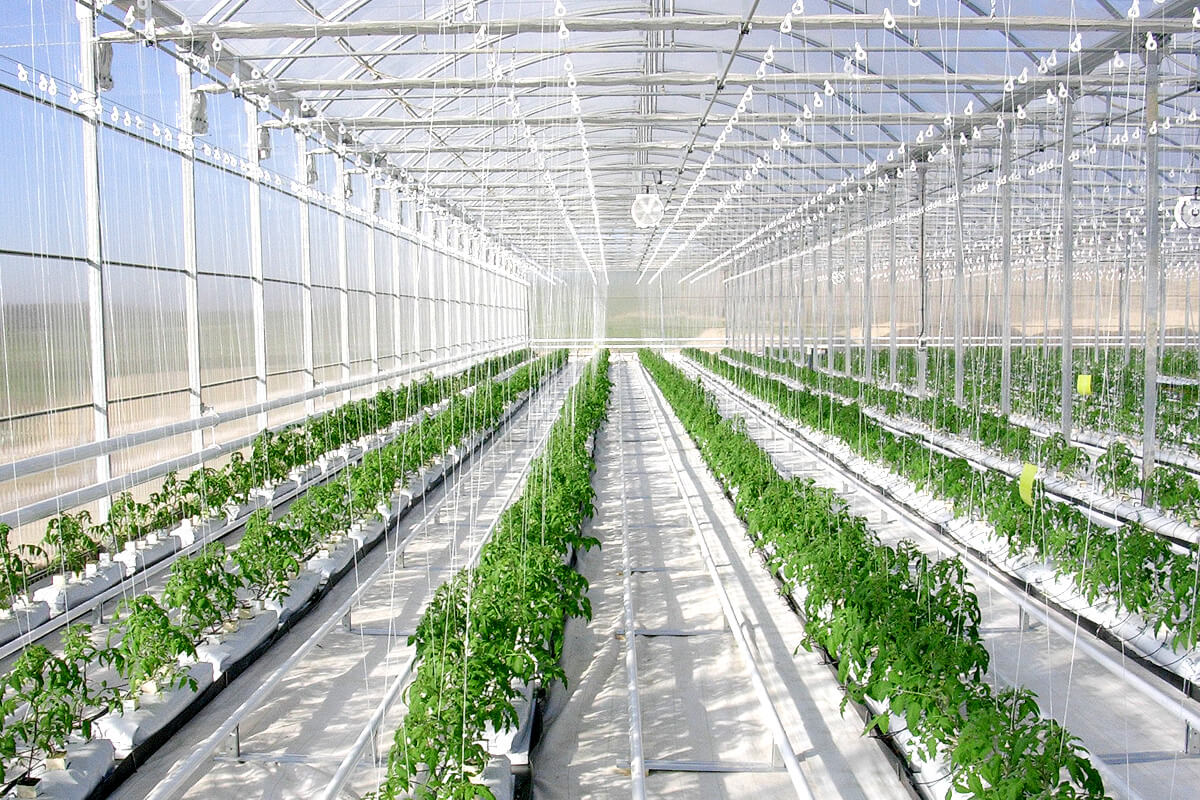
Proper ventilation is paramount within enclosed greenhouse systems. Stagnant air promotes fungal spores, pest proliferation, and a rise in humidity—conditions antithetical to cactus health. Tactical installation of exhaust fans complemented by intake vents encourages continuous air exchange.
Cross ventilation helps dissipate heat, removing excess transpiration moisture and fostering a more uniform microclimate. Intermittent operational cycles, automated via environmental controls, can adjust airflow relative to temperature and humidity data.
Equally, circulating air strengthens plant tissues, reducing etiolation and encouraging stocky, compact growth characteristic of healthy Turbinicarpus specimens.
Fertilization Practices: Nourishing for Blooming Brilliance
While Turbinicarpus are adapted to nutrient-poor soils, judicious fertilization sustains healthy growth and prolific floral displays. Employ a diluted, balanced fertilizer with an emphasis on phosphorus and potassium during the active growth phase while minimizing nitrogen to prevent excessive vegetative growth at the expense of flowers.
Slow-release fertilizers embedded within the substrate can provide steady nutrient availability. Liquid feeding every 4-6 weeks with a half-strength cactus fertilizer supports ongoing development without risking salt accumulation.
Utilizing Advances in Greenhouse Technology for Turbinicarpus Cultivation
The advent of AI-controlled smart greenhouses has revolutionized succulent cultivation. Integration of sensors, automated irrigation, lighting modulation, and climate control creates a self-regulating habitat. These systems analyze plant status in real-time, adjusting conditions with precise finesse to promote optimal growth and anticipate stress symptoms before they manifest visibly.
Turbinicarpus enthusiasts now employ these cutting-edge greenhouses to push the boundaries of cultivation—achieving unparalleled flower frequency, vivid coloration, and exceptional specimen longevity. Such technological symbiosis allows for experimentation with microclimate variables, providing insights previously unattainable.
Conclusion: Crafting the Perfect Greenhouse Sanctuary for Turbinicarpus
Nurturing Turbinicarpus in a greenhouse setting is a rewarding endeavor that marries horticultural artistry with scientific precision. By attentively orchestrating temperature, light, substrate, watering, ventilation, and nutrition, one can cultivate these captivating cacti to their fullest potential.
Leveraging modern greenhouse equipment—guided by inspiration from their native climates—unveils a world where Turbinicarpus thrive, transform, and enchant. For enthusiasts willing to embrace the nuances of their care, the greenhouse becomes not merely a place of growth but a verdant sanctuary where these botanical gems flourish in all their otherworldly splendor.
FAQ
What temperature range is ideal for growing Turbinicarpus in greenhouses?
Turbinicarpus thrives in daytime temperatures between 70°F to 85°F (21°C to 29°C) and cooler nighttime temperatures around 50°F to 60°F (10°C to 16°C).
How much humidity do Turbinicarpus cacti require?
They prefer low relative humidity levels between 30% to 40% to prevent fungal diseases and root rot.
What substrate is best for Turbinicarpus cultivation?
A well-draining, coarse substrate mix including pumice, calcined clay, horticultural sand, and grit-free cactus potting soil is ideal.
How often should Turbinicarpus be watered in a greenhouse?
Use a soak and dry method, watering biweekly during active growth and reducing or stopping watering in winter dormancy depending on conditions.
What greenhouse technologies can improve Turbinicarpus growth?
AI-controlled systems with sensors for climate, lighting, and moisture control enhance growth by maintaining precise environmental conditions.
Leave a Reply